The relentless pursuit of ambitious goals is a hallmark of many high-achievers. You likely identify with this drive, constantly seeking ways to optimize your performance, enhance your focus, and ultimately, to achieve more. You invest in learning new strategies, acquire cutting-edge tools, and push your physical and mental limits. However, amidst this drive for outward achievement, you may overlook a crucial, internal mechanism that can be a powerful secret weapon: the vagal nerve. This article will explore the concept of the vagal reset, a state of optimized vagal nerve function, and how you can leverage it to enhance your performance and well-being.
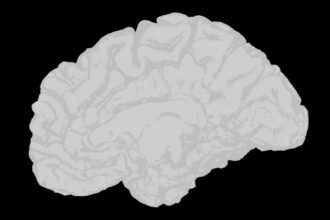
The vagal nerve, named after the Latin word for “wandering,” is the tenth cranial nerve. It is the longest and most complex of the cranial nerves, acting as a bidirectional superhighway between your brain and many of your internal organs, including the heart, lungs, and digestive system. Think of it as the central command center’s primary communication line to the body’s autonomic functions – those processes that happen without conscious thought, such as breathing, digestion, and heart rate.
The Anatomy and Function of the Vagus Nerve
The vagal nerve originates in the brainstem and branches out extensively, innervating structures in the head, neck, chest, and abdomen. Its control extends to:
- Heart Rate Regulation: The vagus nerve has a parasympathetic function, meaning it counterbalances the sympathetic nervous system’s “fight-or-flight” response. It can slow your heart rate and lower blood pressure, promoting a state of calm.
- Digestive Processes: It plays a critical role in stimulating saliva production, gut motility, and the release of digestive enzymes. This ensures efficient nutrient absorption and waste elimination.
- Respiratory Control: The vagus nerve influences breathing patterns, promoting slower, deeper breaths associated with relaxation.
- Immune System Modulation: Emerging research suggests the vagus nerve can influence inflammatory responses within the body.
- Emotional Regulation: It is intricately connected to the limbic system, the brain’s emotional center, and influences mood, stress response, and feelings of social connection.
The Autonomic Nervous System: Sympathetic vs. Parasympathetic
Your autonomic nervous system (ANS) is the master conductor of your body’s involuntary functions. It comprises two main branches that work in a delicate balance:
- The Sympathetic Nervous System (SNS): This is your “accelerator pedal.” When faced with a perceived threat or challenge, the SNS kicks in, releasing adrenaline and cortisol. This increases your heart rate, blood pressure, and respiration, diverting blood flow to your muscles for immediate action. While essential for survival, chronic activation of the SNS leads to stress, anxiety, and physical exhaustion.
- The Parasympathetic Nervous System (PNS): This is your “brake pedal.” The vagal nerve is the primary driver of the PNS. When activated, it promotes relaxation, conserves energy, and facilitates “rest-and-digest” functions. A well-functioning vagal nerve ensures that you can effectively transition from periods of high stress to states of calm and recovery.
Vagal Tone: The Metric of Your Vagal Health
Vagal tone refers to the activity of the vagal nerve. A higher vagal tone indicates a more robust and responsive vagal nerve. It is often measured by examining heart rate variability (HRV), the variation in the time interval between heartbeats. Higher HRV is generally associated with a healthier, more adaptable nervous system and a stronger vagal tone. Think of HRV as the fine-tuning mechanism of your internal engine; a more agile engine can adjust to different road conditions more smoothly.
For ambitious achievers looking to enhance their productivity and overall well-being, understanding the concept of vagal reset can be transformative. A related article that delves into this topic is available at Productive Patty, where you can explore techniques to activate the vagus nerve and improve your mental clarity and emotional resilience. By incorporating these practices into your daily routine, you can unlock your full potential and achieve your goals more effectively.
The Ambitious Achiever’s Struggle: Chronic Sympathetic Dominance
Your drive to achieve often means you are regularly operating under pressure. Deadlines loom, complex problems demand your attention, and the pursuit of excellence requires sustained effort. While this can be invigorating, it frequently leads to chronic activation of your sympathetic nervous system. This state is akin to slamming on the accelerator day in and day out, without adequate opportunities to hit the brakes.
The Downside of Constant “Fight-or-Flight”
When your sympathetic nervous system is perpetually engaged, you experience a cascade of negative effects:
- Burnout and Exhaustion: Your body’s energy reserves are depleted, leading to profound fatigue, both mental and physical. You may find yourself struggling with motivation and experiencing a general sense of depletion.
- Impaired Cognitive Function: Chronic stress can negatively impact your executive functions, including decision-making, problem-solving, memory, and creativity. Your ability to think clearly and strategically can be compromised.
- Increased Anxiety and Irritability: The constant state of alert can manifest as heightened anxiety, nervousness, and a shortened temper. You may find yourself easily agitated or overwhelmed.
- Physical Health Deterioration: Prolonged SNS activation is linked to a range of health issues, including cardiovascular problems, digestive disturbances, weakened immune function, and sleep disturbances.
- Reduced Resilience: When your nervous system is constantly in overdrive, it becomes less adaptable. You may find yourself struggling to bounce back from setbacks or to cope with minor stressors.
The Illusion of Productivity
In your pursuit of achievement, you might find yourself constantly busy, believing that busyness equates to productivity. However, operating primarily in a sympathetic state can create an illusion of constant motion while actual, effective output diminishes. You might be juggling numerous tasks, but without the restorative power of parasympathetic activation, your focus wavers, your creativity stagnates, and your ability to execute complex tasks efficiently suffers. It’s like running a marathon at a sprint pace – you might cover ground quickly for a short period, but it’s unsustainable and will inevitably lead to collapse.
The Vagal Reset: Reclaiming Your Internal Balance
A “vagal reset” refers to intentionally activating your parasympathetic nervous system, primarily through stimulating the vagus nerve. This state allows your body and mind to shift from a state of high alert to one of calm and recovery. It’s not about avoiding challenges or suppressing ambition; rather, it’s about creating periods of restorative balance that ultimately enhance your capacity to perform at your peak and sustain your efforts long-term.
The Science Behind Parasympathetic Activation
Stimulating the vagus nerve sends signals to your brain, prompting a reduction in heart rate, a decrease in blood pressure, and the release of calming neurotransmitters. This physiological shift counteracts the effects of the sympathetic nervous system, allowing your body to repair, recover, and conserve energy. It’s the internal equivalent of hitting the refresh button on your operating system.
Benefits of a Strong Vagal Tone for Achievers
Cultivating a strong vagal tone offers significant advantages for ambitious individuals:
- Enhanced Stress Management: When your vagal nerve is functioning optimally, you are better equipped to manage stress. You can more quickly downregulate your sympathetic response and return to a state of calm, preventing the corrosive effects of chronic stress.
- Improved Focus and Concentration: A balanced nervous system allows for greater mental clarity. With less mental noise from stress and anxiety, you can dedicate more focused attention to your tasks, leading to increased efficiency and higher quality work.
- Increased Creativity and Problem-Solving: Periods of calm foster an environment conducive to creative thinking and innovative solutions. When your mind is not constantly on high alert, it has the space to make novel connections and explore new ideas.
- Greater Emotional Resilience: A well-regulated nervous system helps you navigate emotional challenges with greater equanimity. You can experience emotions without being overwhelmed by them and bounce back more effectively from emotional setbacks.
- Sustained Energy and Reduced Burnout: By regularly engaging your parasympathetic nervous system, you allow your body to recover and replenish its energy stores, preventing the debilitating effects of burnout and enabling you to maintain high levels of performance over extended periods.
- Better Sleep Quality: A calmly functioning nervous system is essential for restorative sleep. By promoting relaxation, vagal nerve stimulation can lead to deeper, more refreshing sleep, which is crucial for cognitive function and overall well-being.
Practical Strategies for Cultivating Vagal Tone
Achieving a vagal reset is not a mystical endeavor; it involves adopting conscious practices that stimulate the vagus nerve. These strategies are accessible and can be integrated into your daily routine.
Respiratory Techniques
Your breath is a direct conduit to your autonomic nervous system. Slow, deep breathing is a powerful vagal nerve activator.
- Diaphragmatic Breathing (Belly Breathing): This technique involves consciously engaging your diaphragm, the large muscle at the base of your lungs.
- Practice: Lie down or sit comfortably. Place one hand on your chest and the other on your belly, just below your rib cage. Inhale deeply through your nose, allowing your belly to expand. Your chest should move minimally. Exhale slowly through your mouth, feeling your belly contract. Aim for exhales that are longer than your inhales.
- Box Breathing: This technique involves regulating your breath into four equal counts.
- Practice: Inhale through your nose for a count of four, hold your breath for a count of four, exhale through your mouth for a count of four, and hold again for a count of four. Repeat for several minutes.
- Slow Exhalations: Simply lengthening your exhales is a direct way to signal a shift to the parasympathetic nervous system.
- Practice: Focus on making your exhales twice as long as your inhales. For example, inhale for a count of three, and exhale for a count of six.
Vocalization and Chanting
The act of vocalizing, particularly humming, gargling, and chanting, can stimulate the vagus nerve.
- Humming: The vibrations created by humming stimulate the laryngeal muscles and the vagus nerve.
- Practice: Simply hum any tune you like for a few minutes. You can also try a low, resonant hum, focusing on the sensation in your chest and throat.
- Gargling: Gargling with water stimulates the muscles in the back of your throat, which are innervated by the vagus nerve.
- Practice: Gargle with water for 30-60 seconds, several times a day.
- Chanting: Mantras and other forms of chanting, due to their rhythmic and resonant nature, are potent vagal stimulators.
- Practice: Explore various chants or create your own simple affirmations and repeat them rhythmically.
Physical Activity and Movement
While intense exercise activates the sympathetic nervous system, certain forms of movement and physical activity can promote vagal tone.
- Gentle Exercise: Activities like yoga, tai chi, and Qigong, which combine slow, controlled movements with mindful breathing, are excellent for vagal stimulation.
- Practice: Engage in regular yoga or tai chi sessions, focusing on the breath-movement synchronization.
- Cold Exposure: Brief exposure to cold water can trigger the “diving reflex,” which involves the vagus nerve slowing your heart rate and conserving oxygen.
- Practice: Incorporate cold showers (starting with short durations and gradually increasing), splash cold water on your face, or engage in cold plunges if accessible.
- Massage: Stimulating certain areas of the body through massage can engage the vagus nerve.
- Practice: Self-massage of the neck and shoulders, or receiving professional massages, can be beneficial. Foot massages and ear acupressure points associated with the vagus nerve are also effective.
Social Connection and Empathy
Your social interactions have a profound impact on your nervous system.
- Positive Social Engagement: Spending time with loved ones, engaging in meaningful conversations, and experiencing acts of kindness can activate your parasympathetic nervous system.
- Practice: Prioritize quality time with friends and family. Engage in active listening and express empathy.
- Acts of Kindness and Compassion: Performing acts of kindness, whether for others or yourself, can promote feelings of well-being and contribute to parasympathetic activation.
- Practice: Make a conscious effort to perform a random act of kindness daily. Practice self-compassion and treat yourself with the same kindness you would offer a friend.
For ambitious achievers looking to enhance their performance and well-being, the concept of vagal reset offers intriguing insights into how we can better manage stress and improve focus. A related article that delves deeper into this topic can be found at Productive Patty, where you can explore techniques that harness the power of the vagus nerve to boost productivity and emotional resilience. By understanding these methods, you can unlock your potential and achieve your goals with greater ease.
Integrating Vagal Resets into Your High-Performance Lifestyle
| Metric | Description | Typical Range | Relevance to Vagal Reset |
|---|---|---|---|
| Heart Rate Variability (HRV) | Measure of variation in time between heartbeats | 50-100 ms (higher is better) | Indicator of vagal tone and parasympathetic nervous system activity |
| Resting Heart Rate (RHR) | Number of heartbeats per minute at rest | 40-70 bpm | Lower RHR suggests better vagal tone and cardiovascular health |
| Respiratory Rate | Number of breaths per minute | 12-20 breaths/min | Slower, controlled breathing supports vagal activation |
| Stress Resilience Score | Subjective or objective measure of ability to handle stress | Scale 1-10 | Improved by vagal reset techniques enhancing parasympathetic response |
| Sleep Quality Index | Assessment of sleep duration and restfulness | Scale 0-100 | Better vagal tone correlates with improved sleep quality |
| Focus and Cognitive Clarity | Self-reported or tested mental clarity and concentration | Scale 1-10 | Enhanced by vagal reset through improved autonomic balance |
As an ambitious achiever, you understand the importance of strategy and execution. Integrating vagal resets into your life requires a similar approach, treating them not as optional luxuries, but as essential components of your performance toolkit.
Scheduling Your “Brake Time”
Just as you meticulously schedule important meetings and work blocks, intentionally schedule time for vagal reset practices. These don’t have to be lengthy sessions; even short, focused moments can make a significant difference.
- Morning Rituals: Begin your day with a few minutes of diaphragmatic breathing or gentle stretching to set a calm tone.
- Midday Pauses: Instead of scrolling through your phone, take a 5-10 minute break to practice humming or focused breathing.
- Evening Wind-Down: Before bed, engage in a soothing practice like gentle yoga, a warm bath, or listening to calming music to prepare for restful sleep.
Micro-Practices for On-the-Go
You are likely a person on the move. Fortunately, vagal reset techniques can be done discreetly and effectively in various situations.
- Deep Breaths in Meetings: During a particularly stressful meeting, subtly take a few slow, deep breaths through your nose, focusing on lengthening your exhales.
- Humming While Commuting: If you drive or use public transport alone, hum a tune to engage your vagal nerve.
- Mindful Walking Breaks: Instead of power-walking, try a mindful walk where you focus on your breath and the sensations of your body.
Leveraging Technology (Wisely)
While the goal is to disengage from digital dependence, technology can be a helpful tool for learning and consistency.
- HRV Tracking Apps: Utilize wearable devices or apps that track your heart rate variability. This can provide valuable feedback on the effectiveness of your vagal reset practices and signal when you might need more restorative time.
- Guided Meditation and Breathing Apps: Many apps offer guided meditations and breathing exercises specifically designed to promote relaxation and parasympathetic activation. Use these as training wheels to develop your own internal capacity.
- Ambient Sound and Binaural Beats: Certain sound frequencies, like those found in ambient music or binaural beats, are claimed to influence brainwave states and promote relaxation. Explore these options, but always prioritize foundational practices like breathing.
The Long Game: Prevention vs. Reaction
The most potent application of vagal resets is proactive. Instead of waiting until you are overwhelmed and experiencing the negative consequences of sympathetic dominance, make these practices a regular part of your regimen. This creates a stronger baseline of resilience, allowing you to navigate challenges with greater ease. Think of it as regular maintenance for your high-performance vehicle; it prevents breakdowns and ensures optimal function.
Conclusion: Your Internal Superpower
As an ambitious achiever, you are constantly seeking an edge. You invest in knowledge, skills, and external resources. However, your most powerful asset might reside within you – your autonomic nervous system and the remarkable vagal nerve. By understanding and consciously cultivating your vagal tone, you unlock a powerful internal superpower. This is not about dialing back your ambition or settling for less; it is about optimizing your internal operating system to support your drive sustainably. A well-functioning vagal nerve acts as your internal ballast, steadying you amidst the storms of ambition, ensuring that your pursuit of excellence is not only successful but also healthy and fulfilling. Embrace the vagal reset, and transform your journey from a relentless sprint into a sustainable, powerful stride towards your greatest achievements.
FAQs
What is a vagal reset?
A vagal reset refers to techniques or practices aimed at stimulating and regulating the vagus nerve to improve autonomic nervous system balance, reduce stress, and enhance overall well-being.
Why is a vagal reset important for ambitious achievers?
Ambitious achievers often experience high levels of stress and mental fatigue. A vagal reset can help activate the parasympathetic nervous system, promoting relaxation, better focus, and improved emotional resilience, which supports sustained productivity.
What are common methods used for a vagal reset?
Common methods include deep breathing exercises, cold exposure, meditation, humming or chanting, and certain physical activities like yoga or gentle neck massages that stimulate the vagus nerve.
How quickly can one expect benefits from a vagal reset?
Some benefits, such as reduced heart rate and increased calmness, can be felt immediately after vagal stimulation techniques. Long-term improvements in stress management and emotional regulation typically develop with consistent practice over weeks or months.
Are there any risks associated with vagal reset techniques?
Most vagal reset techniques are safe when practiced correctly. However, individuals with certain medical conditions, such as heart problems or epilepsy, should consult a healthcare professional before attempting specific vagal stimulation methods.