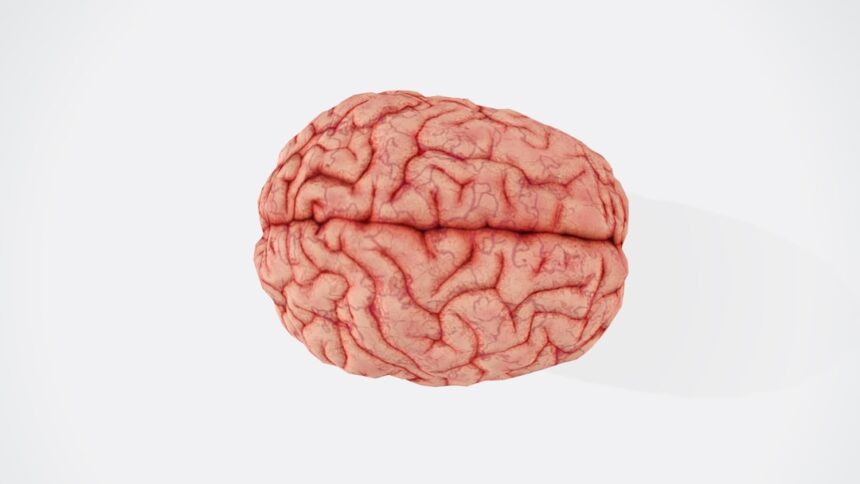
Your brain, a marvel of biological engineering, orchestrates your every thought, emotion, and action. Yet, it operates with a peculiar blind spot: the “future you.” Imagine looking at a photograph of someone else, someone you vaguely recognize but with whom you share no immediate connection. That’s often how your present self perceives the individual who will inhabit your body years or even months from now. This phenomenon, the treatment of your future self as a stranger, is a fundamental aspect of human cognition with profound implications for your decision-making, particularly concerning long-term goals and delayed gratification.
Your brain, in its drive for immediate reward, operates on a principle known as temporal discounting. This is the tendency to assign less value to rewards that are further in the future compared to those available immediately. Think of it as a steep discount applied to future outcomes. A dollar today is worth more than a dollar next week, and this valuation extends to your well-being, your achievements, and your very identity.
The Neuroscience Behind the Discount
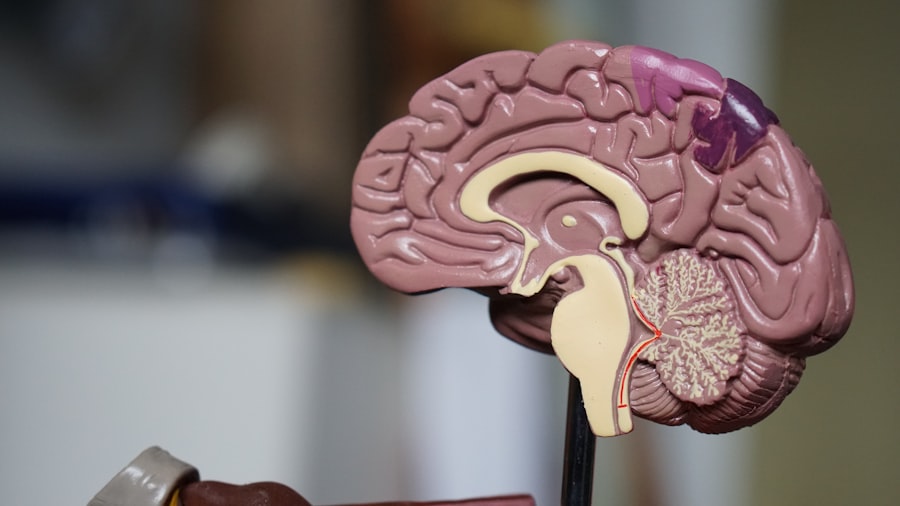
At the core of temporal discounting lies the interplay of different brain regions. The prefrontal cortex, responsible for executive functions like planning and impulse control, is often engaged when you consider long-term benefits. However, the limbic system, particularly the amygdala, which is associated with immediate emotional responses and pleasure, can exert a powerful influence, especially when faced with tempting, short-term rewards. When the limbic system holds sway, the future you begins to fade into a less compelling prospect.
Evolutionary Roots of Short-Sightedness
This inclination towards immediate rewards is not necessarily a flaw but rather an evolved strategy. For much of human history, living in unpredictable environments, securing immediate resources was paramount for survival. The capacity to thrive in the present outweighed the need for meticulous long-term planning. While this instinct served our ancestors well, in the context of modern society, with its emphasis on accumulating wealth, health, and knowledge over extended periods, it can become a significant hurdle.
Research has shown that our brains often perceive our future selves as strangers, leading to difficulties in making long-term decisions. This phenomenon is explored in detail in the article “Why Your Brain Treats Future You Like a Stranger” on Productive Patty’s website. The article delves into the psychological mechanisms behind this disconnect and offers insights on how to bridge the gap between present and future self-awareness. To learn more about this intriguing topic, you can read the full article here: Why Your Brain Treats Future You Like a Stranger.
The “Out of Sight, Out of Mind” Problem Extended
Your brain is adept at processing information that is currently present and relevant. When something is distant in time, it recedes from immediate attention and emotional salience. This is akin to a physical object being moved behind a curtain; its presence is acknowledged, but its impact on your current perception is diminished.
The Emotional Chasm Between Present and Future Selves
The emotional connection you feel towards your future self is often weaker than the connection you feel towards your present self. Your current emotions – joy, frustration, desire – are vivid and immediate. The emotions associated with your future self are abstract, imagined, or based on projections. This emotional disconnect makes it challenging to empathize with the struggles or appreciate the triumphs of the person you will become.
The “Psychological Distance” Effect
Research has illuminated the concept of “psychological distance,” which encompasses temporal, spatial, and social distance. When your future self is the subject of consideration, it is temporally distant. This distance can lead to a more abstract and less concrete representation of that future person. You might conceptualize “healthy habits” in the abstract, but the immediate discomfort of exercise or the deprivation of a sugary treat feels far more real and pressing than the abstract benefit of a healthier future.
How Future Threats Lose Their Urgency
Similarly, future threats, such as the consequences of poor financial planning or the long-term health effects of unhealthy lifestyles, often lack the immediate emotional punch of a present-day inconvenience or desire. The abstract nature of these future problems makes them easier to ignore or rationalize away in favor of present-day comforts.
The Fading Banner of Identity
Your sense of self is not a static entity but a fluid construction that evolves over time. However, the cognitive mechanisms that support this sense of continuity are not always robust, particularly when bridging significant temporal gaps.
The “Identity Drift” Phenomenon
While you may feel a strong sense of continuity with yourself yesterday, the connection to yourself in five or ten years can feel more tenuous. This is because your experiences, your knowledge, and even your values may undergo significant shifts. The future you might be in a different career, have different relationships, or hold different beliefs. This gradual “identity drift” can contribute to the feeling that the future person is not entirely “you.”
The Role of Memory in Self-Perception
Memory is the glue that binds your past, present, and future selves. However, memories can fade, become distorted, or be selectively recalled. When you rely on reminiscing about past experiences to inform decisions about the future, the selectivity and fallibility of memory can lead to a skewed perception of what you’ve endured and what you are capable of.
The Influence of Life Transitions
Major life transitions – graduating, starting a new job, getting married, becoming a parent – mark significant shifts in your identity and circumstances. These transitions can create more pronounced perceived breaks in continuity, further accentuating the feeling that the “you” before the transition is a different person from the “you” after.
The Cost of Misunderstanding Future Needs
This disengagement from your future self has tangible consequences, impacting your ability to make responsible decisions regarding finances, health, and personal development. When you treat your future self as a stranger, you are less likely to invest in their well-being.
The Procrastination Paradox
Procrastination is a classic manifestation of this disconnect. You postpone tasks that offer future benefits for immediate relief from discomfort or boredom. The “future you” will have to deal with the consequences, but that future you feels like a separate entity, bearing the burden of your present-day avoidance.
The “Tomorrow Me” Fallacy
This often manifests as the “tomorrow me” fallacy. You tell yourself, “Tomorrow me will be more motivated,” or “Tomorrow me will have more energy.” This is a convenient but often inaccurate assumption, as the underlying factors contributing to your present lack of motivation or energy may persist.
The Overestimation of Future Resources
Conversely, you might overstate the resources – time, energy, willpower – that your future self will possess. You imagine a hyper-efficient, highly motivated version of yourself ready to tackle all the tasks you’ve deferred. This is another instance where the future self is idealized and disconnected from the realities of human capacity.
The Scarcity Mindset of Future Planning
Failing to adequately plan for the future can lead to a state of perpetual scarcity. When you don’t save for retirement, you condemn your future self to financial hardship. When you neglect your health, you burden your future self with chronic illness. Each missed opportunity to invest in your future self creates a deficit that the future you must then contend with.
The Present Bias in Financial Decisions
In financial matters, this “present bias” is particularly evident. The immediate gratification of spending money now often outweighs the abstract, long-term benefit of saving for a comfortable retirement or an emergency fund. The future you, who might need that money, feels like a hypothetical construct, not a present concern.
The Long-Term Health Repercussions
Similarly, in health-related decisions, the immediate pleasure of unhealthy food or the avoidance of exercise can be prioritized over the long-term benefits of good nutrition and physical activity. The future you, experiencing the consequences of these choices, is a distant, less potent motivator than the immediate craving for a sweet treat.
Research suggests that our brains often perceive our future selves as strangers, which can lead to poor decision-making regarding long-term goals. This phenomenon is explored in detail in a related article that discusses the psychological distance we feel from our future selves and how it impacts our ability to plan effectively. For a deeper understanding of this concept, you can read more about it in this insightful piece on productive habits that can help bridge the gap between who we are today and who we aspire to be tomorrow.
Strategies to Bridge the Temporal Divide
| Metric | Description | Example/Value |
|---|---|---|
| Temporal Discounting Rate | How much people devalue rewards or consequences that occur in the future compared to the present | Average discount rate: 20-30% per year |
| Neural Overlap Between Present and Future Self | Degree of brain activity similarity when thinking about current self vs. future self | Approximately 50-60% overlap in medial prefrontal cortex |
| Empathy Gap | Difference in emotional connection felt towards present self vs. future self | Future self rated 30% less empathetic in self-report studies |
| Delay Length Impact | Effect of increasing time delay on willingness to wait for future rewards | Willingness drops by 40% when delay increases from 1 month to 1 year |
| Activation in Brain Regions | Regions like the ventromedial prefrontal cortex show reduced activation when thinking about future self | 20% lower activation compared to present self |
Recognizing this inherent cognitive bias is the first step toward mitigating its negative effects. Fortunately, several strategies can help you to foster a stronger connection with your future self and make more beneficial long-term decisions.
Vividly Imagining and Embodying Future You
The more concrete and emotionally resonant your vision of your future self, the more likely you are to act in ways that benefit them. This involves more than just abstract goals; it requires actively imagining what your life will be like, what you will experience, and what challenges you might face.
The Power of “If-Then” Planning
“If-then” planning, also known as implementation intentions, can be a powerful tool. You pre-decide how you will respond to specific future situations. For example, “If it’s 8 PM and I haven’t exercised, then I will go for a 30-minute walk.” This removes the ambiguity and emotional burden of decision-making in the future, as the decision has already been made by the more rational present self.
Creating Tangible Representations of Future Goals
Making abstract future goals tangible can also be effective. This could involve creating a vision board for your career, setting up an automatic savings plan that you can see grow, or even writing letters to your future self. These practices help to bridge the psychological distance.
Cultivating Self-Compassion for Past and Future Mistakes
Acknowledge that your future self will also make mistakes, just as your past self has. By extending self-compassion to your future self, you reduce the likelihood of self-judgment and encourage a more forgiving and resilient approach to challenges.
The Role of Emotional Resonance
Increasing the emotional resonance of future events can also be beneficial. This means actively trying to feel the potential joy of achieving a long-term goal or the potential regret of failing to act. This can be achieved through visualization exercises, storytelling, or even by connecting with people who have experienced similar long-term outcomes.
Setting Realistic Expectations
Finally, it is crucial to set realistic expectations for both your present and future selves. Recognizing the limitations of human willpower and the pervasive nature of temporal discounting allows for more effective planning and reduces the likelihood of disappointment. By understanding that your brain naturally leans towards the present, you can implement strategies to counteract this bias and build a stronger, more connected relationship with the person you are yet to become.

WATCH NOW ▶️ WARNING: Your Brain Thinks Progress Is Danger
FAQs
Why does the brain perceive future self as a stranger?
The brain treats the future self like a stranger because it has difficulty connecting with a version of oneself that exists in a different time. This phenomenon is linked to how the brain processes time and identity, often leading to less emotional connection and empathy toward the future self.
What psychological concept explains this behavior?
This behavior is explained by the concept of “temporal discounting,” where people tend to value immediate rewards more than future rewards. The brain’s inability to fully identify with the future self causes individuals to prioritize present needs over future well-being.
How does this affect decision-making?
Because the brain treats the future self as a stranger, people may make decisions that benefit their current self but harm their future self, such as procrastinating, overspending, or neglecting health. This disconnect can lead to choices that are not in the best long-term interest.
Can this perception be changed or improved?
Yes, research suggests that increasing empathy and connection with the future self can improve decision-making. Techniques like visualizing the future self, writing letters to oneself, or using age-progressed images can help people feel more connected and responsible toward their future self.
What areas of the brain are involved in this process?
The prefrontal cortex, responsible for planning and decision-making, and the medial prefrontal cortex, involved in self-referential thinking, play key roles. Differences in activity in these areas influence how strongly a person identifies with their future self.