
You are experiencing the perpetual hum of modern life – deadlines loom like stormy clouds, your to-do list stretches long as a winding road, and focus feels like trying to catch mist in your hands. You’ve tried countless strategies to boost your productivity, from time-blocking techniques to elaborate morning routines. Yet, the sense of being overwhelmed persists, a low-grade static in the background of your consciousness. What if the key to unlocking greater efficiency doesn’t lie in external tools or rigid schedules, but within the intricate wiring of your own nervous system? Specifically, what if your vagus nerve, a veritable highway connecting your brain and body, holds the reins to your ability to concentrate, manage stress, and, ultimately, perform at your peak?
Your vagus nerve, a cranial nerve that snakes from your brainstem down through your neck and thorax to your abdomen, is the master conductor of your autonomic nervous system. It’s the primary component of your parasympathetic nervous system, often dubbed the “rest and digest” system. While its name, derived from the Latin word for “wandering,” hints at its far-reaching influence, its role in productivity might not be immediately apparent. However, a well-functioning vagus nerve is essential for maintaining a balanced state of arousal, allowing you to be alert and engaged without succumbing to the debilitating effects of chronic stress. When your vagus nerve is underactive, you might find yourself battling brain fog, struggling with focus, experiencing emotional lability, and feeling perpetually on edge, a state that is antithetical to sustained productivity. Conversely, a robust vagal tone, indicative of a healthy and responsive vagus nerve, empowers you to navigate challenges with greater resilience, maintain a calm focus, and approach tasks with a clear and steady mind. This article will delve into practical, evidence-informed exercises you can incorporate into your life to cultivate this vital internal resource.
Before you embark on exercises to stimulate this vital nerve, it’s crucial to understand its fundamental role. Think of your vagus nerve as the vast, interconnected root system of an organism. While the branches and leaves are what are immediately visible and engage with the world, it’s the hidden network below the surface that provides nourishment, stability, and the ability to thrive. Your vagus nerve, in a similar fashion, acts as a bidirectional communication channel, constantly relaying information between your brain and your internal organs. This constant dialogue influences everything from your heart rate and digestion to your immune response and emotional state.
The Bifurcations of the Autonomic Nervous System
Your autonomic nervous system operates on a two-pronged principle, much like a car with an accelerator and a brake.
The Sympathetic Nervous System: The Accelerator
When you encounter a perceived threat – be it a looming deadline, a difficult conversation, or even just the constant barrage of notifications – your sympathetic nervous system kicks into gear. This is your “fight or flight” response. Your heart rate quickens, your breathing becomes shallow and rapid, and your body releases adrenaline, preparing you for immediate action. While essential for survival in dangerous situations, chronic activation of this system, often triggered by the demands of modern life, can lead to burnout, anxiety, and a diminished capacity for sustained, focused work. You might feel like you’re constantly revving the engine, but never really getting anywhere efficiently.
The Parasympathetic Nervous System: The Brake
The vagus nerve is the primary driver of your parasympathetic nervous system, the Yin to the sympathetic system’s Yang. Its activation signals to your body that it’s safe to relax, digest, and recover. This leads to a slower heart rate, deeper breathing, and a shift towards internal restoration. A well-tuned parasympathetic response allows you to calm down after stressful events, to be present in the moment without feeling overwhelmed, and to engage in deep, concentrated work. When your vagus nerve is firing on all cylinders, it’s like having a skilled driver who knows precisely when to apply the brakes, allowing for a smoother and more controlled journey.
Vagal Tone: The Metric of Your Vagal Nerve’s Health
Vagal tone is a measure of the vagus nerve’s activity. It’s not a diagnosis, but rather an indicator of how well your parasympathetic nervous system is functioning. Higher vagal tone is associated with better cardiovascular health, improved mood regulation, greater stress resilience, and yes, enhanced cognitive function and productivity. Low vagal tone, conversely, can manifest as difficulty concentrating, increased susceptibility to stress, digestive issues, and a general feeling of being dysregulated. You can think of vagal tone as the bandwidth of your internal communication system; a higher bandwidth allows for clearer, more efficient transmission of signals.
The Vagus Nerve and the Brain-Body Connection
Your vagus nerve doesn’t just relay signals; it actively shapes your subjective experience. It plays a crucial role in the gut-brain axis, influencing your mood and decision-making through the enteric nervous system. It also impacts your ability to focus and learn by modulating neurotransmitter release in the brain. When your vagus nerve is functioning optimally, you are better equipped to filter out distractions, maintain sustained attention, and access higher cognitive functions. It’s like having your internal IT department running smoothly, ensuring all systems are optimized for performance.
If you’re looking to enhance your productivity through innovative techniques, you might find it beneficial to explore vagus nerve exercises. These exercises can help improve focus and reduce stress, ultimately leading to better performance in your daily tasks. For further insights on this topic, check out the related article on productivity at Productive Patty, where you can discover various strategies to boost your efficiency and well-being.
Direct Stimulation: Activating Your Vagus Nerve for Enhanced Focus
You can directly influence the activity of your vagus nerve through specific physical and mental exercises. These methods are not about forcing your body into a state of relaxation, but rather about gently signaling to your system that it is safe and that a state of calm engagement is possible. Think of these exercises as tuning an instrument; with the right adjustments, you can achieve a harmonious and balanced output.
Ocular Exercises: Engaging the Eyes for Vagal Activity
Your eyes are not just windows to the soul; they are also significant pathways for vagal nerve stimulation. This is because certain eye movements are directly linked to parasympathetic activity.
Slow, Deliberate Eye Movements
Try this simple exercise: find a comfortable position and slowly move your gaze from one side to the other, or from top to bottom. The key is to make these movements slow, smooth, and deliberate, without any jerky or sudden shifts. This gentle exploration of your visual field sends signals through your cranial nerves, including the vagus, that can help to downregulate your sympathetic nervous system. Imagine your gaze as a slow, steady brushstroke across a canvas, creating a calm and expansive visual experience.
Gaze Shifting with a Purpose
Beyond simple side-to-side or up-and-down movements, you can also practice shifting your gaze between two fixed points. For instance, look at an object across the room, then slowly shift your focus to a closer object, and then back again. The transition between focal lengths can further encourage vagal engagement. This is like navigating a gentle, unhurried landscape, allowing your visual processing to engage in a less demanding, more regulated manner.
Vocalizations: The Power of Sound for Vagal Modulation
The act of vocalizing, particularly in certain ways, engages muscles in your throat and vocal cords that are innervated by the vagus nerve. This engagement can lead to a downstream calming effect. Think of your voice not just as a tool for communication, but as a finely tuned instrument that can influence your internal state.
Humming: A Gentle Resonance
Humming is perhaps one of the most accessible and effective vagus nerve exercises. The vibration created by humming stimulates the vagus nerve directly. You can hum anytime, anywhere – while commuting, during breaks, or even while performing simple tasks. Experiment with different pitches and durations. The goal is to create a sustained, resonant hum that you can feel vibrating in your chest and head. It’s like sending a gentle, internal massage through your vocal apparatus, awakening the nerve it serves.
Chanting and Singing
Similar to humming, chanting or singing specific tones or mantras can also be beneficial. The sustained vocalization and rhythmic nature of these practices can induce a state of calm and focus. Choose sounds or phrases that resonate with you and allow yourself to become immersed in the auditory experience. This is like creating a personal, internal sanctuary of sound that soothes your nervous system.
Gargling: A Deeply Calming Action
Gargling with water, especially when done with a relaxed throat, can also stimulate the vagus nerve. The back of your throat is rich in vagal nerve endings. The act of gargling creates a deep vibration in this area, which can translate into a calming signal for your nervous system. Imagine this as a gentle internal cleanse, clearing away tension and promoting a sense of ease.
Breathwork: The Conscious Control of Respiration
Your breath is your most powerful and immediate tool for influencing your autonomic nervous system. By consciously altering the rhythm and depth of your breathing, you can directly engage your vagus nerve and shift from a state of stress to one of calm regulation. Your breath is your anchor, tethering you to the present moment and offering a reliable pathway to internal balance.
Diaphragmatic Breathing: The Foundation of Calm
This is the cornerstone of all effective breathwork for vagal stimulation. Instead of shallow chest breaths, which are characteristic of the sympathetic response, diaphragmatic breathing involves expanding your belly as you inhale. This engages your diaphragm, the primary muscle of respiration, and cues your parasympathetic nervous system to activate.
The Belly Expansion Technique
To practice diaphragmatic breathing, lie down or sit comfortably. Place one hand on your chest and the other on your belly. As you inhale deeply through your nose, focus on allowing your belly to expand outwards, pushing your hand away. Your chest should remain relatively still. As you exhale slowly through your mouth, feel your belly gently contract. This is like inflating a balloon in your abdomen, promoting a deeper, more restorative breath.
Extended Exhalations: The Vagal Nerve’s Favorite Signal
While slow inhales are beneficial, longer exhalations are particularly potent for stimulating the vagus nerve. This is because exhalation is the primary mechanism through which the parasympathetic nervous system is activated.
The 2:1 Ratio Breath
A popular technique is to aim for an exhalation that is roughly twice as long as your inhalation. For example, inhale for a count of four and exhale for a count of eight. You can adjust these numbers to what feels comfortable and sustainable for you. The key is to prolong the exhale, allowing your body to signal a state of relaxation. This is like gently easing off the accelerator, allowing your system to smoothly decelerate.
Alternate Nostril Breathing (Nadi Shodhana): Balancing Your Energy
This yogic breathing technique is known for its ability to balance the left and right hemispheres of the brain and calm the nervous system. It’s a subtle yet powerful way to engage your vagus nerve.
The Basic Nadi Shodhana Practice
Sit comfortably with your spine straight. Gently close the right nostril with your right thumb and inhale deeply through your left nostril. Then, close the left nostril with your right ring finger, release the thumb from the right nostril, and exhale through your right nostril. Inhale through your right nostril, close it with your thumb, and exhale through your left nostril. This completes one cycle. Continue for several minutes. This practice is like bringing two opposing forces into harmony, creating a state of internal equilibrium.
Lifestyle Adjustments: Cultivating Vagal Tone Through Daily Habits
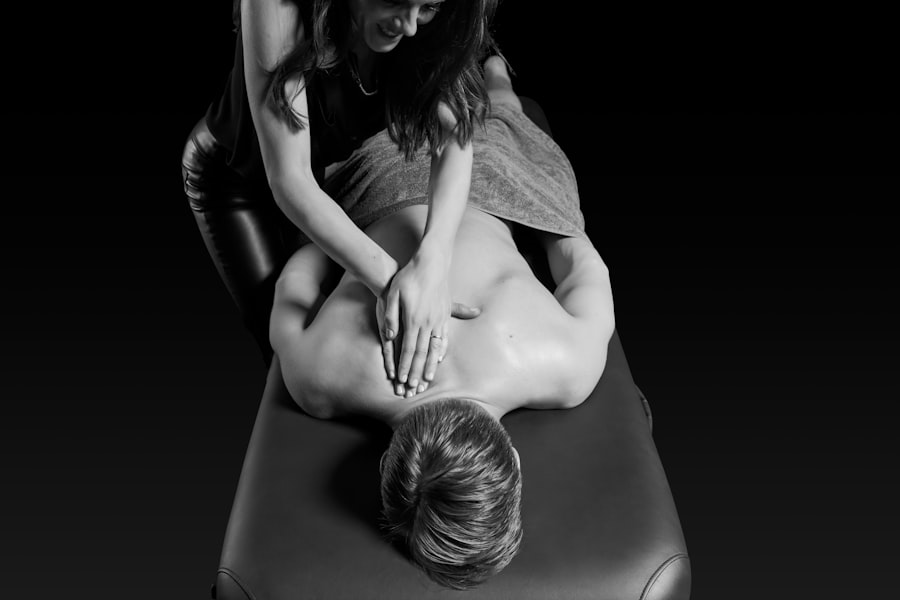
Beyond specific exercises, you can weave practices into your daily life that consistently nurture and strengthen your vagus nerve. These are not fleeting interventions but rather commitments to a lifestyle that prioritizes well-being and resilience, which directly translates into sustained productivity. Think of these as tending to a garden; consistent care leads to robust growth and bountiful yields.
Mindful Movement: Engaging Your Body for Internal Harmony
Physical activity can be a powerful stimulant for the vagus nerve, but the way you move matters. Aim for activities that promote mindful awareness and a sense of gentle exertion rather than overwhelming intensity.
Walking in Nature: The Rhythmic Soothing Effect
Engaging in regular walks, especially in natural environments, has been shown to reduce stress hormones and promote parasympathetic activity. The combination of rhythmic movement, fresh air, and the calming visual stimuli of nature can work synergistically to boost your vagal tone. It’s like a gentle, rhythmic lullaby for your nervous system, sung by the natural world.
Yoga and Tai Chi: Flowing Towards Balance
These mind-body practices emphasize slow, deliberate movements, deep breathing, and conscious awareness. They are excellent for cultivating a strong mind-body connection and directly stimulating the vagus nerve by promoting relaxation and reducing stress. The fluid, controlled nature of these movements is akin to a graceful dance, guiding your nervous system towards a state of elegant balance.
Social Connection and Positive Emotions: The Heartfelt Influence
Your social interactions and emotional landscape have a profound impact on your vagal tone. Genuine connection and positive emotions act as potent allies in your pursuit of productivity.
Laughter: The Joyful Stimulant
Genuine laughter is a powerful vagus nerve activator. It increases heart rate variability, which is a marker of good vagal tone. Make time for activities and people that bring you joy and encourage laughter. It’s like an internal burst of sunshine, warming your nervous system and promoting a sense of ease.
Acts of Kindness and Compassion: The Empathic Resonance
Engaging in acts of kindness and cultivating compassion, both for yourself and others, can significantly boost your vagal tone. These positive social emotions trigger the release of oxytocin, a hormone that promotes bonding and relaxation, and is strongly linked to vagal activity. It’s like extending a warm embrace to your nervous system, fostering a sense of connection and well-being.
Meaningful Conversations: The Deep Exchange
Engaging in deep, meaningful conversations, where you feel truly heard and understood, can also be incredibly beneficial for your vagal tone. The act of genuine social connection, where vulnerability and empathy are present, stimulates the vagal nerve and promotes a sense of safety and belonging. This is like sharing a nourishing meal with a trusted friend, feeding your soul and calming your mind.
Nutrition and Hydration: Fueling Your Internal Engine
What you consume directly impacts the health and functioning of your nervous system. Making conscious dietary choices can support robust vagal tone.
Omega-3 Fatty Acids: The Brain’s Lubricant
These essential fats, found in fatty fish, flaxseeds, and walnuts, are crucial for brain health and play a role in regulating inflammation, which can impact nerve function. Consuming adequate omega-3s can contribute to a more resilient and responsive nervous system. Think of them as the high-quality oil that keeps the complex machinery of your nervous system running smoothly.
Probiotics and Fermented Foods: The Gut-Brain Connection
Your gut microbiome plays a significant role in vagal nerve signaling. Consuming probiotic-rich foods like yogurt, kefir, and sauerkraut can support a healthy gut, which in turn can positively influence your vagal tone and mood. This is like nurturing a thriving ecosystem within your digestive tract, which sends positive signals throughout your entire system.
Hydration: The Essential Current
Adequate hydration is fundamental for all bodily functions, including the proper transmission of nerve signals. Dehydration can lead to fatigue and reduced cognitive function, directly impacting your productivity. Ensure you are drinking enough water throughout the day. Your body is a complex electrical system, and water is the essential medium that allows these signals to flow efficiently.
Measuring and Monitoring Your Progress: Tuning Your Internal Orchestra

While the direct measurement of vagal tone can be complex and require specialized equipment (like heart rate variability monitors), you can learn to recognize the subtle shifts within yourself that indicate improved vagal function. This self-awareness is like becoming a skilled conductor, sensing the nuances of your internal orchestra and making adjustments as needed.
Heart Rate Variability (HRV): The Pulse of Your Resilience
Heart rate variability is the measure of the time variation between successive heartbeats. It is a key indicator of vagal tone. A higher HRV generally signifies a more adaptable and resilient nervous system, better equipped to handle stress and maintain focus.
Using Wearable Technology
Many modern wearable devices, such as smartwatches and fitness trackers, can measure HRV. By consistently tracking your HRV, particularly in conjunction with the vagus nerve exercises you are practicing, you can gain objective insights into your progress. This technology serves as your personal diagnostic tool, providing data-driven feedback on your internal state.
Observing Other Physiological Markers
Even without a device, you can observe other physiological signals that reflect your vagal tone.
Heart Rate and Breathing Patterns
Notice your resting heart rate and breathing rate. As your vagal tone improves, you may find your resting heart rate naturally lowers, and your breathing becomes deeper and more regular. This is like listening to the steady, calm rhythm of a well-tuned instrument.
Skin Temperature and Digestion
Improved vagal tone is often associated with better circulation, leading to warmer extremities. You may also notice improvements in digestive regularity and a reduction in stress-related digestive discomfort. These are like subtle but consistent signals from your body, indicating a shift towards greater balance and efficiency.
Subjective Well-being: The Inner Compass of Productivity
Ultimately, the most important measure of your progress is how you feel and how effectively you are able to engage with your work and life.
Stress Levels and Emotional Regulation
As your vagal tone strengthens, you will likely find yourself becoming more resilient to stress. You may experience fewer moments of overwhelm, a greater capacity to bounce back from setbacks, and improved emotional regulation. This is like building a stronger internal buffer against the unpredictable storms of life.
Focus and Concentration Abilities
The direct goal of these exercises is to enhance your ability to focus and concentrate. You should begin to notice an increased ease in sustained attention, a reduced susceptibility to distractions, and a greater capacity for deep work. It’s like clearing the fog from your mental landscape, allowing for sharper vision and more efficient navigation.
Energy Levels and Productivity
With a well-regulated nervous system, you will likely experience more stable energy levels throughout the day, a reduction in mental fatigue, and an overall increase in your capacity to produce high-quality work. This is the tangible reward of cultivating your internal resources – a sustained flow of energy and a natural incline towards accomplishment.
Engaging in vagus nerve exercises can significantly enhance your productivity by promoting relaxation and reducing stress. For those interested in exploring this topic further, an insightful article discusses various techniques and their benefits in detail. You can read more about it in this informative piece on productivity and wellness. By incorporating these exercises into your daily routine, you may find yourself more focused and energized throughout the day. To learn more, check out this related article that delves deeper into the connection between the vagus nerve and productivity.
Integrating Vagus Nerve Exercises into Your Productivity Toolkit: A Practical Approach
| Exercise | Duration | Frequency | Reported Benefits | Impact on Productivity |
|---|---|---|---|---|
| Deep Diaphragmatic Breathing | 5-10 minutes | Daily | Reduces stress, lowers heart rate | Improves focus and mental clarity |
| Cold Exposure (Face Splash or Cold Shower) | 30 seconds to 2 minutes | 3-5 times per week | Stimulates vagus nerve, increases alertness | Enhances energy and motivation |
| Humming or Chanting | 5 minutes | Daily | Activates vocal cords and vagus nerve | Promotes calmness and reduces anxiety |
| Meditation with Focused Breathing | 10-20 minutes | Daily | Improves parasympathetic tone | Boosts concentration and reduces mental fatigue |
| Yoga and Stretching | 15-30 minutes | 3-4 times per week | Enhances vagal tone and relaxation | Increases productivity through stress reduction |
You don’t need to overhaul your life overnight. The most effective approach to incorporating these exercises is through gradual integration, making them a natural and sustainable part of your daily routine. Think of this not as adding more items to your already overflowing to-do list, but as recalibrating your internal operating system so that your existing tasks become more manageable and less draining.
Starting Small: The Power of Incremental Changes
Begin with one or two exercises that resonate most with you. Perhaps it’s a few minutes of humming in the morning, or a dedicated diaphragmatic breathing exercise before a demanding task. Consistency, even in small doses, is the key to building momentum and allowing your nervous system to adapt. It’s like planting a seed; with consistent watering and sunlight, even a small seed can grow into a mighty tree.
Scheduling Your Vagal Stimulation: Making It a Priority
Just as you schedule important meetings or deadlines, dedicate specific times in your day for vagus nerve exercises. This could be during your commute, your lunch break, or as a wind-down routine in the evening. Treating these practices as non-negotiable appointments sends a powerful message to yourself about their importance. It’s akin to scheduling essential maintenance for a high-performance vehicle; it ensures optimal operation and prevents costly breakdowns.
Combining Exercises for Synergistic Effects
Once you feel comfortable with individual exercises, you can begin to combine them for greater impact. For example, you could follow a short period of diaphragmatic breathing with some gentle humming, or incorporate mindful walking into your day. The synergy of these practices can amplify their collective benefits. This is like creating a well-rehearsed ensemble; when different instruments play in harmony, the music becomes richer and more profound.
Creating a Vagus Nerve-Friendly Environment: Setting the Stage
Your surroundings can significantly influence your nervous system. Make conscious efforts to create an environment that supports calm and focus.
Minimizing Sensory Overload
Reduce exposure to excessive noise, bright lights, and constant digital stimulation. Create quiet spaces for yourself where you can engage in your exercises without distraction. This is like decluttering your physical space to allow for mental clarity.
Incorporating Calming Elements
Surround yourself with elements that promote relaxation: soft lighting, natural plants, calming music, and comfortable seating. These small adjustments can create a sanctuary that aids in your vagus nerve stimulation. It’s like curating a personal retreat, dedicated to your well-being and optimal functioning.
The Long-Term Vision: Sustained Productivity Through Vagal Resilience
By consistently engaging in vagus nerve exercises, you are not just seeking short-term productivity hacks. You are investing in your long-term resilience, your cognitive capacity, and your overall well-being. You are building a robust internal system that allows you to navigate the inevitable challenges of work and life with greater ease, focus, and effectiveness. You are not just managing the symptoms of overwhelm; you are addressing its root cause within your nervous system, empowering yourself to thrive in a demanding world. This is the ultimate productivity boost: the profound ability to not just survive, but to flourish.
FAQs
What is the vagus nerve and how does it affect productivity?
The vagus nerve is a major nerve that runs from the brainstem through the neck and thorax to the abdomen. It plays a key role in regulating the parasympathetic nervous system, which controls rest, digestion, and relaxation. Stimulating the vagus nerve can help reduce stress and improve focus, potentially enhancing productivity.
What are some common vagus nerve exercises to boost productivity?
Common vagus nerve exercises include deep diaphragmatic breathing, humming or chanting, cold exposure (such as splashing cold water on the face), meditation, and gentle neck stretches. These activities can activate the vagus nerve, promoting relaxation and mental clarity.
How often should vagus nerve exercises be performed for best results?
For optimal benefits, vagus nerve exercises can be practiced daily or several times a week. Consistency is important, and even short sessions of 5 to 10 minutes can help improve vagal tone and support productivity over time.
Are there any risks or side effects associated with vagus nerve exercises?
Vagus nerve exercises are generally safe for most people when done correctly. However, individuals with certain medical conditions, such as heart problems or epilepsy, should consult a healthcare professional before starting these exercises to avoid any adverse effects.
Can vagus nerve stimulation improve mental health as well as productivity?
Yes, stimulating the vagus nerve has been shown to help reduce symptoms of anxiety and depression by promoting relaxation and emotional regulation. Improved mental health can contribute to better focus and productivity in daily tasks.