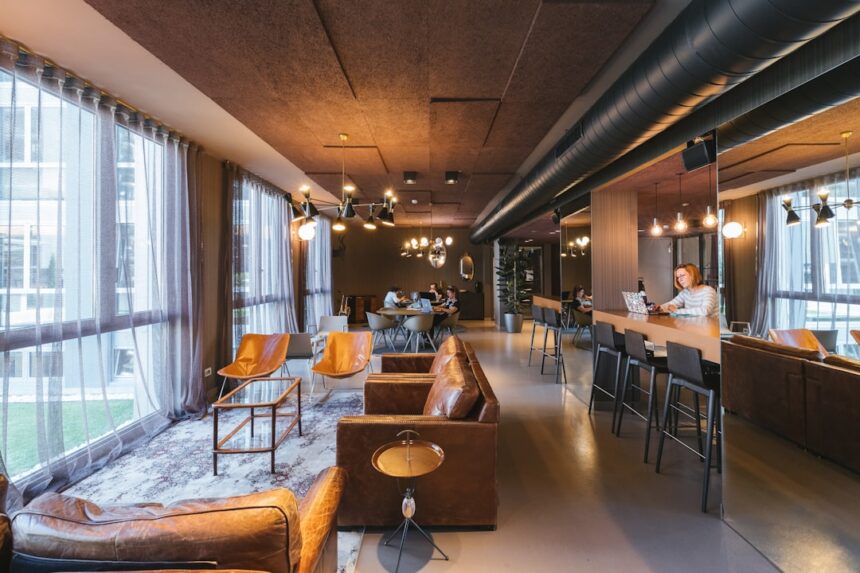
You’ve likely experienced it: the quiet hum of a coworking space. Perhaps you’ve dismissed it as merely a trend, a stylish alternative to the solitary grind of a home office or the sometimes-cacophonous open-plan corporate environment. However, beneath that surface of shared desks and ambient keyboard clicks lies a crucial, often overlooked, function: coworking as a bastion of social safety. This isn’t about forced camaraderie or mandated team-building exercises. It’s about weaving a subtle, yet robust, social fabric that can act as a vital shield against isolation and offer a sense of belonging in an increasingly fragmented world.
The modern professional landscape has undergone a seismic shift. For generations, the workplace served as a primary locus of social interaction. Colleagues became friends, shared lunches fostered conversations beyond project deadlines, and after-work gatherings, however informal, built bonds. These were the “water coolers,” the informal networks that provided not just professional support but also a crucial buffer against loneliness.
The Rise of Remote Work and Its Double-Edged Sword
The advent of widespread remote work, accelerated by technological advancements and global events, has presented a complex dichotomy. On one hand, it offers unparalleled flexibility, autonomy, and freedom from the daily commute. You can design your workday to fit your life, not the other way around. This liberation, however, can come at a cost. The very absence of physical proximity to colleagues can sever those organic social ties. The transition from an office environment where human interaction is a constant, albeit often taken-for-granted, presence to a home office where your primary interactions might be with your screen and the occasional delivery person can be stark.
The Shifting Demographics of the Workforce
Furthermore, demographic shifts in the workforce contribute to this growing need for designated social spaces. As people marry later, have fewer children, or choose not to have children, and as geographic mobility allows individuals to move away from established family and friend networks for career opportunities, the traditional pillars of social support can weaken. The internet, while offering connection, cannot fully replicate the tangible comfort and shared experience of in-person human interaction. You might have hundreds of online connections, but when you need a listening ear or a shared moment of empathy, the digital realm can sometimes feel like a vast, echoing canyon.
The Impact of Digital Overload
The pervasive nature of digital communication, while efficient, can also be overwhelming and, paradoxically, isolating. Navigating a constant stream of emails, messages, and notifications can create a sense of always being “on” but rarely truly connecting. The nuances of in-person communication – body language, tone of voice, shared silences – are often lost in translation, leading to misunderstandings and a feeling of being perpetually misinterpreted. You might feel like you’re shouting into a void, your words carried on digital winds but rarely landing on receptive ears.
Silent Start Coworking has emerged as a vital space for fostering social safety and productivity in shared work environments. For those interested in exploring how coworking spaces can enhance community well-being and support mental health, a related article can be found at Productive Patty. This resource delves into the benefits of creating a peaceful and supportive atmosphere in coworking settings, emphasizing the importance of social safety in promoting collaboration and creativity among diverse individuals.
Coworking as a Deliberate Solution
Coworking spaces, in their essence, are a deliberate counter-response to these societal trends. They are not merely shared offices; they are intentionally designed environments that cultivate a specific type of community. While the primary purpose is often professional productivity, the secondary, and arguably more profound, impact is the provision of a tangible, accessible social support system.
A Third Place Beyond Home and Work
Sociologist Ray Oldenburg coined the term “third place” to describe environments outside of home and work where people can gather, socialize, and build community. Coffee shops, libraries, and community centers are traditional examples. Coworking spaces have emerged as a modern iteration of this concept, specifically tailored to the needs of independent professionals, freelancers, and remote workers who may lack a traditional “place” to belong. You’re not just renting a desk; you’re investing in a physical space where you can organically encounter and interact with others who share a similar professional trajectory.
Fostering Serendipitous Encounters
The layout and design of coworking spaces are typically conducive to fostering serendipitous encounters. The common areas, kitchens, and networking events, however understated, are deliberate architectural and programmatic choices. These are the neutral grounds where accidental conversations can bloom. You might strike up a conversation with someone over the coffee machine about a shared interest in a particular technology, or commiserate with another freelancer about the challenges of client acquisition during a lunch break. These encounters, however brief, chip away at the walls of isolation. It’s like planting seeds in a communal garden; you never know which one will grow into a meaningful connection.
Creating a Sense of Shared Purpose
While individuals in a coworking space are typically pursuing their own independent ventures, there is an underlying thread of shared purpose. Everyone is there to work, to build, to create. This common ground, even without direct collaboration, generates a sense of solidarity. You are part of a collective endeavor, a constellation of individuals striving towards their own goals, but united by the space in which they operate. This shared context can inspire motivation and provide a subtle sense of accountability, knowing you’re not the only one navigating the entrepreneurial labyrinth.
The Architecture of Belonging: Design and Atmosphere

The physical environment of a coworking space plays a significant role in cultivating this sense of social safety. It’s not just about aesthetics; it’s about intentional design choices that encourage interaction and normalize presence.
Open Yet Respectful Layouts
Many coworking spaces feature open-plan layouts that promote visibility and casual interaction, but crucially, they often incorporate quiet zones, private offices, or well-defined work pods. This balance acknowledges the need for focused work while still creating opportunities for spontaneous connection. You can easily spot a colleague needing a brief chat, but you also have sanctuaries of silence to dive deep into your work. It’s a carefully orchestrated ecosystem, designed to cater to diverse needs.
Communal Amenities as Social Hubs
The provision of communal amenities – fully equipped kitchens, comfortable lounge areas, dedicated phone booths, and even recreational spaces – is not merely for convenience. These are the natural gathering points, the loci of informal socialization. The shared act of making coffee, preparing lunch, or simply taking a break in a communal area facilitates casual conversation and helps to break down the perceived barriers between individuals. These spaces are the hearths of the coworking community, drawing people together for brief respites and impromptu exchanges.
The Power of Ambient Noise and Shared Rhythm
The ambient soundscape of a coworking space – the gentle murmur of conversations, the rhythmic tap of keyboards – can be surprisingly comforting. It signals that you are not alone in your effort. This shared sonic environment creates a collective consciousness, a rhythm that many find to be more conducive to focus and productivity than the stark silence of a home office or the unpredictable cacophony of a public cafe. You are part of a symphony of productivity, each instrument playing its own tune, but contributing to a harmonious whole.
Impact on Mental and Emotional Well-being
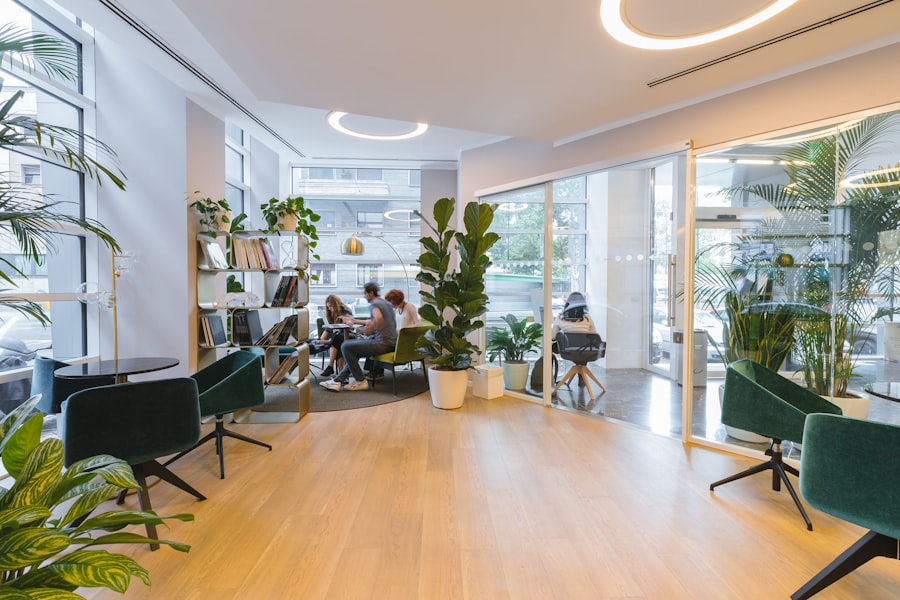
The social safety net woven by coworking spaces has a tangible impact on the mental and emotional well-being of its members, particularly in an era where professional burnout and social isolation are significant concerns.
Mitigating Loneliness and Social Isolation
For individuals who work remotely, freelance, or are new to a city, coworking spaces offer a direct antidote to loneliness. The consistent presence of other humans, the opportunity for casual conversation, and the feeling of being part of a community can significantly reduce feelings of isolation and heighten a sense of belonging. You are no longer the lone wolf howling at the moon; you are part of a pack, even if your journeys are individual.
Providing a Sense of Structure and Routine
The physical act of going to a coworking space can provide a much-needed sense of structure and routine for those whose work lives may otherwise be fluid and unstructured. This predictability can be grounding and contribute to a more balanced lifestyle, combating the tendency to overwork or experience a lack of professional separation from personal life. It’s like drawing a clear boundary in the sand, marking the transition from personal space to professional engagement.
Offering Informal Support Networks
Beyond casual conversation, coworking spaces can foster informal support networks where members share advice, resources, and even emotional support. A freelancer struggling with a particular software can ask for help from someone at the next desk, or a small business owner can find inspiration and encouragement from fellow entrepreneurs. These organic mentorships and peer support groups act as invaluable lifelines, providing practical solutions and emotional resilience. You might discover a hidden gem of expertise, a seasoned mentor who has navigated similar challenges, or simply a sympathetic ear.
Silent Start Coworking is making strides in promoting social safety within shared workspaces, and an insightful article on this topic can be found here. This piece explores how creating a calm and focused environment can enhance productivity while ensuring that individuals feel secure and supported in their work. By prioritizing social safety, Silent Start Coworking not only fosters collaboration but also cultivates a sense of community among its members.
Building Social Capital: The Long-Term Benefits
| Metric | Description | Value | Unit |
|---|---|---|---|
| Average Noise Level | Measured ambient noise during silent start hours | 35 | dB |
| Number of Silent Start Sessions | Weekly sessions dedicated to silent coworking | 5 | Sessions |
| Participant Satisfaction Rate | Percentage of users satisfied with silent start environment | 88 | % |
| Reported Social Safety Incidents | Number of social safety concerns reported during silent start | 1 | Incidents |
| Average Occupancy | Number of users attending silent start sessions on average | 20 | People |
| Duration of Silent Start | Length of silent coworking period each day | 2 | Hours |
The social connections forged within coworking spaces translate into tangible social capital, benefiting individuals both professionally and personally in the long run.
Enhancing Professional Networks and Opportunities
These spaces are fertile ground for professional networking. The casual interactions can lead to collaborations, partnerships, client referrals, and access to new markets. You might be working on a project and realize that someone in the same coworking space has the exact skill set or industry knowledge you need. It’s like discovering a hidden shortcut on a well-trodden path.
Fostering a Sense of Community and Belonging
Ultimately, coworking spaces contribute to a broader sense of community and belonging. In a world that can sometimes feel atomized, these shared environments offer a tangible reminder of human connection and mutual support. This sense of belonging can bolster confidence, reduce stress, and contribute to overall life satisfaction. You are not just an individual worker; you are a thread in a larger tapestry, contributing to something more expansive.
The Evolution of the Workplace as a Social Anchor
As you observe the continued evolution of work, it becomes evident that the traditional office is no longer the sole custodian of professional socialization. Coworking spaces are stepping into this role, offering a vital and adaptable solution for the modern workforce. They are not a panacea for all societal ills, but they represent a significant, practical step towards mitigating the negative impacts of isolation and fostering a more connected, resilient, and ultimately, safer professional and personal existence for you. Your journey in the modern professional landscape doesn’t have to be a solitary expedition; it can be a collaborative exploration, illuminated by the shared light of community.
FAQs
What is Silent Start Coworking?
Silent Start Coworking is a workspace concept designed to promote social safety by minimizing noise and distractions. It encourages a quiet environment where individuals can focus on their work without interruptions, fostering productivity and mental well-being.
How does Silent Start Coworking enhance social safety?
By maintaining a quiet and controlled environment, Silent Start Coworking reduces stress and potential conflicts that can arise from noisy or disruptive settings. This approach supports respectful interactions and helps create a safer, more comfortable space for all users.
Who can benefit from Silent Start Coworking spaces?
Freelancers, remote workers, students, and professionals who require a calm and focused atmosphere can benefit from Silent Start Coworking. It is especially useful for those sensitive to noise or who need to concentrate deeply on tasks.
Are there specific rules to follow in Silent Start Coworking spaces?
Yes, typical rules include maintaining silence or speaking in very low tones, avoiding phone calls or using designated phone booths, and respecting others’ need for quiet. These guidelines help preserve the peaceful environment essential to the concept.
Where are Silent Start Coworking spaces commonly located?
Silent Start Coworking spaces can be found in urban centers, business districts, and educational institutions. They are often part of larger coworking facilities or standalone spaces dedicated to quiet work environments.