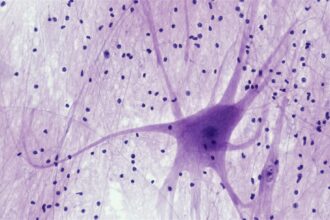
Protecting your nervous system from environmental hazards is a critical aspect of maintaining overall health. Your nervous system, a complex network of nerves and cells, acts as the body’s command center, transmitting signals between your brain and the rest of your body. Shielding this vital infrastructure from harmful influences is paramount to ensuring its optimal function and preventing long-term damage.
The world around you, while offering countless benefits, also harbors substances that can act as silent saboteurs to your nervous system. These are known as neurotoxins, and their presence in our environment is a growing concern. They can infiltrate your body through various pathways, often insidiously, and their effects can range from subtle cognitive changes to severe neurological disorders. Think of your nervous system as a finely tuned orchestra; neurotoxins are like discordant notes that throw the entire symphony off-key, leading to malfunction and distress.
What are Neurotoxins?
Neurotoxins are chemical, physical, or biological agents that have adverse effects on the structure or function of the nervous system. These can be naturally occurring substances, such as certain toxins produced by plants or animals, or they can be synthetic man-made chemicals. The impact of a neurotoxin depends on its specific properties, the dose, the duration of exposure, and your individual susceptibility. Understanding the nature of these agents is the first step in mitigating their threat.
Routes of Exposure
There are several primary ways neurotoxins can enter your body and begin their detrimental work. These pathways are often interconnected, and minimizing exposure through any of them can contribute to safeguarding your nervous system.
Inhalation
The air you breathe is a common conduit for airborne neurotoxins. Volatile organic compounds (VOCs) released from paints, cleaning products, and furnishings can be inhaled, as can fine particulate matter from industrial pollution or vehicle exhaust. These microscopic invaders can bypass your body’s initial defenses and travel directly to your lungs, from where they can enter your bloodstream and reach your brain. Consider your lungs as the filters; when these filters become clogged with harmful particles, the entire system is compromised.
Ingestion
What you eat and drink can also be a significant source of neurotoxic exposure. Pesticides and herbicides contaminate fruits and vegetables. Heavy metals like lead and mercury can leach into food from contaminated water or improperly stored containers. Processed foods may contain artificial additives with potential neurological effects. Contaminated water sources can also introduce harmful substances directly into your system. Every meal, every sip, is an opportunity for either nourishment or unintended harm.
Dermal Absorption
Your skin, while a protective barrier, is not impenetrable. Certain chemicals can be absorbed through the skin upon direct contact. This is particularly relevant with pesticides, industrial solvents, and some personal care products. If your skin acts as the outer wall of a castle, certain toxins can find chinks in the armor and infiltrate the interior.
Common Environmental Neurotoxins
Identifying the most prevalent environmental threats allows for more targeted protective strategies. Awareness is your first line of defense.
Heavy Metals
Lead, mercury, and arsenic are well-established neurotoxins. Lead, once commonly found in paints and gasoline, can accumulate in the body and impair cognitive development in children. Mercury, particularly in its organic form, can damage nerve cells and be found in certain types of seafood. Arsenic contamination in drinking water is a significant global health concern. These metals are like slow-acting poisons, their effects accumulating over time.
Pesticides and Herbicides
Many agricultural chemicals designed to kill pests and weeds can also have detrimental effects on the human nervous system. Organophosphates and carbamates, for instance, are classes of pesticides that can interfere with neurotransmitter function. Long-term or high-level exposure has been linked to neurological problems. These chemicals, while intended for external targets, can have internal consequences.
Volatile Organic Compounds (VOCs)
These carbon-containing chemicals are widely used in household products, building materials, and solvents. They readily evaporate into the air, leading to indoor air pollution. Exposure to VOCs can cause headaches, dizziness, and difficulty concentrating, and some have been linked to more serious neurological issues with chronic exposure. Think of VOCs as invisible fumes that fog your mental landscape.
Endocrine Disrupting Chemicals (EDCs)
While often discussed in the context of hormonal disruption, EDCs can also impact the nervous system, particularly during critical developmental periods. Chemicals like phthalates, BPA, and certain flame retardants can interfere with hormone signaling, which in turn can influence neurodevelopment and function. These chemicals act like gatekeepers, misdirecting signals within your body.
Maintaining environmental safety is crucial not only for the planet but also for our nervous system health. A related article discusses the impact of environmental toxins on neurological functions and offers insights into how to mitigate these risks. For more information on this important topic, you can read the article here: Environmental Safety and Nervous System Health.
Creating a Neuro-Safe Home Environment
Your home should be a sanctuary, a place where you can unwind and recharge, not a source of ongoing environmental assault on your nervous system. By making conscious choices about the products you use and the way you maintain your living space, you can significantly reduce your exposure to harmful neurotoxins. Think of your home as the headquarters of your nervous system; you want to ensure its defenses are strong.
Improving Indoor Air Quality
The air within your home can be far more polluted than the air outside due to the concentration of everyday products. Addressing indoor air quality is a cornerstone of environmental neuroprotection.
Ventilation is Key
Regularly opening windows and doors, even for short periods, can dramatically improve air circulation and reduce the buildup of indoor pollutants. Mechanical ventilation systems, such as exhaust fans in kitchens and bathrooms, are also crucial for removing moisture and airborne contaminants. Stale air can become a breeding ground for unseen threats.
Choosing Low-VOC Products
When purchasing paints, varnishes, adhesives, cleaning supplies, and personal care products, opt for those labeled as “low-VOC” or “zero-VOC.” This simple choice can make a substantial difference in the quality of the air you breathe indoors. Read labels carefully, as you would scrutinize a contract for hidden clauses.
Natural Air Fresheners and Cleaning Agents
Artificial fragrances in air fresheners and many cleaning products can release harmful VOCs. Instead, consider using natural alternatives like essential oils (used sparingly and with caution, as some can be irritants), baking soda, and vinegar for cleaning and deodorizing. Embrace the power of natural remedies.
Air Purifiers
High-efficiency particulate air (HEPA) filters in air purifiers can effectively remove particulate matter, allergens, and some airborne chemicals. For homes with individuals sensitive to airborne irritants, an air purifier can be a valuable addition. These are like sophisticated guards at the gate, filtering out unwanted intruders.
Minimizing Chemical Exposure in Everyday Products
Many items you use daily can contain neurotoxic ingredients. Diligent product selection can create a buffer.
Safer Cleaning Supplies
Many conventional cleaning products contain harsh chemicals that can be inhaled or absorbed through the skin. Look for plant-based, biodegradable, or eco-friendly cleaning alternatives. As mentioned, vinegar and baking soda are powerful and safe choices for many cleaning tasks. Your cleaning routine shouldn’t create an invisible haze of toxins.
Non-Toxic Personal Care Products
Shampoos, soaps, lotions, and cosmetics can contain parabens, phthalates, and other chemicals that may have neurotoxic potential. Seek out products with simpler ingredient lists, free from synthetic fragrances and known endocrine disruptors. Your personal grooming should not be a cocktail of harmful chemicals.
Conscious Toy Selection for Children
Children are particularly vulnerable to neurotoxins due to their developing nervous systems and their tendency to put objects in their mouths. Choose toys made from natural materials like wood or organic cotton, and ensure they are free from BPA, phthalates, and lead paint. Protect the developing minds of the future.
Avoiding Flame Retardants
Flame retardants are added to furniture, electronics, and textiles to reduce flammability, but many have been linked to neurodevelopmental problems. Look for furniture and upholstery made with natural fibers or those certified as free from harmful flame retardants. These chemicals are like hidden landmines embedded in everyday objects.
Safe Practices for Food and Water

The nourishment you consume is fundamental to your well-being, but it can also be a vector for neurotoxic exposure. Adopting safe food and water practices is essential for protecting your nervous system. Every bite and every sip is an elemental building block of your health.
Reducing Pesticide Exposure in Produce
Pesticides on fruits and vegetables are a significant concern. Taking a few extra steps can significantly reduce your intake.
Washing Produce Thoroughly
Always wash all fruits and vegetables under running water before eating them, even if you plan to peel them. A gentle scrub with a vegetable brush can help remove surface contaminants. This is your first line of defense, a simple but effective rinsing away of potential harm.
Choosing Organic When Possible
When your budget allows, opt for organic produce. Organic farming practices prohibit the use of synthetic pesticides and herbicides, significantly reducing your exposure to these neurotoxins. Think of organic as choosing a pristine, untouched landscape.
Peeling Certain Produce
For certain fruits and vegetables with thicker skins that are known to absorb more pesticides (like apples and potatoes), peeling them after washing can further reduce exposure. However, remember that many nutrients are found in or just beneath the skin, so this is a strategic decision.
Selecting Safe Seafood
Certain types of seafood can contain high levels of mercury, a potent neurotoxin.
Mercury Levels in Fish
Be aware of fish with high mercury content, such as shark, swordfish, king mackerel, and tilefish. Opt for fish that are lower in mercury, like salmon, shrimp, canned light tuna, cod, and tilapia. This is akin to navigating a minefield; some areas are safer than others.
Consider the Source of Your Seafood
When possible, choose seafood from reputable sources that adhere to sustainable fishing practices and have lower mercury contamination levels. Local and fresh can sometimes offer more transparency.
Ensuring Safe Drinking Water
Contaminated water can be a direct route for neurotoxic metals like lead and arsenic.
Testing Your Water
If you have older plumbing, particularly if lead pipes are present, it is advisable to test your drinking water for lead. For areas with known arsenic contamination, using appropriate water filters is crucial. Knowledge of your water’s purity is essential.
Using Water Filters
Investing in a certified water filter that specifically targets heavy metals can significantly improve the safety of your drinking water. Look for filters certified by third-party organizations to ensure their effectiveness. These filters are like an additional layer of protection for your internal plumbing.
Avoiding Plastic Water Bottles
Many plastic water bottles can leach chemicals, including BPA and phthalates, into the water, especially when exposed to heat. Opt for reusable glass or stainless steel water bottles. Reusable is not just eco-friendly, but also neuro-protective.
Protecting Yourself in the Wider Environment

While your home is a primary focus, your interactions with the external world also necessitate environmental safety precautions for your nervous system. Life often takes you beyond your doorstep.
Navigating Outdoor Air Pollutants
Exposure to air pollution in urban or industrial areas can have significant neurological consequences.
Checking Air Quality Alerts
Stay informed about local air quality reports. On days with high pollution levels, reduce strenuous outdoor activities and, if possible, limit time spent in heavily trafficked areas. Being informed allows you to make prudent decisions.
Using Personal Air Filtration Devices (When Appropriate)
For individuals with extreme sensitivities or living in highly polluted areas, personal air filtration masks might be considered for certain outdoor activities, though their long-term effectiveness and practicality require careful evaluation. This is for extreme circumstances, like donning protective gear for a hazardous expedition.
Modifying Commuting Habits
If your commute involves heavy traffic, consider alternative transportation methods like cycling or public transport when feasible, or explore routes that minimize exposure to exhaust fumes. Every mile traveled can be an opportunity for either exposure or avoidance.
Awareness of Environmental Exposures at Work and School
Many workplaces and educational institutions can present unique environmental challenges.
Discussing Workplace Safety
If your job involves exposure to chemicals or potential neurotoxins, understand your employer’s safety protocols and ventilation measures. Do not hesitate to raise concerns about potential risks. Advocate for a safe working environment, as your brain is your primary tool on the job.
Encouraging Healthy Indoor Environments in Schools
Advocate for policies that promote good indoor air quality, the use of non-toxic cleaning supplies, and reduced pesticide use in schools. The developing brains of children are particularly susceptible to environmental harm. Schools should be incubators of knowledge, not havens for toxins.
Maintaining environmental safety is crucial not only for the planet but also for our nervous system health. Exposure to pollutants and toxins can have detrimental effects on neurological functions, making it essential to stay informed about how our surroundings impact our well-being. For further insights on this topic, you can explore a related article that discusses the connection between environmental factors and nervous system health. To read more, visit this informative resource.
Lifestyle Choices for Nervous System Resilience
| Environmental Factor | Impact on Nervous System | Recommended Safety Limits | Measurement Units | Preventive Measures |
|---|---|---|---|---|
| Lead Exposure | Neurotoxicity, cognitive decline, developmental delays | Blood lead level < 5 µg/dL (CDC guideline) | Micrograms per deciliter (µg/dL) | Remove lead-based paints, use water filters, avoid contaminated soil |
| Airborne Particulate Matter (PM2.5) | Increased risk of neuroinflammation and neurodegenerative diseases | Annual mean < 12 µg/m³ (EPA standard) | Micrograms per cubic meter (µg/m³) | Use air purifiers, reduce outdoor pollution exposure, wear masks |
| Organophosphate Pesticides | Disruption of neurotransmission, cognitive impairment | Occupational exposure limit: 0.1 mg/m³ (OSHA) | Milligrams per cubic meter (mg/m³) | Use protective equipment, limit pesticide use, wash produce thoroughly |
| Mercury Exposure | Neurodevelopmental deficits, tremors, memory loss | Blood mercury level < 5 µg/L (EPA reference dose) | Micrograms per liter (µg/L) | Avoid high-mercury fish, proper disposal of mercury-containing products |
| Noise Pollution | Stress, cognitive impairment, hearing loss affecting neural pathways | Average noise level < 70 dB (WHO guideline) | Decibels (dB) | Use ear protection, soundproofing, limit exposure duration |
Beyond direct avoidance of toxins, cultivating lifestyle habits that bolster your nervous system’s natural resilience is a powerful strategy. Your nervous system is not just a passive recipient of harm; it possesses an inherent capacity for repair and adaptation.
Nourishing Your Brain with a Healthy Diet
A diet rich in antioxidants, omega-3 fatty acids, and essential vitamins and minerals supports overall brain health and can help protect against neurotoxic damage.
Antioxidant-Rich Foods
Berries, dark leafy greens, nuts, and seeds are packed with antioxidants that combat oxidative stress, a process that can damage nerve cells. These are like the repair crews that maintain the intricate circuitry of your nervous system.
Omega-3 Fatty Acids
Found in fatty fish, flaxseeds, and walnuts, omega-3s are crucial for brain function and have anti-inflammatory properties. They are the lubricants that keep the gears of your nervous system turning smoothly.
Prioritizing Sleep and Stress Management
Chronic stress and sleep deprivation can compromise your nervous system’s ability to repair and regenerate.
Adequate Sleep
Aim for 7-9 hours of quality sleep per night. During sleep, your brain undertakes vital maintenance and consolidation processes. Sleep is the nightly renovation crew for your brain.
Stress Reduction Techniques
Practicing mindfulness, meditation, yoga, or engaging in enjoyable hobbies can significantly reduce stress levels, thereby protecting your nervous system from its damaging effects. Managing stress is like reinforcing the protective barriers around your neural network.
Regular Physical Activity
Exercise not only benefits your body but also your brain, promoting blood flow and the production of neurotrophic factors that support nerve cell growth and survival. Physical activity is the vital circulation that keeps your brain nourished and energized.
Staying Hydrated
Dehydration can impair cognitive function and nerve signaling. Ensure you are drinking enough water throughout the day. Water is the essential medium for all your body’s chemical processes, including those of the nervous system.
By embracing these environmental safety tips, you are not just avoiding harm; you are actively building a more robust and resilient nervous system, empowering it to function at its peak and navigate the complexities of the modern world with greater vitality and clarity.
FAQs
What environmental factors can negatively impact nervous system health?
Exposure to heavy metals like lead and mercury, air pollution, pesticides, and certain industrial chemicals can harm the nervous system. These toxins may cause neurological disorders, cognitive decline, and developmental issues.
How does air pollution affect the nervous system?
Air pollution contains fine particulate matter and toxic gases that can enter the bloodstream and reach the brain, leading to inflammation, oxidative stress, and increased risk of neurodegenerative diseases such as Alzheimer’s and Parkinson’s.
What measures can be taken to protect nervous system health from environmental hazards?
Reducing exposure to pollutants by using air purifiers, avoiding areas with heavy traffic, consuming organic foods to limit pesticide intake, and following safety guidelines when handling chemicals can help protect nervous system health.
Are children more vulnerable to environmental toxins affecting the nervous system?
Yes, children’s nervous systems are still developing, making them more susceptible to damage from environmental toxins. Early exposure can lead to long-term cognitive and behavioral problems.
Can lifestyle choices mitigate the impact of environmental toxins on the nervous system?
Healthy lifestyle choices such as a balanced diet rich in antioxidants, regular exercise, adequate sleep, and stress management can support nervous system resilience and help counteract some effects of environmental toxins.