You’re probably reading this on a device that responds to your touch. Your phone, your tablet, perhaps even your laptop. You tap, you swipe, you pinch, you zoom. These are the fundamental gestures that have become an intrinsic part of your digital interaction. But are you truly leveraging the full potential of these simple movements? Are you using them as efficiently as you could be? This article aims to delve into the nuanced world of gesture shortcuts, specifically focusing on how you can enhance your productivity by adopting and optimizing them. It’s not about magic bullets or revolutionary new techniques; it’s about refining the existing tools at your disposal to work smarter, not harder.
Before we can explore advanced applications, it’s crucial to revisit the bedrock of touch-based interaction. You likely perform these gestures hundreds, if not thousands, of times a day without conscious thought. However, by becoming more deliberate in their execution and understanding their underlying purpose, you can unlock surprising efficiencies.
The Tap: More Than Just a Selection
The humble tap is your primary method for selecting items, launching applications, and activating buttons.
Precision Tapping
Are you consistently hitting the target? A slight tremor, a misjudged finger position, or a screen protector can lead to accidental selections or missed targets. Practice a more precise tap, focusing on where your fingertip makes contact. This reduces the need for back-tracking and corrects mistaken actions.
Double-Tapping for Control
Double-tapping is often used for zooming in on maps or web pages. However, its application extends beyond that. In many note-taking apps, a double-tap can quickly enter edit mode, saving you the extra swipe and tap. In certain file explorers, it might initiate a quick preview.
The Swipe: Navigating with Flow
Swiping is your primary tool for moving through content, lists, and menus.
Horizontal Swipes for Progression
Swiping left or right is ubiquitous for page-turning in e-books, browsing photo galleries, or moving between tabs in a web browser. Are you efficiently swiping through your content? A smooth, continuous swipe is faster than repeated small taps.
Vertical Swipes for Scrolling
Scrolling down long articles, home feeds, or search results is a constant activity.
Momentum Scrolling
Most modern interfaces utilize momentum scrolling. This means a gentle flick sends the content gliding, and a further flick increases the speed. Consciously practice using this to your advantage. Instead of continuously dragging your finger, a well-timed flick can get you to the bottom of a long page much faster than a slow, deliberate drag. Observe how much force is needed to get the desired distance and speed.
Edge Scrolling
In some applications, swiping from the very edge of the screen—either left or right—can trigger specific actions, such as going back to the previous screen or opening a side menu. Become familiar with these edge-swipe functionalities to navigate complex applications more intuitively.
The Pinch and Zoom: Contextual Power
Pinching to zoom out and spreading to zoom in are essential for adjusting your view.
Targeted Zooming
Beyond simply enlarging content, strategically pinching and zooming can reveal details that are otherwise obscured or too small to interact with effectively. When looking at a document, zoom in to precisely select text for copying or editing. When examining a map, zoom in to pinpoint specific locations or public transport stops.
Zooming for Readability
For those who find small text challenging, consistently using the zoom gesture to achieve a comfortable reading size isn’t just a convenience; it’s a productivity enhancer. Reduced eye strain leads to longer periods of focused work.
One effective way to enhance your digital productivity is by utilizing gesture shortcuts, which can significantly streamline your workflow. For more insights on this topic, you can check out a related article that delves into various techniques and tools designed to optimize your efficiency. To learn more, visit Productive Patty for valuable tips and resources.
Beyond the Basics: Advanced Gesture Shortcuts for Deeper Efficiency
Once you have a firm grasp on the fundamental gestures, you can begin to explore how they can be combined and utilized in more sophisticated ways to streamline your workflow. This is where the true productivity gains lie.
The Long Press: Revealing Hidden Actions
A long press, also known as a press-and-hold, is a powerful gesture that reveals context-sensitive menus and shortcuts.
Contextual Menus in Action
This is perhaps the most underutilized advanced gesture. A long press on an app icon on your home screen often brings up a quick actions menu. For example, long-pressing your camera app might give you options to take a selfie or record a video. Long-pressing a link in an email could bring up options to open it in a browser, save it to read later, or copy the URL.
Text Selection and Manipulation
Long-pressing a word in a text document or web page typically initiates text selection.
Word Selection and Beyond
Once you’ve long-pressed to select a word, you’ll often see handles that allow you to expand the selection to include surrounding words, sentences, or entire paragraphs. Mastering this drag-and-drop functionality of the selection handles is crucial for efficient copy-pasting and editing.
Quick Actions on Selected Text
After selecting text, a small menu often appears above or below the selection, offering quick actions like “Copy,” “Cut,” “Paste,” and “Share.” Being able to quickly grab the text you need without needing to navigate through multiple menus significantly speeds up tasks.
Multi-Touch Gestures: Sophistication in Simplicity
Gestures involving more than one finger are designed for more complex commands and navigation.
Three-Finger Swipes for Task Management
On many operating systems and devices, three-finger swipes are assigned to powerful task management actions.
Multitasking Views
A common three-finger swipe up or down can reveal your open applications, allowing you to quickly switch between them. This is far faster than repeatedly tapping the home button or a dedicated multitasking button.
App Switching Shortcuts
Some systems assign three-finger swipes left or right to quickly cycle through your recently used applications. This can be a significant time-saver when you’re working with multiple programs simultaneously.
Two-Finger Gestures for Specific Functions
While pinch-to-zoom is the most common two-finger gesture, others exist and can be mapped to useful functions.
App-Specific Two-Finger Swipes
Certain applications might have their own unique two-finger gestures. For instance, a creative app might use a two-finger tap to undo an action or a two-finger swipe inward to zoom out of a canvas. Explore the settings of your frequently used apps to discover these hidden gems.
Customizing Your Workflow: Tailoring Gestures to Your Needs
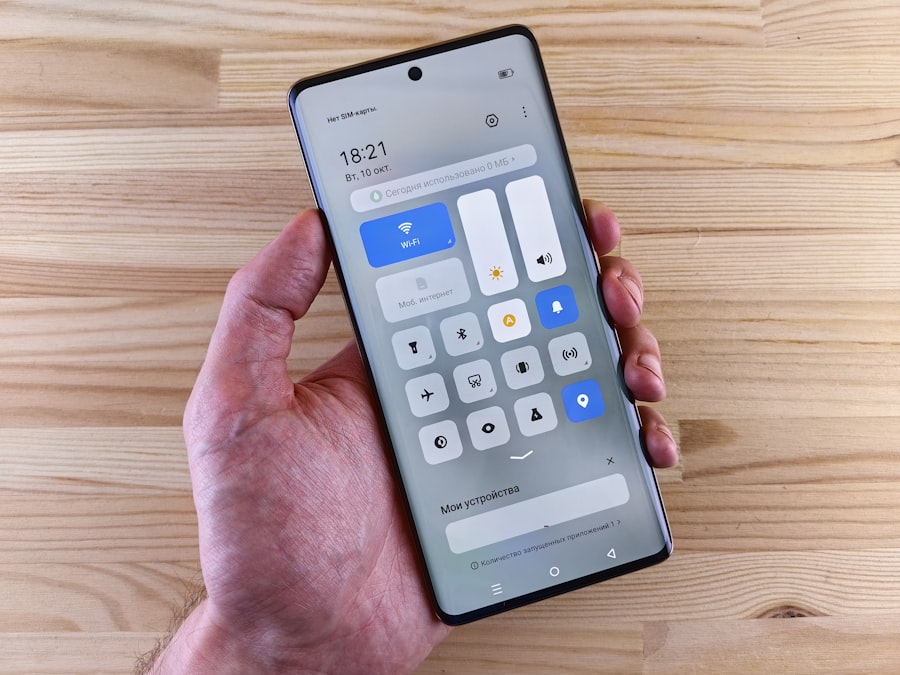
The beauty of modern operating systems and many applications is their flexibility. You’re not necessarily bound by the default gesture assignments. By taking the time to explore and customize, you can create a gesture-based workflow that perfectly suits your individual habits and priorities.
Operating System Level Customization
Your phone’s or tablet’s operating system likely offers a degree of control over gesture shortcuts.
Navigation Gestures
Many mobile devices now offer gesture-based navigation as an alternative to traditional on-screen buttons.
Swiping to Go Back/Home
The common “swipe from the left edge to go back” and “swipe up from the bottom to go home” gestures can be incredibly efficient once you’re accustomed to them. They free up screen real estate and reduce the need for precise button taps.
App Switching via Swipe
As mentioned earlier, some systems allow you to swipe horizontally along the bottom of the screen to quickly switch between recent apps. This is a very fluid and fast way to manage your open programs.
Accessibility Settings for Refined Control
Accessibility settings, often overlooked by users without specific needs, can provide remarkable control over gesture sensitivity and behavior.
Adjusting Gesture Speed and Sensitivity
If you find certain gestures too fast or too slow, or if your device is overly sensitive to accidental touches, you can often adjust these settings. This can make gestures more reliable and less prone to unintended actions.
Disabling or Reassigning Gestures
While less common, some advanced users might want to disable gestures that conflict with their workflow or reassign them to different functions. This requires a deeper dive into system settings.
Application-Specific Customization
Beyond the operating system, individual applications often allow for personalized gesture mapping.
Exploring App Settings for Gesture Options
Make it a habit to explore the settings menu of your most frequently used apps. Look for sections dedicated to “Gestures,” “Controls,” “Shortcuts,” or “Preferences.”
Mapping Gestures to Frequent Actions
If an app has a particular function you perform repeatedly, investigate if you can assign a gesture to it. For example, if you frequently switch between different layers in an editing app, see if you can map a specific swipe to this action.
Practicing and Integrating: Making Gestures Second Nature

The most effective gesture shortcuts are those that become so ingrained, you perform them without conscious thought. This requires deliberate practice and a strategic approach to integration.
Deliberate Practice of New Gestures
It’s not enough to know a gesture exists; you need to actively practice it.
Dedicated Practice Sessions
Set aside a few minutes each day to specifically focus on a gesture you want to master. For example, spend five minutes solely practicing three-finger swipes to switch between apps or five minutes focusing on precise long presses to access contextual menus.
Targeted Application Focus
Choose one or two applications you use extensively and focus on implementing gesture shortcuts within them. This concentrated effort will yield faster results than trying to learn everything at once across all your devices and apps.
Gradual Integration into Daily Workflow
Don’t try to overhaul your entire interaction style overnight. A gradual approach is more sustainable and effective.
Identify One or Two Key Gestures to Start
Begin with a gesture that promises the most immediate benefit to your daily tasks. If you frequently switch between apps, focus on mastering the app-switching swipe. If you often copy and paste text, focus on refining your long-press and text selection techniques.
Reinforce with Repetition
The more you use a gesture, the more natural it will become. Consciously employ the new gesture whenever the opportunity arises. Don’t revert to your old habits, even if it feels slightly slower initially. Persistence is key.
Observing and Adapting
Your interaction habits will evolve. Be open to refining your approach as you become more proficient.
Reflecting on Your Usage
Periodically, take a moment to consider how you’re using your device. Are there tasks that still feel clunky or time-consuming? Could a different gesture shortcut address this inefficiency?
Exploring New Possibilities
As you become comfortable with existing gesture shortcuts, research new ones. What gestures are available on your specific device or in the apps you use that you haven’t explored yet? This continuous learning can lead to further productivity boosts.
One effective way to enhance your digital productivity is by utilizing gesture shortcuts, which can significantly streamline your workflow. For a deeper understanding of how these shortcuts can transform your daily tasks, you might find this article on productivity tips particularly helpful. It explores various techniques to optimize your efficiency, including the use of gesture shortcuts. You can read more about it here.
The Long-Term Benefits: Sustaining Productivity Through Gestural Mastery
| Gesture | Action |
|---|---|
| Swipe up with three fingers | Show all open windows |
| Pinch with three fingers | Zoom in or out |
| Swipe left or right with three fingers | Switch between full-screen apps |
| Double tap with two fingers | Zoom in or out |
Mastering gesture shortcuts is not a one-time endeavor; it’s an ongoing process that yields compounding returns on your time and effort. By investing in this skill, you’re not just looking for a quick fix; you’re building a foundation for sustained efficiency.
Reduced Cognitive Load
When gestures become intuitive, your brain doesn’t have to actively “think” about how to perform an action. This frees up mental resources that can be dedicated to the actual task at hand. Imagine trying to drive a car while constantly having to remember how to operate the steering wheel or pedals. Gesture shortcuts allow you to “drive” your digital world with similar fluidity.
Increased Speed and Efficiency
This is the most direct benefit. Every second saved by a faster interaction is a second gained. Over the course of a day, a week, or a month, these saved seconds accumulate into significant chunks of time, allowing you to accomplish more, meet deadlines with less stress, or simply have more leisure time.
A More Seamless and Enjoyable Digital Experience
When your interactions with your devices feel fluid and effortless, the overall user experience is significantly enhanced. It transforms the mundane act of using technology into something more akin to a natural extension of your own actions, reducing frustration and increasing satisfaction.
Empowering Adaptation to New Technologies
As technology continues to evolve, gesture-based interfaces are becoming increasingly prevalent. By honing your skills with current gesture shortcuts, you’re better equipped to adapt to new devices and platforms that rely even more heavily on intuitive touch-based interactions. You’ll be ahead of the curve, not behind it.
Ultimately, boosting your productivity with gesture shortcuts is about working smarter, not just harder. It’s about recognizing the inherent power within the simple touch controls you already use and deliberately honing them to serve your specific needs. So, start experimenting, start practicing, and discover how these subtle movements can lead to significant gains in your daily digital life.
FAQs
What are one gesture shortcuts for digital productivity?
One gesture shortcuts for digital productivity are quick and efficient ways to perform tasks on digital devices using a single gesture or motion, such as a swipe, tap, or pinch.
How can one gesture shortcuts improve digital productivity?
One gesture shortcuts can improve digital productivity by saving time and reducing the number of steps required to complete tasks. They can streamline workflows and make it easier to navigate and interact with digital devices.
What are some examples of one gesture shortcuts for digital productivity?
Examples of one gesture shortcuts for digital productivity include using a three-finger swipe to switch between open applications, tapping with two fingers to open a new tab in a web browser, and pinching to zoom in and out on a touchscreen device.
Are one gesture shortcuts available on all digital devices?
One gesture shortcuts may vary depending on the type of digital device and the operating system it uses. While many devices offer built-in gestures for common tasks, some may require additional software or customization to enable one gesture shortcuts.
How can I learn and use one gesture shortcuts for digital productivity?
You can learn and use one gesture shortcuts for digital productivity by exploring the settings and options on your digital device, consulting user manuals or online resources, and practicing the gestures to become more proficient.