
You’ve heard the phrase before: “Safety first.” It’s a common enough sentiment, a sort of corporate mantra that echoes through training sessions and posters tacked to breakroom walls. But when you strip away the often-ceremonial pronouncements, what does it truly mean? You might realize that for many, “safety first” has become a passive phrase, a platitude that doesn’t necessarily translate into rigorous action. It’s time to reframe this understanding. You need to shift your perspective from “safety first” as an aspirational goal to “safety as the minimum standard.” This is not about striving for exceptional safety; it’s about establishing a baseline of acceptable risk that is non-negotiable. It’s about building a foundation so solid that anything less is simply unacceptable.
You’ve witnessed it, haven’t you? The subtle, sometimes not-so-subtle, ways in which safety gets sidelined. It’s the rushed deadline that leads to corners being cut, the budget constraint that delays necessary equipment upgrades, or the “it’s always been done this way” mentality that resists procedural improvements. These are not isolated incidents. They are symptoms of a deeper issue: the dilution of what “safety first” actually means in practice.
The Passive Application of Safety Protocols
Consider your own workplace. You likely have a safety manual, a set of procedures designed to govern your actions and mitigate potential hazards. Yet, how often are these protocols viewed as mere suggestions, to be followed when convenient, or when a supervisor is present? You might find yourself explaining the same safety points repeatedly, only to see them ignored. This passive application is not a failure of the protocols themselves, but a failure to imbue them with genuine significance.
- The “Checklist” Mentality: You might be familiar with the tendency to treat safety as a series of boxes to be ticked. A pre-work safety inspection becomes a hurried glance, a safety briefing a perfunctory announcement. The focus shifts from understanding the inherent risks and the rationale behind the procedures to simply completing the required tasks. You’re going through the motions, not actively engaging with the critical thinking that safety demands.
- The “It Won’t Happen to Me” Syndrome: This pervasive mindset, though often unspoken, significantly undermines safety efforts. You might attribute unavoidable risks to bad luck or external factors, rather than acknowledging the role of preventative measures. When you believe you are somehow immune to the consequences of unsafe practices, the impetus to adhere to strict safety standards diminishes.
- Conflicting Priorities: You understand that business objectives, efficiency, and productivity are important. However, when these are consistently prioritized over safety, the message you receive is clear: safety is secondary. This can manifest in tight schedules that discourage thorough safety checks or pressure to complete tasks quickly, even if it means bypassing safety protocols.
The Illusion of Proactive Safety
Many organizations believe they are proactive in their safety approach. They invest in training, implement new technologies, and conduct audits. However, activity does not always equate to effectiveness. You can be busy doing safety without actually achieving it. The distinction lies in the ingrained culture and the tangible impact on risk reduction.
- Information Overload Without Integration: You might attend numerous safety seminars and receive a deluge of information. But if this information isn’t integrated into your daily operations and decision-making processes, it remains abstract. You might know the statistics, but you don’t feel the weight of responsibility to apply that knowledge in real-time.
- Reactive Measures Masked as Proactive: When incidents do occur, the response is often to implement a new rule, a new form, or a new meeting. While these can be valuable, they are inherently reactive. Labeling these adjustments as “proactive” creates a false sense of security, suggesting that problems are solved before they arise, when in reality, you are simply responding to what has already happened.
- The Performance vs. Safety Dilemma: You may have experienced the pressure to meet performance targets that seem to implicitly encourage risk-taking. When your performance is evaluated based on speed or output, and there’s no equivalent evaluation of your safety performance, the incentive is to prioritize the measurable metric. This creates a disconnect where you are rewarded for potentially unsafe actions.
In the pursuit of enhancing workplace safety, it’s essential to view safety as a foundational element rather than a limit. A related article that explores this concept in depth is available at Productive Patty, where the author discusses strategies for fostering a culture of continuous improvement in safety practices. By making safety a floor, not a ceiling, organizations can ensure that they are not only meeting minimum standards but are also striving for excellence in protecting their employees and creating a safer work environment.
Establishing Safety as the Minimum Standard
Making safety the minimum standard isn’t about reinventing the wheel; it’s about fundamentally re-evaluating the weight you give to safety in your daily operations. It’s about shifting from a realm of aspiration to a realm of expectation. This means moving beyond the “nice to have” and embedding safety as a non-negotiable prerequisite for all activities.
Redefining Expectations and Accountability
The core of establishing safety as a minimum standard lies in clearly defining what is expected and holding individuals accountable when those expectations are not met. This requires a decisive departure from tolerance for anything less than the established safety requirements.
- Zero Tolerance for Unsafe Acts: You must cultivate an environment where any deviation from safety protocols, no matter how minor, is addressed. This doesn’t mean punitive action for every infraction, but rather consistent and meaningful intervention. The message needs to be unambiguous: unsafe actions have consequences.
- Clear Lines of Responsibility: You need to understand who is responsible for what, from the frontline worker to senior leadership. Accountability must be clearly defined and consistently applied. If an incident occurs, the question isn’t just “what happened?” but “who was responsible for ensuring safety in this instance?”
- Performance Metrics Beyond Productivity: You must evaluate performance not solely on output, but also on adherence to safety standards. This means incorporating safety into performance reviews and recognizing individuals and teams for their commitment to safe practices. You need to demonstrate that safety is as important as the bottom line.
Embedding Safety in Decision-Making
Safety cannot be an afterthought; it must be an integral component of every decision you make, from strategic planning to the minutiae of daily tasks. This requires a conscious effort to incorporate safety considerations into the very fabric of your operational processes.
- Pre-Task Planning as Non-Negotiable: Before you begin any task, you must thoroughly assess potential hazards and implement appropriate control measures. This isn’t a formality to be rushed through; it’s a critical step that requires focused attention. You need to ask: what can go wrong, and what am I doing to prevent it?
- Risk Assessment as a Continuous Process: You should not view risk assessment as a one-time event. It needs to be a dynamic and ongoing process, revisited and updated as circumstances change. You need to be constantly scanning your environment for emerging risks and adapting your safety measures accordingly.
- Inclusion of Safety in Project Approvals: Any new project or initiative should be subject to a rigorous safety review before approval. This ensures that safety is considered from the outset, rather than being retrofitted into existing plans. You need to ask if the potential benefits outweigh the inherent risks, and if those risks can be effectively managed.
The Role of Leadership in Establishing Standards

Leadership plays a pivotal role in shaping the safety culture within any organization. Without genuine commitment and visible action from those in positions of authority, any attempt to elevate safety will fall short. You need to see safety championed from the top, not just in pronouncements, but in daily practice.
Leading by Example
Your leadership team must embody the safety standards they expect from others. This means actively participating in safety initiatives, demonstrating safe work practices, and prioritizing safety in their own decision-making.
- Visible Safety Engagement: You need to see your leaders on the floor, observing work practices, engaging with employees about safety concerns, and participating in safety meetings. Their presence reinforces the message that safety is a priority.
- Prioritizing Safety Over Expediency: When faced with a conflict between safety and expediency, leaders must consistently choose safety. This demonstrates a commitment that resonates throughout the organization. You need to be assured that their decisions align with the stated safety values.
- Open Communication Channels: Leaders must foster an environment where employees feel comfortable raising safety concerns without fear of reprisal. This involves actively listening to feedback and taking appropriate action. You need to feel heard and that your concerns are taken seriously.
Investing in Safety Resources
True commitment to safety is reflected in the allocation of resources. This means providing adequate funding for safety training, equipment, personnel, and the time needed to conduct safety-related activities.
- Budgetary Allocation for Safety: Safety should not be an area where budget cuts are the first consideration. You need to see a clear and consistent investment in safety programs and initiatives. This demonstrates that safety is a strategic priority.
- Adequate Staffing for Safety Management: Sufficient personnel dedicated to safety oversight, training, and incident investigation are crucial. You need to know that there are experts available to support and guide safe practices.
- Investment in Appropriate Safety Equipment and Technology: Providing the right tools and technologies for safe work is essential. This includes personal protective equipment (PPE), safety systems, and monitoring devices. You need to be equipped with the best available resources to perform your job safely.
Creating a Culture of Continuous Safety Improvement
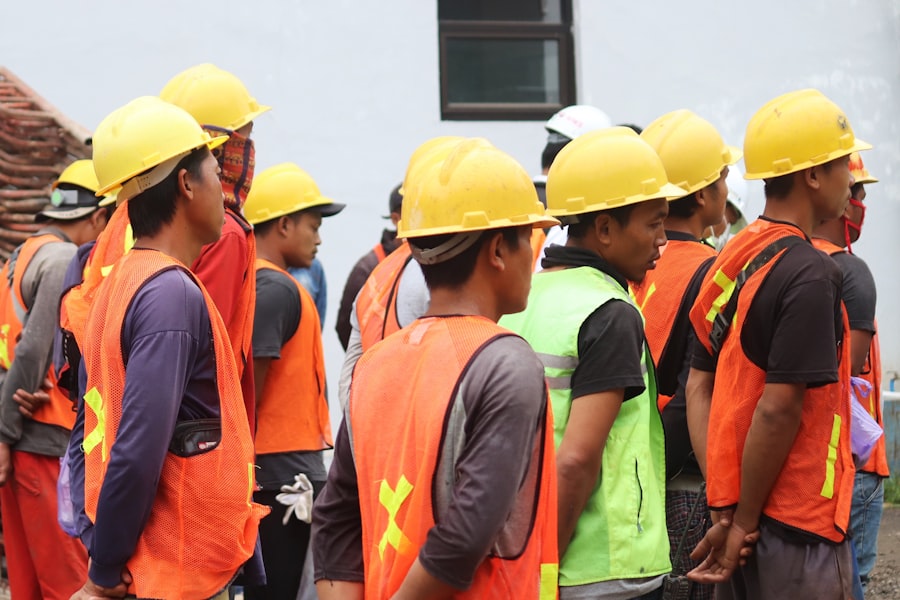
Establishing safety as the minimum standard is not a destination; it’s an ongoing journey. You must foster a culture where continuous improvement is embraced, and where the pursuit of enhanced safety is a constant endeavor. This requires vigilance, adaptability, and a commitment to learning from every experience.
Learning from Incidents and Near Misses
Every incident, whether it results in injury or not, provides a valuable learning opportunity. You need to approach these events with a focus on understanding the root causes and implementing corrective actions to prevent recurrence.
- Thorough Incident Investigation: Investigations must go beyond identifying who was at fault and focus on understanding the systemic factors that contributed to the event. You need to know that these investigations are conducted impartially and with the goal of improvement.
- Root Cause Analysis Techniques: You should utilize established methodologies for root cause analysis to delve deeper into the underlying issues that led to an incident. This allows for more effective and targeted interventions.
- Sharing Lessons Learned: Knowledge gained from incidents must be disseminated effectively across the organization. You need to be informed about what happened elsewhere and what actions are being taken to prevent similar occurrences. This fosters a collective understanding of risk.
Encouraging Employee Involvement and Feedback
Your employees are on the front lines and possess invaluable insights into the practicalities of safety. You need to actively involve them in the safety process and create mechanisms for their feedback to be heard and acted upon.
- Safety Committees and Working Groups: Empowering employees to participate in safety committees or dedicated working groups allows for direct input into safety policies and procedures. You need to feel that your voice is represented in these forums.
- Suggestion Schemes and Feedback Mechanisms: Implement accessible and responsive systems for employees to submit safety suggestions or report concerns. You need to be confident that your feedback will be reviewed and considered.
- Regular Safety Audits and Inspections with Employee Participation: Involve employees in conducting safety audits and inspections. This not only leverages their practical knowledge but also increases their ownership of safety outcomes. You need to feel that you are an active participant in ensuring workplace safety.
In today’s fast-paced work environment, prioritizing safety is essential, and it should be viewed as a floor rather than a ceiling. This approach encourages continuous improvement and fosters a culture where safety is ingrained in every aspect of operations. For further insights on this topic, you can explore a related article that discusses how organizations can effectively implement safety measures while promoting a proactive mindset among employees. To learn more about creating a robust safety culture, visit this article.
Measuring and Sustaining Safety Performance
| Metrics | Data |
|---|---|
| Number of safety training sessions | 50 |
| Incident rate per month | 0.5% |
| Number of safety inspections conducted | 100 |
| Percentage of employees with safety certifications | 80% |
To truly embed safety as the minimum standard, you need to have robust methods for measuring your progress and ensuring that these standards are sustained over time. This requires a data-driven approach and a commitment to ongoing evaluation.
Key Performance Indicators (KPIs) for Safety
Beyond traditional lagging indicators like incident rates, you need to establish leading indicators that measure proactive safety behaviors and system effectiveness.
- Leading Indicator Tracking: Focus on metrics that predict future safety outcomes, such as the number of safety observations conducted, the completion rate of safety training, or the percentage of hazards identified and abated. You need to see data that demonstrates proactive efforts.
- Lagging Indicator Analysis: Continue to monitor lagging indicators such as lost-time injury frequency rates (LTIFR) and total recordable incident rates (TRIR), but use them as a means of evaluating the effectiveness of your proactive measures, not as the sole arbiter of safety success.
- Near-Miss Reporting Rates: A high rate of near-miss reporting can be an indicator of a healthy safety culture, as it suggests employees feel comfortable identifying and reporting potential hazards before they lead to incidents. You need to view this as a positive sign.
Regular Review and Adaptation of Safety Systems
The safety landscape is constantly evolving, and your safety management systems must be adaptable to remain effective. You need to regularly review and update your approach to ensure it remains relevant and impactful.
- Periodic Safety Audits and Reviews: Conduct regular internal and external audits of your safety management systems to identify areas for improvement. You need to ensure that these audits are comprehensive and lead to actionable change.
- Benchmarking Against Industry Best Practices: Compare your safety performance and systems against industry benchmarks and best practices to identify opportunities for enhancement. You need to know how you stack up and where you can improve.
- Adaptation to Emerging Risks and Regulations: Stay abreast of new safety regulations, technological advancements, and emerging industry risks, and adapt your safety systems accordingly. You need to be confident that your organization is proactive in responding to change and ensuring compliance.
Making safety the minimum standard is not a glamorous undertaking. It demands diligence, consistency, and a persistent commitment to fundamental principles. It requires you to move beyond the rhetoric and embed safety into the very DNA of your operations, ensuring that every action, every decision, and every interaction reflects a foundational understanding of its absolute necessity. The goal is not to achieve an exceptional safety record at some future point, but to guarantee a safe working environment today, and every day thereafter, as a fundamental prerequisite for your work.
FAQs
What does it mean to make safety a floor not a ceiling?
Making safety a floor not a ceiling means establishing a minimum standard of safety that must be met at all times, rather than treating safety as a maximum limit that should not be exceeded.
Why is it important to make safety a floor not a ceiling?
By making safety a floor not a ceiling, organizations can ensure that there is a baseline level of safety that is always maintained, rather than allowing safety standards to fluctuate or be compromised.
What are some examples of making safety a floor not a ceiling in the workplace?
Examples of making safety a floor not a ceiling in the workplace include implementing mandatory safety training for all employees, conducting regular safety inspections, and enforcing strict safety protocols and procedures.
How can organizations promote a culture of making safety a floor not a ceiling?
Organizations can promote a culture of making safety a floor not a ceiling by prioritizing safety in all decision-making processes, providing resources and support for safety initiatives, and holding individuals and teams accountable for maintaining safety standards.
What are the benefits of making safety a floor not a ceiling?
The benefits of making safety a floor not a ceiling include reducing the risk of accidents and injuries, improving employee morale and productivity, and demonstrating a commitment to the well-being of employees and stakeholders.