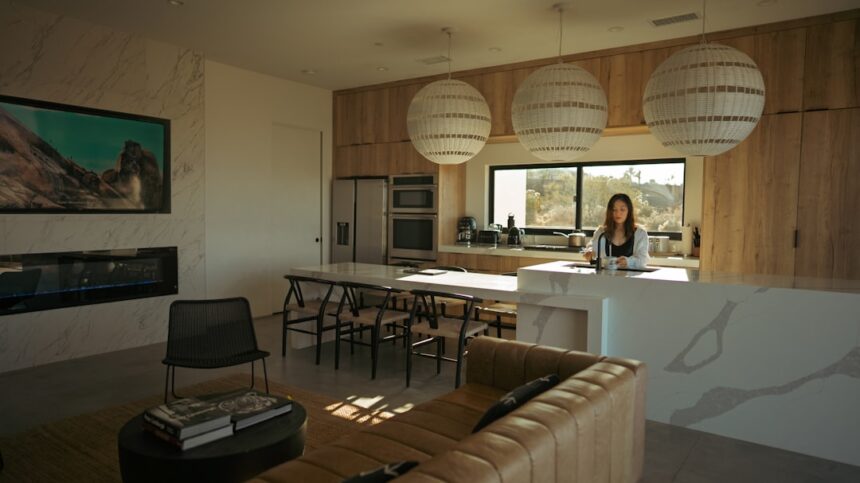
You’re embarking on a significant undertaking: designing your home. The prospect is exciting, promising a space that reflects your needs and desires. However, as you delve deeper, you might find yourself overwhelmed by the sheer volume of choices. This is where the concept of streamlined home design becomes not just an aesthetic choice, but a practical strategy for simplifying your decision-making process. It’s about finding clarity amidst the complexity, and building a home that serves you efficiently and elegantly.
Streamlining your home design is less about austerity and more about intentionality. It’s about paring down to what truly matters, eliminating the superfluous, and focusing on create spaces that are both functional and aesthetically cohesive. You’re not aiming for a sterile, minimalist box; rather, you’re seeking a design philosophy that guides your choices, making them more manageable and ultimately leading to a more harmonious outcome.
Defining Your Essential Needs
Before you can streamline anything, you must understand what you absolutely need from your home. This involves a deep dive into your daily routines, your lifestyle, and the fundamental purpose of each space. You’re not just thinking about a wish list; you’re identifying the non-negotiables.
Assessing Your Lifestyle
Consider how you live now and how you envision living in your new home. Do you work from home extensively? Do you entertain frequently? Are you a homebody who values quiet solitude? Do you have pets or children whose needs must be accommodated? Your answers will shape the functional requirements of your design. For instance, someone who works remotely might prioritize a dedicated, well-lit home office, while a family with young children might need easily accessible and durable play areas.
Prioritizing Functionality Over Trend
While it’s easy to be swayed by the latest design trends, a streamlined approach encourages you to question their utility in your life. Does that intricate architectural detail serve a purpose, or is it merely decorative? Does that overly complicated smart home system genuinely enhance your daily life, or introduce unnecessary complexity? Focusing on functionality ensures that your decisions serve a practical purpose, reducing the need to second-guess later.
Identifying Your Core Values in Design
Beyond practical needs, what are the underlying values that you want your home to embody? Is it peace and tranquility? Connection and community? Creativity and productivity? Sustainability and environmental consciousness? Understanding these core values provides a compass for all your design choices. A home designed with tranquility in mind, for example, might favor natural light, muted color palettes, and thoughtful acoustic design, regardless of fleeting aesthetic fads.
Designing a home that minimizes decision fatigue can significantly enhance your daily life, allowing for a more streamlined and enjoyable living experience. For further insights on this topic, you might find the article on creating a productive environment particularly helpful. It offers practical tips on organizing your space to reduce clutter and simplify choices, ultimately leading to a more efficient lifestyle. You can read more about it in this article: Creating a Productive Environment.
The Power of a Focused Palette
One of the most impactful ways to streamline decision-making is by establishing a focused color and material palette. This creates a sense of visual consistency and limits the number of options you need to consider at every turn. It prevents the feeling of being overwhelmed by an endless array of choices.
Establishing a Cohesive Color Scheme
Instead of selecting colors room by room in isolation, think about how colors flow throughout your home. This doesn’t mean every room needs to be the same color, but rather that the chosen colors should complement each other, creating a visual dialogue between spaces.
Limiting Your Primary and Secondary Colors
Generally, selecting one to two primary colors and a couple of secondary or accent colors will provide ample variation without becoming chaotic. Consider how these colors will interact with natural light and the existing or planned furnishings. For example, a warm neutral palette can create a sense of calm and continuity.
Considering the Psychology of Color
Different colors evoke different emotions and moods. Understanding basic color psychology can help you make more informed decisions about how you want each space to feel. Blues and greens can promote calmness, while yellows and oranges can inspire energy and warmth. Your streamlined palette should reflect the intended atmosphere of each area.
Selecting a Limited Material Selection
Similarly, restricting your material choices to a few key materials creates a unified and sophisticated feel. This applies to flooring, countertops, cabinetry, hardware, and even decorative finishes.
Embracing Natural Materials
Natural materials like wood, stone, and certain metals often possess an inherent beauty and durability that require little embellishment. Their variations add subtle interest without overwhelming the senses. For instance, choosing a consistent type of wood for flooring and cabinetry can create a strong sense of cohesion.
Prioritizing Durability and Ease of Maintenance
When you limit your material selection, you have the opportunity to invest in high-quality, durable options that will stand the test of time. This also simplifies maintenance and reduces the need for frequent replacements or specialized cleaning, contributing to a more streamlined existence within your home.
Designing for Decluttering from the Outset

Streamlined design is inherently linked to organization. Instead of viewing a decluttered home as a post-design project, you should actively incorporate features and strategies that facilitate an organized lifestyle from the very beginning of the design process.
Integrating Smart Storage Solutions
Thinking about storage early on prevents the need for awkward, after-the-fact additions that can detract from your design. You should be proactively identifying where belongings will be kept.
Built-in Storage as a Design Element
Built-in cabinetry, shelving, and niches can be seamlessly integrated into your home’s architecture, effectively disappearing into the walls and maintaining clean lines. This offers a sophisticated and intentional approach to storage.
Designing for Specific Item Categories
Consider the types of items you own that require dedicated storage, such as books, electronics, linens, outerwear, or pantry items. Designing specific zones for these can prevent clutter from accumulating in general living areas. For instance, a well-designed mudroom can be a lifesaver for managing outerwear and shoes.
Allocating Space for Function, Not Excess
Every square foot of your home should have a purpose. Avoid creating spaces that are purely ornamental or that you anticipate will be filled with items you don’t truly need. This means being realistic about the size and scope of each area.
Creating Zones Instead of Rooms
In some cases, you might consider creating distinct functional zones within larger open-plan areas rather than boxing off every activity into a separate room. This can foster a sense of flow and prevent the accumulation of underutilized spaces. A well-defined dining area within a living room, for instance, can serve its purpose without requiring a dedicated dining room.
Multifunctional Spaces for Flexibility
Consider how a single space can serve multiple purposes. A guest bedroom that doubles as a home office, or a living room that can transform into a space for creative pursuits, adds efficiency and adaptability to your home. This reduces the number of specialized rooms you might feel obligated to create.
Simplifying Layout and Circulation
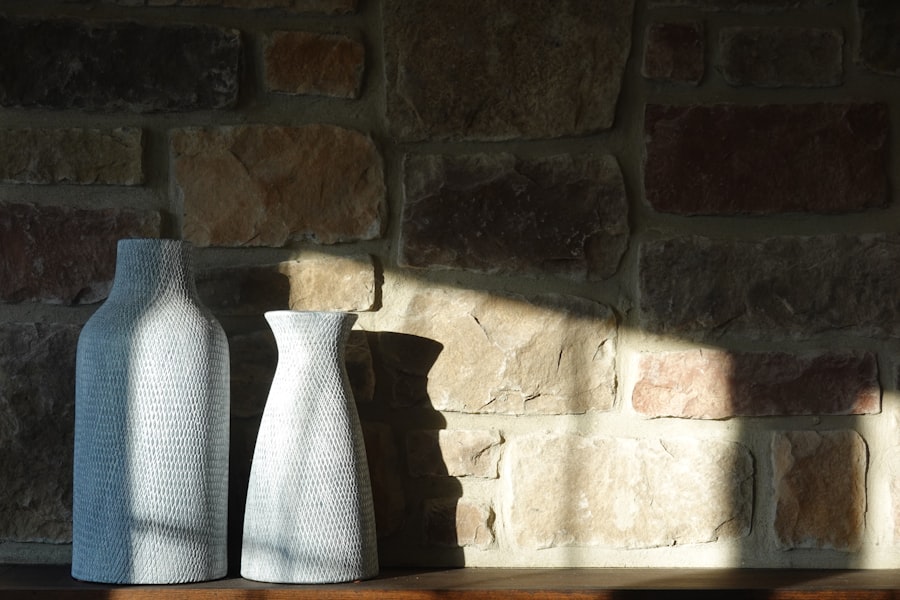
A well-designed layout prioritizes ease of movement and logical flow between spaces. This contributes to a sense of calm and efficiency in your everyday life, eliminating unnecessary navigation.
Optimizing the Flow of Movement
When you consider how you will move through your home, you can create a more intuitive and less cluttered experience. This involves thinking about pathways and sightlines.
Logical Room Adjacencies
Consider the typical sequence of activities in your daily life. For example, placing the kitchen near the dining area and the laundry room near the bedrooms can streamline household tasks. This reduces the amount of travel time between frequently used zones.
Avoiding Dead Ends and Wasted Space
A streamlined layout ensures that there are no awkward dead ends or underutilized awkward nooks. Every area should contribute to the overall functionality and flow of the home. This means being mindful of hallway widths and the placement of doors and furniture.
The Benefits of Open-Plan Design (When Done Thoughtfully)
While not universally applicable, open-plan designs can contribute to a sense of spaciousness and simplify circulation, provided they are implemented with intentionality.
Defining Zones Within Open Spaces
If you opt for an open-plan layout, it’s crucial to define different functional zones within the larger space. This can be achieved through furniture arrangement, varied flooring materials, or subtle changes in ceiling height. Without this, open spaces can feel chaotic rather than cohesive.
Considering Acoustics and Privacy
While open-plan living offers benefits, you must also consider how to manage acoustics and maintain a degree of privacy where needed. Thoughtful placement of furniture, the use of area rugs, and perhaps even strategically placed screens can mitigate these concerns.
When designing a home that minimizes decision fatigue, it’s essential to consider various strategies that promote simplicity and ease of living. One insightful resource on this topic can be found in a related article that discusses practical tips for creating a space that encourages a more streamlined lifestyle. By implementing these ideas, you can transform your home into a sanctuary of tranquility. For more information, you can read the article here.
The Art of Intentional Simplicity in Furnishings and Decor
| Aspect | Metrics |
|---|---|
| Color Palette | Number of main colors used |
| Furniture | Number of versatile and multi-functional pieces |
| Storage | Amount of hidden storage solutions |
| Lighting | Number of natural and artificial light sources |
| Materials | Use of low-maintenance and durable materials |
Once the structural and foundational decisions are made, the selection of furnishings and decor offers another significant opportunity to streamline your decision-making. The goal is to choose pieces that are both functional and aesthetically aligned with your overall vision.
Curating a Limited Selection of Furnishings
Instead of filling your home with an abundance of furniture, focus on selecting a few high-quality, intentionally chosen pieces that serve their purpose effectively and contribute to the overall aesthetic.
Prioritizing Multifunctional Furniture
Consider furniture that can serve more than one purpose. A coffee table with built-in storage, a sofa bed for guests, or an ottoman that doubles as a bench can maximize space and utility. This reduces the overall number of items you need.
Investing in Quality Over Quantity
When you choose fewer pieces, you have the opportunity to invest in higher-quality items that will last longer and look better over time. This aligns with the principle of intentionality and reduces the need for frequent replacements driven by wear and tear or changing tastes.
Embracing Intentional Decor and Accessories
Decor is often where design can become cluttered. A streamlined approach means being very deliberate about what you choose to display.
Focusing on Statement Pieces
Instead of a multitude of small decorative items, consider a few larger, impactful pieces that make a statement and reflect your personality. This could be a piece of art, a striking light fixture, or a sculptural element.
Limiting Clutter-Promoting Items
You should consciously avoid decor that easily gathers dust or creates visual noise. Books should be neatly organized, and collections should be displayed thoughtfully rather than scattered. The aim is for intentional display rather than casual accumulation.
The Role of Plants and Natural Elements
Incorporating plants and natural elements can add life and vibrancy to your home without creating clutter. Their organic forms and textures can contribute to a calming and harmonious atmosphere.
By adopting a streamlined approach to your home design, you transform a potentially overwhelming process into a series of manageable, informed decisions. You move from a reactive approach of acquiring and arranging to a proactive one of building and curating. This intentionality not only simplifies the design phase but also lays the groundwork for a more peaceful, functional, and enjoyable living experience. You are not just building a house; you are creating a sanctuary of intentional living, where every choice contributes to a harmonious and efficient whole.
FAQs
1. What are the benefits of designing a home for fewer decisions?
Designing a home for fewer decisions can reduce stress and anxiety, increase productivity, and create a more peaceful and organized living environment.
2. How can I simplify the design of my home to reduce decision-making?
You can simplify the design of your home by choosing a neutral color palette, minimizing clutter, and opting for multi-functional furniture to reduce the number of decisions you need to make on a daily basis.
3. What are some strategies for minimizing decision fatigue in home design?
Strategies for minimizing decision fatigue in home design include creating designated storage areas, establishing daily routines, and implementing systems for organizing and maintaining the home.
4. How can I incorporate minimalism into the design of my home to reduce decision-making?
Incorporating minimalism into the design of your home involves decluttering, prioritizing essential items, and focusing on simplicity and functionality in the layout and decor.
5. What are some key principles to consider when designing a home for fewer decisions?
Key principles to consider when designing a home for fewer decisions include prioritizing functionality, creating a calming and uncluttered environment, and implementing systems to streamline daily tasks and routines.