
Dopamine is a neurotransmitter that plays a pivotal role in the brain’s functioning, influencing a wide array of behaviors and processes. As you delve into the intricacies of this chemical messenger, you will discover that it is not merely a substance that transmits signals between neurons; it is a fundamental player in how you experience pleasure, motivation, and reward. Dopamine is often referred to as the “feel-good” neurotransmitter, but its influence extends far beyond mere enjoyment.
It is intricately involved in regulating mood, attention, and even motor control, making it essential for your overall well-being. Understanding dopamine’s role in the brain can provide you with insights into your own behaviors and motivations. When you engage in activities that bring you joy or satisfaction, such as eating your favorite food or achieving a personal goal, your brain releases dopamine, reinforcing those behaviors.
This biochemical response not only enhances your mood but also encourages you to repeat those actions in the future. By exploring the multifaceted nature of dopamine, you can better appreciate how it shapes your experiences and drives your actions.
Key Takeaways
- Dopamine is a neurotransmitter that plays a key role in reward processing, motivation, goal setting, decision making, learning, and memory in the brain.
- The dopamine system is closely linked to reward processing and is involved in the reinforcement of behaviors that lead to positive outcomes.
- Dopamine is essential for motivation, as it helps drive individuals to pursue and achieve goals.
- Dopamine plays a crucial role in goal setting by influencing the brain’s reward system and reinforcing behaviors that lead to goal attainment.
- Dopamine is involved in decision making by influencing the brain’s reward system and motivating individuals to make choices that lead to positive outcomes.
The Dopamine System and Reward Processing
The dopamine system is central to how you process rewards and make decisions based on anticipated outcomes. When you encounter a rewarding stimulus—be it a delicious meal, a compliment, or a successful accomplishment—dopamine neurons in specific areas of your brain become activated. This activation signals to you that the experience is pleasurable and worth repeating.
The brain’s reward circuitry, particularly the mesolimbic pathway, plays a crucial role in this process, linking dopamine release to feelings of pleasure and satisfaction. As you navigate through life, your brain continuously evaluates potential rewards and risks, largely influenced by dopamine levels. This evaluation helps you prioritize certain actions over others based on their perceived benefits.
For instance, if you know that studying for an exam will lead to good grades and future opportunities, the anticipation of that reward can motivate you to put in the necessary effort. Understanding how the dopamine system operates can empower you to make more informed choices that align with your goals and desires.
Dopamine and Motivation

Motivation is a driving force behind your actions, and dopamine is at the heart of this phenomenon. When you set out to achieve a goal, whether it’s completing a project or embarking on a fitness journey, dopamine acts as a catalyst that fuels your determination. The anticipation of rewards associated with your efforts releases dopamine, creating a sense of excitement and purpose.
This biochemical response not only enhances your motivation but also helps sustain it over time. However, motivation is not solely about the rewards; it also involves the challenges and obstacles you encounter along the way. Dopamine helps you navigate these hurdles by reinforcing behaviors that lead to success while discouraging those that result in failure.
When you face setbacks, the fluctuations in dopamine levels can impact your motivation to continue pursuing your goals. By recognizing this connection between dopamine and motivation, you can develop strategies to maintain your drive even when faced with difficulties.
Dopamine and Goal Setting
| Metrics | Data |
|---|---|
| Dopamine Levels | Increased when setting and achieving goals |
| Goal Clarity | Linked to higher dopamine release |
| Goal Attainment | Leads to dopamine release in the brain |
| Motivation | Dopamine plays a key role in motivation to pursue goals |
Setting goals is an essential aspect of personal development, and dopamine plays a significant role in this process. When you establish clear objectives, your brain begins to associate those goals with potential rewards. This association triggers dopamine release, which not only enhances your focus but also increases your commitment to achieving those goals.
The more specific and attainable your goals are, the more effectively dopamine can motivate you to pursue them. Moreover, breaking down larger goals into smaller, manageable tasks can further amplify the effects of dopamine on your behavior. Each time you complete a task, your brain releases dopamine as a reward for your progress.
This positive reinforcement creates a cycle of motivation that propels you forward toward your ultimate objective. By understanding how to leverage dopamine in goal setting, you can create a roadmap for success that keeps you engaged and motivated throughout your journey.
Dopamine and Decision Making
Decision-making is an integral part of daily life, and dopamine significantly influences how you weigh options and make choices. When faced with multiple alternatives, your brain assesses the potential rewards associated with each option, guided by dopamine signaling. This process allows you to evaluate risks and benefits effectively, ultimately leading to more informed decisions.
Interestingly, dopamine not only affects the choices you make but also shapes how you perceive those choices. Higher levels of dopamine can enhance your ability to recognize potential rewards, making certain options appear more appealing. Conversely, low dopamine levels may lead to indecision or a lack of enthusiasm for pursuing opportunities.
By becoming aware of how dopamine impacts your decision-making processes, you can cultivate a more strategic approach to evaluating options and making choices that align with your goals.
The Role of Dopamine in Learning and Memory
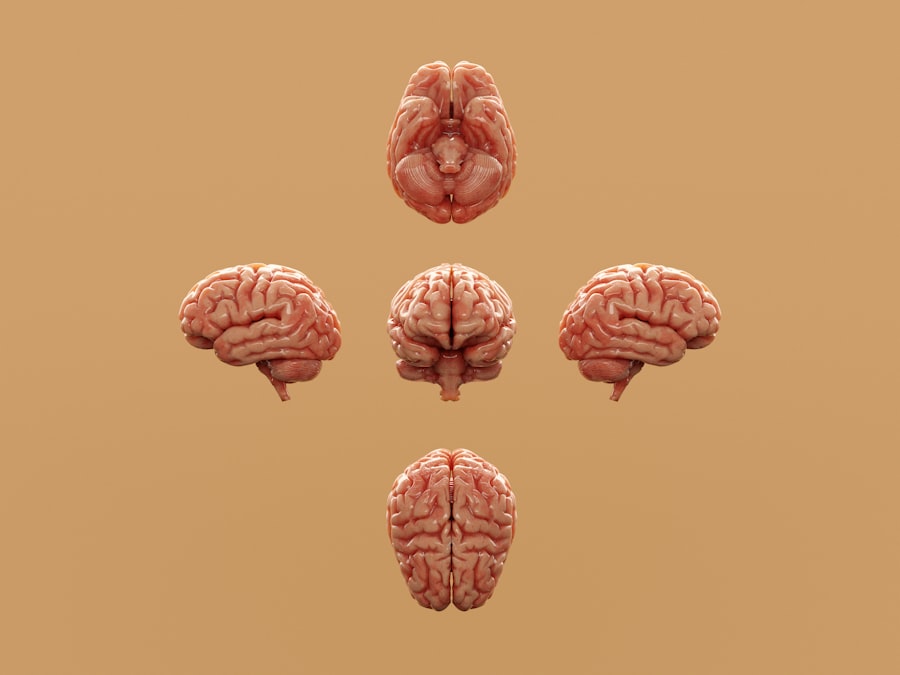
Learning and memory are fundamental cognitive processes that are closely tied to dopamine function. When you acquire new information or skills, dopamine plays a crucial role in reinforcing those experiences, making it easier for you to recall them later. The release of dopamine during learning enhances synaptic plasticity—the brain’s ability to adapt and change—allowing for more effective encoding of memories.
Moreover, dopamine helps prioritize which memories are worth retaining based on their associated rewards. If an experience is particularly pleasurable or beneficial, the likelihood of remembering it increases due to heightened dopamine activity. This mechanism not only aids in learning but also influences how you approach future experiences based on past rewards.
By understanding the connection between dopamine and memory formation, you can adopt strategies that enhance your learning experiences and improve retention.
Dopamine Dysregulation and Implications for Goal-Directed Behavior
While dopamine is essential for healthy functioning, dysregulation of this neurotransmitter can have profound implications for goal-directed behavior. When dopamine levels are too low or too high, it can lead to difficulties in motivation, decision-making, and overall goal achievement. For instance, low dopamine levels may result in apathy or lack of interest in activities that once brought joy, making it challenging for you to pursue your objectives.
Conversely, excessive dopamine activity can lead to impulsivity and risk-taking behaviors that may derail your progress toward goals. Understanding these dynamics can help you identify when you’re experiencing dysregulation and take steps to address it. Whether through lifestyle changes or seeking professional support, recognizing the signs of dopamine imbalance can empower you to regain control over your goal-directed behavior.
Dopamine and Addiction
Addiction is a complex phenomenon often linked to dysregulation of the dopamine system. Substances such as drugs or alcohol can artificially elevate dopamine levels in the brain, creating intense feelings of pleasure that reinforce addictive behaviors. As you engage in these activities repeatedly, your brain begins to associate them with reward, leading to compulsive behavior despite negative consequences.
The cycle of addiction highlights the powerful influence of dopamine on behavior and decision-making. As addiction takes hold, natural rewards may lose their appeal due to diminished dopamine sensitivity, leading individuals to seek out substances or behaviors that provide an artificial high. Understanding this relationship between dopamine and addiction can be crucial for developing effective treatment strategies aimed at restoring balance and promoting healthier behaviors.
Dopamine and Mental Health Disorders
Dopamine dysregulation is also implicated in various mental health disorders, including depression, anxiety, and schizophrenia. In conditions like depression, low levels of dopamine may contribute to feelings of hopelessness and lack of motivation. Conversely, conditions such as schizophrenia may involve excessive dopamine activity leading to symptoms like hallucinations or delusions.
Recognizing the role of dopamine in mental health can inform treatment approaches aimed at restoring balance within the system. Therapeutic interventions may include medication targeting dopamine receptors or lifestyle changes designed to enhance natural dopamine production through exercise or nutrition.
Strategies for Modulating Dopamine for Improved Goal-Directed Behavior
To harness the power of dopamine for improved goal-directed behavior, consider implementing strategies that promote healthy levels of this neurotransmitter. Regular physical activity is one effective way to boost dopamine production naturally; exercise releases endorphins and stimulates neurotransmitter activity that enhances mood and motivation. Additionally, maintaining a balanced diet rich in nutrients such as omega-3 fatty acids and antioxidants can support optimal brain function and promote healthy dopamine levels.
Engaging in mindfulness practices like meditation or yoga can also help regulate stress hormones that may impact dopamine production negatively. By adopting these strategies into your daily routine, you can create an environment conducive to achieving your goals while fostering overall well-being.
Future Directions in Dopamine Research and its Impact on Goal-Directed Behavior
As research on dopamine continues to evolve, new insights are emerging regarding its role in goal-directed behavior and overall mental health. Future studies may explore innovative therapeutic approaches aimed at modulating dopamine levels more precisely to enhance motivation and cognitive function without adverse effects.
This knowledge could pave the way for personalized interventions tailored to specific needs and challenges related to goal achievement. In conclusion, understanding the multifaceted role of dopamine in the brain provides valuable insights into motivation, decision-making, learning, and mental health. By recognizing how this neurotransmitter influences your behaviors and experiences, you can take proactive steps toward optimizing its effects for improved goal-directed behavior and overall well-being.
Dopamine plays a crucial role in goal-directed behavior, acting as a neurotransmitter that influences motivation and reward processing in the brain. This chemical messenger is essential for setting and achieving goals, as it helps to reinforce behaviors that lead to positive outcomes. For a deeper understanding of how dopamine impacts productivity and goal achievement, you can explore an insightful article on the topic by visiting Productive Patty’s Sample Page. This resource delves into the science behind dopamine’s influence on our daily actions and how it can be harnessed to enhance personal and professional productivity.
WATCH THIS!😃Stop Trusting Your Dopamine: Unlock the Neuroscience to Actually Get Stuff Done
FAQs
What is dopamine?
Dopamine is a neurotransmitter that plays a key role in the brain’s reward system and is involved in regulating movement and emotional responses.
How does dopamine affect goal-directed behavior?
Dopamine is involved in motivation, reward, and reinforcement learning, which are all essential for goal-directed behavior. It helps to drive and maintain the pursuit of goals by signaling the anticipation of reward.
What happens when there is a dysfunction in the dopamine system?
Dysfunction in the dopamine system has been linked to various psychiatric and neurological disorders, including Parkinson’s disease, schizophrenia, and addiction. It can lead to impairments in goal-directed behavior, motivation, and reward processing.
How can dopamine levels be influenced?
Dopamine levels can be influenced by various factors, including genetics, environmental stimuli, and drug use. Activities such as exercise, social interaction, and engaging in pleasurable experiences can also increase dopamine levels.
What are some ways to support healthy dopamine function?
Maintaining a balanced and healthy lifestyle, engaging in regular physical activity, getting enough sleep, and managing stress can all support healthy dopamine function. Additionally, seeking professional help for any mental health issues can also be beneficial.