You’ve got your sights set on 2026. A fresh year, a blank slate, a prime opportunity to really dial in your productivity. Forget the fleeting resolutions and the over-the-top hype; this is about practical strategies that will genuinely help you achieve more, feel more in control, and ultimately, make your year count.
This isn’t about becoming a robot or sacrificing your well-being for the sake of a to-do list. It’s about working smarter, not just harder, and cultivating habits that support sustained high performance. You’re ready to move beyond the chaos and into a state of focused efficiency. Let’s break down how you can make 2026 your most productive year yet.
Your time is your most finite resource. How you allocate it dictates what you can accomplish. In 2026, you need a deliberate approach to ensure your time is spent on what truly matters. This means understanding where it’s currently going and then actively shaping its direction.
Time Auditing: Knowing Where Your Hours Go
Before you can optimize, you must understand your current reality. You’re likely losing precious hours to distractions or inefficient processes without even realizing it. A time audit is your diagnostic tool.
Implementing a Tracking System
You don’t need fancy software to start. A simple notebook, a spreadsheet, or a basic time-tracking app will suffice. For a week, perhaps two, meticulously record everything you do. From the moment you wake up until you go to sleep, note down your activities in roughly 15-minute or 30-minute intervals. Be honest. Include work tasks, emails, meetings, social media breaks, personal errands, and even moments of idleness. The goal is data, not judgment.
Analyzing Your Findings
Once you have your data, it’s time to analyze it. Look for patterns. Where are you spending the most time? Are there activities that are taking longer than they should? Are there significant chunks of time dedicated to low-value tasks? Identify your biggest time sinks. These are the areas ripe for improvement.
Identifying Productivity Leaks
Common leaks include excessive email checking, aimless web browsing, constant interruptions, and lengthy, unproductive meetings. Recognizing these will be the first step toward plugging them. You might be surprised at how much time these seemingly small interruptions consume.
Strategic Scheduling: Planning Your Success
Once you understand your time, you can begin to plan its use strategically. This isn’t about rigidly dictating every minute, but about creating a framework that supports your goals.
The Power of Time Blocking
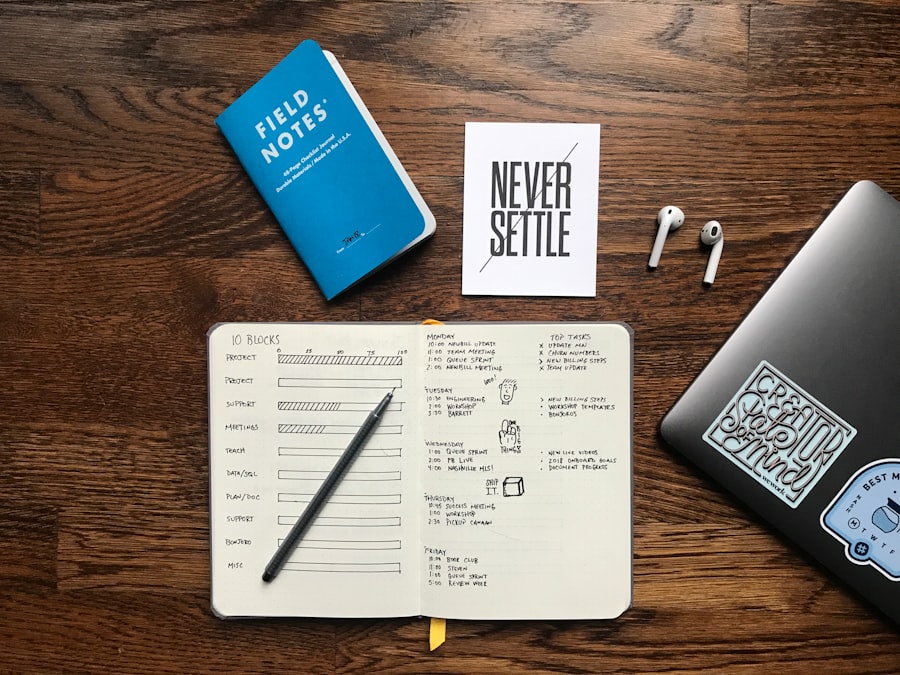
Time blocking involves dedicating specific blocks of time to particular tasks or types of work. Instead of a general to-do list, you assign tasks to specific slots in your calendar. This encourages focused work and helps you estimate how long tasks will realistically take. You’re forcing yourself to make concrete commitments to your work.
Prioritization Techniques: The Eisenhower Matrix and Beyond
Not all tasks are created equal. Learning to differentiate between urgent and important is crucial. The Eisenhower Matrix categorizes tasks into four quadrants:
- Urgent and Important: Do these immediately.
- Important, Not Urgent: Schedule these. This is where strategic planning happens.
- Urgent, Not Important: Delegate these if possible.
- Not Urgent, Not Important: Eliminate these.
Beyond the matrix, consider methods like the Pareto Principle (80/20 rule) – identify the 20% of your efforts that yield 80% of your results. Focus your energy there.
Building in Buffer Time and Breaks
Rigid schedules often break. Build in flexibility. Allocate buffer time between tasks for unexpected issues or transitions. Crucially, schedule regular breaks. Stepping away from your work, even for five minutes, can refresh your mind and prevent burnout, ultimately enhancing your focus when you return.
For those looking to enhance their efficiency in 2026, a great resource is the article on practical productivity tips available at Productive Patty. This article offers a variety of strategies tailored to the evolving demands of the modern workplace, ensuring that readers can stay ahead of the curve and maximize their output. Whether you’re managing remote teams or juggling multiple projects, these tips can help streamline your workflow and boost your overall productivity.
Optimizing Your Workflow: Streamlining Your Processes
Productivity isn’t just about managing time; it’s about executing tasks efficiently. Streamlining your workflow means eliminating unnecessary steps and adopting smarter ways of working.
Task Batching: Grouping Similar Activities
Think about tasks that involve similar tools, environments, or mental states. Batching these together can significantly reduce context switching, which is a notorious productivity killer.
Email and Communication Batching
Instead of checking email every few minutes, dedicate specific times of the day to respond. Similarly, group phone calls or replying to messages into dedicated blocks. This prevents your focus from being constantly fractured.
Administrative Task Batching
Gather all your administrative tasks – filing, invoicing, scheduling appointments – and tackle them in one go. This consolidates the mental effort required for these often mundane but necessary activities.
Creative or Deep Work Batching
Similarly, when you need to focus on complex projects or creative endeavors, block out uninterrupted time and dedicate that entire block to that one type of work. Avoid switching to administrative tasks during this crucial period.
Automation and Delegation: Leveraging Technology and Others
You don’t have to do everything yourself. In 2026, leverage the power of automation and strategic delegation to free up your time and energy.
Identifying Repetitive Tasks for Automation
Look for tasks you perform repeatedly that have a clear set of rules. These are prime candidates for automation. This could involve setting up automated email responses, using software to schedule social media posts, or employing scripts to handle data entry.
Tools and Software for Automation
Explore tools like Zapier or IFTTT to connect different applications and automate workflows. Many project management tools also have built-in automation features. Even simple calendar rules can automate reminders and follow-ups.
Effective Delegation Strategies
When you delegate, be clear about the task, the desired outcome, the deadline, and any resources that are available. Provide sufficient context and be available for questions, but then trust the person you’ve delegated to. Micromanaging negates the benefit of delegation.
Minimizing Distractions: Creating a Focused Environment
Distractions are productivity’s enemy. In 2026, you need to actively cultivate an environment that fosters focus.
Digital Distraction Management
Turn off non-essential notifications on your phone and computer. Use website blockers or focus apps to limit access to distracting sites during work hours. Consider having a designated “quiet time” where all digital interruptions are off-limits.
Physical Workspace Optimization
Your physical environment plays a role. Keep your workspace tidy and organized. Ensure you have adequate lighting and comfortable seating. If possible, create a dedicated workspace that you can mentally disconnect from once your workday is over.
Setting Boundaries with Others
Communicate your need for focused time to colleagues, family, or roommates. This might involve using a “do not disturb” sign, scheduling specific times for questions, or simply letting people know when you need to concentrate without interruption.
Enhancing Your Focus and Energy: Fueling Your Productive Engine
Productivity isn’t just about doing; it’s about being able to do effectively. This requires managing your physical and mental energy levels.
Prioritizing Sleep: The Bedrock of Cognitive Function
You cannot outrun poor sleep. Sacrificing sleep for work is a losing proposition in the long run, leading to diminished cognitive function and impaired productivity.
Understanding Sleep Requirements
Most adults need 7-9 hours of quality sleep per night. Individual needs may vary, but consistently getting less than this will impact your focus, decision-making, and overall efficiency.
Establishing a Consistent Sleep Schedule
Go to bed and wake up around the same time each day, even on weekends. This helps regulate your body’s natural sleep-wake cycle, known as the circadian rhythm.
Creating a Conducive Sleep Environment
Make your bedroom dark, quiet, and cool. Avoid screens (phones, tablets, TVs) in the hour before bed, as the blue light can interfere with melatonin production.
Nourishing Your Body: Fueling for Sustained Performance
What you eat directly impacts your energy levels and cognitive abilities. Think of your body as a high-performance machine that requires the right fuel.
Balanced Nutrition for Brain Health
Focus on a diet rich in fruits, vegetables, whole grains, and lean proteins. These provide sustained energy and essential nutrients for brain function. Limit processed foods, excessive sugar, and unhealthy fats, which can lead to energy crashes.
Hydration: An Often-Overlooked Factor
Dehydration can cause fatigue, headaches, and reduced concentration. Keep a water bottle with you throughout the day and sip it consistently. Aim for at least 8 glasses of water daily.
The Impact of Caffeine and Sugar
While caffeine can provide a temporary boost, relying on it too heavily can lead to jitters and a subsequent crash. Similarly, sugary snacks offer a quick energy spike followed by a slump. Moderate your intake and opt for healthier alternatives.
Mindful Movement and Breaks: Recharging Your Mental Batteries
Physical activity and regular breaks are not luxuries; they are essential components of sustained productivity.
Incorporating Physical Activity
Regular exercise, even moderate activity like walking, can significantly improve mood, reduce stress, and boost energy levels. Schedule it into your week as you would any other important appointment.
The Science of Micro-Breaks
Studies show that short, frequent breaks (5-10 minutes) can be more effective than longer, less frequent ones. Get up, stretch, walk around, or simply look away from your screen. This allows your eyes and mind to rest and reset.
Mindfulness and Stress Reduction Techniques
Practicing mindfulness, deep breathing exercises, or short meditation sessions can help reduce stress and improve focus. Even a few minutes of conscious breathing can make a difference.
Developing Future-Ready Habits: Adapting and Growing
Productivity is not a static achievement; it’s an ongoing process of learning, adapting, and evolving. In 2026, you need habits that prepare you for the future.
Continuous Learning and Skill Development
The world is constantly changing, and your skillset needs to keep pace. Dedicate time to learning and acquiring new skills.
Identifying Emerging Trends and Skills
Stay informed about developments in your industry and beyond. What skills are becoming more valuable? What technologies are on the rise? Proactively seek out learning opportunities in these areas.
Implementing a Learning Routine
This doesn’t have to be a formal course. It could be reading industry articles, listening to relevant podcasts, attending webinars, or taking online courses. Schedule regular time for learning, even if it’s just 30 minutes a day.
Applying New Knowledge Effectively
The true value of learning lies in its application. Actively seek opportunities to use your new skills and knowledge in your work. This reinforces what you’ve learned and demonstrates your growth.
Cultivating Resilience: Bouncing Back from Setbacks
Not every day will be a productivity win. You will encounter challenges and setbacks. Resilience is your ability to recover and continue moving forward.
Reframing Failure as a Learning Opportunity
Instead of dwelling on mistakes, analyze what went wrong and what you can learn from it. Every perceived failure is a chance to refine your approach.
Building a Supportive Network
Surround yourself with people who uplift and support you. Having a confidante or a mentor can provide valuable perspective and encouragement during difficult times.
Practicing Self-Compassion
Be kind to yourself. Recognize that you are human and will make mistakes. Avoid harsh self-criticism, which can be demotivating. Acknowledge your efforts and celebrate your progress, however small.
Review and Reflection: Course Correction for Long-Term Success
Regularly stepping back to review your progress is crucial for sustained productivity. It allows you to adjust your strategies and stay on track.
Weekly and Monthly Reviews
At the end of each week and month, take time to assess what worked well, what didn’t, and why. This is not about judgment but about gaining insights.
Setting Realistic Goals and Adjusting Them
Are your goals still relevant and attainable? Be prepared to adjust them based on your reviews and changing circumstances. Avoid setting yourself up for disappointment with unrealistic expectations.
Celebrating Accomplishments and Learning from Shortcomings
Acknowledge and celebrate the milestones you achieve. This provides motivation and reinforcement. Equally important is to honestly analyze where you fell short and identify actionable steps for improvement.
As we look ahead to 2026, enhancing our productivity is more important than ever, and one insightful resource to consider is a related article that offers practical tips tailored for the future. By implementing these strategies, you can streamline your daily tasks and achieve your goals more efficiently. For a deeper dive into these concepts, check out this informative piece on productivity at Productive Patty, where you’ll find valuable insights to help you navigate the challenges of the coming years.
Embracing Technology Wisely: Tools for Enhanced Output
| Tip | Description |
|---|---|
| Time Blocking | Allocate specific time slots for different tasks to improve focus and efficiency. |
| Task Prioritization | Identify and focus on high-priority tasks to maximize productivity. |
| Minimize Multitasking | Focus on one task at a time to avoid distractions and improve quality of work. |
| Regular Breaks | Take short breaks to recharge and maintain mental clarity throughout the day. |
| Effective Communication | Use clear and concise communication to avoid misunderstandings and save time. |
Technology is a powerful enhancer of productivity, but only when used intentionally. In 2026, you need to be a discerning user, not a passive recipient of digital demands.
Choosing the Right Tools for the Job
The market is flooded with productivity apps and software. Resist the urge to adopt every new solution. Focus on tools that genuinely solve your specific problems.
Project Management Software Options
Platforms like Asana, Trello, Monday.com, or Notion can help you organize tasks, track progress, and collaborate with others. Evaluate which interface and feature set best suits your needs and workflow.
Communication and Collaboration Platforms
Tools like Slack, Microsoft Teams, or Google Workspace facilitate seamless communication and file sharing. Again, the key is integration and efficiency, not just having another platform to manage.
Note-Taking and Knowledge Management Systems
Evernote, OneNote, or specialized knowledge management tools can help you capture ideas, research, and important information, making it easily retrievable.
Optimizing Your Digital Devices
Your computers and smartphones are your primary work tools. Ensure they are configured to support, not hinder, your productivity.
Operating System and Software Updates
Keep your operating systems and essential software up to date. Updates often include performance improvements and security patches that can prevent disruptions.
Customizing Settings for Efficiency
Adjust display settings, shortcut keys, and notification preferences to minimize friction and speed up your tasks. Consider accessibility features if they can benefit your workflow.
Digital Decluttering and Organization
Regularly delete unnecessary files, uninstall unused applications, and organize your digital storage. A clean digital workspace can reduce mental clutter and improve search times.
Guarding Against Digital Overload
The same tools that enhance productivity can also become sources of significant distraction and overload.
Setting Boundaries for Digital Consumption
Just as you manage physical distractions, set firm boundaries for your digital interactions. This includes limiting time spent on social media, news sites, or entertainment platforms during work hours.
Mindful Use of Notifications
Be ruthless with your notifications. Only allow those that are truly critical to your immediate workflow. The constant pings and buzzes are designed to pull you away from focused work.
The Importance of Digital Detox Periods
Consider incorporating small, regular digital detox periods into your routine. This could mean an hour each evening where you disconnect from all screens, allowing your mind to truly rest and recharge.
By intentionally focusing on these areas, you can build a robust framework for enhanced productivity in 2026. It’s about a holistic approach, not just quick fixes. You’re not just aiming for a busy year; you’re aiming for a successful and fulfilling one.
FAQs
1. What are some practical productivity tips for 2026?
Some practical productivity tips for 2026 include setting specific goals, prioritizing tasks, using time management techniques, minimizing distractions, and taking regular breaks to avoid burnout.
2. How can setting specific goals improve productivity?
Setting specific goals helps to provide clarity and direction, allowing individuals to focus their efforts on tasks that align with their objectives. This can lead to increased motivation and productivity.
3. What time management techniques are recommended for 2026?
Time management techniques such as the Pomodoro Technique, time blocking, and using productivity apps can help individuals effectively manage their time and accomplish tasks more efficiently.
4. How can individuals minimize distractions to improve productivity?
To minimize distractions, individuals can create a designated workspace, use noise-cancelling headphones, set boundaries with colleagues and family members, and utilize website blockers or apps to limit time spent on non-work-related activities.
5. Why is taking regular breaks important for productivity?
Taking regular breaks is important for productivity as it allows individuals to recharge, maintain focus, and prevent burnout. Short breaks can help improve cognitive function and overall well-being, leading to better productivity in the long run.