
In today’s fast-paced work environment, interruptions are an inevitable part of daily operations. You may find that these disruptions can significantly impact productivity and employee morale. This is where a well-defined triage protocol becomes essential.
By establishing a systematic approach to managing interruptions, you can prioritize tasks effectively, ensuring that critical issues are addressed promptly while minimizing the disruption to workflow. Understanding the importance of this protocol allows you to create a more organized and efficient workplace. Moreover, a triage protocol helps in reducing stress levels among employees.
When interruptions occur, they can lead to confusion and frustration, especially if there is no clear method for addressing them. By implementing a triage system, you provide your team with a framework that empowers them to handle interruptions confidently. This not only enhances their ability to focus on their primary responsibilities but also fosters a culture of accountability and teamwork, where everyone understands their role in maintaining productivity.
Key Takeaways
- Triage protocols help prioritize and manage workplace interruptions effectively.
- Training employees and clear communication are essential for successful protocol adoption.
- Technology can support and streamline the triage process for handling interruptions.
- Designated interruption-free zones enhance focus and productivity.
- Regular monitoring and adjustments ensure the triage protocol remains effective and beneficial.
Identifying the different types of interruptions in the workplace
To effectively manage interruptions, you first need to identify the various types that can occur in your workplace. Interruptions can be categorized into several types, including urgent requests from colleagues, unexpected meetings, phone calls, and even personal distractions such as social media or personal conversations. Recognizing these different forms of interruptions allows you to tailor your triage protocol to address each type appropriately.
Additionally, some interruptions may be more disruptive than others. For instance, an urgent request from a team member may require immediate attention, while a casual chat might be less pressing. By understanding the nature and urgency of each interruption, you can prioritize them effectively within your triage system.
This awareness not only helps you manage your time better but also enables your team to navigate their tasks with greater clarity and focus.
Establishing a clear triage protocol for handling interruptions
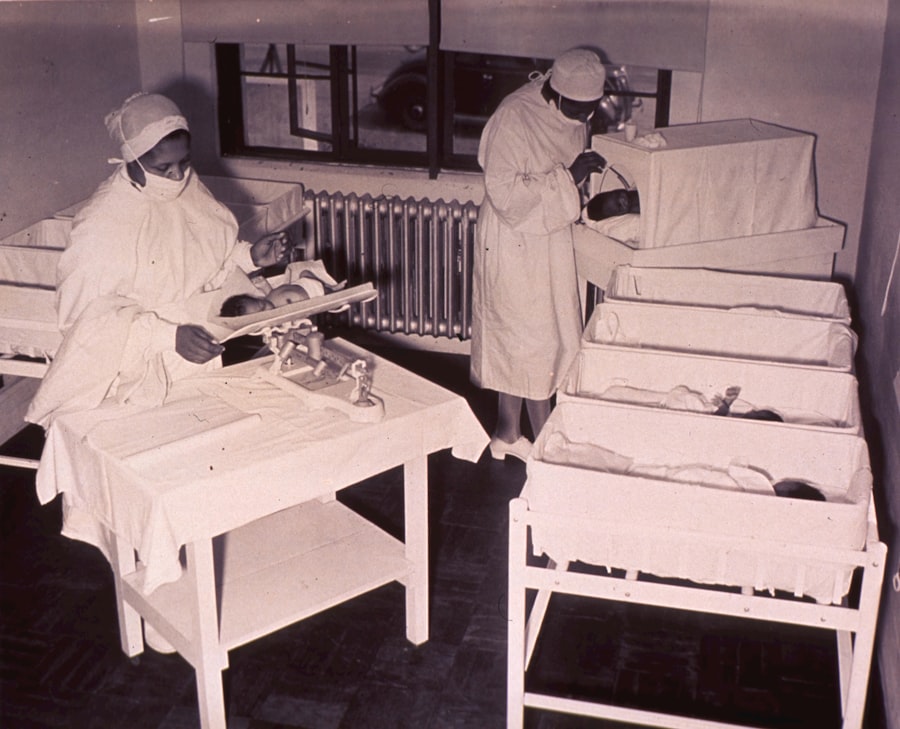
Once you have identified the types of interruptions that occur in your workplace, the next step is to establish a clear triage protocol for handling them. This protocol should outline specific criteria for prioritizing interruptions based on urgency and importance. For example, you might categorize interruptions into three levels: high priority for urgent issues that require immediate attention, medium priority for important but not urgent matters, and low priority for non-urgent requests that can be addressed later.
In addition to categorizing interruptions, it’s crucial to define the process for addressing each type. This could involve designating specific times during the day for handling low-priority interruptions or creating a system for employees to submit urgent requests that can be reviewed and addressed promptly. By having a structured approach in place, you empower your team to manage their time effectively while ensuring that critical issues are not overlooked.
Training employees on the triage protocol for interruptions
| Metric | Description | Value | Unit | Target |
|---|---|---|---|---|
| Training Completion Rate | Percentage of employees who completed triage protocol training | 92 | % | 90% |
| Average Training Time | Average duration to complete the triage protocol training | 3 | hours | ≤ 4 hours |
| Post-Training Assessment Score | Average score on triage protocol knowledge test after training | 87 | % | 85% |
| Interruption Handling Accuracy | Percentage of interruptions correctly triaged by trained employees | 89 | % | ≥ 85% |
| Employee Confidence Level | Average self-reported confidence in handling interruptions post-training | 4.3 | out of 5 | ≥ 4.0 |
| Reduction in Interruption Response Time | Decrease in average time to respond to interruptions after training | 15 | seconds | ≥ 10 seconds |
Implementing a triage protocol is only effective if your employees are well-trained in its use. Training sessions should be organized to educate your team about the importance of the protocol and how to apply it in their daily routines. During these sessions, you can provide examples of different types of interruptions and demonstrate how to categorize and prioritize them according to the established guidelines.
Moreover, ongoing training and reinforcement are essential for ensuring that employees remain engaged with the triage protocol. Regular workshops or refresher courses can help keep the principles fresh in their minds and encourage them to share their experiences and challenges with managing interruptions. By fostering an environment of continuous learning, you not only enhance your team’s skills but also promote a culture of collaboration and support.
Implementing technology to assist in triage protocol for interruptions
Incorporating technology into your triage protocol can significantly enhance its effectiveness. Various tools and software applications are available that can help streamline communication and task management within your team. For instance, project management tools can allow employees to log interruptions and categorize them based on priority levels, making it easier for everyone to stay informed about ongoing tasks and urgent requests.
Additionally, communication platforms can facilitate quick check-ins or updates regarding interruptions without disrupting workflow. By utilizing technology effectively, you can create a more efficient system for managing interruptions that minimizes downtime and keeps everyone on track. This integration not only supports your triage protocol but also empowers employees to take ownership of their tasks while maintaining open lines of communication.
Creating a designated interruption-free zone
Another effective strategy for managing interruptions is to create designated interruption-free zones within your workplace. These areas can serve as quiet spaces where employees can focus on their tasks without the distractions of phone calls or casual conversations. By establishing such zones, you provide your team with an opportunity to concentrate deeply on their work, ultimately enhancing productivity.
In addition to physical spaces, consider implementing policies that encourage employees to respect these zones during designated hours. For example, you might establish “quiet hours” during which employees are encouraged to minimize conversations and electronic notifications. This approach not only helps individuals focus but also fosters a culture of respect for each other’s time and concentration.
Communicating the importance of the triage protocol to all employees
Effective communication is key when it comes to implementing a triage protocol for interruptions. You need to ensure that all employees understand its significance and how it benefits both individual productivity and overall team performance. Regular meetings or company-wide announcements can serve as platforms for discussing the protocol’s objectives and encouraging buy-in from everyone involved.
Moreover, sharing success stories or testimonials from employees who have benefited from the triage protocol can further reinforce its importance. When team members see tangible results from implementing this system, they are more likely to embrace it wholeheartedly. By fostering open dialogue about the protocol’s impact, you create an environment where everyone feels invested in maintaining productivity and supporting one another.
Monitoring and evaluating the effectiveness of the triage protocol
Once your triage protocol is in place, it’s essential to monitor its effectiveness regularly. You should establish metrics for evaluating how well the protocol is working in practice. This could include tracking response times for urgent requests, measuring overall productivity levels, or gathering feedback from employees about their experiences with managing interruptions.
Regular evaluations allow you to identify areas where the protocol may need adjustments or improvements. By actively seeking input from your team, you demonstrate that their opinions matter and that you are committed to creating an efficient work environment.
Adjusting the triage protocol as needed based on feedback and evaluation
As you gather feedback and evaluate the effectiveness of your triage protocol, be prepared to make adjustments as necessary. Flexibility is crucial in ensuring that the system remains relevant and effective in addressing the evolving needs of your workplace. If certain types of interruptions are consistently overlooked or if employees express challenges with categorizing requests, consider revisiting your criteria or processes.
Engaging employees in discussions about potential changes can lead to valuable insights and innovative solutions. By involving them in the decision-making process, you not only enhance the effectiveness of the triage protocol but also strengthen team cohesion and morale. A willingness to adapt demonstrates your commitment to continuous improvement and reinforces a culture of collaboration within your organization.
Recognizing the benefits of a well-executed triage protocol for interruptions
The benefits of a well-executed triage protocol extend far beyond simply managing interruptions; they encompass improved productivity, enhanced employee satisfaction, and a more harmonious work environment. When employees feel empowered to handle interruptions effectively, they are more likely to remain focused on their core responsibilities while minimizing stress levels associated with constant disruptions. Furthermore, a successful triage protocol fosters better communication among team members as they learn to respect each other’s time and priorities.
This collaborative spirit not only enhances individual performance but also contributes to overall team success. As you recognize these benefits within your organization, you will likely see increased engagement and motivation among employees as they take ownership of their roles in maintaining productivity.
Sharing success stories of effective triage protocol implementation
Finally, sharing success stories related to the implementation of your triage protocol can serve as powerful motivation for your team. Highlighting instances where effective management of interruptions led to significant improvements in productivity or employee satisfaction reinforces the value of the system you’ve established.
Consider creating a dedicated space—such as an internal newsletter or bulletin board—where employees can share their experiences with managing interruptions using the triage protocol. Celebrating these successes not only acknowledges individual contributions but also strengthens team bonds as everyone works together toward common goals. By fostering an environment where achievements are recognized and celebrated, you cultivate a culture of continuous improvement that benefits everyone involved.
In conclusion, implementing a triage protocol for handling interruptions is essential for maintaining productivity in today’s dynamic work environment. By understanding its importance, identifying different types of interruptions, establishing clear protocols, training employees effectively, leveraging technology, creating interruption-free zones, communicating its significance, monitoring its effectiveness, adjusting as needed, recognizing benefits, and sharing success stories, you can create a workplace that thrives despite inevitable disruptions.
In the context of managing interruptions effectively, the article on triage protocols provides valuable insights into prioritizing tasks and minimizing disruptions. For further reading on this topic, you can check out the related article on productive strategies for handling interruptions. This resource offers practical tips that can enhance your workflow and improve focus in a busy environment.
WATCH THIS! The “Hard Worker” Lie That Keeps You Broke and Burned Out
FAQs
What is a triage protocol for interruptions?
A triage protocol for interruptions is a systematic approach used to assess and prioritize interruptions based on their urgency and importance. It helps individuals or teams decide which interruptions require immediate attention and which can be deferred or ignored.
Why is a triage protocol for interruptions important?
It is important because it helps manage workflow efficiently, reduces stress, minimizes errors, and ensures that critical tasks are not disrupted unnecessarily. By prioritizing interruptions, individuals can maintain focus and productivity.
How does a triage protocol for interruptions work?
Typically, the protocol involves categorizing interruptions into different levels, such as urgent, important but not urgent, and non-essential. Each category has guidelines on how to respond, whether to address immediately, schedule for later, or dismiss.
Who can benefit from using a triage protocol for interruptions?
Professionals in high-demand environments, such as healthcare workers, customer service representatives, and office employees, can benefit from using a triage protocol to manage frequent interruptions effectively.
Can a triage protocol for interruptions be customized?
Yes, triage protocols can be tailored to fit the specific needs of an individual, team, or organization, taking into account the nature of work, types of interruptions, and priorities.
What are common criteria used in triage protocols for interruptions?
Common criteria include the urgency of the interruption, its impact on safety or critical outcomes, the availability of resources to address it, and the potential consequences of delaying the response.
How can technology assist in implementing a triage protocol for interruptions?
Technology such as notification management tools, priority filters, and automated response systems can help categorize and manage interruptions according to the triage protocol, reducing manual decision-making.
Is training required to effectively use a triage protocol for interruptions?
Yes, training helps individuals understand how to assess interruptions accurately and apply the protocol consistently, improving overall effectiveness.
What are the benefits of reducing unnecessary interruptions?
Reducing unnecessary interruptions leads to improved concentration, higher quality work, better time management, and decreased stress levels.
Can triage protocols for interruptions be applied in personal life?
Yes, individuals can use similar principles to manage interruptions in personal settings, such as prioritizing phone calls, messages, or requests to maintain focus on important activities.