
Micro breaks are short, intentional pauses taken throughout your day to refresh your mind and body. These breaks typically last anywhere from a few seconds to a few minutes and can be easily integrated into your daily routine. Unlike longer breaks, which may require more planning and time away from tasks, micro breaks are designed to be quick and effective, allowing you to recharge without significantly disrupting your workflow.
You might find yourself taking a micro break while waiting for a document to load, during a phone call, or even while sipping your morning coffee. The concept of micro breaks is rooted in the understanding that our brains and bodies are not designed for prolonged periods of intense focus. As you engage in tasks that require concentration, fatigue can set in, leading to decreased productivity and creativity.
By incorporating micro breaks into your day, you can combat this fatigue and maintain a higher level of performance. These brief moments of rest can be as simple as stretching, taking a few deep breaths, or stepping away from your screen for a moment to clear your mind.
Key Takeaways
- Micro breaks are short, frequent pauses during work that help refresh the mind and body.
- Taking micro breaks improves focus, concentration, and overall mental health.
- Simple activities like stretching or deep breathing can maximize the benefits of micro breaks.
- Regular micro breaks play a key role in preventing burnout and maintaining productivity.
- Workplaces are increasingly adopting micro break strategies to enhance employee well-being and performance.
The Benefits of Micro Breaks
The benefits of micro breaks are numerous and can significantly enhance your overall well-being. One of the most immediate advantages is the boost in productivity that comes from taking short breaks. When you allow yourself to step away from your work, even for just a minute or two, you give your brain a chance to reset.
This reset can lead to improved focus and creativity when you return to your tasks. You may find that ideas flow more freely and that you can tackle challenges with renewed energy. In addition to enhancing productivity, micro breaks also contribute to better physical health.
Sitting for extended periods can lead to various health issues, including back pain and poor circulation. By incorporating micro breaks into your routine, you encourage movement and promote better posture. Simple activities like standing up, stretching, or walking around can help alleviate tension in your muscles and improve blood flow.
This not only makes you feel better physically but can also enhance your mental clarity and emotional well-being.
How to Incorporate Micro Breaks into Your Day
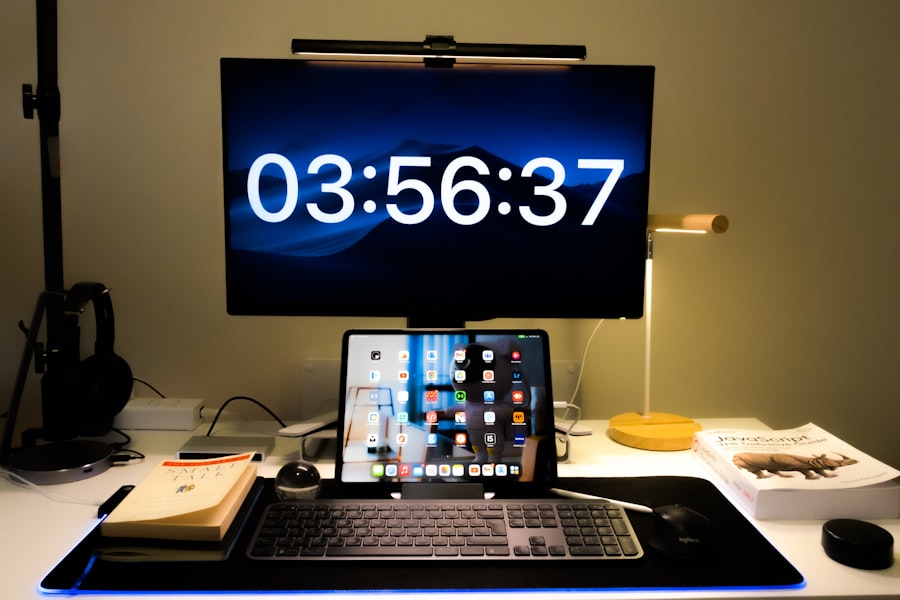
Incorporating micro breaks into your day doesn’t have to be complicated. Start by setting a timer for every 25 to 30 minutes of focused work. When the timer goes off, take a brief break—stand up, stretch, or take a few deep breaths.
This structured approach can help you develop a habit of taking regular breaks without feeling guilty about stepping away from your tasks. You might also consider using apps or tools designed to remind you to take breaks at regular intervals. Another effective strategy is to integrate micro breaks into your existing routines.
For instance, if you find yourself scrolling through social media during lunch or coffee breaks, use that time instead for a quick walk or some light stretching. You could also designate specific times during the day for micro breaks, such as after completing a task or before transitioning to a new project. By consciously planning these moments of rest, you can create a more balanced workday that prioritizes both productivity and well-being.
The Science Behind Micro Breaks
The science behind micro breaks is grounded in research on attention and cognitive function. Studies have shown that our brains have limited capacity for sustained attention, often referred to as the “attention span.” When you push yourself to work continuously without breaks, cognitive fatigue sets in, leading to diminished performance and increased errors. Micro breaks serve as a countermeasure to this fatigue by allowing your brain to recover and reset.
Research has also indicated that even short periods of rest can enhance memory consolidation and problem-solving abilities. When you take a break, your brain continues to process information subconsciously, which can lead to insights or solutions that may not have been apparent during focused work. This phenomenon highlights the importance of giving yourself permission to step away from tasks periodically; doing so can lead to greater creativity and innovation in your work.
Tips for Maximizing the Effectiveness of Micro Breaks
| Metric | Before Micro Breaks | After Micro Breaks | Improvement | Notes |
|---|---|---|---|---|
| Focus Duration (minutes) | 45 | 60 | +33% | Longer sustained attention periods |
| Task Completion Rate (%) | 70 | 85 | +21% | More tasks finished on time |
| Mental Fatigue (scale 1-10) | 7 | 4 | -43% | Reduced cognitive exhaustion |
| Error Rate (%) | 12 | 7 | -42% | Fewer mistakes made |
| Overall Productivity (self-rated scale 1-10) | 6 | 8 | +33% | Improved subjective productivity |
To maximize the effectiveness of your micro breaks, consider being intentional about how you spend that time. Instead of mindlessly scrolling through your phone or engaging in activities that may not truly refresh you, opt for activities that promote relaxation and rejuvenation. For example, try practicing mindfulness or meditation during your breaks; even just a few minutes of focused breathing can help clear your mind and reduce stress.
Additionally, pay attention to the physical environment in which you take your micro breaks. If possible, step outside for fresh air or find a quiet space where you can disconnect from screens and distractions. Engaging with nature has been shown to have restorative effects on mental health and can enhance feelings of well-being.
By creating an environment conducive to relaxation during your breaks, you can further amplify their benefits.
Examples of Micro Break Activities
There are countless activities you can engage in during micro breaks to refresh yourself mentally and physically. One popular option is stretching; simple stretches can relieve tension in your muscles and improve circulation. You might try neck rolls, shoulder shrugs, or even standing up to do a few gentle back bends.
These movements not only feel good but also help counteract the negative effects of prolonged sitting. Another effective micro break activity is engaging in brief mindfulness exercises. This could involve closing your eyes for a minute and focusing on your breath or practicing gratitude by reflecting on three things you’re thankful for at that moment.
Alternatively, consider taking a short walk around your office or home; even just five minutes of walking can invigorate you and provide a change of scenery that stimulates creativity.
The Impact of Micro Breaks on Mental Health
Micro breaks play a crucial role in supporting mental health by providing opportunities for relaxation and stress relief throughout the day. In our fast-paced world, it’s easy to become overwhelmed by constant demands and pressures. By intentionally scheduling micro breaks into your routine, you create moments of respite that allow you to recharge emotionally.
This practice can help reduce feelings of anxiety and improve overall mood. Moreover, taking regular micro breaks fosters a sense of balance between work and personal life. When you prioritize self-care through these brief pauses, you’re more likely to feel fulfilled and engaged in both your professional and personal pursuits.
This balance is essential for maintaining mental health over the long term, as it helps prevent burnout and promotes resilience in the face of challenges.
How Micro Breaks Can Improve Focus and Concentration
One of the most significant benefits of micro breaks is their ability to enhance focus and concentration. When you’re engaged in a task for an extended period without interruption, your attention naturally wanes over time. By incorporating micro breaks into your routine, you give your brain the opportunity to reset its focus, allowing you to return to tasks with renewed clarity.
Research has shown that taking short breaks can lead to improved performance on cognitive tasks requiring sustained attention. After a brief pause, you’re likely to find it easier to concentrate on complex problems or creative projects. This renewed focus can lead to higher-quality work and greater satisfaction with your accomplishments throughout the day.
The Role of Micro Breaks in Preventing Burnout
Burnout is an increasingly common issue in today’s demanding work environments, characterized by emotional exhaustion and decreased motivation. Micro breaks serve as an effective strategy for preventing burnout by promoting regular intervals of rest and recovery throughout the day. When you allow yourself these moments of respite, you’re less likely to feel overwhelmed by stressors or fatigued by continuous work.
By prioritizing self-care through these brief pauses, you’re sending a message to yourself that it’s okay to take time for rest amidst busy schedules. This mindset shift can help cultivate resilience against burnout and foster a more sustainable approach to work over time.
Implementing Micro Breaks in the Workplace
Implementing micro breaks in the workplace requires both individual initiative and organizational support. As an employee, you can start by advocating for a culture that values well-being and encourages regular breaks among colleagues. Share the benefits you’ve experienced from taking micro breaks with others; this may inspire them to adopt similar practices.
On an organizational level, companies can promote micro breaks by creating policies that encourage employees to take regular pauses throughout the day. This could involve providing designated break areas where employees can relax or offering wellness programs that emphasize the importance of self-care during work hours.
The Future of Micro Breaks: Trends and Innovations
As awareness grows regarding the importance of mental health and well-being in the workplace, the future of micro breaks is likely to evolve with innovative approaches tailored to individual needs. Technology may play a significant role in this evolution; apps designed specifically for reminding users to take breaks or suggesting activities during those pauses could become increasingly popular. Additionally, organizations may begin exploring more structured approaches to integrating micro breaks into their cultures—such as scheduled “wellness hours” where employees are encouraged to step away from their desks collectively.
As research continues to highlight the benefits of these brief moments of rest, it’s clear that micro breaks will remain an essential component of maintaining productivity and well-being in both personal and professional settings. In conclusion, embracing micro breaks as part of your daily routine can lead to significant improvements in productivity, mental health, focus, and overall well-being. By understanding their benefits and implementing them effectively into your life or workplace culture, you pave the way for a healthier approach to work that prioritizes both performance and self-care.
One effective productivity hack that has gained attention is the concept of micro breaks, which can significantly enhance focus and efficiency during work hours. For more insights on how to implement these breaks effectively, you can check out this related article on productivity strategies at Productive Patty. By incorporating short, intentional pauses into your work routine, you can recharge your mind and maintain higher levels of productivity throughout the day.
WATCH THIS! 🧠 Why Your Breaks Are Actually Work (10x Breakthroughs)
FAQs
What is a micro break?
A micro break is a short, intentional pause from work or a task, typically lasting between 30 seconds to a few minutes. It is designed to help refresh the mind and body without significantly interrupting workflow.
How do micro breaks improve productivity?
Micro breaks help reduce mental fatigue, improve focus, and prevent burnout by allowing brief moments of rest. This can lead to increased overall productivity and better work quality.
How often should I take micro breaks?
It is generally recommended to take a micro break every 20 to 60 minutes, depending on the nature of the work and individual needs. Some productivity methods suggest a 5-minute break every 25 minutes, such as the Pomodoro Technique.
What activities are recommended during a micro break?
Recommended activities include stretching, deep breathing exercises, standing up and walking briefly, looking away from screens, or simply closing your eyes to relax. The goal is to reduce physical and mental strain.
Can micro breaks help reduce physical discomfort?
Yes, micro breaks can help alleviate physical discomfort such as eye strain, neck and back pain, and repetitive strain injuries by encouraging movement and changing posture regularly.
Are micro breaks effective for all types of work?
Micro breaks are beneficial for most types of work, especially tasks that require prolonged concentration or involve repetitive motions. However, the frequency and type of break may vary depending on the specific job demands.
Is there scientific evidence supporting micro breaks?
Yes, research in occupational health and psychology supports the effectiveness of micro breaks in improving attention, reducing fatigue, and enhancing overall well-being during work.
How can I incorporate micro breaks into my daily routine?
You can set timers or use productivity apps to remind you to take micro breaks. Planning short breaks into your schedule and practicing mindful rest can help make micro breaks a consistent habit.