
In today’s fast-paced environment, effective task prioritization significantly enhances productivity. When confronted with an extensive to-do list, it’s important to recognize that tasks vary in significance. Begin by distinguishing between urgent and important tasks.
The Eisenhower Matrix serves as an effective framework for this purpose, dividing tasks into four categories based on their urgency and importance. This classification enables more efficient allocation of time and energy, ensuring that high-priority items receive attention first. After establishing clear priorities, maintaining flexibility is crucial.
Given life’s unpredictable nature, new urgent tasks may emerge unexpectedly. Regular reassessment of priorities allows for adaptation to changing circumstances while maintaining focus on overarching objectives. This dynamic approach to task management ensures that efforts remain directed toward activities that most benefit both personal and professional development.
Key Takeaways
- Prioritize tasks and set clear goals to focus on what matters most.
- Use time-blocking and automation to enhance efficiency.
- Minimize distractions and delegate tasks when possible.
- Take regular breaks to maintain productivity and avoid burnout.
- Continuously reflect on and adjust your strategies for improvement.
Use Time-Blocking Techniques
Time-blocking is a powerful technique that can help you manage your day more effectively. By allocating specific blocks of time for different tasks or activities, you create a structured schedule that minimizes the chances of procrastination. You might start by identifying your most productive hours and reserving those for your most challenging tasks.
For instance, if you find that you work best in the morning, dedicate that time to deep work, such as writing or problem-solving, while reserving the afternoons for meetings or administrative tasks. In addition to enhancing focus, time-blocking also allows you to visualize your day. When you see how your time is allocated, it becomes easier to commit to your schedule and resist the temptation to multitask.
You can use digital calendars or planners to create these blocks, making adjustments as necessary. This method not only helps you stay organized but also fosters a sense of accomplishment as you check off completed tasks throughout the day.
Minimize Distractions
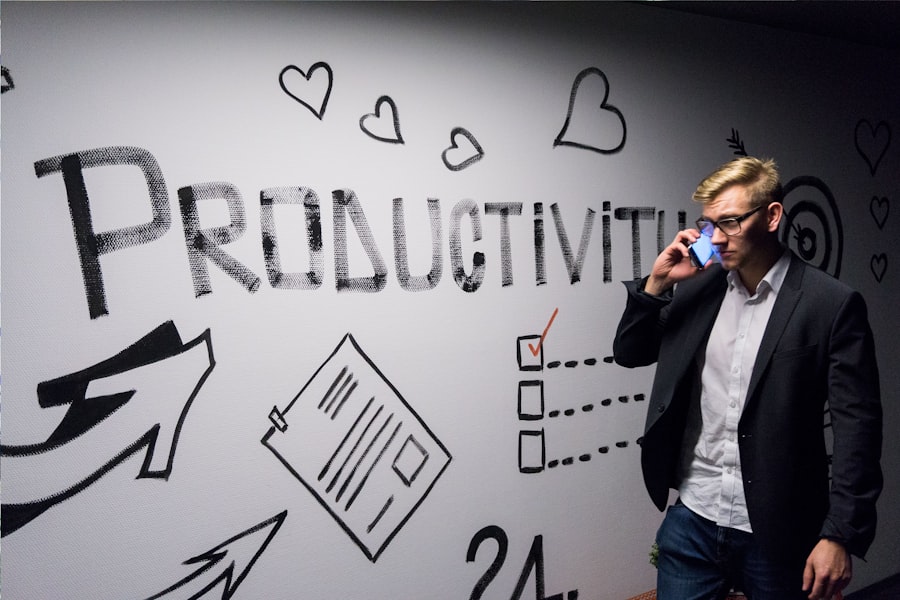
Distractions are one of the biggest barriers to productivity. In today’s digital age, it’s all too easy to get sidetracked by notifications from your phone or social media. To combat this, consider creating a dedicated workspace that is free from interruptions.
This could mean decluttering your desk or finding a quiet corner in your home or office where you can focus solely on your work. By establishing a distraction-free environment, you set the stage for deeper concentration and more efficient task completion. Moreover, it’s essential to establish boundaries with technology.
You might find it helpful to turn off notifications during work hours or use apps designed to block distracting websites. Setting specific times for checking emails or social media can also help you stay on track. By consciously minimizing distractions, you empower yourself to maintain focus and enhance your overall productivity.
Delegate When Possible
Delegation is a crucial skill that can significantly lighten your workload and enhance team efficiency. If you’re in a position where you can delegate tasks, take advantage of this opportunity.
By entrusting others with responsibilities, you not only free up your time but also empower them to develop their skills and contribute more meaningfully to the team. However, effective delegation requires clear communication. When assigning tasks, be specific about what needs to be done and provide any necessary resources or guidance.
This clarity helps prevent misunderstandings and ensures that everyone is on the same page. Remember, delegation isn’t just about offloading work; it’s about fostering collaboration and creating an environment where everyone can thrive.
Utilize Technology Tools
| Productivity Hack | Description | Estimated Time Saved per Day | Effectiveness Rating (1-10) |
|---|---|---|---|
| Pomodoro Technique | Work in focused 25-minute intervals followed by 5-minute breaks to maintain concentration. | 1-2 hours | 8 |
| Batch Tasking | Group similar tasks together to reduce context switching and increase efficiency. | 30-60 minutes | 7 |
| Prioritization with Eisenhower Matrix | Organize tasks by urgency and importance to focus on what truly matters. | 45 minutes | 9 |
| Use of To-Do Lists | Maintain a daily list to track tasks and avoid forgetting important activities. | 20-30 minutes | 7 |
| Eliminate Distractions | Turn off notifications and create a focused work environment. | 1 hour | 8 |
| Automate Repetitive Tasks | Use tools and software to automate routine activities like email sorting or scheduling. | 1-2 hours | 9 |
| Set Time Limits for Tasks | Allocate specific time blocks to tasks to prevent overworking and procrastination. | 30-45 minutes | 7 |
In an era where technology is at our fingertips, leveraging digital tools can significantly enhance your productivity. There are countless applications designed to help with task management, project tracking, and communication. For instance, tools like Trello or Asana allow you to organize projects visually, making it easier to track progress and deadlines.
By utilizing these platforms, you can streamline your workflow and keep all team members informed. Additionally, consider using automation tools like Zapier or IFTTT to connect different applications and automate repetitive tasks. This not only saves time but also reduces the likelihood of errors that can occur when performing manual tasks.
Embracing technology can transform the way you work, allowing you to focus on higher-level responsibilities while routine tasks are handled seamlessly in the background.
Streamline Your Workflow

Streamlining your workflow involves analyzing your current processes and identifying areas for improvement. Take a step back and evaluate how you approach tasks from start to finish. Are there steps that could be eliminated or combined?
Perhaps there are tools or resources that could make certain processes more efficient. By optimizing your workflow, you can reduce wasted time and effort, ultimately leading to increased productivity. One effective way to streamline your workflow is by creating templates for recurring tasks or projects.
Whether it’s drafting emails, reports, or presentations, having a template saves time and ensures consistency in your work. Additionally, consider documenting standard operating procedures for tasks that are frequently performed by you or your team. This not only aids in training new members but also provides a reference point for everyone involved.
Set Clear Goals and Deadlines
Setting clear goals is fundamental to maintaining focus and direction in your work. When you have specific objectives in mind, it becomes easier to prioritize tasks and allocate your time effectively. Start by defining both short-term and long-term goals that align with your overall vision.
Make sure these goals are SMART—Specific, Measurable, Achievable, Relevant, and Time-bound—to enhance clarity and accountability. Deadlines play a crucial role in goal-setting as well. They create a sense of urgency that can motivate you to take action and avoid procrastination.
When setting deadlines, be realistic about what can be accomplished within a given timeframe. Break larger projects into smaller milestones with their own deadlines to make the process more manageable. This approach not only keeps you on track but also provides opportunities for celebration as you achieve each milestone.
Take Regular Breaks
While it may seem counterintuitive, taking regular breaks can actually boost your productivity. Working for extended periods without rest can lead to burnout and decreased focus over time. Incorporating short breaks into your routine allows your mind to recharge and enhances overall performance.
You might consider using techniques like the Pomodoro Technique, which involves working for 25 minutes followed by a 5-minute break. During these breaks, engage in activities that help clear your mind—whether it’s stretching, going for a short walk, or practicing mindfulness exercises. These moments of respite not only improve mental clarity but also foster creativity when you return to work.
By prioritizing breaks as part of your workflow, you create a sustainable approach to productivity that benefits both your mental health and work output.
Automate Repetitive Tasks
Automation is one of the most effective ways to enhance efficiency in your daily routine. Identify tasks that are repetitive in nature—such as data entry, email responses, or scheduling—and explore ways to automate them using technology. Many software solutions offer automation features that can save you significant time and reduce the risk of human error.
For example, email marketing platforms often allow you to set up automated responses or drip campaigns that engage customers without requiring constant manual input from you. Similarly, project management tools can automate reminders for deadlines or updates on task progress. By automating these routine tasks, you free up valuable time that can be redirected toward more strategic initiatives.
Implement the Two-Minute Rule
The Two-Minute Rule is a simple yet effective strategy for managing small tasks efficiently. The premise is straightforward: if a task will take two minutes or less to complete, do it immediately rather than putting it off for later. This approach helps prevent small tasks from piling up and becoming overwhelming over time.
By adopting this rule into your daily routine, you’ll find that many minor tasks—like responding to quick emails or organizing files—can be completed almost effortlessly in just a couple of minutes. This not only keeps your workspace organized but also contributes to a sense of accomplishment throughout the day as you check off these small wins.
Reflect and Adjust Your Strategies
Finally, reflection is an essential component of effective productivity management. Regularly take time to assess what strategies are working well for you and which ones may need adjustment. Consider keeping a journal where you document your daily accomplishments and challenges; this practice allows you to identify patterns in your productivity habits over time.
As you reflect on your strategies, be open to making changes based on what you learn about yourself and your work style. Productivity is not a one-size-fits-all approach; what works for one person may not work for another. By continuously evaluating and adjusting your methods, you can create a personalized productivity system that aligns with your unique needs and goals.
In conclusion, enhancing productivity requires a multifaceted approach that combines effective task prioritization with strategic planning and self-awareness. By implementing these techniques—prioritizing tasks, utilizing time-blocking methods, minimizing distractions, delegating when possible, leveraging technology tools, streamlining workflows, setting clear goals and deadlines, taking regular breaks, automating repetitive tasks, applying the Two-Minute Rule, and reflecting on strategies—you can cultivate an environment conducive to sustained productivity and personal growth.
If you’re looking for effective productivity hacks tailored for busy individuals, you might find valuable insights in the article on Productive Patty. This resource offers practical tips and strategies to help you maximize your time and streamline your daily tasks, making it easier to achieve your goals amidst a hectic schedule.
📌WATCH THIS! Your To-Do List Is a LIE: Why It Triggers Your Brain’s Shame Cycle
FAQs
What is a productivity hack?
A productivity hack is a technique, strategy, or tool designed to help individuals work more efficiently and effectively, often by saving time or reducing effort.
Why are productivity hacks important for busy people?
Productivity hacks help busy people manage their time better, prioritize tasks, reduce stress, and accomplish more in less time, which is essential when juggling multiple responsibilities.
Can productivity hacks be customized to individual needs?
Yes, productivity hacks can and should be tailored to fit an individual’s specific work style, goals, and daily routine for maximum effectiveness.
Are productivity hacks only useful for work-related tasks?
No, productivity hacks can be applied to both professional and personal tasks to improve overall time management and efficiency.
Do productivity hacks require special tools or technology?
Not necessarily. While some productivity hacks involve apps or software, many are simple behavioral changes or organizational techniques that require no special tools.
How quickly can someone see results from using productivity hacks?
Results vary depending on the hack and individual, but many people notice improvements in focus and task completion within days or weeks of consistent practice.
Are there any risks associated with using productivity hacks?
Generally, productivity hacks are safe, but over-reliance on certain techniques or tools without balance can lead to burnout or decreased creativity.
Can productivity hacks help reduce stress?
Yes, by improving time management and task prioritization, productivity hacks can help reduce feelings of overwhelm and stress.
Is it necessary to try multiple productivity hacks to find what works?
Yes, experimenting with different hacks can help individuals discover the most effective strategies for their unique needs and circumstances.
Where can I find reliable productivity hacks for busy people?
Reliable productivity hacks can be found in books, reputable websites, productivity blogs, and through advice from productivity experts and coaches.