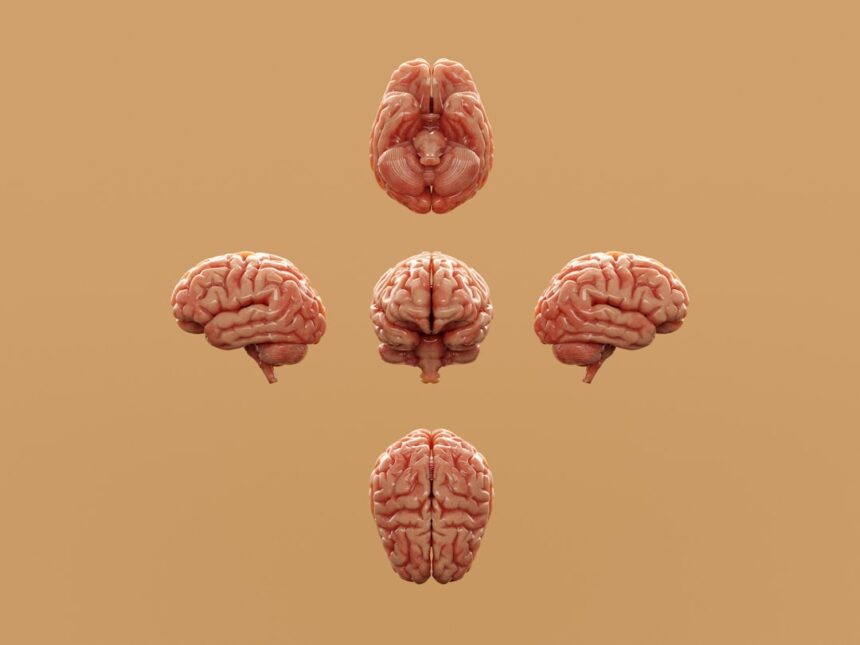
The Vagal System: A Critical Component of Nervous Function
The vagal system is a fundamental yet frequently underemphasized component of the nervous system that significantly impacts overall health. Central to this system is the vagus nerve—the longest cranial nerve in the human body—which extends from the brainstem through the neck and into the abdomen, with branches connecting to multiple organs. This extensive neural network serves as a bidirectional communication pathway between the brain and vital organs, facilitating essential regulatory functions.
The vagal system plays a critical role in stress response modulation, heart rate regulation, and digestive process management. This neural infrastructure enables homeostatic maintenance, allowing the body to adapt to environmental changes and internal conditions. The vagal system’s influence extends beyond basic physiological functions to affect emotional regulation and psychological states, demonstrating the interconnectedness of neural pathways in maintaining both physical and mental equilibrium.
Key Takeaways
- The vagal system plays a crucial role in regulating the nervous system and overall bodily functions.
- Dysfunction in the vagal system can negatively impact both mental health and physical well-being.
- Symptoms of vagal system dysfunction include a range of emotional, psychological, and physical issues.
- Causes of vagal dysfunction vary, requiring accurate diagnosis and targeted treatment approaches.
- Lifestyle changes and holistic therapies can support and improve vagal system health and gut connection.
The Role of the Vagus Nerve in the Nervous System
The vagus nerve is a key player in the autonomic nervous system, which is divided into two main branches: the sympathetic and parasympathetic systems. While the sympathetic system prepares your body for fight-or-flight responses during stressful situations, the vagus nerve is part of the parasympathetic system, which promotes relaxation and recovery. This balance between the two systems is essential for maintaining your health, as it allows you to respond appropriately to stressors while also ensuring that your body can rest and heal.
When the vagus nerve is functioning optimally, it helps regulate various bodily functions, including heart rate, digestion, and immune response. For instance, when you experience stress, the vagus nerve can help lower your heart rate and promote a sense of calm once the threat has passed. Additionally, it plays a significant role in digestion by stimulating the production of digestive enzymes and promoting gut motility.
By understanding the multifaceted role of the vagus nerve, you can appreciate its importance in maintaining a balanced and healthy nervous system.
How the Vagal System Can Sabotage the Nervous System
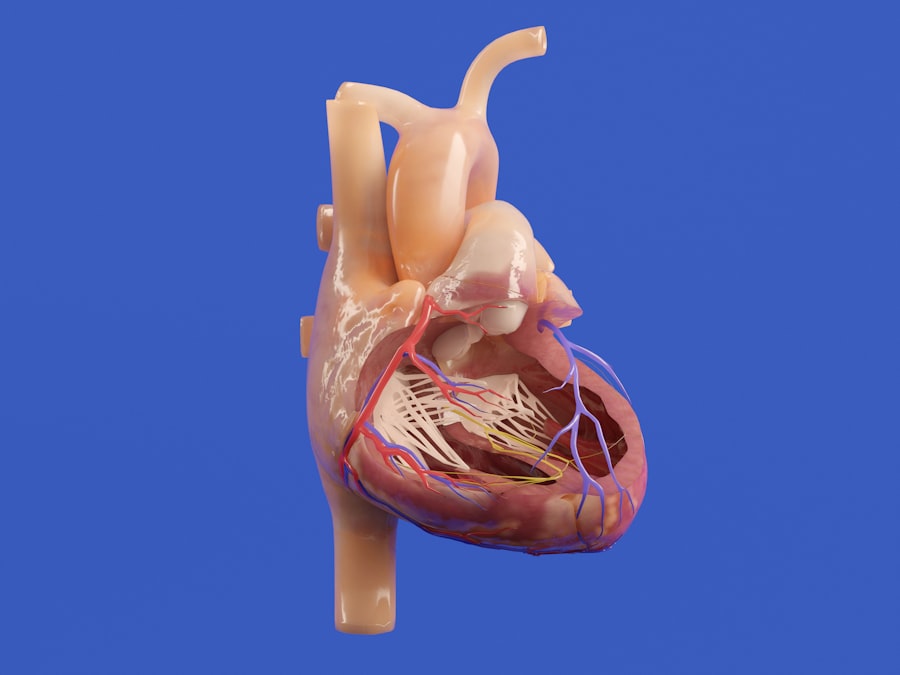
Despite its many benefits, the vagal system can sometimes become dysregulated, leading to a host of issues that can sabotage your nervous system’s functionality. When this occurs, you may experience an imbalance between the sympathetic and parasympathetic systems, resulting in heightened stress responses or an inability to relax. This dysregulation can manifest in various ways, including chronic anxiety, digestive problems, and even cardiovascular issues.
One common way that the vagal system can sabotage your nervous system is through a phenomenon known as “vagal tone.” Vagal tone refers to the activity level of the vagus nerve and its ability to regulate heart rate and other bodily functions.
Conversely, a high vagal tone promotes relaxation and resilience against stressors.
By recognizing how vagal tone affects your overall well-being, you can take steps to improve it and restore balance to your nervous system.
Impact of Vagal System Dysfunction on Mental Health
The dysfunction of the vagal system can have significant repercussions on your mental health. When the vagus nerve is not functioning properly, it can lead to increased levels of anxiety and depression. This is largely due to its role in regulating mood and emotional responses.
A well-functioning vagus nerve helps to release neurotransmitters like serotonin and dopamine, which are essential for maintaining a positive mood. When this system is compromised, you may find yourself feeling more irritable or emotionally unstable. Moreover, research has shown that individuals with low vagal tone are more likely to experience mental health disorders.
This connection highlights the importance of addressing vagal system dysfunction as part of a comprehensive approach to mental health treatment.
Physical Symptoms of Vagal System Dysfunction
| Metric | Description | Typical Range/Value | Impact of Vagal System Sabotage |
|---|---|---|---|
| Heart Rate Variability (HRV) | Measure of variation in time between heartbeats, indicating vagal tone | 50-100 ms (healthy adults) | Decreased HRV, indicating reduced parasympathetic activity |
| Resting Heart Rate | Number of heartbeats per minute at rest | 60-80 bpm (healthy adults) | Increased resting heart rate due to vagal inhibition |
| Respiratory Sinus Arrhythmia (RSA) | Heart rate variability linked to breathing cycle, reflecting vagal influence | 0.1-0.3 Hz frequency range | Reduced RSA amplitude, indicating vagal system dysfunction |
| Blood Pressure Regulation | Ability to maintain stable blood pressure via autonomic control | 120/80 mmHg (normal) | Impaired regulation, potential for hypertension or hypotension |
| Gastrointestinal Motility | Movement of food through the digestive tract controlled by vagus nerve | Normal peristalsis rate | Slowed motility, leading to digestive issues like gastroparesis |
| Inflammatory Response | Vagal anti-inflammatory pathway modulates cytokine release | Balanced cytokine levels | Increased pro-inflammatory cytokines due to vagal suppression |
The physical manifestations of vagal system dysfunction can be quite diverse and may affect various systems within your body. You might experience gastrointestinal issues such as bloating, constipation, or irritable bowel syndrome (IBS), all of which can be linked to poor vagal function. The vagus nerve plays a crucial role in regulating digestion; when it is not functioning optimally, it can lead to significant discomfort and digestive disturbances.
In addition to gastrointestinal symptoms, you may also notice cardiovascular issues stemming from vagal dysfunction. A low vagal tone can result in an elevated heart rate or blood pressure, increasing your risk for cardiovascular diseases over time. Furthermore, you might experience chronic fatigue or sleep disturbances as a result of an imbalanced autonomic nervous system.
Recognizing these physical symptoms as potential indicators of vagal system dysfunction can empower you to seek appropriate interventions.
Emotional and Psychological Symptoms of Vagal System Dysfunction
Emotional and psychological symptoms associated with vagal system dysfunction can be just as debilitating as physical symptoms. You may find yourself feeling overwhelmed by stress or unable to cope with everyday challenges. This heightened emotional sensitivity can lead to feelings of hopelessness or despair, making it difficult for you to engage in activities that once brought you joy.
Additionally, individuals with vagal dysfunction often report experiencing mood swings or difficulty regulating their emotions. This instability can create challenges in personal relationships and hinder your ability to connect with others on an emotional level. By understanding these emotional symptoms as potential signs of vagal dysfunction, you can take proactive steps toward healing and restoring balance in your life.
Causes of Vagal System Dysfunction
Several factors can contribute to vagal system dysfunction, ranging from lifestyle choices to underlying medical conditions. Chronic stress is one of the most significant contributors; when you are constantly exposed to stressors without adequate recovery time, it can lead to a decrease in vagal tone over time. Additionally, poor diet and lack of physical activity can negatively impact your overall health and contribute to dysregulation within the vagal system.
Certain medical conditions may also play a role in vagal dysfunction. For instance, autoimmune disorders or chronic inflammation can disrupt normal nerve function and lead to imbalances within the autonomic nervous system. Understanding these causes is essential for developing effective strategies for improving your vagal health and overall well-being.
Diagnosis and Treatment of Vagal System Dysfunction
Diagnosing vagal system dysfunction typically involves a comprehensive evaluation by a healthcare professional who specializes in autonomic disorders. They may conduct various tests to assess your heart rate variability (HRV), which serves as an indicator of vagal tone. A low HRV may suggest poor vagal function and help guide treatment options.
Treatment for vagal system dysfunction often includes a combination of lifestyle modifications and therapeutic interventions aimed at improving vagal tone. Techniques such as deep breathing exercises, meditation, and yoga can help stimulate the vagus nerve and promote relaxation. Additionally, cognitive-behavioral therapy (CBT) may be beneficial for addressing emotional symptoms associated with dysregulation.
Lifestyle Changes to Support Vagal System Health
Making intentional lifestyle changes can significantly enhance your vagal system health. Incorporating regular physical activity into your routine is one effective way to boost vagal tone; exercise has been shown to stimulate the vagus nerve and improve overall autonomic function. Aim for at least 30 minutes of moderate exercise most days of the week to reap these benefits.
In addition to exercise, prioritizing a balanced diet rich in whole foods can support optimal vagal function. Foods high in omega-3 fatty acids, probiotics, and antioxidants are particularly beneficial for promoting gut health and reducing inflammation—both of which are essential for maintaining a healthy vagal system. Furthermore, practicing mindfulness techniques such as meditation or deep breathing exercises can help reduce stress levels and enhance your overall sense of well-being.
The Connection Between the Vagal System and Gut Health
The relationship between the vagal system and gut health is profound and multifaceted. The gut-brain axis refers to the bidirectional communication between your gastrointestinal tract and brain via the vagus nerve. This connection means that any disruption in gut health can directly impact your mental state and vice versa.
When your gut microbiome is balanced, it produces neurotransmitters that positively influence mood and cognitive function. Conversely, an unhealthy gut can lead to inflammation and dysregulation within the vagus nerve, exacerbating symptoms of anxiety or depression. By nurturing your gut health through dietary choices and lifestyle practices, you can support both your digestive function and emotional well-being.
Holistic Approaches to Healing Vagal System Dysfunction
Holistic approaches offer valuable strategies for healing vagal system dysfunction by addressing both physical and emotional aspects of well-being. Integrative therapies such as acupuncture or chiropractic care may help restore balance within the autonomic nervous system by promoting relaxation and reducing tension throughout the body. Additionally, engaging in practices like mindfulness meditation or yoga not only enhances relaxation but also fosters greater awareness of bodily sensations—allowing you to better tune into your body’s needs.
These holistic methods encourage self-care and empower you to take an active role in improving your overall health. In conclusion, understanding the complexities of the vagal system is essential for recognizing its impact on both physical and mental health. By exploring its functions, symptoms of dysfunction, causes, diagnosis, treatment options, lifestyle changes, gut health connections, and holistic approaches to healing, you are better equipped to support your own well-being.
Embracing these insights will empower you on your journey toward optimal health through improved vagal function.
The vagal nervous system plays a crucial role in regulating our body’s stress response and overall well-being. Understanding how to support this system can be vital for maintaining mental and physical health. For more insights on this topic, you can read the article on the importance of the vagal system and its impact on our daily lives at this link.
FAQs
What is the vagal system in the nervous system?
The vagal system refers to the vagus nerve, which is the tenth cranial nerve. It plays a crucial role in the parasympathetic nervous system, helping regulate heart rate, digestion, respiratory rate, and other vital bodily functions.
What does “nervous system sabotage” mean in relation to the vagal system?
“Nervous system sabotage” typically refers to disruptions or dysfunctions within the nervous system, including the vagal system, that impair its normal functioning. This can lead to symptoms such as irregular heart rate, digestive issues, or impaired stress responses.
How can the vagal system be disrupted or “sabotaged”?
The vagal system can be disrupted by factors such as chronic stress, inflammation, infections, trauma, or neurological disorders. These disruptions can impair vagal tone, leading to reduced parasympathetic activity and imbalance in autonomic nervous system regulation.
What are common symptoms of vagal system dysfunction?
Symptoms may include dizziness, fainting, digestive problems, heart rate irregularities, anxiety, depression, and difficulty managing stress. These symptoms arise due to impaired regulation of bodily functions controlled by the vagus nerve.
Can vagal system dysfunction be treated or managed?
Yes, vagal system dysfunction can often be managed through lifestyle changes, stress reduction techniques, physical therapy, and in some cases, medical interventions such as vagus nerve stimulation. Improving overall health and reducing inflammation can also support vagal function.
What role does the vagus nerve play in stress and relaxation?
The vagus nerve is a key component of the parasympathetic nervous system, which promotes relaxation and recovery. It helps slow the heart rate, reduce blood pressure, and stimulate digestion, counteracting the body’s stress response.
Is vagus nerve stimulation a common treatment?
Vagus nerve stimulation (VNS) is an FDA-approved treatment for certain conditions such as epilepsy and depression. It involves electrical stimulation of the vagus nerve to improve its function and regulate nervous system activity.
How can one naturally support the health of the vagal system?
Practices such as deep breathing exercises, meditation, yoga, cold exposure, and regular physical activity can enhance vagal tone and support the health of the vagal system. Maintaining a healthy diet and managing stress are also beneficial.