
Japan’s social security system is a comprehensive framework providing financial support and healthcare services to citizens. As a highly developed nation, Japan maintains an extensive social security network covering pensions, healthcare, and welfare programs. The sustainability of this system faces increasing challenges due to demographic changes and economic constraints.
The government dedicates a substantial portion of its budget to social security, highlighting its commitment to population welfare. This article examines the factors affecting Japan’s social security expenditures, particularly focusing on its aging population and resulting challenges. Japan’s social security system serves as a fundamental element of the nation’s social structure, not just as a safety net.
It aims to prevent elderly poverty, ensure healthcare accessibility, and provide family support during difficult times. However, the aging population and declining birth rates are testing these programs’ financial sustainability. The growing ratio of retirees to working-age individuals creates significant funding and maintenance challenges for these essential services.
A thorough understanding of Japan’s social security spending dynamics is essential for both policymakers and citizens navigating the complexities of changing demographics.
Key Takeaways
- Japan’s aging population significantly increases social security spending demands.
- Funding challenges arise due to a shrinking workforce and rising elderly care costs.
- Government intervention is crucial for implementing sustainable social security reforms.
- Enhancing workforce participation and promoting long-term savings are key solutions.
- Pension system reforms and balancing generational equity are essential for future stability.
The Aging Population and its Impact on Social Security Spending
Japan is facing one of the most pronounced aging crises in the world. With one of the highest life expectancies globally, coupled with a declining birth rate, the proportion of elderly citizens is steadily increasing. This demographic shift has profound implications for social security spending, as a larger elderly population necessitates greater financial resources for pensions and healthcare services.
The ratio of working-age individuals to retirees is shrinking, leading to increased pressure on the social security system. As more individuals retire, the burden on the working population to support these programs grows heavier. The implications of an aging population extend beyond mere numbers; they also encompass societal attitudes and economic productivity.
As older adults require more healthcare services and long-term care, expenditures in these areas are expected to rise sharply. This trend not only strains public finances but also raises questions about the adequacy of current social security benefits. Policymakers must grapple with how to balance the needs of an aging population while ensuring that younger generations are not unduly burdened by rising costs.
The challenge lies in creating a sustainable model that can adapt to these demographic realities without compromising the quality of life for all citizens.
Challenges in Funding Japan’s Social Security Programs
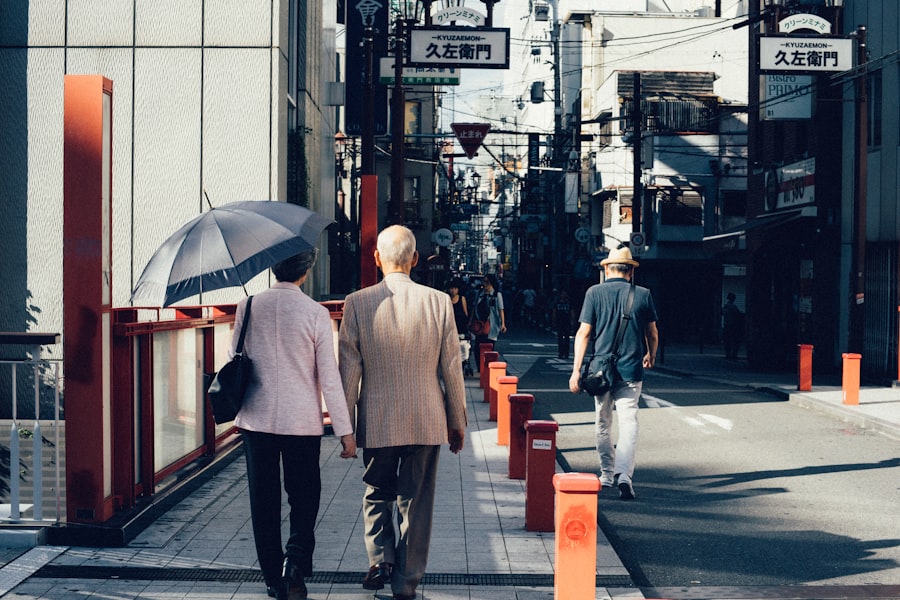
Funding Japan’s social security programs presents a myriad of challenges that are both immediate and long-term. One of the most pressing issues is the increasing financial strain on the national budget due to rising expenditures on pensions and healthcare. As the number of beneficiaries grows, so too does the need for funding sources that can adequately support these programs.
The traditional reliance on payroll taxes and government revenues is becoming less viable as the workforce shrinks and economic growth slows. This creates a precarious situation where funding gaps may emerge, threatening the stability of social security benefits.
Stagnant wage growth and low inflation rates have hindered revenue generation, making it difficult for the government to keep pace with rising social security costs. Additionally, public debt levels are already high, limiting the government’s ability to borrow more funds to cover these expenses. The challenge lies not only in securing adequate funding but also in ensuring that resources are allocated efficiently and effectively.
Policymakers must explore innovative solutions to address these funding challenges while maintaining public trust in the social security system.
The Role of Government in Addressing Social Security Spending Challenges
The Japanese government plays a pivotal role in addressing the challenges associated with social security spending. As the primary provider of social security benefits, it is responsible for implementing policies that ensure the sustainability and effectiveness of these programs. This involves not only managing current expenditures but also anticipating future needs based on demographic trends.
The government must engage in proactive planning to create a resilient social security system that can withstand economic fluctuations and demographic shifts. In recent years, there have been efforts to reform social security policies to better align them with current realities.
Additionally, public awareness campaigns aimed at educating citizens about their roles in supporting social security can foster a sense of collective responsibility. By actively engaging with stakeholders—including citizens, businesses, and experts—the government can develop comprehensive strategies that address both immediate concerns and long-term sustainability.
Solutions for Sustainable Social Security Spending in Japan
| Year | Social Security Spending (Trillion Yen) | Percentage of GDP | Main Components |
|---|---|---|---|
| 2018 | 33.0 | 14.2% | Pensions, Healthcare, Welfare |
| 2019 | 34.5 | 14.5% | Pensions, Healthcare, Welfare |
| 2020 | 36.0 | 15.0% | Pensions, Healthcare, Welfare |
| 2021 | 37.5 | 15.3% | Pensions, Healthcare, Welfare |
| 2022 | 39.0 | 15.6% | Pensions, Healthcare, Welfare |
To ensure sustainable social security spending in Japan, a multifaceted approach is necessary. One potential solution involves diversifying funding sources beyond traditional payroll taxes. This could include exploring alternative revenue streams such as consumption taxes or capital gains taxes, which may provide a more stable funding base as demographics continue to shift.
Additionally, investing in economic growth initiatives can help expand the tax base by increasing employment opportunities and wages. Another critical aspect of sustainability lies in enhancing efficiency within existing programs. Streamlining administrative processes and reducing waste can free up resources that can be redirected toward essential services.
Furthermore, leveraging technology to improve service delivery can enhance accessibility and reduce costs over time. By adopting innovative practices and embracing digital solutions, Japan can create a more responsive social security system that meets the evolving needs of its population.
Encouraging Workforce Participation and Productivity
Encouraging workforce participation is essential for bolstering Japan’s social security system amidst an aging population. With a shrinking labor force, it becomes increasingly important to engage underrepresented groups such as women and older workers in the workforce. Policies aimed at promoting flexible work arrangements, childcare support, and retraining programs can help facilitate greater participation among these demographics.
By tapping into this potential talent pool, Japan can mitigate some of the pressures associated with an aging population. Moreover, enhancing productivity within the workforce is equally crucial for sustaining social security funding. Investing in education and skills development can empower workers to adapt to changing job markets and technological advancements.
By fostering a culture of continuous learning and innovation, Japan can improve overall economic performance while simultaneously supporting social security programs through increased tax revenues. A robust workforce not only contributes to economic growth but also strengthens the foundation upon which social security relies.
Promoting Long-term Savings and Financial Planning
Promoting long-term savings and financial planning among citizens is another vital strategy for ensuring sustainable social security spending in Japan. As individuals are encouraged to take greater responsibility for their financial futures, they can alleviate some of the burdens placed on public programs. Initiatives aimed at enhancing financial literacy can empower citizens to make informed decisions about saving for retirement and managing healthcare costs.
Incentivizing personal savings through tax-advantaged accounts or employer-sponsored retirement plans can further encourage individuals to prepare for their financial futures. By fostering a culture of savings and investment, Japan can create a more resilient society capable of weathering economic uncertainties without relying solely on government support. This shift towards individual responsibility complements public efforts to maintain a robust social security system while promoting overall economic stability.
Addressing Healthcare Costs and Long-term Care for the Elderly
Healthcare costs represent one of the most significant challenges facing Japan’s social security system, particularly as it pertains to long-term care for the elderly. With an increasing number of older adults requiring medical attention and assistance with daily activities, expenditures in this area are projected to rise dramatically. Addressing these costs requires a comprehensive approach that encompasses both preventive care and efficient service delivery.
Investing in preventive healthcare measures can help reduce long-term costs by promoting healthier lifestyles among citizens. Additionally, enhancing access to community-based care services can alleviate some pressure on institutional facilities while providing seniors with more personalized support options. By prioritizing preventive care and community engagement, Japan can create a more sustainable model for addressing healthcare needs while ensuring that elderly citizens receive the care they deserve.
Reforms to the Pension System
Reforming Japan’s pension system is essential for adapting to changing demographics and ensuring long-term sustainability. Current pension structures may need adjustments to reflect the realities of an aging population and shifting economic conditions. This could involve revisiting benefit formulas, retirement ages, or contribution rates to create a more equitable system that balances the needs of current retirees with those of future generations.
Moreover, introducing flexibility into pension plans can empower individuals to tailor their retirement savings strategies according to their unique circumstances. Options such as phased retirement or partial pension withdrawals may provide individuals with greater control over their financial futures while alleviating some pressure on public pension funds. By embracing reformative measures that prioritize adaptability and equity, Japan can strengthen its pension system for years to come.
Balancing Generational Equity in Social Security Spending
Balancing generational equity within Japan’s social security spending is a critical consideration as policymakers navigate complex demographic challenges. Ensuring that both current retirees and future generations receive fair treatment requires careful planning and transparent decision-making processes. It is essential to foster intergenerational dialogue that acknowledges differing needs while promoting shared responsibility for sustaining social security programs.
Engaging younger generations in discussions about social security reform can help build understanding and support for necessary changes. By emphasizing the importance of collective action in addressing funding challenges, policymakers can cultivate a sense of ownership among all age groups regarding their role in maintaining a robust social safety net. Striking this balance will be crucial for fostering trust in the system while ensuring its viability for future generations.
The Future of Social Security Spending in Japan
The future of social security spending in Japan hinges on proactive measures taken today to address pressing challenges posed by an aging population and economic constraints. As demographic shifts continue to reshape society, it is imperative for policymakers to adopt innovative solutions that promote sustainability while ensuring equitable access to essential services for all citizens. By encouraging workforce participation, enhancing financial literacy, reforming pension systems, and addressing healthcare costs, Japan can create a resilient social security framework capable of adapting to changing realities.
Ultimately, fostering collaboration among government entities, private sectors, and citizens will be key to navigating this complex landscape successfully. Through collective efforts aimed at promoting long-term sustainability and generational equity, Japan can secure a brighter future for its social security system—one that honors its commitment to supporting all members of society while embracing the challenges ahead with confidence and determination.
In recent discussions about social security spending in Japan, it’s important to consider the broader implications of demographic changes and economic policies. A related article that delves into these issues can be found at Productive Patty, where various aspects of social security and its sustainability are explored in detail. This resource provides valuable insights into how Japan is navigating its aging population and the financial challenges that come with it.
FAQs
What is social security spending in Japan?
Social security spending in Japan refers to government expenditures on programs designed to provide financial support and services to its citizens, including pensions, healthcare, welfare, and support for the elderly, disabled, and low-income individuals.
Why is social security spending significant in Japan?
Social security spending is significant in Japan due to its rapidly aging population, which increases demand for pensions, healthcare, and elder care services. This demographic shift places considerable financial pressure on the government’s social security budget.
How much does Japan spend on social security?
As of recent data, Japan spends approximately one-third of its national budget on social security. This includes pensions, healthcare, and welfare programs, making it one of the largest components of government expenditure.
What are the main components of social security spending in Japan?
The main components include public pension schemes, healthcare services, long-term care insurance, welfare benefits, and support for families and children.
How does Japan fund its social security programs?
Japan funds its social security programs through a combination of payroll taxes, general taxation, and contributions from beneficiaries. Employers and employees both contribute to pension and health insurance schemes.
What challenges does Japan face regarding social security spending?
Japan faces challenges such as an aging population, a shrinking workforce, and increasing life expectancy, which strain the sustainability of social security programs and require reforms to maintain financial balance.
Has Japan implemented reforms to address social security spending?
Yes, Japan has implemented various reforms, including raising the pension eligibility age, adjusting benefit formulas, promoting longer workforce participation, and encouraging private savings to supplement public pensions.
How does Japan’s social security spending compare internationally?
Japan’s social security spending is among the highest in the world relative to GDP, reflecting its demographic challenges and comprehensive social welfare system.
What impact does social security spending have on Japan’s economy?
High social security spending affects Japan’s fiscal budget, potentially leading to higher taxes or government debt. However, it also supports social stability and the well-being of its aging population.
Where can I find official data on Japan’s social security spending?
Official data can be found through the Ministry of Health, Labour and Welfare of Japan, the Japanese government’s budget reports, and international organizations such as the OECD and World Bank.