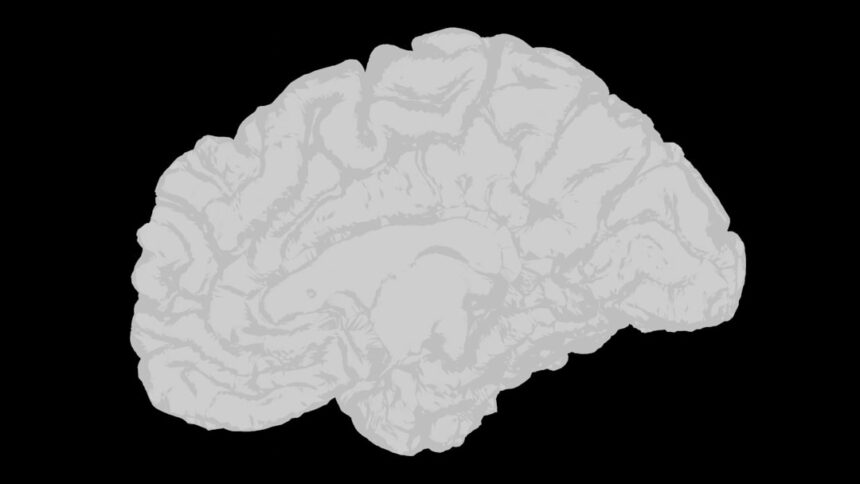
Your brain, a marvel of biological engineering, is not a fixed entity. It is a dynamic landscape, constantly shaped by your actions and choices. Building a younger brain, in the sense of maintaining mental agility and cognitive function throughout your lifespan, is an achievable goal. This involves cultivating habits that fortify neural pathways, enhance processing speed, and preserve memory. Consider your brain as a muscle; without regular, targeted exercise, it will atrophy. This article will guide you through the science-backed practices that can contribute to a more robust and agile mind, effectively combating the natural decline associated with aging.
Your brain is a high-energy organ, consuming a significant portion of your body’s oxygen and glucose. Therefore, the quality of your diet directly impacts its performance. Think of your diet as the construction materials and energy source for your brain. The right nutrients provide the building blocks for neural connections and the power to sustain their activity. Conversely, a poor diet can lead to inflammation and oxidative stress, akin to using substandard materials and unreliable power sources, compromising your brain’s structural integrity and functionality.
The Power of Macronutrients
Your brain relies on a balanced intake of macronutrients – carbohydrates, proteins, and fats – each playing a distinct role in its well-being.
Carbohydrates: The Brain’s Primary Fuel
Carbohydrates are your brain’s preferred energy source. However, not all carbohydrates are created equal.
Complex Carbohydrates for Sustained Energy
Opt for complex carbohydrates found in whole grains, legumes, and vegetables. These are digested slowly, providing a steady release of glucose, your brain’s primary fuel. This is like a well-managed power grid, delivering consistent energy rather than sporadic surges and dips.
Limiting Refined Sugars
Conversely, refined sugars, found in processed foods and sugary drinks, lead to rapid spikes and crashes in blood sugar levels. This can result in cognitive fog, reduced concentration, and impaired memory. Imagine these as unstable power generators that overload the system, leading to breakdowns.
Proteins: The Building Blocks of Neurotransmitters
Proteins are essential for the synthesis of neurotransmitters, the chemical messengers that enable communication between brain cells.
Amino Acids and Their Crucial Roles
Proteins are broken down into amino acids, some of which are vital for neurotransmitter production. For instance, tryptophan is a precursor to serotonin, a neurotransmitter associated with mood regulation and sleep. Tyrosine is involved in the production of dopamine and norepinephrine, which are critical for focus, motivation, and alertness.
Lean Protein Sources
Incorporate lean protein sources such as fish, poultry, beans, and nuts into your diet. These provide the necessary amino acids without excessive saturated fat, which can negatively impact cognitive health.
Healthy Fats: Supporting Neural Structure and Function
Fats are critical components of brain cell membranes and play a crucial role in nerve signal transmission.
Omega-3 Fatty Acids: The Brain’s Super-Fuels
Omega-3 fatty acids, particularly DHA (docosahexaenoic acid) and EPA (eicosapentaenoic acid), are abundant in the brain and are indispensable for cognitive function. DHA is a major structural component of brain cell membranes, contributing to their fluidity and ability to transmit signals efficiently. EPA has anti-inflammatory properties, protecting brain cells from damage. Think of omega-3s as the high-grade lubricants and structural reinforcements that keep your brain’s intricate machinery running smoothly.
Sources of Omega-3s
Excellent sources include fatty fish like salmon, mackerel, and sardines, as well as flaxseeds, chia seeds, and walnuts.
Monounsaturated and Polyunsaturated Fats
Other healthy fats, such as monounsaturated and polyunsaturated fats found in olive oil, avocados, and nuts, also contribute to brain health by reducing inflammation and supporting cell function. Limit saturated and trans fats, which can negatively impact cholesterol levels and blood flow to the brain.
Micronutrients: The Essential Cofactors
Vitamins and minerals, though needed in smaller quantities, are the indispensable cogs and gears that enable your brain’s complex machinery to function. They act as cofactors, facilitating enzymatic reactions vital for neural health and function.
Antioxidants: Shielding Against Oxidative Stress
Your brain is susceptible to oxidative stress, a process driven by free radicals that can damage cells and contribute to cognitive decline.
Vitamins C and E: The Cellular Guardians
Vitamins C and E are potent antioxidants that neutralize free radicals. Vitamin C, found in fruits like citrus and berries, and Vitamin E, found in nuts and seeds, act like microscopic bodyguards, protecting your brain cells from damage.
Other Powerful Antioxidants
Other beneficial antioxidants include beta-carotene (in carrots and sweet potatoes) and flavonoids (in berries and dark chocolate).
B Vitamins: The Energy Metabolizers
B vitamins are crucial for energy metabolism in the brain and the production of neurotransmitters.
Folate, B12, and B6: Brain Health Trio
Folate, vitamin B12, and vitamin B6 are particularly important. They play roles in DNA synthesis, neurotransmitter production, and the maintenance of healthy myelin sheaths, which insulate nerve fibers and facilitate rapid signal transmission. Deficiencies in these vitamins can impair cognitive function and increase the risk of neurological disorders. This trio essentially acts as the maintenance crew, ensuring the efficient operation of your brain’s internal communication network.
Minerals: The Electrolytes and Structural Supports
Minerals like iron, zinc, and magnesium are also vital for brain health.
Iron for Oxygen Transport and Neurotransmitter Synthesis
Iron is crucial for oxygen transport in the blood, ensuring your brain gets the oxygen it needs to function optimally. It also plays a role in neurotransmitter synthesis.
Zinc for Neural Communication
Zinc is involved in synaptic plasticity, the ability of synapses to strengthen or weaken over time, which is fundamental for learning and memory.
Magnesium for Nerve Function and Energy Production
Magnesium is essential for hundreds of biochemical reactions in the body, including nerve function and energy production within brain cells.
To explore the fascinating concept of building a younger brain through habits, you might find the article on Productive Patty particularly insightful. It delves into various strategies and lifestyle changes that can enhance cognitive function and promote mental agility. For more information, you can read the article here: Productive Patty. This resource offers practical tips that align well with the idea of nurturing a youthful brain through everyday practices.
The Art of Mental Exercise: Sharpening Your Cognitive Edge
Just as physical exercise builds muscle mass and cardiovascular strength, mental exercise strengthens neural pathways, improves processing speed, and enhances memory. Your brain thrives on novelty and challenge. Engaging in activities that require problem-solving, critical thinking, and learning keeps your cognitive functions sharp and adaptable, like regularly tuning and upgrading a sophisticated piece of software.
The Importance of Continuous Learning
Lifelong learning is not merely a hobby; it is a cornerstone of cognitive resilience. The act of acquiring new knowledge and skills creates new neural connections and strengthens existing ones, a process known as neuroplasticity.
Embracing New Skills and Hobbies
Learn a new language, master a musical instrument, or take up a challenging craft. These activities demand sustained attention, memory recall, and problem-solving, providing a robust workout for your brain. The more complex and novel the skill, the greater the cognitive benefit.
Reading: A Gateway to Enhanced Cognition
Reading diverse genres, from fiction that expands your empathy and imagination to non-fiction that deepens your understanding of the world, is a powerful cognitive stimulant. It exercises your comprehension, vocabulary, and memory, building a richer internal world.
Problem-Solving and Critical Thinking
Engaging in activities that require you to analyze information, identify patterns, and devise solutions is crucial for maintaining an agile mind.
Puzzles and Brain Games
Crossword puzzles, Sudoku, jigsaw puzzles, and strategy board games are excellent tools for honing your logical reasoning, working memory, and spatial abilities. They present structured challenges that encourage systematic thinking.
Debates and Discussions
Participating in thoughtful discussions and debates, whether formal or informal, forces you to articulate your thoughts, consider opposing viewpoints, and construct reasoned arguments. This sharpens your critical thinking and communication skills.
Memory Enhancement Techniques
Memory is not a passive repository but an active process that can be strengthened through specific techniques.
Mnemonic Devices: The Memory’s Toolkit
Mnemonic devices, such as acronyms, acrostics, and visualization techniques, can significantly improve your ability to recall information. These are like specialized tools that help you organize and retrieve data from your brain’s hard drive.
Spaced Repetition: Reinforcing Learning Over Time
Spaced repetition involves reviewing information at increasing intervals. This method capitalizes on the brain’s natural learning curve, moving information from short-term to long-term memory more effectively.
The Power of Physical Movement: A Catalyst for Cognitive Sharpness
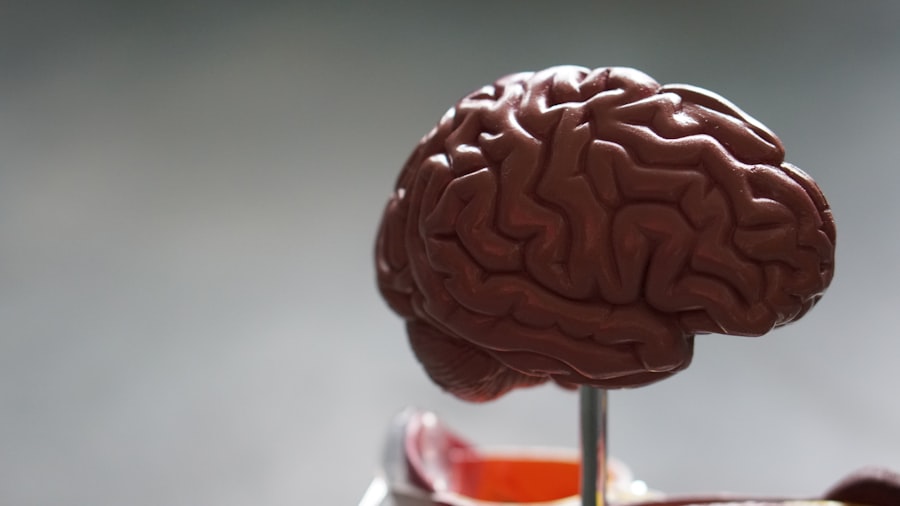
The connection between physical activity and brain health is profound and well-documented. Exercise is not just for your body; it is a vital catalyst for a sharp and agile mind. Think of exercise as flushing out the system, clearing out debris, and bringing in fresh resources to your brain.
Cardiovascular Exercise: Boosting Blood Flow and Brain Health
Aerobic exercise, such as brisk walking, running, swimming, and cycling, significantly benefits your brain.
Increased Blood Flow and Oxygenation
Cardiovascular exercise increases blood flow to the brain, delivering essential oxygen and nutrients. This enhanced circulation is like opening up more highways for vital traffic, ensuring efficient delivery of resources to every part of your brain.
Stimulating Neurotrophic Factors
Physical activity stimulates the release of neurotrophic factors, such as brain-derived neurotrophic factor (BDNF). BDNF acts as fertilizer for your brain cells, promoting the growth of new neurons and strengthening existing ones. It plays a critical role in neurogenesis (the creation of new neurons) and synaptic plasticity, vital for learning and memory.
Strength Training: Building a Resilient Brain
While cardiovascular exercise is often highlighted, strength training also contributes to brain health.
Muscle Mass and Metabolic Health
Building and maintaining muscle mass improves metabolic health, which indirectly benefits the brain by helping to regulate blood sugar levels and reduce inflammation.
Improved Balance and Coordination
Strength training also enhances balance and coordination, which can reduce the risk of falls and subsequent head injuries.
Mind-Body Exercises: Cultivating Focus and Calm
Practices like yoga and Tai Chi integrate physical movement with mindfulness and breath control.
Enhancing Focus and Attention
These disciplines can improve focus, attention, and self-awareness. The deliberate movements and mindful breathing help to quiet mental chatter and enhance present-moment awareness.
Reducing Stress and Anxiety
By promoting relaxation and reducing stress hormones, mind-body exercises create a more conducive environment for optimal brain function. Chronic stress can be a corrosive agent for neural health.
The Crucial Role of Quality Sleep: Recharging and Reorganizing Your Brain
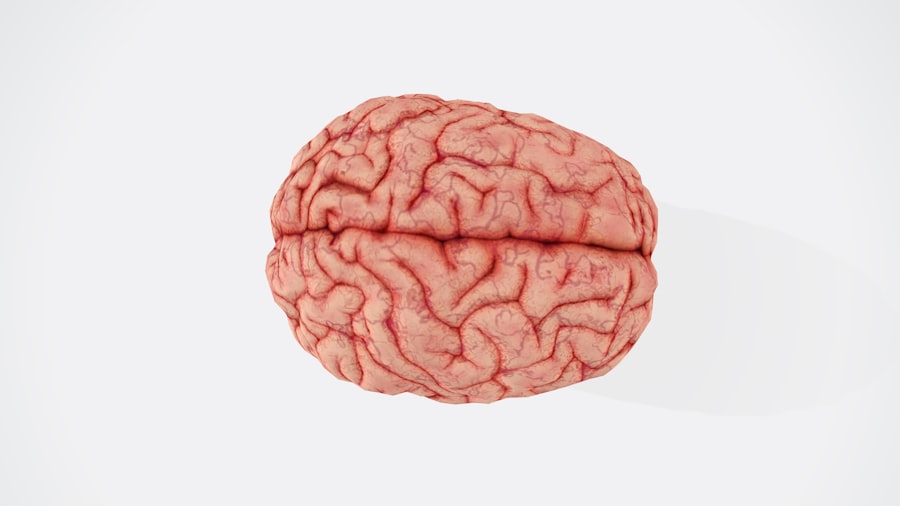
Sleep is not a passive period of inactivity; it is a vital time for your brain to consolidate memories, clear out toxins, and repair itself. Imagine your brain as a busy city; sleep is when the essential maintenance crews come out to fix roads, clean up the streets, and reorganize resources for the next day. Without adequate sleep, this crucial work is left undone, leading to impaired cognitive function.
Sleep Stages and Their Cognitive Significance
Human sleep cycles through distinct stages, each with specific functions for the brain.
REM Sleep: Memory Consolidation and Emotional Processing
Rapid Eye Movement (REM) sleep is characterized by vivid dreaming and is crucial for consolidating memories, learning, and processing emotions. During REM sleep, your brain replays and strengthens neural connections associated with recent experiences.
Slow-Wave Sleep: Neural Repair and Rejuvenation
Slow-wave sleep (deep sleep) is essential for physical restoration, growth hormone release, and for clearing out metabolic waste products that accumulate in the brain during wakefulness. This is like the deep cleaning and structural repair of the city.
Establishing Healthy Sleep Hygiene
Developing consistent sleep habits is paramount for optimal brain function.
Consistent Sleep Schedule: The Brain’s Internal Clock
Maintaining a regular sleep-wake cycle, even on weekends, helps to regulate your body’s natural circadian rhythm. This consistent rhythm acts as a reliable conductor for your brain’s daily operations.
Optimizing Your Sleep Environment
Ensure your bedroom is dark, quiet, and cool. These conditions are conducive to deep, restorative sleep. Think of it as preparing the ideal, distraction-free environment for your brain’s nightly workshop.
Limiting Evening Screen Time
The blue light emitted from electronic devices can interfere with melatonin production, a hormone that regulates sleep. Avoid screens for at least an hour before bedtime. This is like dimming the city lights to signal that it’s time for nighttime operations.
To explore effective strategies for enhancing cognitive function and fostering a younger brain, you might find it beneficial to read a related article that delves into the impact of daily habits on mental agility. By incorporating practices such as mindfulness, regular exercise, and a balanced diet, you can significantly improve your brain health. For more insights on this topic, check out this informative piece on building a younger brain through habits.
The Impact of Stress Management and Emotional Well-being: Guarding Your Neural Sanctuary
| Habit | Effect on Brain | Recommended Frequency | Supporting Metric |
|---|---|---|---|
| Regular Physical Exercise | Increases neurogenesis and improves memory | 30 minutes, 5 times per week | 30% increase in hippocampal volume after 6 months |
| Meditation and Mindfulness | Enhances gray matter density and reduces stress | 10-20 minutes daily | 7-10% increase in prefrontal cortex thickness |
| Learning New Skills | Boosts cognitive flexibility and neural connections | At least 3 times per week | Improved working memory by 15% over 8 weeks |
| Healthy Diet (rich in antioxidants and omega-3) | Protects brain cells and supports synaptic plasticity | Daily | 20% reduction in cognitive decline risk |
| Quality Sleep (7-9 hours) | Facilitates memory consolidation and brain detoxification | Nightly | Improved memory recall by 25% |
| Social Engagement | Enhances emotional regulation and cognitive resilience | Weekly interactions | Reduced risk of dementia by 30% |
Chronic stress and poor emotional well-being can have detrimental effects on your brain, impairing cognitive function and increasing susceptibility to neurological disorders. Your brain is your personal sanctuary; managing stress and nurturing your emotional state is akin to maintaining the security and peace within that sanctuary.
The Neurobiological Effects of Chronic Stress
Prolonged exposure to stress hormones, such as cortisol, can damage the hippocampus, a brain region critical for memory formation and learning. This can manifest as difficulties with concentration, memory problems, and an increased risk of anxiety and depression.
Effective Stress Reduction Techniques
Implementing effective stress management strategies is vital for protecting your brain.
Mindfulness and Meditation: Cultivating Present-Moment Awareness
Mindfulness and meditation involve focusing your attention on the present moment without judgment. These practices can reduce cortisol levels, improve emotional regulation, and enhance cognitive flexibility. They are like finding a quiet control room within the bustling city of your mind, allowing you to observe and manage incoming information more effectively.
Deep Breathing Exercises: Activating the Relaxation Response
Simple deep breathing exercises can activate the parasympathetic nervous system, promoting relaxation and counteracting the body’s stress response. This is like a gentle reset button for your brain’s alarm system.
Social Connection and Support: The Brain’s Social Network
Strong social connections and a supportive network are crucial for emotional well-being and cognitive health. Positive social interactions can buffer the effects of stress and provide a sense of belonging, fostering a healthier brain environment. This is like building strong bridges between different neighborhoods in your city, ensuring smooth communication and mutual support.
By diligently integrating these habits into your daily life, you are actively engaging in the perpetual construction and maintenance of a resilient and agile brain. While aging is a natural process, its impact on your cognitive faculties is not an inevitable decree. Your commitment to these practices serves as a constant reinforcement of your neural architecture, ensuring that your mind remains sharp, adaptable, and vibrant for years to come.
FAQs
What are some daily habits that can help build a younger brain?
Daily habits such as regular physical exercise, engaging in mentally stimulating activities (like puzzles or reading), maintaining a balanced diet rich in antioxidants, getting adequate sleep, and practicing mindfulness or meditation can help build and maintain a younger, healthier brain.
How does physical exercise contribute to brain health?
Physical exercise increases blood flow to the brain, promotes the growth of new brain cells, and enhances the connections between neurons. It also helps reduce inflammation and oxidative stress, which are linked to cognitive decline.
Can learning new skills improve brain function?
Yes, learning new skills challenges the brain, encourages neuroplasticity (the brain’s ability to reorganize itself), and strengthens neural pathways. This can improve memory, problem-solving abilities, and overall cognitive function.
Why is sleep important for maintaining a younger brain?
Sleep is crucial for brain health because it allows the brain to clear out toxins, consolidate memories, and repair neural connections. Poor or insufficient sleep is associated with cognitive decline and increased risk of neurodegenerative diseases.
How does diet influence brain aging?
A diet rich in fruits, vegetables, whole grains, lean proteins, and healthy fats provides essential nutrients and antioxidants that protect brain cells from damage. Diets like the Mediterranean diet have been linked to slower cognitive decline and better brain health.