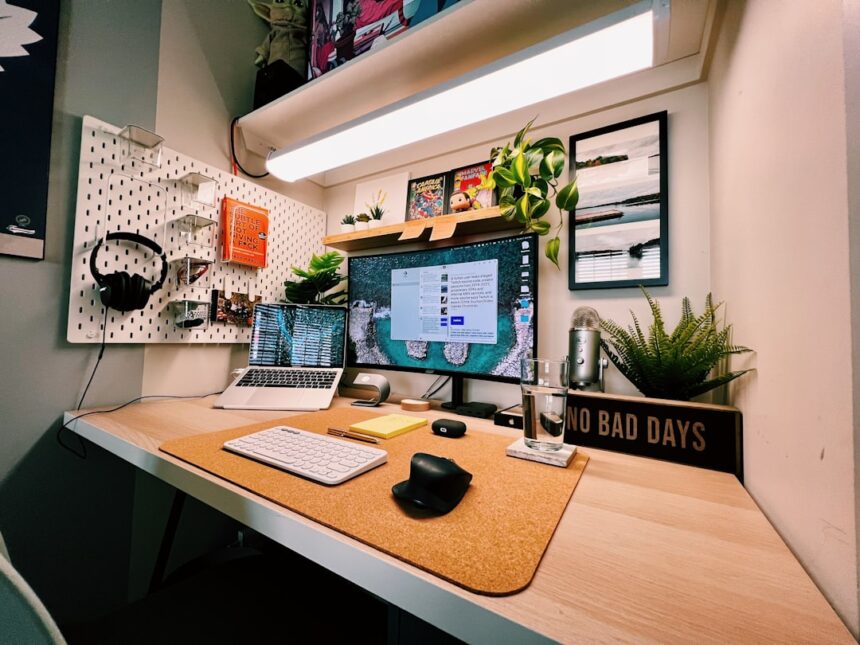
In the fast-paced world we live in, the concept of decision caps has emerged as a crucial factor in enhancing productivity. A decision cap refers to the limit on the number of decisions you can make effectively within a given timeframe. When you exceed this cap, your cognitive resources become depleted, leading to decision fatigue.
This phenomenon can hinder your ability to think clearly and make sound choices, ultimately affecting your overall performance. Understanding this concept is essential for anyone looking to optimize their work environment and improve their efficiency. Environment design plays a pivotal role in how you navigate your daily tasks.
The physical space around you can either facilitate or obstruct your ability to make decisions. A well-designed workspace can minimize distractions, streamline processes, and create a sense of order that allows you to focus on what truly matters. By recognizing the interplay between decision caps and environment design, you can take proactive steps to create a workspace that supports your cognitive functions and enhances your productivity.
Key Takeaways
- Decision caps limit the number of choices to reduce decision fatigue and enhance focus.
- A well-designed environment, including lighting, ergonomics, and noise control, significantly boosts workplace productivity.
- Incorporating natural elements and color psychology can positively influence employee mood and efficiency.
- Balancing technology use is crucial to avoid distractions while leveraging tools that aid productivity.
- Implementing decision caps alongside thoughtful environment design creates an optimal workspace for sustained performance.
The Importance of Productivity in the Workplace
Productivity is often viewed as the lifeblood of any organization. It directly correlates with profitability, employee satisfaction, and overall success. When you are productive, you not only accomplish more tasks but also contribute to a positive work culture that encourages collaboration and innovation.
In today’s competitive landscape, maximizing productivity is not just beneficial; it is essential for survival and growth. Moreover, productivity is not solely about the quantity of work completed; it also encompasses the quality of that work. When you are able to focus and engage deeply with your tasks, the outcomes are often more impactful.
This dual focus on both efficiency and effectiveness is what sets high-performing individuals and teams apart from the rest. By prioritizing productivity in your workplace, you create an environment where everyone can thrive and achieve their best work.
How Decision Caps Can Impact Productivity

The impact of decision caps on productivity cannot be overstated. When you are faced with too many choices or decisions, it can lead to paralysis by analysis, where you become overwhelmed and unable to make any decision at all. This state of indecision can waste valuable time and energy, ultimately stifling your productivity.
Recognizing your decision cap allows you to manage your choices more effectively, ensuring that you remain focused on high-priority tasks.
You might find yourself making hasty choices or overlooking important details simply because your cognitive resources are stretched too thin.
This can lead to mistakes that require additional time and effort to rectify, further detracting from your productivity. By understanding how decision caps function, you can implement strategies to mitigate their effects and maintain a high level of performance throughout your workday.
Creating an Environment Conducive to Productivity
Creating an environment conducive to productivity involves more than just decluttering your desk or organizing files. It requires a holistic approach that considers various elements of your workspace, including layout, design, and available resources. Start by assessing your current environment and identifying factors that may be hindering your productivity.
Are there distractions that pull your attention away from important tasks? Is the layout of your workspace optimized for efficiency? Once you’ve identified potential obstacles, you can take steps to redesign your environment.
This might involve rearranging furniture for better flow, incorporating tools that streamline processes, or even adding personal touches that inspire creativity. The goal is to create a space that not only supports your work but also motivates you to engage fully with your tasks. By investing time and effort into designing a productive environment, you set yourself up for success.
The Role of Lighting in Productivity
| Metric | Description | Impact on Productivity | Recommended Range/Value |
|---|---|---|---|
| Decision Fatigue Threshold | Number of decisions a person can make before quality declines | High decision fatigue reduces productivity and increases errors | Approximately 70 decisions per day |
| Environmental Noise Level | Ambient noise measured in decibels (dB) | Lower noise levels improve focus and reduce distractions | 40-50 dB for optimal concentration |
| Workspace Clutter | Amount of disorganized items in workspace | Less clutter correlates with higher cognitive function and productivity | Minimal clutter; clear desk policy recommended |
| Natural Light Exposure | Hours of natural light in workspace per day | Increases alertness and mood, boosting productivity | At least 2-3 hours daily |
| Decision Simplification Techniques | Use of checklists, templates, or automation to reduce decisions | Reduces cognitive load and speeds up task completion | Implement for repetitive tasks and routine decisions |
| Break Frequency | Number of breaks taken per hour of work | Regular breaks prevent decision fatigue and maintain productivity | 5-10 minute break every 50-60 minutes |
Lighting is one of the most critical yet often overlooked aspects of workplace design. The right lighting can significantly enhance your mood, energy levels, and overall productivity. Natural light is particularly beneficial; it has been shown to improve focus and reduce eye strain.
If possible, position your workspace near windows or incorporate skylights to maximize exposure to daylight. Conversely, poor lighting can lead to fatigue and decreased motivation. Harsh fluorescent lights or dimly lit spaces can create an uncomfortable atmosphere that detracts from your ability to concentrate.
Consider using adjustable lighting options that allow you to customize brightness levels based on the time of day or the nature of your tasks. By prioritizing effective lighting in your workspace, you can create an environment that fosters productivity and well-being.
Ergonomic Furniture and Productivity

The furniture you use in your workspace plays a significant role in your comfort and productivity levels. Ergonomic furniture is designed to support your body’s natural posture and reduce strain during long hours of work. Investing in ergonomic chairs, desks, and accessories can help prevent discomfort and fatigue, allowing you to focus on your tasks without distraction.
When you are comfortable in your workspace, you are more likely to maintain concentration and sustain energy throughout the day. An ergonomic setup encourages healthy movement and reduces the risk of musculoskeletal issues that can arise from prolonged sitting or poor posture. By prioritizing ergonomic furniture in your workspace design, you create an environment that not only enhances productivity but also promotes long-term health and well-being.
The Impact of Noise Levels on Productivity
Noise levels in the workplace can have a profound effect on your ability to concentrate and perform tasks efficiently. Excessive noise can be distracting and lead to decreased focus, while a quiet environment often fosters better concentration and creativity. Understanding how sound impacts productivity allows you to take steps to manage noise levels effectively.
If you work in a noisy environment, consider using noise-canceling headphones or white noise machines to create a more conducive atmosphere for concentration. Alternatively, if you have control over the soundscape in your workspace, think about incorporating soft background music or ambient sounds that promote focus without being intrusive. By addressing noise levels in your environment, you can significantly enhance your productivity and overall work experience.
Incorporating Nature and Biophilic Design for Productivity
Incorporating elements of nature into your workspace can have remarkable effects on productivity and well-being. Biophilic design emphasizes the connection between humans and nature by integrating natural elements into built environments. This could include adding plants, using natural materials, or maximizing views of outdoor spaces.
Research has shown that exposure to nature can reduce stress levels, improve mood, and enhance cognitive function. By bringing nature into your workspace—whether through potted plants or natural light—you create an environment that promotes creativity and focus. Consider dedicating a corner of your office to greenery or using natural materials in your decor to foster a sense of calm and connection with the outdoors.
Using Color Psychology to Enhance Productivity
Color psychology is another powerful tool that can influence productivity in the workplace. Different colors evoke various emotions and responses; for instance, blue is often associated with calmness and focus, while yellow can inspire creativity and optimism. By thoughtfully selecting colors for your workspace—whether through paint, decor, or furniture—you can create an atmosphere that aligns with your productivity goals.
Consider how different colors make you feel when choosing a palette for your workspace. You might opt for calming hues in areas designated for focused work while incorporating brighter colors in collaborative spaces to encourage creativity and interaction. By harnessing the principles of color psychology, you can design an environment that not only looks appealing but also enhances productivity.
Technology and Productivity: Finding the Right Balance
In today’s digital age, technology plays a dual role in productivity—it can either enhance efficiency or become a source of distraction. Finding the right balance is crucial for maximizing productivity in the workplace. While tools like project management software and communication platforms can streamline processes and improve collaboration, excessive reliance on technology can lead to information overload.
To strike this balance, assess which technologies genuinely contribute to your productivity goals and which may be hindering them. Set boundaries around technology use by designating specific times for checking emails or engaging with social media. By being intentional about how you integrate technology into your workflow, you can harness its benefits while minimizing distractions.
Implementing Decision Caps and Environment Design in Your Workspace
Implementing decision caps alongside thoughtful environment design is essential for creating a productive workspace tailored to your needs.
Once you’ve pinpointed these areas, establish clear guidelines or limits on decisions to streamline processes.
Next, focus on optimizing your physical environment based on the principles discussed earlier—lighting, ergonomics, noise management, biophilic design, color psychology, and technology integration all play vital roles in shaping a productive atmosphere. By combining these elements with an awareness of decision caps, you create a holistic approach that empowers you to work more efficiently while maintaining clarity of thought. In conclusion, understanding decision caps and creating an environment conducive to productivity are essential components of achieving success in the workplace.
By prioritizing these factors—alongside considerations like lighting, ergonomics, noise levels, nature integration, color psychology, and technology balance—you set yourself up for enhanced performance and well-being in all aspects of your work life.
In exploring the impact of decision caps and environment design on productivity, it’s insightful to consider how our surroundings can significantly influence our decision-making processes. A related article that delves into this topic is available at Productive Patty, where various strategies for optimizing work environments are discussed. This resource provides practical tips for creating spaces that enhance focus and reduce decision fatigue, ultimately leading to improved productivity.
WATCH THIS! The #1 Reason You Self-Sabotage Success (Cognitive Dissonance FIX!) 🧠
FAQs
What are decision caps in the context of productivity?
Decision caps refer to limits or boundaries set on the number or complexity of decisions a person makes within a certain period. This concept helps reduce decision fatigue, allowing individuals to maintain higher levels of focus and efficiency throughout their workday.
How does environment design influence productivity?
Environment design involves arranging physical and digital workspaces to minimize distractions, enhance comfort, and support efficient workflows. A well-designed environment can improve concentration, reduce stress, and promote better time management, all of which contribute to increased productivity.
Why is managing decision fatigue important for productivity?
Decision fatigue occurs when the quality of decisions deteriorates after making many choices. Managing it through decision caps helps preserve mental energy, leading to better decision-making, improved focus, and sustained productivity over time.
What are some common strategies for implementing decision caps?
Common strategies include limiting daily choices (such as meal options or clothing), batching similar decisions together, automating routine tasks, and prioritizing important decisions earlier in the day when mental energy is highest.
Can environment design impact mental well-being as well as productivity?
Yes, a thoughtfully designed environment can reduce stress and anxiety by creating a calming and organized space. This positive mental state supports sustained productivity and overall well-being.
What elements are important in designing a productive work environment?
Key elements include adequate lighting, ergonomic furniture, minimal clutter, noise control, access to necessary tools and technology, and personalized touches that make the space comfortable and motivating.
How can technology be used to support decision caps and environment design?
Technology can automate routine decisions, provide reminders to take breaks, and help organize tasks. Additionally, digital tools can customize work environments, such as adjusting lighting or sound levels, to optimize focus and comfort.
Is decision caps and environment design applicable to remote work settings?
Absolutely. Remote workers can benefit from setting decision limits to avoid burnout and designing their home offices to minimize distractions and enhance comfort, thereby improving productivity outside traditional office settings.