Your mental energy, much like a wellspring, is a finite resource. It sustains your focus, fuels your problem-solving abilities, and allows you to engage thoughtfully with complex tasks. However, a significant drain on this vital reserve can occur in a place you likely frequent: the meeting room. Meetings, when poorly conceived or executed, can become voracious consumers of your cognitive bandwidth, leaving you depleted and less effective. This article examines how meetings can drain your mental energy and focus, and explores strategies for mitigating these detrimental effects.
Your ability to concentrate, process information, and make decisions is intrinsically linked to your mental energy reserves. Think of it as the charge on your internal battery. When this battery is low, tasks that would ordinarily be manageable become Herculean efforts. Complex problem-solving requires sustained cognitive effort, akin to building a delicate sculpture. It necessitates a steady hand and unimpaired concentration. Without sufficient mental energy, the finer details can be missed, and the overall integrity of the work can suffer. Similarly, effective communication, especially in a dynamic setting like a meeting, demands active listening, thoughtful articulation, and the ability to synthesize multiple perspectives. This cognitive load, when amplified by inefficient meeting practices, can swiftly deplete your reserves. Understanding this fundamental limitation is the first step in recognizing why certain meetings feel so exhausting.
Cognitive Load and Its Impact
The amount of information your working memory can hold and process at any given time is limited. When a meeting bombards you with excessive data, ill-defined objectives, or an overwhelming number of participants, you are subjected to a high cognitive load. This is like trying to juggle an increasing number of balls; eventually, some will inevitably drop. Each piece of information requires processing, and each interaction demands a mental response. This constant engagement, especially when the information is tangential to your core responsibilities or presented in a disorganized fashion, drains your mental energy. You might find yourself struggling to recall key points, feeling a sense of overwhelm, and experiencing diminished decision-making capacity. This is not a sign of personal failing but rather an indication of a system that is overloading your cognitive capacity.
Emotional and Social Demands
Beyond the purely cognitive, meetings also impose emotional and social demands. Navigating interpersonal dynamics, managing potential conflicts, and maintaining a professional demeanor under pressure all consume mental energy. When meetings devolve into unproductive arguments or passive-aggressive exchanges, the emotional toll can be significant. You might find yourself expending energy on emotional regulation, trying to de-escalate tensions, or simply trying to endure an uncomfortable atmosphere. This emotional labor, added to the cognitive tasks, acts as a double drain on your reserves. The anticipation of potentially difficult interactions can even pre-emptively deplete your energy, making you feel fatigued before the meeting even begins.
Meetings can often feel like a drain on mental energy and focus, leaving participants fatigued and less productive. A related article that delves into this phenomenon is available at Productive Patty, where it explores the reasons behind the mental exhaustion caused by frequent meetings and offers strategies to make them more efficient. Understanding these dynamics can help individuals and teams optimize their time and enhance overall productivity.
Common Meeting Structures That Drain Energy
Certain meeting formats and structures, by their very design, are prone to becoming energy sinks. These are the meetings that feel like a slow leak from your mental wellspring, gradually emptying you over time. Recognizing these common culprits is crucial for identifying and implementing more efficient alternatives. The insidious nature of these draining meetings lies in their perceived necessity; they are often scheduled as a matter of course, without critical evaluation of their actual benefit.
The Unstructured “Brain Dump” Session
A meeting with no clear agenda, no defined purpose, and no facilitator can quickly descend into chaos. These sessions often resemble a collective venting session or a meandering discussion with no discernible outcome. The lack of structure means that participants are left to fend for themselves in trying to extract value, which is an exhausting endeavor. It’s akin to being dropped in the middle of a bustling marketplace with no map and no destination. You’re surrounded by activity, but without guidance, you’re unlikely to reach any particular goal efficiently. The mental energy expended in trying to find a thread of relevance, to steer the conversation, or to simply endure the lack of direction can be substantial. You might leave feeling no clearer on the matter at hand, but significantly more tired.
Lack of Defined Objectives
When participants don’t know why they are gathered, their minds will naturally wander or focus on tangential issues. This lack of clear objectives creates ambiguity, which in turn increases cognitive load as individuals try to guess the underlying purpose or contribute in ways that may be irrelevant. The energy required to try and infer meaning from a void is a significant drain.
Absence of Facilitation
Without a dedicated facilitator, control of the conversation can be lost. Dominating personalities can derail productive discussions, while quieter voices may never be heard. The mental effort required to manage these imbalances, to interrupt politely, or to wait for an opportunity to speak can be exhausting. It’s like trying to conduct an orchestra without a conductor; the potential for a beautiful symphony is there, but the discordant notes of unmanaged interaction quickly overwhelm.
The Endless Status Update Meeting
These meetings, often weekly or daily, are designed to provide updates on ongoing tasks. While information sharing is important, the format can become incredibly draining if not optimized. The monotonous iteration of individual progress reports, often covering minutiae that are not relevant to the broader group, can lead to participant disengagement and a feeling of wasted time. It’s like watching a factory conveyor belt, where the same components pass by repeatedly; after a while, the novelty wears off, and the mind drifts. The mental energy is drained not by active participation, but by the passive endurance of repetitive, often unengaging, information. You are forced to listen, to process, and to maintain a semblance of attention, even when the content offers little to no new insight or requires no immediate action from you.
Repetitive Information Delivery
When the same individuals provide updates on the same projects week after week, with little variation or significant change, the information becomes predictable and less engaging. This repetition can lead to inattentiveness, as participants’ minds become accustomed to the pattern and begin to disengage. The mental effort shifts from active listening to simply waiting for one’s turn or for a moment of perceived relevance.
Lack of Actionable Insights
If status updates are presented without clear next steps, potential roadblocks, or collaborative problem-solving, they become purely informational. While knowing what others are doing is useful, the lack of actionable outcomes means the updates contribute little to collective progress. This creates a sense of futility, as participants feel they are merely observers of a process rather than active contributors to its advancement. The mental energy invested in processing these updates feels wasted when it doesn’t translate into tangible progress.
The Decision-by-Committee Meeting
When a significant decision needs to be made, bringing a large group together can seem like the most democratic approach. However, these meetings can become incredibly time-consuming and inefficient, as consensus building among many individuals can be a protracted and energy-intensive process. The sheer number of voices, opinions, and potential disagreements can create a complex web of interactions that require significant mental effort to navigate. It’s akin to trying to steer a large ship with a multitude of captains all shouting conflicting orders; the journey becomes slow, fraught with potential for disaster, and utterly exhausting for everyone involved. The drive for consensus, while noble in intent, can lead to watered-down decisions and prolonged deliberations, draining the collective mental energy without a clear path to resolution.
Diffused Responsibility
When a decision is made by a committee, the sense of individual responsibility can be diluted. This can lead to a lack of decisive action, as individuals may feel less accountable for the outcome when it’s a collective one. The mental effort shifts from making a confident, individual judgment to navigating the opinions and preferences of the group, which can be a draining process of compromise and negotiation.
The Tyranny of the Majority (or Vocal Minority)
In committee settings, decisions can sometimes be swayed by the loudest voices or the sheer weight of numbers, rather than by the most sound reasoning. This can force individuals to expend mental energy trying to counter prevailing opinions or to subtly influence the direction of the discussion, often without success. The frustration of feeling unheard or outvoted can be a significant drain on morale and mental reserves.
Identifying the Signs of a Draining Meeting

Recognizing when a meeting is becoming a drain on your mental energy is the initial step towards reclaiming your focus and productivity. These are the subtle (and sometimes not-so-subtle) indicators that your cognitive reserves are being depleted. Paying attention to these signs can help you proactively adjust your approach or advocate for better meeting practices.
Persistent Fatigue After Meetings
One of the most obvious indicators is a profound sense of exhaustion that lingers long after the meeting has concluded. This isn’t just a mild tiredness; it’s a deep mental depletion that impacts your ability to engage with subsequent tasks. It’s like your mental battery has been completely drained, and recharging takes considerable time and effort. You might find yourself struggling to concentrate on your work, making simple errors, or feeling a general lack of motivation. This fatigue is a direct consequence of the excessive cognitive, emotional, and social demands placed upon you during the meeting.
Post-Meeting Brain Fog
Following a draining meeting, you may experience what is commonly referred to as “brain fog.” This is characterized by difficulty in thinking clearly, a reduced capacity for problem-solving, and an impaired ability to recall information. It’s as if a thick mist has descended upon your cognitive processes, obscuring your usual clarity. This fog can persist for hours, significantly hindering your productivity for the remainder of the day.
Reduced Productivity in Subsequent Tasks
If you find that your ability to focus and perform effectively on your work diminishes considerably after attending certain meetings, it’s a strong sign that those meetings are energy drains. Your mental capacity has been so depleted that you are no longer able to engage with your tasks at your usual level of efficiency. This can manifest as taking longer to complete tasks, making more mistakes, or simply feeling unable to muster the mental effort required for focused work.
Emotional and Psychological Indicators
Beyond physical fatigue, draining meetings can manifest in emotional and psychological symptoms. These are the internal signals that your well-being is being compromised by unproductive meeting environments.
Increased Irritability and Short Temper
When your mental reserves are low, your usual patience can evaporate. You might find yourself becoming more easily irritated by minor inconveniences, snapping at colleagues, or expressing frustration more readily. This is a common coping mechanism when your internal resources are stretched thin; your tolerance for disruption and inefficiency decreases.
Feelings of Demotivation and Cynicism
Consistently attending meetings that feel like a waste of time can erode your motivation and foster a cynical outlook towards them. You might begin to dread meetings, anticipate their futility, and feel a lack of purpose in your contributions. This cynicism is a form of self-preservation, a way to protect yourself from the repeated disappointment of unproductive interactions. It’s like repeatedly trying to quench your thirst with salt water; eventually, you stop expecting relief.
Strategies for Conserving Mental Energy in Meetings
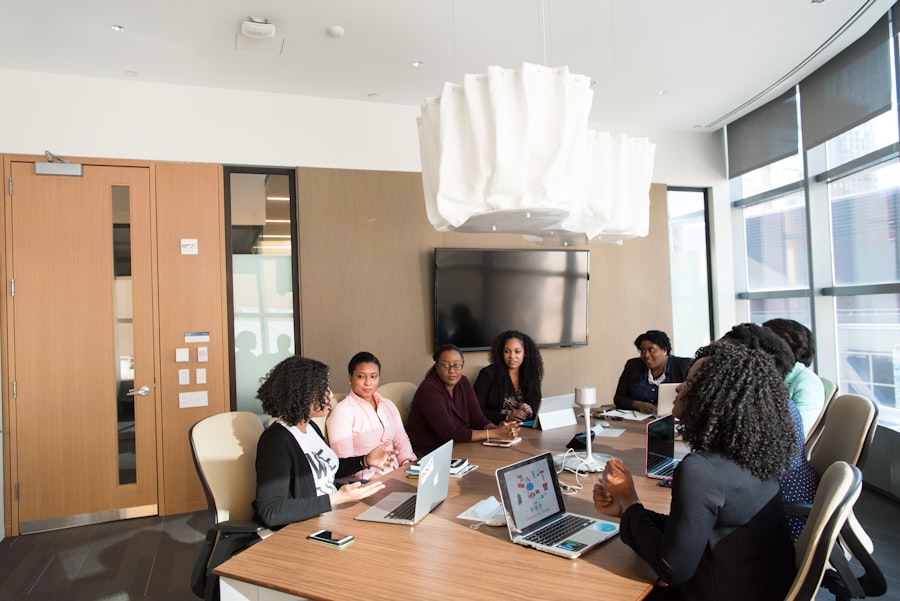
Fortunately, you are not entirely at the mercy of poorly run meetings. By adopting strategic approaches, you can significantly mitigate the drain on your mental energy and focus. These strategies involve both proactive measures before meetings and active engagement during them.
Optimizing Meeting Attendance
Not every meeting requires your presence. A critical step in conserving mental energy is to become more judicious about which meetings you attend. This involves a critical evaluation of the meeting’s purpose, your role, and the potential value of your contribution.
Pre-Meeting Evaluation of Necessity
Before accepting a meeting invitation, take a moment to assess its true necessity. Ask yourself: “Is my attendance truly required for this meeting to be successful?” If the answer is unclear, politely request more information about the meeting’s objectives and how your expertise will be leveraged. This proactive approach can help you decline meetings that are unlikely to be productive or where your participation is not essential, thereby saving precious mental energy for tasks that truly require it.
Delegation and Information Gathering
If your presence isn’t strictly necessary but your input is valued, consider delegating your attendance to a trusted colleague who can represent your perspective. Alternatively, request that meeting notes or summaries be provided to you afterwards. This allows you to receive the necessary information without expending the mental energy of active participation, creating an information funnel rather than a direct drain.
Enhancing Meeting Structure and Facilitation
When you have influence over meeting structures, actively advocate for practices that promote efficiency and focus. These changes can transform draining sessions into productive exchanges.
Implementing Clear Agendas and Objectives
A well-defined agenda is the roadmap for any successful meeting. Ensure that agendas are distributed in advance and clearly outline the topics to be discussed, the desired outcomes for each topic, and the allocated time. This provides a framework for the discussion, prevents tangents, and allows participants to prepare their thoughts. Without a clear destination, even the most well-intentioned journey can become a circular ramble, expending energy with no progress.
Active Facilitation and Time Management
A skilled facilitator is crucial for keeping meetings on track and ensuring all voices are heard without lengthy detours. Facilitators should be responsible for guiding discussions, managing time effectively, and ensuring that decisions are reached. This includes politely redirecting conversations that stray off-topic, encouraging participation from introverted individuals, and keeping a close eye on the clock. A good facilitator acts as the conductor of the orchestra, ensuring harmony and progress.
Strategies for Active and Focused Participation
Even in poorly structured meetings, you can employ techniques to maintain your focus and minimize energy expenditure. These are the personal tactics that empower you to navigate difficult meeting environments.
Focused Listening and Note-Taking
Instead of passively absorbing information, engage in active listening. This involves making a conscious effort to understand the speaker’s message, asking clarifying questions when needed, and summarizing key points in your own mind. Effective note-taking can aid this process; focus on capturing key decisions, action items, and areas requiring further discussion, rather than transcribing every word. This selective engagement helps you process information more efficiently.
Setting Personal Boundaries
It is acceptable to set personal boundaries within meetings. If a discussion is devolving into unproductive tangents or personal attacks, it is within your purview to politely steer the conversation back on track. Phrases like, “To ensure we stay on topic and meet our deadline, perhaps we could return to the original objective…” can be effective. This is not confrontation; it’s self-advocacy and a commitment to productive outcomes.
Many professionals find that meetings can be a significant drain on their mental energy and focus, often leaving them feeling exhausted and unproductive. This phenomenon is explored in detail in a related article that discusses the psychological impacts of frequent meetings and offers strategies for managing them more effectively. If you’re interested in understanding why meetings can be so taxing, you can read more about it in this insightful piece on Productive Patty.
The Long-Term Impact of Meeting Depletion
| Reason | Description | Impact on Mental Energy | Suggested Solution |
|---|---|---|---|
| Lengthy Meetings | Meetings that extend beyond necessary time without breaks. | Leads to fatigue and reduced focus over time. | Set strict time limits and include short breaks. |
| Lack of Clear Agenda | Meetings without a defined purpose or topics. | Causes confusion and mental overload trying to follow. | Prepare and share an agenda beforehand. |
| Multitasking During Meetings | Trying to handle other tasks while attending meetings. | Divides attention, reducing overall focus and retention. | Encourage single-tasking and active participation. |
| Frequent Interruptions | Constant disruptions or side conversations during meetings. | Breaks concentration and increases cognitive load. | Establish meeting etiquette and minimize interruptions. |
| Overcrowded Meeting Schedules | Back-to-back meetings with little downtime. | Prevents mental recovery, leading to burnout. | Schedule buffer times between meetings. |
| Irrelevant Participants | People attending meetings that don’t concern their work. | Wastes mental energy and reduces engagement. | Invite only necessary participants. |
The cumulative effect of attending draining meetings can extend far beyond immediate fatigue. It can have a significant and detrimental impact on your overall productivity, job satisfaction, and even your long-term career trajectory. Recognizing these broader consequences underscores the urgency of addressing the issue.
Erosion of Productivity and Innovation
When your mental energy is consistently depleted by unproductive meetings, your capacity for deep work and creative thinking diminishes. The time spent in these draining sessions could have been allocated to tasks that truly drive progress and innovation. Over time, this erosion of productive capacity can lead to a stagnation of individual and team performance. Your ability to tackle complex problems, generate novel ideas, and execute on strategic initiatives is directly compromised. The wellspring of your creativity, once a steady flow, can dwindle to a trickle.
Decreased Job Satisfaction and Increased Burnout
Consistently feeling like your time and mental energy are being wasted can lead to significant dissatisfaction with your job. The feeling of being trapped in a cycle of unproductive meetings can be demoralizing and contribute to feelings of burnout. When your work environment consistently depletes rather than replenishes your energy, the overall experience becomes unsustainable. This lack of fulfillment can have a ripple effect, impacting your motivation, engagement, and overall well-being.
Stunted Professional Development
If a significant portion of your work week is consumed by draining meetings that offer little learning or opportunity for growth, your professional development can be significantly hindered. The skills and knowledge you need to advance your career are often honed through focused work, problem-solving, and strategic thinking. When these opportunities are overshadowed by the demands of endless, unproductive meetings, your progress can stall. It’s like trying to grow a prize-winning plant in soil that is consistently waterlogged; the conditions are not conducive to healthy development.
Conclusion:
Meetings are an indispensable part of many professional environments, but their execution often falls short of their potential. The pervasive issue of draining meetings exacts a heavy toll on your mental energy and focus, impacting not only your immediate productivity but also your long-term well-being and career progression. By understanding the nature of mental energy, recognizing the patterns of draining meetings, and actively implementing strategies for optimization and focused participation, you can reclaim your cognitive resources. A commitment to more efficient, purposeful, and well-facilitated meetings is not merely about saving time; it is about preserving your most valuable professional asset: your mental capacity.
FAQs
Why do meetings often drain mental energy and focus?
Meetings can drain mental energy and focus because they require sustained attention, often involve multitasking, and may include repetitive or unengaging content. Prolonged sitting and lack of physical movement during meetings can also contribute to fatigue.
How does the length of a meeting impact mental energy?
Longer meetings tend to be more mentally exhausting because they demand continuous concentration over extended periods. Without breaks, participants may experience decreased alertness and cognitive performance.
Can poorly structured meetings affect focus?
Yes, meetings that lack clear agendas, have unclear objectives, or involve irrelevant discussions can lead to confusion and frustration, reducing participants’ ability to stay focused and engaged.
What role does multitasking during meetings play in mental fatigue?
Multitasking during meetings, such as checking emails or messages, divides attention and increases cognitive load, which can accelerate mental fatigue and reduce overall productivity.
How can one reduce the mental drain caused by meetings?
To reduce mental drain, it is helpful to have well-planned meetings with clear goals, limit meeting duration, encourage active participation, take regular breaks, and minimize distractions by focusing solely on the meeting content.