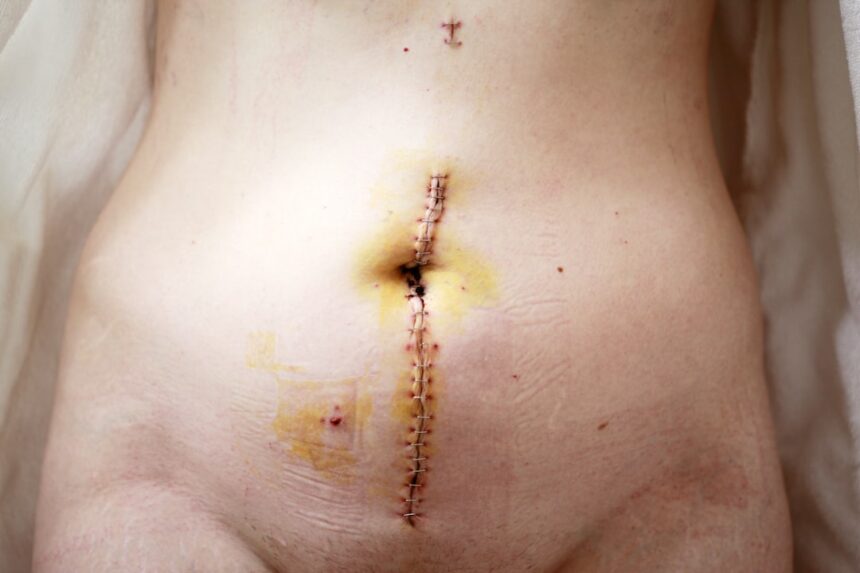
You carry them, don’t you? Those marks, visible or invisible, that speak of battles fought and survived. They are etched into your professional narrative, tales of resilience, of challenges overcome, of the very moments that might have broken you but instead, forged you. It’s time to stop viewing these experiences as liabilities and start understanding how to weaponize them, how to transform your scars into your most potent professional assets. This isn’t about pretending hardships didn’t hurt, or that the pain wasn’t real. It’s about acknowledging the truth: your adversity has honed you.
Your resume paints a picture of success, a curated collection of achievements and skills. But what it often fails to capture is the arduous journey to acquire those very things. The smooth ascent is a myth; your career, like any meaningful endeavor, is punctuated by stumbles, setbacks, and unforeseen obstacles. These are not blemishes to be hidden; they are the very chapters that reveal your character and your capability.
Reclaiming Your Story: From Shame to Strength
You may have spent years trying to gloss over difficult periods, hoping to present an unblemished image. This often stems from a deeply ingrained belief that vulnerability is weakness. However, the reality in professional settings is shifting. Organizations are increasingly recognizing the value of individuals who have navigated complex challenges and emerged stronger.
The Danger of the Unexamined Past
When you suppress or ignore the difficult parts of your journey, you deny yourself the opportunity to learn from them. Each scar represents a lesson, a strategy you developed, a new perspective you gained. Ignoring these experiences means leaving valuable insights on the table, hindering your own growth and your ability to contribute even more effectively.
Crafting Your Authentic Professional Persona
Your professional identity should not be a fabricated facade. It should be a genuine reflection of your experience, including the trials. By understanding and articulating the lessons learned from your scars, you create a more relatable and trustworthy persona. People connect with authenticity, and your willingness to be open about your journey can foster deeper trust and inspire others.
The Strategic Advantage of Lived Experience
The difference between someone who has only read about navigating a storm and someone who has weathered one is profound. Your scars are not just memories; they are tangible proof of your capacity to adapt, to persevere, and to innovate under pressure. This lived experience is a powerful differentiator in the professional landscape.
Problem-Solving Under Duress
Think about the times you were pushed to your limit. The project that went sideways, the client who became impossible, the unexpected crisis. These are the moments when your true problem-solving skills were tested. You learned to think on your feet, to improvise, to find solutions where others saw only dead ends. This ability to function and succeed in high-stakes, unpredictable environments is invaluable.
Empathy as a Leadership Tool
Adversity often breeds empathy. Having experienced hardship yourself, you are better equipped to understand and connect with the struggles of others. This heightened sense of empathy is a critical component of effective leadership. You can anticipate challenges others might face, offer support proactively, and build stronger, more cohesive teams because you understand the human element of professional life.
Turning scars into a professional edge can be an empowering journey, as highlighted in a related article that explores how personal experiences can shape one’s career path. The article discusses various strategies for leveraging life challenges, including scars, to build resilience and enhance professional skills. For more insights on this transformative process, you can read the full article here: Turning Scars into a Professional Edge.
Decoding Your Adversity: Turning Pain Points into Power Pools
It’s essential to move beyond simply acknowledging your scars. The true transformation occurs when you actively deconstruct what happened, understand the root causes, and identify the specific skills and strengths you developed as a consequence. This analytical approach allows you to extract maximum value from your experiences.
The Anatomy of a Setback
Every professional setback, no matter how significant, has a story. It involves a sequence of events, decisions made (or not made), external factors, and internal reactions. Breaking down these components allows for a clear and objective understanding of what transpired.
Identifying the Catalysts for Growth
Was it a failure in execution? A misjudgment of the market? A conflict within a team? Pinpointing the precise catalysts for your challenges is the first step. Once identified, you can analyze the specific skills or knowledge gaps that were exposed, and then focus on how you addressed them.
Unearthing Learned Skills and Strategies
Did you learn to manage difficult stakeholders more effectively? Did you develop a keen eye for risk assessment? Did you hone your negotiation tactics? Each scar represents a lesson, and within that lesson lies a newly acquired skill or a refined strategy that you can now consciously deploy.
The Metrics of Your Metamorphosis
Quantifying the impact of your adversity is not about assigning monetary value to your pain, but about recognizing the tangible professional gains. How did your performance improve? How did your decision-making capabilities evolve? How did your approach to challenges change?
Behavioral Shifts as Evidence
Observe your own behavior. Do you approach new projects with more caution, or more calculated boldness? Are you quicker to identify potential pitfalls? These behavioral shifts are direct evidence of the lessons learned from your scars. They are concrete indicators of your professional evolution.
Strategic Realignments and Innovations
Adversity often forces you to re-evaluate your strategies. Perhaps you had to pivot your approach, adopt new technologies, or fundamentally change your business model. These realignments, born out of necessity, can lead to significant innovations and a more agile, adaptable professional.
Communicating Your Scars: Articulating Your Advantage with Confidence
Having processed and understood your adversity, the next crucial step is to effectively communicate what you have learned and how it benefits you, and by extension, your employer or clients. This requires a deliberate and strategic approach to storytelling.
The Power of Contextualized Anecdotes
Vague statements about “learning from experience” are insufficient. You need to be able to provide specific, relevant examples that illustrate your point. Your scars become powerful tools when you can weave them into compelling narratives.
Demonstrating, Not Just Stating, Competence
Instead of saying “I’m a good problem-solver,” you can say, “During the XYZ project, we encountered an unexpected budget cut. I led the team in a rapid re-evaluation of our priorities, identifying non-essential elements and renegotiating vendor contracts, ultimately delivering the core objectives within the revised constraints.” This provides concrete evidence of your problem-solving prowess.
Highlighting Growth in Key Professional Areas
Focus on how your experience has strengthened specific competencies. For example, if a past misstep involved a communication breakdown, you can articulate how you now prioritize clear, multi-channel communication and actively solicit feedback to prevent similar issues.
Framing Your Narrative for Maximum Impact
The way you present your experiences matters. It’s about showcasing your growth and resilience, not dwelling on the negative aspects of the past. Your narrative should inspire confidence and demonstrate your forward-looking perspective.
The Art of the Pivot: From Failure to Learning
When discussing a past challenge, your focus should always shift from what went wrong to what you learned and how you applied that learning. This demonstrates a proactive and growth-oriented mindset. The narrative arc should be: challenge -> struggle -> learning -> solution/improvement.
Tailoring Your Story to Your Audience
Consider who you are speaking to. An investor might be interested in how your experience has made you a more astute risk manager, while a potential team member might be motivated by your resilience in overcoming team conflict. Adapt your anecdotes to resonate with the specific needs and interests of your audience.
Leveraging Adversity for Strategic Decision-Making: The Informed Edge

Your scars have provided you with a unique vantage point. You’ve seen what doesn’t work, you’ve experienced the consequences of poor decisions, and you understand the emotional and practical toll of navigating difficult situations. This hard-won wisdom is an invaluable asset when it comes to making impactful strategic choices.
The Foresight Born of Experience
Having encountered unforeseen challenges, you are now better equipped to anticipate potential pitfalls in new ventures. Your “scars” serve as a mental roadmap, guiding your judgment and influencing your planning.
Proactive Risk Mitigation
You are no longer operating in a vacuum of optimism. You have a visceral understanding of what can go wrong, making you more inclined to implement robust risk mitigation strategies from the outset. This proactive approach saves time, resources, and prevents future setbacks.
The Value of “What If” Thinking
Your experiences with adversity have likely amplified your ability to engage in “what if” thinking. You can more readily brainstorm potential negative outcomes and develop contingency plans, making your strategies more resilient and adaptable.
The Nuances of Human Capital Management
Beyond technical and strategic considerations, your scars have likely provided you with profound insights into the human element of professional life. You understand the impact of stress, burnout, and difficult working environments on individuals.
Building Empathetic and Supportive Workplaces
You recognize the importance of fostering a healthy work environment. Your experiences might inform your leadership style, leading you to prioritize employee well-being, provide adequate support, and cultivate a culture where challenges can be discussed and addressed constructively.
Understanding Team Dynamics Under Pressure
You have witnessed firsthand how teams perform under stress. This allows you to be more attuned to the dynamics of your own teams, to identify potential friction points early, and to implement strategies that foster cohesion and collaboration, even during challenging times.
Turning scars into a professional edge can be a transformative journey, as highlighted in a related article that explores how personal experiences can shape one’s career path. Many individuals find that their scars, whether physical or emotional, can serve as powerful motivators and unique talking points in professional settings. For those interested in learning more about leveraging personal challenges for professional growth, you can read the insightful piece at Productive Patty. Embracing these stories not only fosters resilience but also creates a deeper connection with others in the workplace.
Continuous Growth: Making Scars a Foundation, Not a Finish Line
| Metrics | Data |
|---|---|
| Years of Experience | 10 |
| Number of Scars | 3 |
| Professional Skills Acquired | Leadership, Resilience, Problem-solving |
| Success Stories | 2 |
Embracing your scars is not a one-time event. It’s an ongoing process of reflection, learning, and strategic application. Your professional journey is a continuous evolution, and your past experiences, the good and the bad, are the building blocks of your future success.
The Iterative Nature of Professional Development
No career is static. You are constantly learning and adapting. Your scars are not endpoints; they are significant milestones that inform your continued development and ensure you are always moving forward with greater wisdom and preparedness.
Integrating Lessons into Ongoing Practices
The skills and insights gained from your adversity should not be compartmentalized. They should be woven into your day-to-day work, influencing your decision-making, your communication, and your interactions with others.
The Future You, Forged by the Past
The individual you are professionally today is a culmination of all your experiences. By understanding and leveraging your scars, you are actively shaping the future you, a more capable, resilient, and strategically astute professional. You are not defined by your past hardships, but rather, empowered by the lessons they have taught you. Your scars are not marks of weakness; they are testaments to your strength and your capacity for growth. They are, unequivocally, your professional advantage.
FAQs
What does it mean to turn scars into a professional edge?
Turning scars into a professional edge means using personal challenges, setbacks, or difficult experiences as a source of strength, resilience, and motivation in the professional world. It involves leveraging these experiences to develop skills, empathy, and a unique perspective that can be valuable in a professional setting.
How can one turn their scars into a professional edge?
One can turn their scars into a professional edge by acknowledging and embracing their past challenges, learning from them, and using them to develop skills such as empathy, problem-solving, and resilience. It also involves reframing negative experiences into positive lessons and strengths that can be applied in the professional world.
What are some examples of turning scars into a professional edge?
Examples of turning scars into a professional edge include individuals who have overcome personal adversity, such as illness, trauma, or discrimination, and have used these experiences to develop a unique perspective, empathy, and problem-solving skills in their professional careers. This can be seen in fields such as healthcare, social work, advocacy, and leadership.
Why is turning scars into a professional edge important?
Turning scars into a professional edge is important because it allows individuals to harness their personal experiences and challenges to develop valuable skills and perspectives that can benefit their professional lives. It also promotes resilience, empathy, and diversity in the workplace, leading to a more inclusive and supportive environment.
How can employers support employees in turning their scars into a professional edge?
Employers can support employees in turning their scars into a professional edge by creating a workplace culture that values diversity, inclusion, and personal growth. This can be done through providing mentorship, professional development opportunities, and a supportive environment where individuals feel comfortable sharing their experiences and leveraging them for professional growth.