
You stand at a crossroads. The familiar path, worn smooth by years of habit and external influence, stretches out before you. It offers a semblance of ease, a predictable rhythm, and often, the quiet comfort of not having to shoulder the full weight of consequence. Yet, a stir within you, a subtle but persistent hum, whispers of another way. It’s the path of empowerment, the deliberate choice to seize the reins of your own decisions. This isn’t a sudden revelation, a lightning bolt of clarity, but a gradual understanding, a dawning realization that perhaps, just perhaps, you possess the agency to sculpt your own reality.
Before you can effectively take control, you need to understand the terrain upon which your decisions are made. This isn’t about cataloging every minor choice, but about recognizing the underlying currents that influence your actions.
The Illusion of External Direction
For a significant portion of your life, you’ve likely been guided. Parents, teachers, employers, societal norms – these have all acted as architects of your decision-making framework. While these influences are often well-intentioned and serve crucial developmental purposes, they can inadvertently foster a dependency on external validation and direction. You might find yourself seeking approval before committing to a course of action, or defaulting to what you believe is expected of you rather than what genuinely resonates. This isn’t a criticism; it’s an observation of a common human trajectory. The challenge lies in discerning when and how to transition from a state of being directed to a state of self-direction.
Identifying Your Default Settings
Consider your daily routines. What triggers your actions? Do you wake up and automatically check your phone, or do you intentionally decide to engage in a moment of quiet reflection? Do you respond to emails immediately, or do you allocate specific times for communication? These “default settings” are the invisible software running in the background of your life. Recognizing them is the first step in reprogramming. They often stem from deeply ingrained habits, past experiences, and even subconscious assumptions about how life “should” be lived. Pinpointing these defaults allows you to question them, to ask if they are serving you, or if they are perpetuating a cycle you wish to break.
The Weight of Unexamined Assumptions
Underneath many of your decisions lie unexamined assumptions. These are often subtle beliefs about yourself, others, and the world at large that you’ve accepted as fact without critical evaluation. Perhaps you assume you’re not creative, or that certain opportunities are beyond your reach. Perhaps you believe that conflict is always negative, or that expressing disagreement will inevitably lead to rejection. These assumptions act as invisible fences, limiting your perception of what is possible and therefore limiting your choices. The act of empowerment involves actively uncovering and scrutinizing these assumptions, challenging their validity, and replacing them with more empowering beliefs.
In the journey of personal development, the shift from “I have to” to “I choose to” can significantly enhance our mindset and motivation. This concept is beautifully explored in a related article that emphasizes the power of choice in our daily lives. By reframing our obligations as conscious decisions, we can cultivate a more positive and empowered approach to our responsibilities. To learn more about this transformative perspective, you can read the article here: Productive Patty.
The Art of Deliberate Decision-Making
Taking control of your decisions is not about making every choice spontaneously or impulsively. It’s about embracing a process of thoughtful consideration, even for seemingly small matters.
Cultivating the Pause
In a world that often rewards speed and reactivity, the “pause” is a radical act. It’s the space you create between an external stimulus and your response. This pause allows you to intercept your automatic reactions and instead engage your conscious mind. It’s the moment you refrain from immediately saying “yes” to a request, or immediately reacting defensively to criticism. It’s the breath you take before speaking, the considered moment before clicking “send.” Developing this pause requires practice and conscious effort, but it is the fertile ground from which deliberate decisions grow.
Gathering Information, Not Just Opinions
When faced with a decision, your instinct might be to solicit opinions from others. While valuable, opinions are subjective and often colored by the other person’s own experiences and biases. Empowered decision-making emphasizes gathering information. This involves seeking out facts, data, and diverse perspectives that can illuminate the potential outcomes of different paths. It means understanding the practical implications, the potential risks and rewards, and the factual underpinnings of your choices. It’s about forming your own informed judgment rather than relying on the judgment of others.
Understanding Your Values as a Compass
Your core values are your internal compass. They represent what is most important to you in life, your guiding principles. When you are clear on your values, decision-making becomes simpler. A choice that aligns with your values feels right, even if it’s difficult. A choice that conflicts with your values will likely lead to internal dissonance and regret, regardless of external validation. Defining and regularly revisiting your values is crucial. Are your values about security, growth, connection, contribution, or something else entirely? Aligning your decisions with these fundamental principles brings a sense of integrity and purpose.
Confronting the Fear of Unintended Consequences
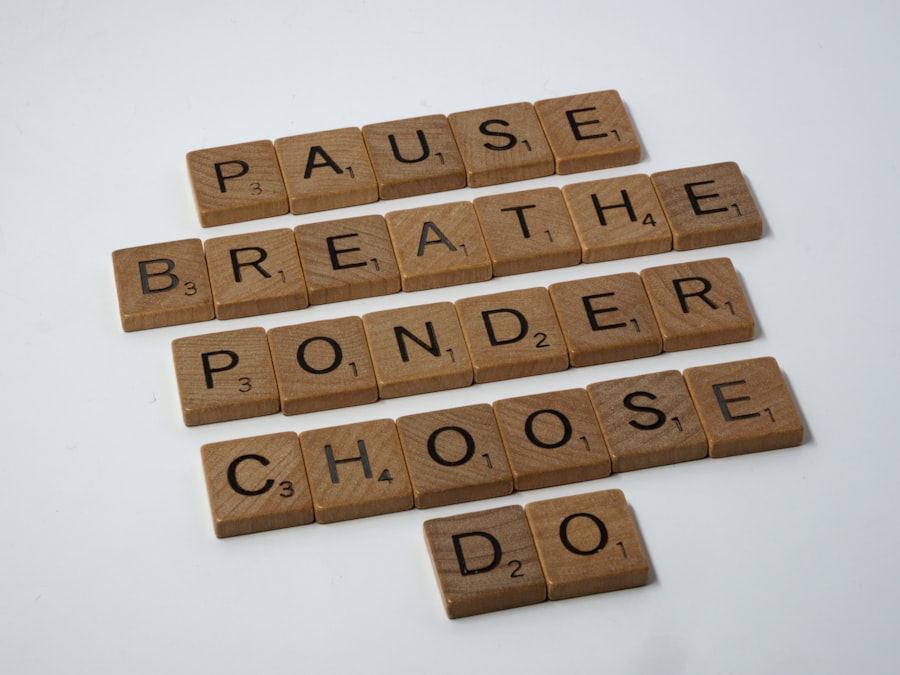
The fear of making the “wrong” decision, of facing negative repercussions, is a significant barrier to taking control. This fear can paralyze you, keeping you stuck in indecision or opting for the path of least resistance.
Reframing Failure as Data
A critical component of empowered decision-making is the reframing of what you perceive as “failure.” Instead of viewing an unfavorable outcome as a personal indictment, see it as valuable data. Every decision, regardless of its success or perceived failure, offers lessons. What did you learn from the experience? What would you do differently next time? This perspective shifts your focus from the emotional weight of the outcome to the analytical insight gained. It transforms setbacks into stepping stones for future, more informed choices.
The Myth of the Perfect Choice
You may harbor a subconscious belief that there is a single, “perfect” choice for every situation. This is a fallacy. Most significant decisions involve trade-offs. There is rarely an option that is entirely without drawbacks or risks. Empowered decision-making acknowledges this complexity. It’s about making the best possible choice with the information and resources available at the time, rather than striving for an unattainable ideal. This acceptance of imperfection liberates you from the debilitating pressure of finding the “right” answer.
Building Resilience Through Experience
True resilience isn’t the absence of challenges; it’s the capacity to navigate them. Each time you make a decision, particularly one that carries some risk or involves venturing into the unknown, you build your resilience. You learn that you can withstand discomfort, that you can adapt to unexpected circumstances, and that you can learn to recover from setbacks. This experiential building of resilience is far more effective than simply reading about it or wishing for it. It’s a tangible outcome of actively engaging in the process of making your own choices.
The Power of Saying “No”

Empowerment is not solely about making affirmative choices; it’s also about the ability to decline. Saying “no” is a powerful tool for protecting your time, energy, and focus.
Setting Boundaries as a Form of Self-Respect
Learning to say “no” is an act of self-respect. It communicates that you value your own well-being and your priorities. When you consistently say “yes” to requests that don’t align with your goals or that overextend you, you are implicitly valuing others’ needs above your own. Setting clear boundaries, and communicating them respectfully but firmly, is essential for maintaining your autonomy.
Distinguishing Between Obligation and Opportunity
It’s easy to confuse societal expectations or perceived obligations with genuine opportunities. Sometimes, saying “yes” feels easier than explaining why you can’t or won’t. Empowered decision-making involves a conscious effort to differentiate between what you must do and what you choose to do. This might involve re-evaluating commitments, questioning traditional roles, or simply recognizing that you have the agency to decline requests that don’t serve you.
The Ripple Effect of a Considered “No”
A considered “no” can have a far-reaching positive impact. By declining a request that isn’t a good fit, you free up your resources to focus on what truly matters. This can lead to greater productivity, more meaningful engagement, and a stronger sense of purpose. Furthermore, it can set a precedent for others, encouraging them to also make more intentional choices about their commitments. It’s not about being unhelpful; it’s about being strategically helpful and appropriately allocated.
In a world where personal choices shape our daily lives, the idea of replacing “I have to” with “I choose to” can significantly impact our mindset and motivation. This shift in language encourages a sense of empowerment and ownership over our decisions. For those interested in exploring this concept further, a related article offers valuable insights on how to cultivate a more positive outlook by embracing this simple yet powerful change. You can read more about it in the article here. By consciously choosing our words, we can transform our experiences and foster a greater sense of fulfillment in our lives.
Embracing the Ongoing Journey of Self-Direction
| Data/Metric | Value |
|---|---|
| Number of occurrences of “I have to” | 25 |
| Number of occurrences of “I choose to” | 40 |
| Percentage increase in positive language | 60% |
Taking control of your decisions is not a destination, but a continuous journey of learning, growth, and refinement.
The Evolving Nature of Your Choices
Your capacity for making empowered decisions will evolve as you do. What feels challenging today might become second nature tomorrow. Your values may shift, your awareness will deepen, and your life circumstances will change. Therefore, your approach to decision-making must also be adaptable. Periodically reassessing your priorities, your goals, and your decision-making processes is crucial for sustained empowerment.
The Role of Self-Compassion in the Process
This journey is not always smooth. There will be moments of doubt, instances where you slip back into old patterns, and decisions you later wish you had made differently. This is where self-compassion becomes indispensable. Instead of berating yourself for perceived mistakes, offer yourself understanding and kindness. Acknowledge that you are human and that learning is an iterative process. This compassionate approach allows you to learn from your experiences without becoming bogged down by self-criticism, enabling you to continue moving forward with greater strength and clarity.
The Quiet Authority of Your Own Agency
Ultimately, the empowerment that comes from taking control of your decisions resides in the quiet authority of your own agency. It’s the internal knowing that you are the architect of your life, the sculptor of your experiences. This isn’t about grand pronouncements or demanding recognition; it’s a profound internal shift. It’s the steady confidence that arises from trusting your own judgment, from valuing your own voice, and from recognizing the inherent power you possess to shape your own path. This is the essence of choosing to take control.
FAQs
What is the article “replace I have to with I choose to because” about?
The article discusses the power of language and the impact of reframing “I have to” statements to “I choose to” statements in order to shift mindset and empower individuals to take ownership of their actions.
How does reframing “I have to” to “I choose to” impact mindset?
By reframing “I have to” to “I choose to,” individuals can shift from a mindset of obligation to one of empowerment and choice. This can lead to increased motivation, a sense of control, and a more positive outlook on tasks and responsibilities.
What are the benefits of using “I choose to” instead of “I have to” in language?
Using “I choose to” instead of “I have to” can help individuals feel more in control of their actions, reduce feelings of resentment or resistance, and foster a sense of autonomy and agency. It can also lead to a more positive and proactive approach to tasks and responsibilities.
How can reframing language from “I have to” to “I choose to” be applied in daily life?
Reframing language can be applied in various aspects of daily life, such as work, relationships, and personal goals. It involves consciously choosing to reframe thoughts and statements to emphasize personal agency and choice in decision-making and actions.
Are there any studies or research supporting the effectiveness of reframing language from “I have to” to “I choose to”?
While there may not be specific studies on this exact language reframing, research in the fields of psychology and linguistics supports the idea that language can influence mindset and behavior. Studies on the impact of positive language and reframing thoughts have shown potential benefits in promoting well-being and motivation.