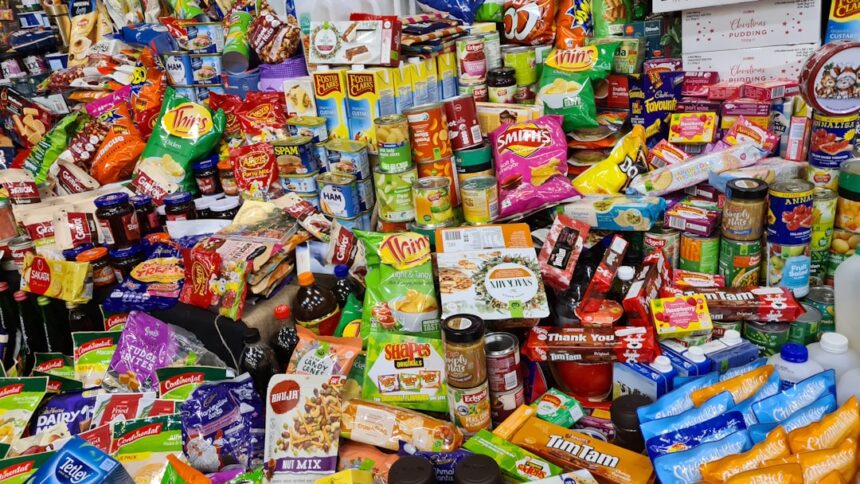
You’re on the road. Whether it’s a cross-country adventure, your daily commute, or a quick trip to the grocery store, your vehicle requires fuel to keep moving. But what about you? Your body, your brain, your very ability to focus and navigate safely – that also requires consistent energy. Relying on sugary, processed “treats” is like putting low-octane, inconsistent fuel in your engine. It might get you there, but it’s a bumpy, unpredictable ride, often ending with a crash.
This is where steady snacks come in. These aren’t just about appeasing hunger pangs for an hour; they’re strategic choices designed to provide sustained energy, mental clarity, and a stable mood for the long haul. Choosing wisely means understanding what your body needs and how different foods deliver that sustenance. It’s about empowering yourself with the right tools to keep your personal engine running smoothly, mile after mile.
Your body’s energy requirements don’t disappear just because you’re not at home. In fact, the demands of driving – maintaining focus, reacting to changing conditions, and the general stress of travel – can be surprisingly taxing. Understanding these needs is the first step in making informed snack choices.
The Science of Sustained Energy
Your body primarily uses glucose for energy. This sugar is derived from carbohydrates. However, the type of carbohydrate you consume dictates how quickly and for how long that energy is released.
Rapid vs. Gradual Glucose Release
When you consume simple carbohydrates, like those found in candy bars, sugary drinks, or refined pastries, your blood glucose levels spike sharply. This provides a quick burst of energy, but it’s often followed by a rapid drop, leading to the dreaded “sugar crash.” You might feel sluggish, irritable, and have difficulty concentrating.
Complex carbohydrates, on the other hand, are digested and absorbed more slowly. These are found in whole grains, vegetables, and legumes. They provide a steady, gradual release of glucose into your bloodstream, offering sustained energy without the dramatic peaks and valleys. This is the kind of energy you want for the road – consistent and reliable.
The Impact of Blood Sugar Stability
Maintaining stable blood sugar levels is crucial for physical and mental performance. Fluctuations can wreak havoc on your mood, concentration, and even your physical coordination, all of which are critical when you’re behind the wheel.
Preventing the “Hangry” Effect
The term “hangry” – a portmanteau of hungry and angry – perfectly describes the mood swings that can accompany low blood sugar. When your glucose levels dip too low, your body releases hormones like adrenaline and cortisol, which can lead to irritability, anxiety, and a short temper. This is hardly conducive to a safe and pleasant driving experience.
Enhancing Cognitive Function
Your brain is a significant energy consumer, and it relies heavily on a steady supply of glucose. When your blood sugar is stable, your cognitive functions are optimized. This translates to better focus, improved memory, quicker reaction times, and enhanced problem-solving abilities – all essential for safe driving.
When planning for a long drive, it’s essential to choose snacks that will keep your energy levels steady and your mind alert. For tips on selecting the best snacks for a smooth journey, you can refer to this informative article on productive snacking: Productive Patty. This resource offers insights into healthy options that are easy to pack and consume while on the road, ensuring you stay focused and satisfied throughout your trip.
The Pillars of Steady Snack Choices
Now that you understand why steady snacks are important, let’s delve into the core components that make a snack truly effective for sustained energy. These are the building blocks you should look for when assembling your on-the-go fuel.
The Importance of Protein
Protein is a macronutrient that plays a vital role in satiety and provides a slower, more sustained energy release compared to carbohydrates alone. It takes your body longer to break down protein, meaning it helps keep you feeling full and energized for extended periods.
How Protein Aids Satiety
Unlike simple carbohydrates that are quickly digested and absorbed, protein requires a more complex digestive process. This slows down the rate at which your stomach empties, helping you feel satisfied for longer. This is invaluable when you’re stuck in traffic or on a long stretch of highway where stopping for a meal isn’t immediately possible.
Protein’s Role in Muscle Maintenance and Repair
Beyond satiety, protein is essential for maintaining and repairing muscle tissue. While not directly related to immediate snack energy, consistent protein intake contributes to overall physical well-being, which can indirectly impact your stamina and resilience during travel.
The Power of Healthy Fats
Healthy fats are another crucial component of steady snacks. They are calorie-dense, meaning they provide a substantial amount of energy, and they also contribute to satiety and the absorption of fat-soluble vitamins.
Slowing Down Digestion for Prolonged Energy
Similar to protein, fats are digested slowly. This characteristic helps further slow the release of glucose into your bloodstream, preventing those rapid spikes and crashes. When you combine fats with complex carbohydrates and protein, you create a trifecta of slow-burning energy.
Nutrient Absorption Benefits
Certain vitamins – A, D, E, and K – are fat-soluble, meaning they require fat to be absorbed by your body. Including healthy fats in your snacks ensures you’re making the most of the vitamins present in other snack components, contributing to overall health and well-being.
The Necessity of Fiber
Fiber, particularly soluble fiber, is a type of carbohydrate that your body cannot digest. While it doesn’t directly provide energy, its presence is critical for regulating blood sugar levels and promoting digestive health.
Regulating Blood Sugar Levels
Fiber acts like a sponge in your digestive tract. Soluble fiber absorbs water and forms a gel, which slows down the rate at which your stomach empties and the absorption of sugar into your bloodstream. This is a cornerstone mechanism for preventing blood sugar spikes and maintaining steady energy.
Promoting Digestive Health
Good digestive health is essential for nutrient absorption and overall well-being, even when you’re on the move. Fiber adds bulk to your stool and aids in regular bowel movements, which can prevent discomfort and bloating that might arise from less fiber-rich snacks during travel.
Practical Snack Categories for Steady Energy
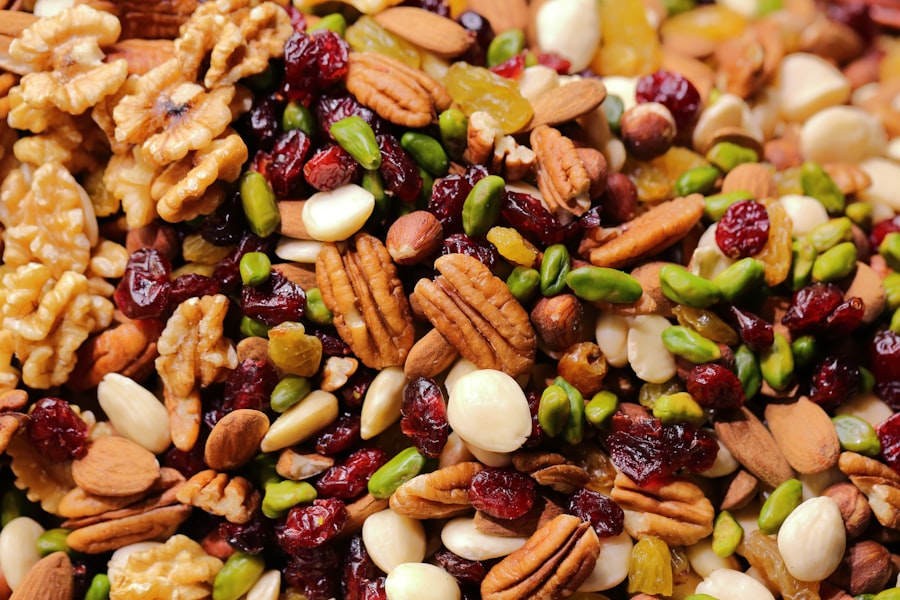
With the foundational knowledge in place, let’s explore specific snack categories that consistently deliver on the promise of steady energy. These are categories you can rely on when building your road-friendly snack repertoire.
Nuts and Seeds: Tiny Powerhouses
Nuts and seeds are often lauded for their nutritional density and make excellent portable snacks. They offer a balanced combination of protein, healthy fats, and fiber.
Almonds, Walnuts, and Pistachios
These tree nuts are rich in monounsaturated and polyunsaturated fats, protein, and fiber. They are satisfying and provide a good source of vitamin E and magnesium. A small handful can make a significant difference in keeping you feeling full and energized.
Pumpkin Seeds, Sunflower Seeds, and Chia Seeds
These seeds are packed with nutrients. Pumpkin seeds are an excellent source of magnesium and zinc, sunflower seeds offer vitamin E and selenium, and chia seeds are a fantastic source of omega-3 fatty acids and fiber. They can be eaten on their own or added to other snacks.
Dairy and Alternatives: Versatile Options
For many, dairy products offer a convenient and effective source of protein and calcium. Non-dairy alternatives have also become increasingly sophisticated and offer similar benefits.
Greek Yogurt: The Protein Champion
Greek yogurt, particularly plain, unsweetened varieties, is a standout due to its significantly higher protein content compared to regular yogurt. It’s also a good source of probiotics, which benefit gut health. Pairing it with berries or a few nuts elevates its nutritional profile.
String Cheese and Cottage Cheese
These are excellent portable protein sources. String cheese is individually wrapped and easy to eat, while cottage cheese, especially the full-fat version, provides a satiety boost. They offer a good alternative to more processed snack options.
Fortified Plant-Based Yogurts and Cheeses
For those who avoid dairy, there are now numerous fortified plant-based yogurts and cheeses available. Look for options made from soy, almond, or coconut that are fortified with calcium and vitamin D to mimic the nutritional benefits of dairy. Ensure they are also lower in added sugars.
Fruits and Vegetables: Nature’s Sweet and Savory Choices
While some fruits can be high in natural sugars, when paired correctly and chosen wisely, they can contribute to steady energy. Vegetables offer fiber and essential vitamins without the significant sugar content.
Berries: Antioxidant-Rich Energy
Berries like blueberries, strawberries, and raspberries are not only packed with antioxidants but also contain fiber and have a lower glycemic index than many other fruits. They can be enjoyed on their own or mixed with yogurt or nuts.
Apples and Pears: The Fiber Duo
Whole apples and pears are excellent sources of fiber. Their slightly firmer texture provides a satisfying crunch, and their natural sweetness is more gradually released due to their fiber content. Pairing them with a spoonful of nut butter enhances their satiety factor.
Carrot Sticks and Cucumber Slices: Hydrating and Light
These are low in calories, high in water content, and provide a good dose of fiber and vitamins. They are ideal for a lighter snack or when you need something refreshing. Pairing them with a hummus or a small portion of guacamole adds healthy fats and protein.
Whole Grains: The Foundation of Sustained Carbohydrates
Whole grains are vital for providing complex carbohydrates that fuel your body steadily. Prioritizing whole grains over refined grains ensures a slower energy release and a more consistent supply of glucose.
Whole-Grain Crackers and Rice Cakes
Look for crackers made with 100% whole wheat, rye, or other whole grains. They provide complex carbohydrates and fiber. Rice cakes can be a good base for toppings like avocado, nut butter, or cheese, turning them into a more balanced snack.
Oatmeal: A Portable Powerhouse
While often seen as a breakfast food, portable oatmeal options like overnight oats or instant oatmeal packets (choose unsweetened varieties) can be a solid steady snack. They’re rich in soluble fiber, which is excellent for blood sugar regulation.
Crafting Your Steady Snack Strategy
Choosing the right snacks is one part of the equation; developing a strategy for having them available and consuming them appropriately is the other. This involves preparation and mindful consumption.
Pre-Trip Preparation: Stocking Your Arsenal
The best way to ensure you have steady snacks available is to prepare them before you even leave. This prevents you from succumbing to convenience store temptations.
Creating Snack Packs
Portion out your chosen snacks into individual baggies or small containers. This makes them easy to grab and eat without making a mess or overindulging. Think about combining different food groups in each pack for a balanced nutritional profile.
The Importance of a Cooler Bag
For perishable items like yogurt, cheese, or pre-cut fruits and vegetables, a small cooler bag with an ice pack is essential to maintain freshness and food safety. This expands your snack options considerably.
On-the-Road Consumption: Timing and Moderation
Knowing when and how much to eat is just as important as what you choose. Mindful consumption ensures you’re fueling your body, not just filling it.
Listening to Your Body’s Cues
Don’t wait until you’re ravenous. Aim to snack when you start to feel slightly hungry, before your energy levels dip significantly. This proactive approach helps maintain stability.
Portion Control is Key
Even “healthy” snacks can contribute to excess calorie intake if consumed in large quantities. Be mindful of portion sizes to ensure you’re providing sustained energy, not an overload.
When planning for a long drive, selecting the right snacks can make a significant difference in maintaining your energy levels and focus. It’s essential to choose options that are not only tasty but also nutritious to keep you alert on the road. For more insights on how to choose snacks for a steady drive, you can check out this informative article that offers practical tips and suggestions. By incorporating a variety of healthy snacks, you can ensure a more enjoyable and safe journey. For more details, visit this article that explores the best snack options for your next adventure.
Beyond Basic Snacking: Advanced Considerations
| Snack | Benefits | Considerations |
|---|---|---|
| Fruits (e.g. apple, banana) | Natural sugars for energy, fiber for sustained fullness | May require refrigeration, can be messy |
| Nuts and seeds | Healthy fats and protein for long-lasting energy | High calorie density, potential allergens |
| Whole grain crackers | Complex carbohydrates for steady energy | May be high in sodium or added sugars |
| Yogurt | Protein and probiotics for sustained energy and digestion | Requires refrigeration, may contain added sugars |
Once you’ve mastered the basics, you can explore more nuanced strategies to optimize your steady snack choices and ensure long-term compliance.
Hydration: An Often-Overlooked Fuel Source
Dehydration can mimic the symptoms of hunger and fatigue, leading to poor snack choices. Staying properly hydrated is fundamental to maintaining energy levels.
The Role of Water in Energy Metabolism
Water is crucial for virtually all bodily functions, including the metabolism of carbohydrates and fats into usable energy. Even mild dehydration can impair cognitive function and physical performance.
Herbal Teas and Diluted Juices as Alternatives
While water is paramount, unsweetened herbal teas can offer variety and hydration. Diluted fruit juices can provide some carbohydrates and hydration but should be consumed in moderation due to their sugar content.
Understanding Macronutrient Ratios
While focusing on individual food groups is helpful, understanding how they work together for optimal energy release is key.
The Balanced Snack Equation
A well-balanced snack typically includes a combination of complex carbohydrates, protein, and healthy fats. This synergy ensures a slower absorption of glucose and prolonged satiety. For example, an apple (carbs and fiber) with almond butter (protein and fats) or whole-grain crackers with cheese (carbs, protein, and fats).
Navigating Convenience Stores and Pit Stops
While preparation is ideal, sometimes you have to make do with what’s available. Knowing what to look for can help you make better choices in a pinch.
Identifying Healthier Options Amidst Temptation
Scan the aisles for nuts (unsalted, ideally), seeds, fruit cups (in their own juice, not syrup), or yogurt. Even some pre-packaged sandwiches on whole-grain bread can be a better option than a pastry. Read labels carefully, looking for lower sugar content and whole ingredients.
The Power of Protein Bars: Read the Labels
Protein bars can be a convenient solution, but their nutritional profiles vary wildly. Prioritize bars with at least 10-15 grams of protein, a good amount of fiber, and minimal added sugars. Avoid those that are essentially candy bars in disguise.
By making conscious decisions about your in-car fuel, you’re not just making your drive more comfortable; you’re making it safer, more productive, and more enjoyable. Steady snacks are an investment in your well-being on the road, ensuring you arrive at your destination energized and alert.
FAQs
What are some healthy snack options for steady energy during a drive?
Some healthy snack options for steady energy during a drive include nuts, seeds, whole grain crackers, fruits, vegetables, and protein bars.
Why is it important to choose snacks that provide steady energy during a drive?
Choosing snacks that provide steady energy during a drive is important to maintain alertness and focus, prevent energy crashes, and sustain energy levels for a safe and comfortable drive.
What are some snacks to avoid for steady energy during a drive?
Snacks to avoid for steady energy during a drive include sugary snacks, highly processed snacks, and snacks high in saturated fats, as these can lead to energy spikes and crashes.
How can I plan ahead for snacks during a long drive?
You can plan ahead for snacks during a long drive by packing a variety of healthy options, portioning out snacks into individual servings, and keeping them easily accessible in the car.
Are there any specific nutrients I should look for in snacks for steady energy during a drive?
When choosing snacks for steady energy during a drive, look for options that are high in protein, fiber, and healthy fats, as these nutrients can help sustain energy levels and keep you feeling full longer.