
Generator backup systems play a crucial role in flood-prone regions by maintaining essential services during power outages caused by flooding. When floods damage electrical infrastructure, communities can experience power disruptions lasting days or weeks, affecting access to clean water systems, healthcare facilities, and communication networks. Generator backup systems provide critical power continuity for various applications.
Food storage and distribution facilities depend on consistent power for refrigeration systems to prevent food spoilage and maintain supply chains. Water treatment plants and pumping stations need backup power to continue providing clean water and sewage treatment services.
The economic benefits of generator backup systems extend beyond immediate emergency response. Businesses with backup power can continue operations during outages, reducing revenue losses and maintaining employment. This operational continuity helps communities recover more quickly from flood events by preserving local economic activity and reducing the overall financial impact of disasters.
For residential applications, generator systems can power essential household functions including refrigeration, heating and cooling systems, medical equipment, and communication devices. This capability is particularly important for vulnerable populations, including elderly residents and individuals with medical conditions requiring powered equipment.
Key Takeaways
- Generator backup systems are crucial for maintaining power during floods in vulnerable areas.
- Flooding poses significant risks to generator functionality, necessitating specialized protection measures.
- Various types of generator backup systems exist, each designed to enhance flood resilience.
- Proper installation, maintenance, and regular testing are essential for reliable flood protection.
- Integrating generators with broader flood prevention strategies improves overall safety and compliance with regulations.
Understanding the Risks of Flooding for Generator Systems
Flooding poses unique challenges to generator systems, primarily due to the risk of water damage. When floodwaters rise, they can infiltrate electrical components, leading to malfunctions or complete system failures. This risk is particularly pronounced for generators that are not designed with flood resilience in mind.
Understanding these risks is crucial for homeowners and businesses alike, as it informs their decisions regarding the type of generator systems they choose and how they install them. Additionally, flooding can lead to hazardous conditions that complicate the operation of generator systems. For example, debris carried by floodwaters can obstruct ventilation and exhaust systems, leading to overheating or carbon monoxide buildup.
Furthermore, the presence of standing water can create electrical hazards that pose risks not only to the generator itself but also to individuals attempting to operate or maintain it. Therefore, a comprehensive understanding of these risks is essential for ensuring that generator systems remain functional and safe during flooding events.
Types of Generator Backup Systems for Flood Protection
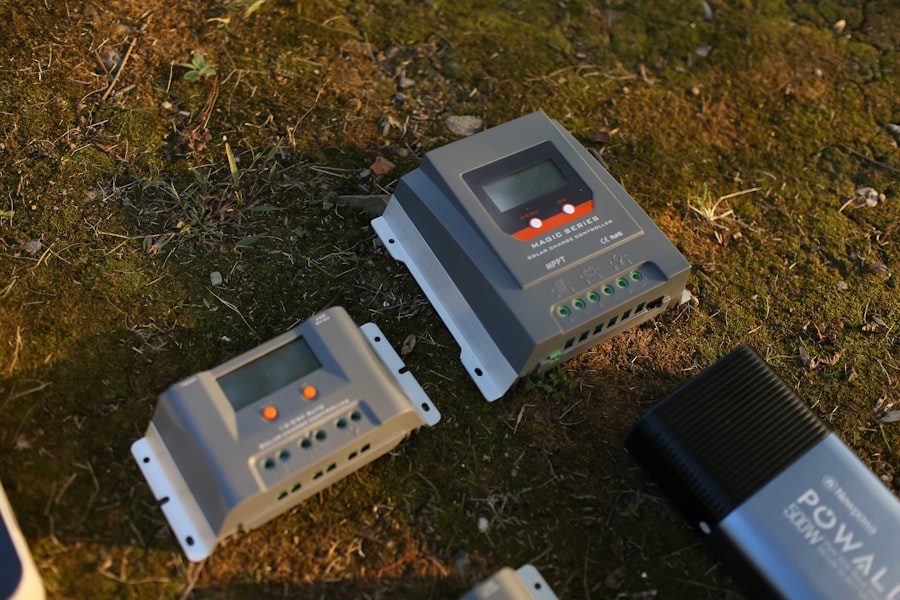
There are several types of generator backup systems available that cater specifically to the needs of flood-prone areas. One popular option is the portable generator, which offers flexibility and can be moved to higher ground during a flood event. These generators are typically powered by gasoline or propane and can provide temporary power to essential appliances and devices.
However, their limited capacity may not suffice for larger operations or critical infrastructure. On the other hand, stationary generators are often installed permanently and can provide a more robust solution for flood protection. These generators are usually connected directly to a building’s electrical system and can automatically kick in when the power goes out.
Some models are designed with elevated bases or enclosures that protect them from floodwaters, making them a more reliable choice for long-term use in flood-prone areas. Additionally, solar-powered generators are gaining popularity as an eco-friendly alternative that can provide power without relying on fossil fuels, although their effectiveness may be limited during prolonged cloudy weather.
Key Considerations for Installing Generator Backup Systems
When installing generator backup systems in flood-prone areas, several key considerations must be taken into account to ensure optimal performance and safety. First and foremost is the location of the generator itself. It is crucial to install generators at an elevation above potential flood levels to minimize the risk of water damage.
This often involves placing the unit on a raised platform or within a specially designed enclosure that protects it from rising waters. Another important factor is the type of fuel used by the generator. In flood-prone areas, it may be wise to consider dual-fuel generators that can operate on both gasoline and propane.
This flexibility ensures that users have access to fuel even if one source becomes unavailable due to flooding or supply chain disruptions. Additionally, proper ventilation must be ensured to prevent carbon monoxide buildup, especially in enclosed spaces where generators may be operated during emergencies.
Benefits of Generator Backup Systems in Flood Protection
| Metric | Description | Typical Values / Notes |
|---|---|---|
| Flood Risk Level | Assessment of flood risk at generator backup system location | Low, Medium, High (based on flood zone maps) |
| Water Ingress Incidents | Number of times water has entered the generator enclosure | 0-5 incidents per year (varies by location) |
| Generator Enclosure Elevation | Height of generator enclosure above ground level | Typically 12-24 inches minimum to prevent flooding |
| Floodproofing Measures | Types of flood protection implemented | Elevated platforms, waterproof seals, drainage systems |
| Downtime Due to Flooding | Average downtime of generator backup system caused by flooding | 0-48 hours depending on severity and response |
| Maintenance Frequency | Frequency of inspections and maintenance for flood protection | Quarterly to biannual recommended |
| Backup Power Capacity | Generator power output capacity | 10 kW to 2 MW depending on application |
| Flood Sensor Installation | Presence of sensors to detect water intrusion | Installed / Not Installed |
| Emergency Response Time | Time to respond to flooding event affecting generator | Typically 1-4 hours |
The benefits of generator backup systems extend far beyond mere convenience; they play a vital role in enhancing community resilience during flooding events. One of the most significant advantages is the ability to maintain critical services such as healthcare, emergency response, and communication networks. By ensuring that hospitals and emergency services remain operational during power outages, generator systems contribute to saving lives and facilitating effective disaster response.
Furthermore, generator backup systems can help mitigate economic losses associated with flooding. Businesses that rely on electricity for their operations can continue functioning even when the grid is down, reducing downtime and preserving revenue streams. This continuity is particularly important for industries such as food service and retail, where perishable goods may be at risk without refrigeration.
In this way, generator backup systems not only protect individual assets but also contribute to the overall economic stability of communities facing flooding challenges.
Maintenance and Testing of Generator Backup Systems
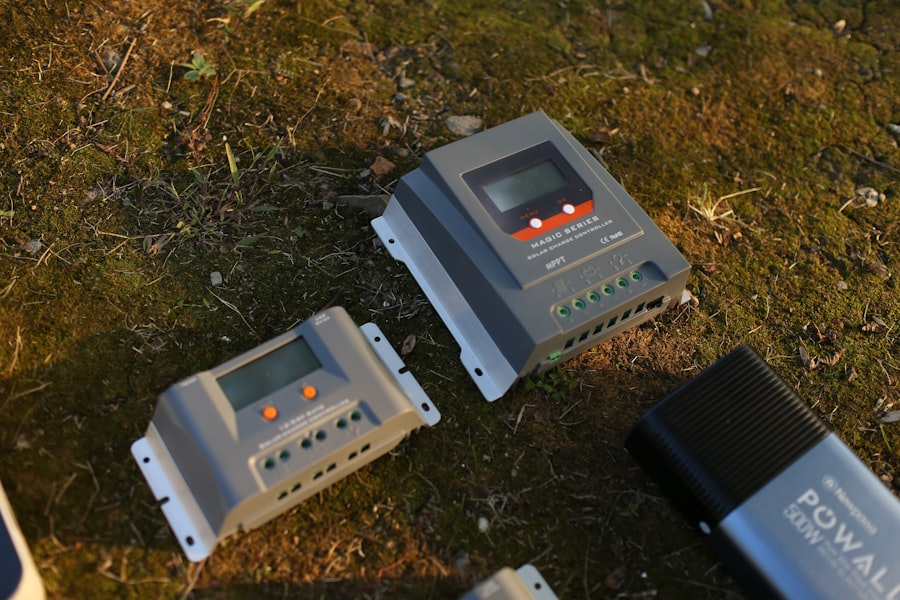
To ensure that generator backup systems function effectively when needed most, regular maintenance and testing are essential. Routine inspections should include checking fuel levels, testing battery health, and ensuring that all electrical connections are secure. Additionally, it is crucial to run the generator periodically under load conditions to verify its performance and identify any potential issues before an emergency arises.
Moreover, maintenance should also encompass cleaning air filters and inspecting exhaust systems for blockages or damage. Neglecting these tasks can lead to reduced efficiency or even complete failure during critical moments. By establishing a comprehensive maintenance schedule and adhering to it diligently, homeowners and businesses can significantly enhance the reliability of their generator backup systems in flood-prone areas.
Integrating Generator Backup Systems with Flood Prevention Measures
Integrating generator backup systems with broader flood prevention measures can create a more comprehensive approach to disaster preparedness. For instance, elevating generators above potential flood levels is just one aspect of a multifaceted strategy that may include installing sump pumps, improving drainage systems, and utilizing flood barriers. By considering how these elements work together, communities can enhance their overall resilience against flooding.
Additionally, public awareness campaigns can educate residents about the importance of both flood prevention measures and generator backup systems. Workshops or informational sessions can provide valuable insights into best practices for installation and maintenance while also highlighting the need for community-wide preparedness efforts. By fostering collaboration among residents, local governments, and emergency services, communities can create a robust framework for managing flooding risks effectively.
Case Studies: Successful Implementation of Generator Backup Systems in Flood-Prone Areas
Examining case studies of successful implementation of generator backup systems in flood-prone areas reveals valuable lessons learned from real-world experiences. For example, after experiencing significant flooding in 2016, a small town in Louisiana invested in a series of stationary generators strategically placed throughout critical infrastructure sites such as hospitals and emergency response centers. This proactive approach ensured that essential services remained operational during subsequent flooding events, ultimately saving lives and minimizing economic disruption.
Another notable case involved a coastal community that faced repeated storm surges leading to power outages. In response, local authorities collaborated with businesses to install portable generators at key locations throughout the town. This initiative not only provided immediate relief during emergencies but also fostered a sense of community resilience as residents came together to support one another during challenging times.
Regulations and Codes for Generator Backup Systems in Flood-Prone Areas
Navigating regulations and codes related to generator backup systems in flood-prone areas is crucial for ensuring compliance and safety. Local building codes often dictate specific requirements regarding installation height, fuel storage, and electrical connections for generators in flood zones. Familiarity with these regulations helps homeowners and businesses avoid potential fines or complications during emergencies.
Additionally, engaging with local authorities during the planning phase can provide valuable insights into best practices for installation and maintenance.
Cost Considerations for Generator Backup Systems in Flood Protection
The cost of implementing generator backup systems in flood-prone areas varies widely based on several factors, including system type, installation complexity, and ongoing maintenance requirements. Portable generators tend to be more affordable upfront but may incur higher long-term costs due to fuel consumption and limited capacity. Conversely, stationary generators often require a larger initial investment but offer greater reliability and efficiency over time.
When evaluating costs, it is essential to consider not only the purchase price but also potential savings associated with reduced downtime during emergencies. Businesses that invest in reliable generator backup systems may find that they recover their initial investment through increased operational continuity and minimized losses during flooding events.
Future Trends in Generator Backup Systems for Flood Protection
As technology continues to evolve, future trends in generator backup systems for flood protection are likely to focus on increased efficiency and sustainability. Innovations such as hybrid generators that combine traditional fuel sources with renewable energy options like solar power are gaining traction as communities seek environmentally friendly solutions to their energy needs. Additionally, advancements in smart technology may enable more sophisticated monitoring and control of generator systems remotely.
This capability could allow users to receive real-time updates on system performance while also facilitating proactive maintenance scheduling based on usage patterns or environmental conditions. As communities become increasingly aware of the importance of disaster preparedness, these trends will play a pivotal role in shaping the future landscape of generator backup systems in flood-prone areas.
For those interested in understanding the implications of generator backup systems during flooding events, a related article can be found at this link. It provides valuable insights into how these systems can be effectively utilized to mitigate the risks associated with flooding, ensuring that essential services remain operational even in adverse conditions.
FAQs
What is a generator backup system?
A generator backup system is a device or set of devices that provide electrical power during an outage. It typically includes a generator, transfer switch, and sometimes a fuel supply, ensuring continuous power to critical systems when the main power source fails.
How can flooding affect generator backup systems?
Flooding can damage generator backup systems by submerging electrical components, causing short circuits, corrosion, and mechanical failures. Water intrusion can also compromise fuel storage and transfer mechanisms, rendering the system inoperable during emergencies.
Where should generator backup systems be installed to avoid flood damage?
Generator backup systems should be installed in elevated, dry locations away from flood-prone areas. If ground-level installation is necessary, protective barriers, waterproof enclosures, or raised platforms can help minimize flood risk.
What maintenance steps can help protect generator backup systems from flooding?
Regular inspections for water damage, ensuring proper sealing of enclosures, checking fuel storage integrity, and testing system operation after heavy rains or floods are essential maintenance steps. Additionally, installing flood sensors and alarms can provide early warnings.
Are there specific types of generators better suited for flood-prone areas?
Yes, generators designed with waterproof or weather-resistant enclosures, elevated mounting options, and sealed electrical components are better suited for flood-prone areas. Some models are specifically rated for outdoor and harsh environmental conditions.
What should be done if a generator backup system has been flooded?
If a generator backup system has been flooded, it should be turned off immediately and inspected by a qualified technician. Components may need to be dried, cleaned, repaired, or replaced before the system can be safely operated again.
Can flooding impact the fuel supply of a generator backup system?
Yes, flooding can contaminate or damage fuel tanks and lines, leading to fuel leaks, blockages, or contamination. Properly sealed and elevated fuel storage is critical to maintaining fuel integrity during floods.
Is it necessary to have a flood risk assessment before installing a generator backup system?
Yes, conducting a flood risk assessment helps determine the safest location and appropriate protective measures for installing a generator backup system, reducing the likelihood of flood-related damage and ensuring reliable operation during emergencies.