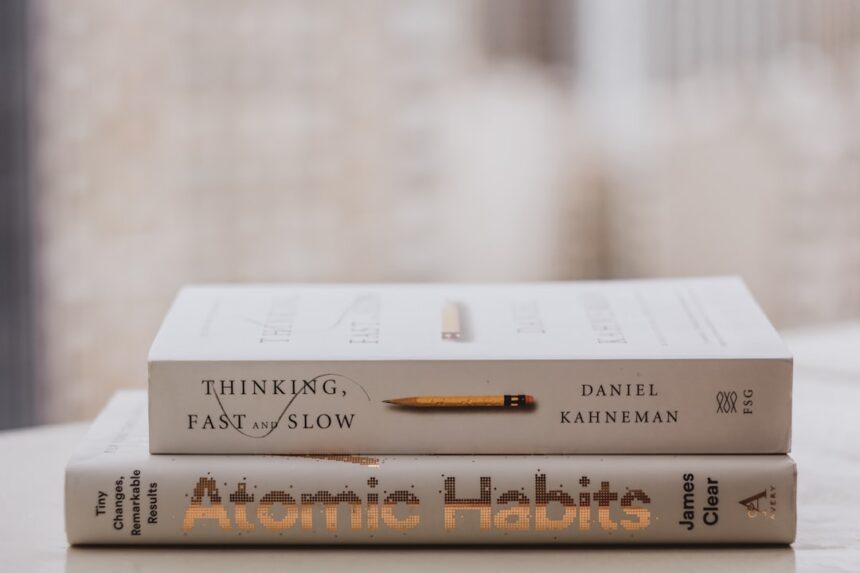
You tend to think of your “self” as an immutable thing, a core essence that exists independent of your actions. You might believe you are inherently a certain way – perhaps you are “disciplined,” or “creative,” or even “lazy.” This perception, however, is a significant miscalculation. Your internal identity is not a fixed point; it is a fluid construct, a dynamic entity continuously shaped by the habits you cultivate. These seemingly small, often unconscious patterns of behavior are the raw materials from which your sense of self is constructed. They are the architects of your internal landscape, meticulously building and rebuilding who you believe you are, day by day, action by action.
You often fall into the trap of believing your character is preordained. From childhood, you might have been labeled as “smart” or “shy,” and you internalized these labels, assuming they were definitive pronouncements on your being. This can lead to a limited view of your potential and a resistance to change. If you believe you are inherently disorganized, you may see no point in trying to develop organizational skills, as it feels like fighting against your very nature. This perspective is fundamentally flawed.
The Problem with Hardwired Self-Perception
Your brain is not a static hard drive filled with pre-installed personality traits. It is a remarkably adaptable organ, constantly rewiring itself based on your experiences and actions. This concept, known as neuroplasticity, means that every time you perform a specific behavior, you are strengthening neural pathways associated with that behavior. If you consistently practice a skill, those pathways become more robust, making the behavior easier to repeat and reinforcing the idea that you are capable of that action. Conversely, neglecting certain behaviors weakens those pathways, making them less accessible.
How Labels Become Self-Fulfilling Prophecies
When you are assigned labels, especially during formative years, and you accept them, you begin to act in accordance with them. If you are told you are “not good at math,” you might avoid math-related tasks, further confirming your perceived deficiency. This self-fulfilling prophecy limits your growth and reinforces the idea that your identity is fixed. The danger here lies in accepting these external definitions as absolute truths about your internal makeup.
Understanding that habits are closely tied to our internal identity can significantly impact personal growth and development. For a deeper exploration of this concept, you can read the article on Productive Patty, which discusses how our self-perception influences our behaviors and routines. This connection between identity and habits highlights the importance of aligning our actions with the person we aspire to be. To learn more, visit this article.
The Cumulative Power of Micro-Actions
Your habits are not grand pronouncements about who you are; they are the accumulation of countless small decisions and actions. The book you read for 15 minutes each day, the time you spend stretching in the morning, the way you respond to emails – these are all micro-actions that, over time, contribute significantly to the solidification of your internal identity. It is the sheer consistency and repetition of these small behaviors that grant them their profound influence.
Understanding the Compound Effect of Habits
Just as compound interest allows small investments to grow exponentially over time, the compound effect of habits operates in a similar fashion. A single good habit might seem insignificant, but when performed consistently, its positive impact multiplies. Think about it: a five-minute meditation session every morning might not feel transformative initially, but after a year, you’ve dedicated over 30 hours to stilling your mind, likely leading to a noticeable shift in your ability to manage stress and maintain focus. Conversely, negative habits, like spending an extra hour scrolling through social media each night, also compound, chipping away at your productivity and potentially fostering feelings of dissatisfaction.
The Evolution of Skill and Identity Through Practice
When you engage in a consistent practice, you are not merely performing an action; you are actively building a skill. This gradual mastery creates a new facet of your internal identity. The person who diligently practices a musical instrument, for example, gradually begins to see themselves as a musician, not just someone who occasionally plays. This internal shift is a direct consequence of the habit of practice. Your identity adapts to accommodate the skills and capabilities you are actively developing.
Habits as the Building Blocks of Self-Concept

Your habits are the literal building blocks of your self-concept. They are the bricks and mortar that construct the edifice of who you believe you are. Each time you engage in a habit, you are reinforcing a particular narrative about yourself. If you habitually choose to exercise, you are building a narrative of yourself as a healthy, active individual. If you consistently put off important tasks, you are reinforcing a narrative of yourself as someone who struggles with procrastination.
The Role of Repetition in Solidifying Identity
Repetition is the engine of habit formation. The more you repeat a behavior, the more ingrained it becomes, and the more it begins to feel like an intrinsic part of your identity. This is not about forced conformity; it is about the natural consequence of consistent action. Your brain, seeking efficiency, automagically reinforces actions that are performed regularly. This creates a feedback loop: the more you do something, the more you identify with doing it, and the more likely you are to continue doing it.
How Self-Image Adapts to Behavior
Your self-image is not a static photograph; it is a dynamic, evolving portrait. As you adopt new habits, your self-image adjusts to reflect these changes. If you start a habit of waking up early, you might begin to perceive yourself as more disciplined and in control of your day. This adjustment in self-perception is a crucial step in truly owning that new identity. It’s not just about doing the habit; it’s about believing you are the kind of person who does the habit.
The Conscious Design of Your Internal Landscape

While habits often form unconsciously, you possess the remarkable ability to consciously design and cultivate the habits that will shape your desired internal identity. This is where the true power lies – in moving from being a passive recipient of habit-driven identity formation to an active architect of your own self. This requires intention, self-awareness, and a strategic approach to habit selection and implementation.
Identifying the Habits Aligned with Your Desired Self
The first step in consciously shaping your identity is to identify the habits that would logically lead to the person you want to become. If you aspire to be a more confident public speaker, the relevant habits might include practicing presentations in front of a mirror, joining a Toastmasters club, or even engaging in small talk with strangers. These are not random acts; they are deliberate choices designed to cultivate specific traits and abilities.
The Strategy of Habit Stacking and Environmental Design
To make new habits stick, you can employ strategic techniques. Habit stacking involves linking a new habit to an existing, already established habit. For instance, if you want to start journaling, you could stack it onto your morning coffee routine: “After I make my coffee, I will journal for five minutes.” Environmental design also plays a role. If you want to read more, leave books in visible places around your home. Conversely, if you want to reduce mindless scrolling, delete social media apps from your phone’s home screen. These proactive measures create an environment conducive to your chosen habits.
Understanding that habits are deeply intertwined with our internal identity can significantly impact personal growth. For a deeper exploration of this concept, you might find the article on productive habits insightful. It discusses how aligning your actions with your self-perception can lead to more sustainable changes. You can read more about it in this related article, which emphasizes the importance of viewing habits as reflections of who we truly are.
The Journey of Identity Transformation
| Reasons | Explanation |
|---|---|
| Habits reflect our values | Our habits are often aligned with what we value and prioritize, reflecting our internal identity. |
| Habits shape our self-image | The habits we cultivate contribute to how we see ourselves, forming our internal identity. |
| Habits influence our beliefs | Repeated behaviors can reinforce certain beliefs, shaping our internal identity and worldview. |
| Habits define our character | Consistent habits contribute to the development of our character, reflecting our internal identity. |
Shaping your internal identity through habits is not an overnight process; it is a continuous journey of growth and evolution. There will be setbacks, moments of doubt, and times when you feel you are not making progress. Acknowledging this reality is crucial for sustained commitment. The key is to view these as learning opportunities rather than definitive failures.
Embracing Imperfection and Persistent Effort
You will not become the person you aspire to be instantaneously. There will be days when you slip up, when old patterns resurface. This is not a sign of weakness, but a normal part of the process. The individual who is truly shaping their identity understands that perfection is an unrealistic goal and that consistent, persistent effort, even in the face of minor setbacks, is far more impactful. You learn from the missteps and re-engage with your chosen habits.
The Long-Term Impact on Self-Perception and Well-being
The cumulative effect of consciously cultivated habits extends far beyond individual actions. It leads to a profound and lasting transformation of your self-perception and, consequently, your overall well-being. When you consistently act in alignment with your aspirations, you begin to internalize those aspirations as fundamental aspects of your being. This creates a virtuous cycle where a stronger, more positive self-concept fuels further positive actions and a greater sense of fulfillment and purpose in your life. Your identity becomes a testament to your deliberate choices and your commitment to becoming your best self.
FAQs
What is the relationship between habits and internal identity?
Habits are deeply connected to our internal identity because they reflect our beliefs, values, and self-image. Our habits are a reflection of who we believe ourselves to be and what we prioritize in our lives.
How do habits shape our internal identity?
Our habits shape our internal identity by reinforcing certain beliefs and values. For example, if someone consistently practices healthy eating habits, they may come to see themselves as a health-conscious person, which becomes part of their internal identity.
Can our internal identity influence our habits?
Yes, our internal identity can influence our habits. For example, if someone sees themselves as a disciplined and hardworking individual, they are more likely to develop habits that align with those traits, such as a consistent work ethic or daily exercise routine.
How can understanding the connection between habits and internal identity be beneficial?
Understanding this connection can be beneficial because it allows individuals to intentionally shape their habits in a way that aligns with their desired internal identity. It can also help in breaking negative habits that do not align with one’s internal identity.
What are some strategies for aligning habits with internal identity?
Some strategies for aligning habits with internal identity include identifying core values and beliefs, setting specific habit-related goals, and consistently practicing habits that reflect the desired internal identity. Additionally, seeking support from others and being mindful of the impact of habits on internal identity can be helpful.