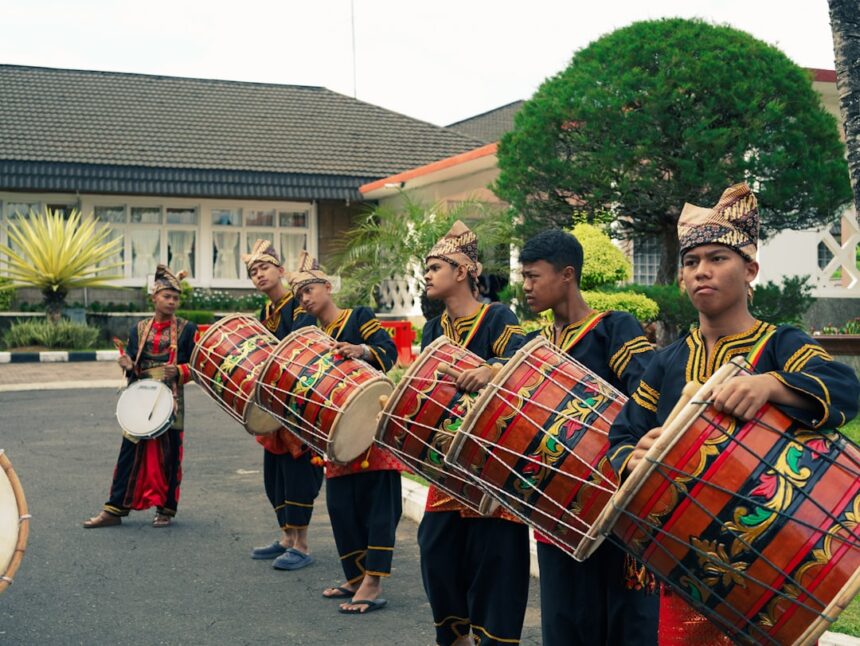
Identity tourism refers to the practice of individuals temporarily engaging with or adopting aspects of cultures, communities, or identities different from their own. This phenomenon has become increasingly prevalent due to globalization and enhanced digital connectivity, which have expanded access to diverse cultural experiences through travel, media, and online platforms. The practice typically involves participants immersing themselves in the customs, traditions, languages, or lifestyles of other groups.
This engagement can occur through various means, including cultural tourism, participation in traditional ceremonies, adopting cultural dress or practices, or consuming media content that represents different identities. While some participants approach identity tourism with genuine intentions to learn and develop cultural understanding, others may engage more superficially, treating cultural elements as consumable experiences. Identity tourism presents both benefits and concerns.
Positive aspects include fostering cross-cultural understanding, promoting empathy, and creating opportunities for meaningful cultural exchange. However, critics argue that it can lead to the commodification of cultural practices, reinforce existing stereotypes, and perpetuate unequal power dynamics between dominant and marginalized groups. Additionally, superficial engagement may result in oversimplified or inaccurate representations of complex cultural identities.
Some individuals seek authentic learning experiences and genuine cultural connection, while others may be driven by novelty-seeking behavior or the desire to curate distinctive social media content. Understanding these underlying motivations is important for evaluating the potential impacts and ethical implications of identity tourism practices.
Key Takeaways
- Identity tourism involves exploring and adopting different cultural or social identities, raising questions about authenticity and ethics.
- Role-stacking, or managing multiple identities simultaneously, can lead to psychological stress and challenges in maintaining genuine self-expression.
- Balancing multiple identities requires awareness of privilege and sensitivity to cultural appropriation to avoid ethical pitfalls.
- Authenticity and ethical considerations are crucial in identity tourism to foster respectful and meaningful intercultural connections.
- Embracing fluidity in identity allows for more genuine interactions and helps navigate the complexities of identity tourism responsibly.
The Pitfalls of Role-Stacking
Role-stacking refers to the practice of adopting multiple identities or roles simultaneously, often in an attempt to navigate various social contexts. You might find yourself slipping into different personas depending on your environment—whether at work, with friends, or while traveling.
The pressure to perform different identities can lead to feelings of disconnection and confusion about who you truly are. As you engage in role-stacking, it’s important to be aware of the potential pitfalls. You may inadvertently dilute your authentic self in the process, leading to a sense of fragmentation.
This dissonance can create internal conflict as you struggle to reconcile the various aspects of your identity. Additionally, role-stacking can foster a sense of inauthenticity, making it difficult for you to form genuine connections with others. Recognizing these challenges is the first step toward navigating the complexities of your multifaceted identity.
Navigating Authenticity in Identity Tourism

Authenticity is a key concern in identity tourism, as you may grapple with the question of what it means to engage with another culture or identity genuinely. You might find yourself torn between the desire to immerse yourself in new experiences and the fear of appropriating or misrepresenting those identities. To navigate this delicate balance, it’s essential to approach identity tourism with humility and openness.
One way to foster authenticity is by prioritizing meaningful interactions over superficial experiences. Instead of merely checking off items on a cultural bucket list, consider investing time in understanding the history and context behind the traditions you encounter. Engaging with local communities and listening to their stories can provide invaluable insights that enrich your experience.
By approaching identity tourism with a mindset of respect and curiosity, you can cultivate a deeper connection to the cultures you explore while honoring their complexities.
Balancing Multiple Identities
As you navigate the intricacies of your own identity, you may find yourself balancing multiple roles and cultural influences. This balancing act can be both rewarding and challenging, as you strive to honor each aspect of your identity while remaining true to yourself. You might feel pressure to conform to societal expectations or stereotypes associated with each role, leading to feelings of inadequacy or confusion.
To achieve a harmonious balance among your identities, it’s essential to embrace the fluidity of your experiences. Recognize that your identity is not static; it evolves over time as you encounter new perspectives and challenges. By allowing yourself the freedom to explore different facets of your identity without judgment, you can cultivate a more integrated sense of self.
This journey may involve self-reflection and introspection, but it ultimately leads to a richer understanding of who you are and how you relate to the world around you.
The Impact of Identity Tourism on Cultural Appropriation
| Aspect | Description | Potential Pitfalls | Example |
|---|---|---|---|
| Role Stacking | Combining multiple social identities or roles in a tourism context. | Conflicting expectations, role overload, identity confusion. | A tourist acting as both a cultural learner and a social influencer may face conflicting behaviors. |
| Identity Tourism | Adopting or performing an identity different from one’s own while traveling. | Misrepresentation, cultural appropriation, stereotyping. | A traveler adopting indigenous dress without understanding cultural significance. |
| Role Conflict | When multiple roles have incompatible demands. | Stress, reduced authenticity, negative social judgment. | A tourist trying to be both a respectful observer and an active participant in sacred rituals. |
| Role Overload | Taking on too many roles simultaneously. | Fatigue, decreased enjoyment, superficial engagement. | Attempting to be a photographer, cultural learner, and social media promoter all at once. |
| Authenticity Issues | Challenges in maintaining genuine identity while role stacking. | Loss of self, perceived inauthenticity by locals or peers. | Performing a role that conflicts with personal values to fit in with a tourist group. |
Cultural appropriation is a contentious issue within the realm of identity tourism, as it raises questions about ownership and respect for cultural practices. You may find yourself grappling with the fine line between appreciation and appropriation as you engage with different cultures. While it’s natural to be inspired by diverse traditions, it’s crucial to consider the historical context and power dynamics at play.
As you explore new identities through tourism, be mindful of how your actions may impact the communities you engage with. Appropriating elements of a culture without understanding their significance can perpetuate harmful stereotypes and contribute to the erasure of marginalized voices. To navigate this complex terrain, strive for cultural exchange rather than appropriation.
This means actively seeking out opportunities to learn from those within the culture and supporting their voices rather than simply taking from them.
Managing Expectations in Role-Stacking
When engaging in role-stacking, managing your expectations is vital for maintaining a healthy relationship with your various identities. You may enter situations with preconceived notions about how each role should manifest, leading to disappointment or frustration when reality doesn’t align with your expectations. It’s essential to approach each role with an open mind and a willingness to adapt as circumstances change.
By setting realistic expectations for yourself, you can alleviate some of the pressure associated with role-stacking. Understand that it’s okay not to have all the answers or to feel uncertain about which identity to embody in a given moment. Embrace the idea that your journey is a process of exploration rather than a destination.
This mindset allows you to approach each experience with curiosity and resilience, ultimately leading to personal growth and deeper connections with others.
The Psychological Effects of Role-Stacking
The psychological effects of role-stacking can be profound, influencing your mental well-being and sense of self. As you navigate multiple identities, you may experience feelings of anxiety or stress related to maintaining these roles. The constant need to adapt can lead to emotional exhaustion, making it challenging for you to find moments of peace and authenticity.
To mitigate these psychological effects, consider implementing self-care practices that prioritize your mental health. Engaging in mindfulness exercises or journaling can help you process your experiences and emotions as you navigate your multifaceted identity. Additionally, seeking support from friends or mental health professionals can provide valuable insights and coping strategies as you work through the complexities of role-stacking.
Recognizing and Addressing Privilege in Identity Tourism
As you engage in identity tourism, it’s crucial to recognize the privilege that may shape your experiences. Your background, socioeconomic status, and access to resources can significantly influence how you interact with different cultures. Acknowledging this privilege allows you to approach identity tourism with greater awareness and sensitivity.
Addressing privilege involves actively listening to marginalized voices and amplifying their stories rather than centering your own experiences. You might consider supporting local artisans or businesses when traveling instead of participating in exploitative tourist activities. By being mindful of how your actions impact others, you can contribute positively to the communities you engage with while fostering a more equitable exchange of ideas and experiences.
Ethical Considerations in Identity Tourism
Ethical considerations are paramount when engaging in identity tourism, as they shape how you interact with different cultures and communities. You may find yourself grappling with questions about consent, representation, and accountability as you navigate this complex landscape. It’s essential to approach identity tourism with a strong ethical framework that prioritizes respect for the cultures you engage with.
One way to uphold ethical standards is by conducting thorough research before immersing yourself in a new culture. Understanding the historical context and current issues facing that community can inform your interactions and help you avoid perpetuating harmful stereotypes. Additionally, consider seeking out opportunities for collaboration rather than appropriation—engaging with local artists or community leaders can foster meaningful connections while respecting their autonomy.
Building Genuine Connections in Role-Stacking
Building genuine connections while navigating role-stacking requires intentionality and vulnerability. As you embody different identities, take time to reflect on what each role means to you and how it shapes your interactions with others. Authenticity is key; by being open about your experiences and struggles, you create space for others to do the same.
To foster genuine connections, prioritize active listening and empathy in your interactions. Engage with others on a deeper level by asking questions that invite them to share their stories and perspectives. This approach not only enriches your understanding but also cultivates trust and rapport among those around you.
By investing in meaningful relationships, you can create a supportive network that honors the complexities of each individual’s identity.
Embracing Fluidity in Identity Tourism
Embracing fluidity is essential in navigating identity tourism effectively. Your identity is not fixed; it evolves as you encounter new experiences and perspectives throughout your journey. By recognizing this fluidity, you allow yourself the freedom to explore different aspects of who you are without fear of judgment or confinement.
This embrace of fluidity encourages adaptability and resilience as you navigate various cultural landscapes. You may find that certain aspects of your identity resonate more strongly at different times or in different contexts—this is entirely normal. By celebrating this dynamic nature of identity, you open yourself up to richer experiences and deeper connections with others as they share their own journeys of self-discovery.
In conclusion, engaging in identity tourism presents both opportunities and challenges as you navigate the complexities of culture and selfhood. By understanding the nuances of role-stacking, authenticity, privilege, and ethical considerations, you can embark on this journey with greater awareness and intention. Ultimately, embracing fluidity allows for personal growth while fostering genuine connections across diverse identities—an enriching experience that transcends mere tourism.
In exploring the complexities of identity tourism and the potential pitfalls of role stacking, it’s essential to consider the broader implications of how individuals navigate their identities in various contexts. A related article that delves into these themes can be found on Productive Patty, which discusses the nuances of personal branding and the challenges that arise when individuals attempt to juggle multiple roles. For more insights, you can read the article [here](https://www.productivepatty.com/).
FAQs
What is identity tourism?
Identity tourism refers to the practice of individuals adopting or exploring different cultural, ethnic, or social identities, often in virtual or travel contexts. It involves experiencing or representing identities other than one’s own, sometimes for entertainment, education, or social interaction.
What does role stacking mean in the context of identity tourism?
Role stacking is the process of layering multiple social roles or identities simultaneously. In identity tourism, it refers to how individuals manage and combine various identity roles they assume, which can affect their interactions and experiences.
What are common pitfalls associated with identity tourism?
Common pitfalls include cultural appropriation, stereotyping, misrepresentation, and reinforcing harmful biases. Identity tourism can lead to superficial or disrespectful engagement with cultures and identities, causing offense or misunderstanding.
How can role stacking lead to challenges in identity tourism?
Role stacking can create conflicts or confusion when multiple identities clash or when individuals struggle to authentically represent the roles they assume. It may also lead to overgeneralization or dilution of specific cultural experiences.
Why is it important to be aware of pitfalls in identity tourism?
Awareness helps prevent harm, promotes respectful cultural exchange, and encourages authentic understanding. It ensures that identity tourism does not perpetuate stereotypes or exploit marginalized groups.
Can identity tourism be done ethically?
Yes, ethical identity tourism involves respectful engagement, informed consent, cultural sensitivity, and a willingness to learn. It requires acknowledging power dynamics and avoiding appropriation or misrepresentation.
What role does self-reflection play in identity tourism?
Self-reflection helps individuals recognize their own biases, privileges, and motivations. It encourages responsible participation and helps avoid unintended negative consequences in identity tourism.
How does technology impact identity tourism and role stacking?
Technology, especially virtual environments and social media, enables people to experiment with different identities more easily. However, it also raises concerns about authenticity, anonymity, and the potential for misrepresentation or identity confusion.