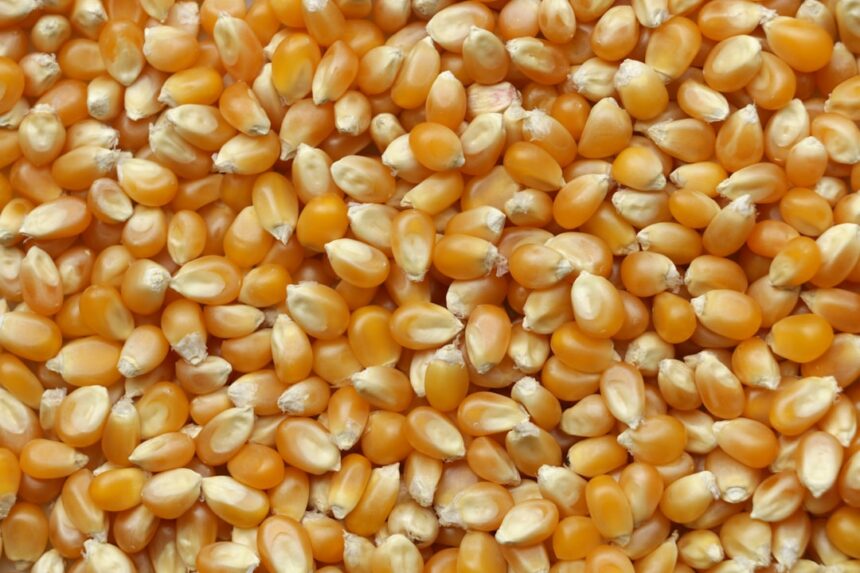
When you encounter whole grains in their natural state, you’re looking at intact grains. Think of a kernel of wheat, a single oat groat, a plump rice grain, or a perfectly formed maize kernel. These are the complete packages, containing all three of their essential parts: the bran, the germ, and the endosperm. This tripartite structure is the key to their nutritional density and benefits.
The Anatomy of a Grain Kernel
To truly appreciate intact grains, it’s important to understand their composition. Each part plays a distinct role, contributing to the overall health profile of the grain.
The Bran: The Protective Outer Layer
The bran is the outermost layer of the grain kernel. It’s a fibrous hull, rich in B vitamins, minerals like iron and zinc, and, most notably, dietary fiber. This fiber is crucial for digestive health, promoting regularity and contributing to a feeling of fullness, which can aid in weight management. It also plays a role in regulating blood sugar levels by slowing down the absorption of glucose.
The Germ: The Nutrient-Rich Core
Beneath the bran lies the germ, the embryo of the plant. This is where the grain sprouts and new life begins. Consequently, the germ is packed with nutrients. You’ll find healthy fats, especially unsaturated ones, vitamin E, B vitamins, and various antioxidants. The presence of these healthy fats is what gives the germ its richness and contributes to its role in cellular health.
The Endosperm: The Starchy Center
The endosperm constitutes the largest portion of the grain. Its primary function is to provide nourishment for the developing embryo. It’s mainly composed of carbohydrates, which serve as the body’s primary source of energy. While the endosperm contains some protein and a few micronutrients, it is less nutrient-dense than the bran and the germ.
Why Intact Grains Matter for Your Health
The synergy of these three components in their natural form is what makes intact grains so beneficial. When you consume a grain intact, you are consuming all of its inherent nutritional advantages.
Fiber’s Multifaceted Role
The high fiber content in the bran is a significant differentiator. Unlike refined grains, where the bran and germ are removed, intact grains retain this crucial component. This fiber acts as a prebiotic, feeding beneficial bacteria in your gut. A healthy gut microbiome is increasingly linked to improved immune function, better mood regulation, and even reduced risk of certain chronic diseases.
Micronutrient Powerhouses
Beyond fiber, intact grains are excellent sources of essential micronutrients. These include a spectrum of B vitamins (like thiamine, niacin, and folate), vital for energy metabolism and nerve function. They also provide minerals such as magnesium, important for muscle and nerve function, blood sugar control, and blood pressure regulation; phosphorus, crucial for bone health; and selenium, an antioxidant that supports thyroid function and immune responses.
Satiety and Blood Sugar Management
The combination of fiber and protein in intact grains contributes to a greater sense of fullness. This can help you feel satisfied for longer after a meal, potentially reducing overall calorie intake and supporting weight management efforts. Furthermore, the fiber slows down the digestion and absorption of carbohydrates, leading to a more gradual rise in blood sugar levels compared to refined grains. This steady release of glucose is beneficial for preventing energy crashes and is particularly important for individuals managing diabetes.
When considering the nutritional benefits of intact grains versus ground flours, it’s essential to explore various perspectives on the topic. A related article that delves into the advantages of using whole grains for better focus and overall health can be found at Productive Patty. This resource provides insights into how intact grains can enhance cognitive function and sustain energy levels, making them a valuable addition to your diet.
Understanding Ground Flours
Ground flours are derived from grains through a milling process that breaks down the kernel into smaller particles. The nature of the milling process significantly impacts the nutritional profile of the resulting flour, determining whether it is considered “whole” or “refined.”
The Milling Process and Its Impact
The mechanical action of grinding can fundamentally alter the grain’s structure and, consequently, its nutritional composition. The degree of processing is the primary determinant of the flour’s class.
Whole Flours: Retaining the Grain’s Integrity
Whole flours, true to their name, are produced by grinding the entire grain kernel. This means the bran, germ, and endosperm are all present in the flour, albeit in a finely ground form. The milling process aims to break down the kernel without removing any of its constituent parts.
The Benefits of Whole Wheat Flour
Whole wheat flour, for instance, retains all the fiber, vitamins, minerals, and healthy fats of the original wheat kernel. This is why it is often recommended as a healthier alternative to refined white flour. You’ll find a more robust flavor and a denser texture in baked goods made with whole wheat flour, reflecting the presence of all the grain’s components.
Other Whole Grain Flours
Beyond wheat, many other grains can be milled into whole flours. These include whole oat flour, whole rye flour, whole corn flour (often referred to as cornmeal), and various ancient grain flours like spelt, emmer, and farro. Each will carry the nutritional hallmarks of its intact grain origin, offering a diverse range of benefits.
Refined Flours: Removal of Key Components
Refined flours undergo a more aggressive milling process. During this process, the bran and the germ are deliberately separated from the endosperm. The endosperm, being primarily starchy and white, is then ground into a fine powder.
The Endosperm’s Role in Refined Flour
The endosperm, while providing carbohydrates, lacks the significant fiber, healthy fats, and a substantial portion of the vitamins and minerals found in the bran and germ. This removal fundamentally changes the flour’s nutritional landscape, leaving it with a much lower nutrient density.
Enrichment: A Partial Solution
To compensate for the nutritional losses during refining, many refined flours are “enriched.” This process involves adding back certain vitamins and iron that were removed during milling. However, enrichment typically does not replace all the lost micronutrients, nor does it restore the lost fiber or healthy fats. It is a partial fortification, not a complete nutritional restoration.
Nutritional Differences: A Stark Contrast
The presence or absence of the bran and germ creates a significant nutritional disparity between whole flours and refined flours. This difference has direct implications for your health.
Fiber Content
The most apparent difference lies in fiber. Refined flours are stripped of most of their fiber, while whole flours retain it. This has a cascading effect on digestion, satiety, and blood sugar regulation.
Micronutrient Spectrum
While enrichment adds back some nutrients to refined flours, it cannot replicate the full spectrum of vitamins and minerals naturally present in the bran and germ. Whole flours offer a more comprehensive and naturally occurring nutrient package.
Healthy Fats and Antioxidants
The germ, a source of healthy fats and antioxidants, is removed during the refining process. This means refined flours are largely devoid of these beneficial compounds, which play roles in cellular health and combating oxidative stress.
Choosing Intact Grains Over Refined for Optimal Health
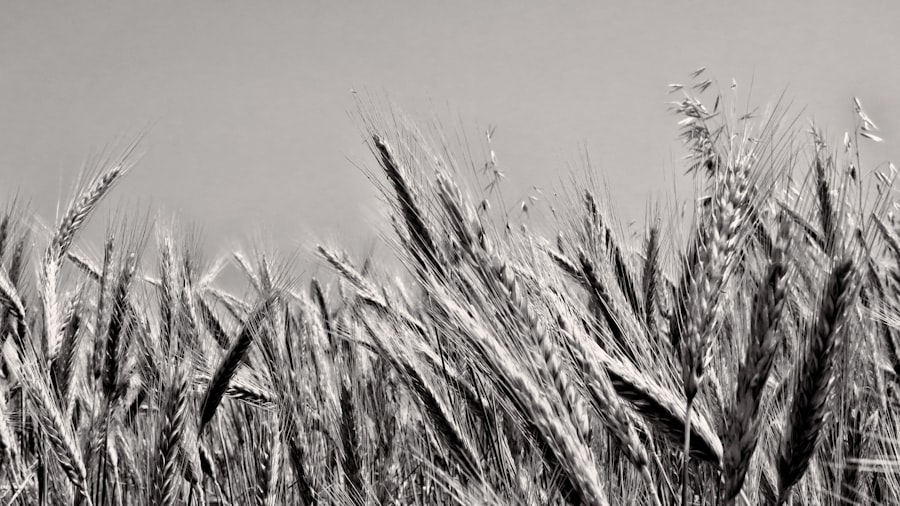
The evidence strongly suggests that prioritizing intact grains in your diet offers a more robust approach to health promotion compared to relying on refined grain products. This preference is rooted in the distinct nutritional profiles of each.
Digestive System Benefits
Your digestive system thrives on the roughage provided by intact grains. The fiber acts as a natural broom, sweeping through your intestines, promoting regularity, and preventing constipation. This not only feels better but also plays a role in long-term colon health.
Promoting Gut Microbiome Diversity
The fiber in intact grains serves as food for the beneficial bacteria residing in your gut. A diverse and thriving gut microbiome is linked to numerous health advantages, including improved immune function, better nutrient absorption, and even positive effects on mental well-being.
The Disconnect with Refined Grains
Refined grains, with their limited fiber content, offer little to no nutritional benefit for your gut microbiome. Their rapid digestion can even lead to imbalances, potentially contributing to digestive discomfort and other issues.
Blood Sugar Regulation and Energy Levels
The slower digestion of intact grains translates to a more stable release of glucose into your bloodstream. This prevents the sharp spikes and subsequent crashes in blood sugar that are often experienced after consuming refined carbohydrates.
Preventing Energy Slumps
By providing a steady supply of energy, intact grains help you maintain consistent energy levels throughout the day. This reduces reliance on quick sugar fixes and promotes sustained focus and productivity.
Aiding in Diabetes Management
For individuals managing diabetes, the glycemic impact of intact grains is significantly less problematic than that of refined grains. Their ability to moderate blood sugar response is a key advantage in preventing hyperglycemia and its associated complications.
Weight Management Support
The combined effect of increased satiety and improved blood sugar control makes intact grains a valuable ally in weight management efforts. Feeling fuller for longer can help curb overeating and reduce unhealthy snacking.
The Role of Fiber in Satiety
The bulk and slower digestion of fiber in intact grains contribute to a prolonged feeling of fullness, reducing the urge to eat more than necessary. This can be a powerful tool in managing calorie intake without feeling deprived.
Steady Energy for Physical Activity
Consistent energy levels derived from intact grains can also support regular physical activity, further contributing to weight management goals.
Incorporating More Intact Grains into Your Diet

Transitioning towards a diet rich in intact grains doesn’t require drastic changes. Small, consistent adjustments can make a significant difference in your overall health.
Simple Swaps and Substitutions
Look for opportunities to replace refined grain products with their whole grain counterparts in your daily meals. These are often straightforward substitutions that require minimal effort.
Breakfast Choices
- Oatmeal: Opt for rolled oats or steel-cut oats over instant varieties, which are often processed and may contain added sugars.
- Bread: Choose 100% whole wheat or whole grain bread for your toast or sandwiches instead of white bread.
- Cereal: Select cereals with whole grains listed as the first ingredient and avoid those high in added sugars.
Lunch and Dinner Strategies
- Rice: Substitute white rice with brown rice, quinoa, or barley.
- Pasta: Look for whole wheat pasta options.
- Breading: Use whole wheat breadcrumbs or crushed whole grain crackers for coating chicken or fish.
Exploring New Grains and Products
Don’t limit yourself to just wheat and oats. The world of intact grains is vast and offers a diverse range of flavors and textures to explore.
Embracing Ancient Grains
Ancient grains like quinoa, farro, spelt, and amaranth offer unique nutritional profiles and culinary possibilities. They can be used in salads, as side dishes, or incorporated into various recipes.
Whole Grain Snacks
Instead of processed snacks, consider whole grain crackers, air-popped popcorn, or a handful of almonds with a few whole grain pretzels.
Reading Food Labels Critically
Become a savvy consumer by understanding how to interpret food labels, particularly when it comes to grain products. This will help you make informed choices.
Identifying True Whole Grains
Look for terms like “whole wheat flour,” “whole oats,” or “brown rice” as the first ingredient on the product’s ingredient list. Be wary of terms like “multigrain” or “wheat flour,” as these do not guarantee that the product is made from whole grains.
Sugar and Sodium Awareness
While focusing on whole grains, it’s also important to be mindful of added sugars and sodium in packaged grain products, as these can negate some of the health benefits.
When considering the nutritional benefits of intact grains versus ground flours, it’s essential to explore how these options can impact focus and overall cognitive function. A related article discusses the advantages of consuming whole grains, which are often richer in fiber and essential nutrients compared to their processed counterparts. For more insights on this topic, you can read the full article here. By understanding the differences, you can make informed choices that may enhance your concentration and mental clarity.
The Nuances of Ground Flours: When They Can Be Beneficial
| Category | Intact Grains | Ground Flours |
|---|---|---|
| Texture | Whole and chewy | Finely milled and smooth |
| Nutritional Value | Higher fiber and nutrients | Lower fiber and nutrients |
| Storage | Longer shelf life | Shorter shelf life |
| Usage | Can be cooked as whole grains | Used for baking and cooking |
While the emphasis is rightly placed on intact grains, it’s important to acknowledge that ground flours, particularly whole grain flours, can still play a valuable role in a healthy diet. The key lies in understanding the difference between whole and refined and in how these flours are used.
The Case for Whole Grain Flours
When the entire grain kernel is ground, the nutritional benefits of the bran, germ, and endosperm are largely preserved. This makes whole grain flours a viable and often excellent alternative to using intact grains directly, especially in baking.
Baking Adaptability
Whole grain flours, such as whole wheat or rye flour, can be used in a wide variety of baked goods, from bread and muffins to cakes and cookies. They contribute fiber, nutrients, and a distinct, often desirable, nutty flavor.
Adjusting Recipes
Baking with whole grain flours may sometimes require minor adjustments to recipes. They can absorb more liquid than refined flours, and their gluten structure may differ, potentially leading to denser baked goods. However, with practice, many recipes can be adapted successfully.
Healthier Baked Goods
By using whole grain flours, you can transform typically less healthy baked goods into more nutritious options, providing your body with essential fiber and micronutrients.
Textured and Flavorful Additions
Even when primarily using other ingredients, a small addition of whole grain flour can enhance the texture and flavor profile of dishes. It can add a subtle complexity that refined flours cannot provide.
The Limitations of Refined Flours
It is difficult to overstate the nutritional void left when grains are refined. The removal of the bran and germ strips away significant amounts of fiber, crucial vitamins, minerals, and healthy fats.
Nutrient Depletion
The process of refining leads to a substantial decline in nutrient density. While enrichment adds back some nutrients, it’s a compensatory measure rather than a restoration of the original nutritional completeness.
Impact on Blood Sugar
The rapid digestion of refined flours leads to quicker spikes in blood sugar levels. This can contribute to energy fluctuations and, over time, increase the risk of insulin resistance and type 2 diabetes.
Reduced Satiety
Without the fiber and healthy fats present in the bran and germ, refined flours offer less in terms of satiety. This can lead to increased hunger and potentially overconsumption of food.
Strategic Use of Refined Flours in Moderation
While the health benefits of intact grains and whole grain flours are clear, this does not necessitate the complete elimination of refined flours from your diet. For some specific culinary applications or for individuals with certain dietary needs, they may still be used strategically and in moderation.
Certain Baked Goods Textures
Achieving specific light and airy textures in certain delicate baked goods, like angel food cake or some pastries, may rely on refined flour due to its lower protein and fiber content, which contributes to a less dense structure.
Digestive Sensitivities
For individuals experiencing significant digestive distress with high-fiber foods, a temporary reduction in whole grains and a strategic use of more easily digestible refined flours might be considered under professional guidance. However, this should not be a long-term solution for maintaining optimal health.
Enjoyment and Cultural Context
Diet is also about enjoyment and cultural practices. For infrequent treats or traditional recipes, a small amount of refined flour might be part of a balanced approach, provided the overall dietary pattern emphasizes intact and whole grains. The key is that these uses are exceptions rather than the norm.
Making Informed Choices for Your Health
Ultimately, the choice between intact grains and ground flours, and which type of ground flour to select, comes down to making informed decisions about your health. By understanding the nutritional differences, you can empower yourself to select foods that best support your well-being. Prioritizing intact grains and whole grain flours offers a foundational approach to a nutrient-rich diet, while mindful and occasional use of refined flours can be integrated into a balanced lifestyle.
FAQs
What are intact grains?
Intact grains are whole grains that have not been processed or broken down. They contain the bran, germ, and endosperm, providing a rich source of fiber, vitamins, and minerals.
What are ground flours?
Ground flours are grains that have been processed into a fine powder. This process removes the bran and germ, leaving only the endosperm. Ground flours are commonly used in baking and cooking.
What are the benefits of intact grains?
Intact grains retain their natural fiber, vitamins, and minerals, providing a more nutritious option compared to ground flours. They also have a lower glycemic index, which can help regulate blood sugar levels and provide sustained energy.
What are the benefits of ground flours?
Ground flours are convenient for baking and cooking, as they create a smoother texture and can be easily incorporated into recipes. They also have a longer shelf life compared to intact grains.
Which is better for focus: intact grains or ground flours?
Intact grains are generally considered better for focus due to their higher nutrient content and lower glycemic index. The fiber and nutrients in intact grains can support brain health and cognitive function, making them a beneficial choice for maintaining focus and concentration.