
In today’s fast-paced business environment, the ability to gather insights quickly is paramount. You may find that the speed at which you can analyze data and derive actionable conclusions can significantly influence your organization’s success. Rapid insight gathering allows you to respond to market changes, customer preferences, and competitive pressures with agility.
When you can make informed decisions swiftly, you position your business to capitalize on opportunities that may otherwise slip away. This urgency is not merely a trend; it has become a necessity for survival in many industries. Moreover, the importance of landing insights fast extends beyond immediate decision-making.
It fosters a culture of responsiveness within your organization, encouraging teams to prioritize agility and innovation. When you emphasize the need for quick insights, you empower your employees to think critically and act decisively. This proactive approach can lead to improved customer satisfaction, as you are better equipped to meet their needs in real-time.
Ultimately, the ability to gather insights rapidly can be a game-changer, setting you apart from competitors who may still be mired in traditional, slower processes.
Key Takeaways
- Fast insight gathering is crucial for timely and effective business decisions.
- Utilizing data analytics and technology significantly speeds up the decision-making process.
- Overcoming common barriers, including psychological factors, enhances quick decision capabilities.
- Rapid insights provide a competitive advantage and improve overall business performance.
- Establishing a culture that prioritizes fast insight gathering fosters sustained organizational success.
Strategies for Accelerating the Insight Gathering Process
To accelerate the insight gathering process, you must first streamline your data collection methods. One effective strategy is to implement automated data collection tools that can gather information from various sources without manual intervention. By utilizing software that integrates with your existing systems, you can ensure that data flows seamlessly into your analytics platforms.
This not only saves time but also reduces the likelihood of human error, allowing you to focus on interpreting the data rather than collecting it. Another strategy involves fostering collaboration across departments. When teams work in silos, valuable insights can be lost or delayed.
By encouraging cross-functional collaboration, you can create a more holistic view of the data at hand. Regular meetings or brainstorming sessions can help bring diverse perspectives together, leading to quicker identification of trends and patterns. Additionally, consider establishing a centralized dashboard where all relevant data is accessible in real-time.
This transparency allows everyone in your organization to stay informed and make decisions based on the most current information available.
Leveraging Data and Analytics for Quick Decision Making
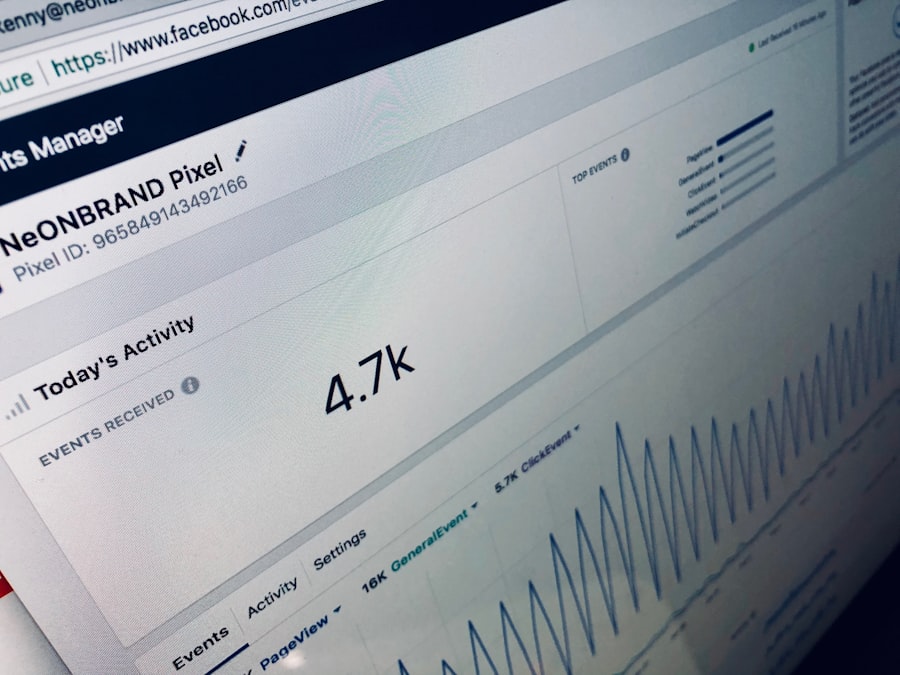
In an age where data is abundant, leveraging analytics effectively is crucial for quick decision-making.
These tools often employ machine learning algorithms that can identify trends and anomalies faster than traditional methods.
By harnessing these technologies, you can gain a competitive edge by making informed decisions based on real-time data analysis. Furthermore, it’s essential to cultivate a data-driven mindset within your organization. Encourage your team members to rely on data when making decisions rather than intuition alone.
This shift in perspective can lead to more objective and informed choices, reducing the risk of costly mistakes. Training sessions focused on data literacy can empower your employees to interpret analytics effectively, enabling them to contribute to the insight-gathering process actively. When everyone understands how to leverage data, the speed at which insights are generated increases exponentially.
The Role of Technology in Expedited Insight Gathering
Technology plays a pivotal role in expediting the insight-gathering process. You may find that adopting cloud-based solutions allows for greater flexibility and accessibility of data across your organization. With cloud technology, team members can access critical information from anywhere, facilitating quicker collaboration and decision-making.
This accessibility ensures that insights are not confined to specific locations or departments but are available to anyone who needs them. Additionally, artificial intelligence (AI) and machine learning are transforming how businesses gather insights. These technologies can analyze vast datasets in real-time, identifying patterns and correlations that might be missed by human analysts.
By integrating AI into your decision-making processes, you can significantly reduce the time it takes to derive actionable insights. As these technologies continue to evolve, they will become even more integral to how you approach insight gathering and decision-making.
Overcoming Barriers to Quick Decision Making
| Metric | Description | Typical Value | Importance |
|---|---|---|---|
| Page Load Time | Time taken for the landing page to fully load | Under 3 seconds | High – Faster load improves user experience and reduces bounce rate |
| Bounce Rate | Percentage of visitors who leave after viewing only the landing page | 30% – 50% | High – Lower bounce rate indicates better engagement |
| Conversion Rate | Percentage of visitors completing desired action (sign-up, purchase) | 2% – 10% | High – Key indicator of landing page effectiveness |
| Average Time on Page | Average duration visitors spend on the landing page | 30 seconds – 2 minutes | Medium – Indicates visitor interest and content relevance |
| Click-Through Rate (CTR) | Percentage of visitors clicking on call-to-action buttons or links | 5% – 15% | High – Measures engagement and effectiveness of CTAs |
| Traffic Source Breakdown | Distribution of visitors by source (organic, paid, referral) | Varies by campaign | Medium – Helps optimize marketing channels |
| Mobile vs Desktop Visitors | Percentage split of visitors by device type | Mobile: 50% – 70%, Desktop: 30% – 50% | Medium – Important for responsive design and UX |
Despite the advantages of rapid insight gathering, several barriers may hinder your ability to make quick decisions. One common obstacle is organizational inertia; established processes and bureaucratic red tape can slow down decision-making significantly. To overcome this challenge, you should advocate for a more agile organizational structure that empowers teams to act swiftly without unnecessary approvals or delays.
Another barrier is the fear of making mistakes or taking risks. In a fast-paced environment, it’s natural to feel apprehensive about making quick decisions that could have significant consequences. To combat this fear, foster a culture that embraces experimentation and learning from failures.
Encourage your team to view mistakes as opportunities for growth rather than setbacks. By creating an environment where calculated risks are accepted, you can enhance your organization’s ability to make swift decisions confidently.
The Impact of Delayed Decision Making on Business Performance

Delayed decision-making can have dire consequences for your business performance. When insights are not acted upon promptly, opportunities may be lost, and competitors may seize the advantage. You might find that prolonged decision-making leads to missed market trends or shifts in consumer behavior that could have been capitalized on with timely action.
This lag can result in decreased revenue and market share as customers turn to more agile competitors. Moreover, delayed decisions can create a ripple effect throughout your organization. Teams may become frustrated when they are unable to act on insights due to slow approval processes or indecision at higher levels.
This frustration can lead to decreased morale and productivity, ultimately impacting overall business performance. By recognizing the importance of timely decision-making and addressing the factors that contribute to delays, you can enhance your organization’s effectiveness and drive better results.
Best Practices for Rapid Insight Gathering
To establish best practices for rapid insight gathering, start by defining clear objectives for what insights you need and why they matter. Having a focused approach will help streamline your efforts and ensure that everyone is aligned on priorities. Regularly review these objectives as market conditions change or new challenges arise; flexibility is key in maintaining relevance.
Additionally, invest in training your team on effective data analysis techniques and tools. Providing ongoing education will empower them to extract insights quickly and efficiently from the data available. Encourage a culture of curiosity where team members feel comfortable asking questions and exploring data further.
This proactive approach will not only speed up insight gathering but also foster innovation within your organization.
The Link Between Speedy Insights and Competitive Advantage
The link between speedy insights and competitive advantage cannot be overstated. In a world where consumer preferences shift rapidly and market dynamics evolve continuously, being able to act quickly on insights gives you an edge over competitors who may still rely on outdated methods of analysis. When you harness the power of rapid insight gathering, you position yourself as a leader in your industry rather than a follower.
Moreover, speedy insights allow you to anticipate customer needs before they even arise. By analyzing trends and behaviors in real-time, you can tailor your offerings to meet those needs proactively rather than reactively. This forward-thinking approach not only enhances customer satisfaction but also builds brand loyalty as consumers recognize your commitment to understanding their preferences.
Case Studies of Successful Fast Decision Making
Examining case studies of organizations that have successfully implemented fast decision-making processes can provide valuable lessons for your own business. For instance, consider how companies like Amazon leverage real-time data analytics to optimize their supply chain operations continually.
Another example is Netflix, which uses viewer data to inform content creation decisions rapidly. By analyzing viewing habits and preferences, they can produce shows that resonate with their audience almost immediately after identifying trends. These case studies illustrate how organizations that prioritize rapid decision-making not only thrive but also set industry standards for innovation and responsiveness.
The Psychological Factors in Quick Decision Making
Understanding the psychological factors involved in quick decision-making is crucial for fostering an environment conducive to rapid insight gathering. Cognitive biases often play a significant role in how decisions are made; for instance, confirmation bias may lead individuals to favor information that supports their pre-existing beliefs while ignoring contradictory evidence. To mitigate these biases, encourage critical thinking and diverse perspectives during discussions about insights.
Additionally, stress and pressure can impact decision-making speed and quality. You should create an environment where team members feel supported rather than rushed when making decisions based on insights. Providing adequate resources and time for analysis will help alleviate stress while still promoting a sense of urgency around insight gathering.
Creating a Culture of Fast Insight Gathering and Decision Making
To create a culture of fast insight gathering and decision-making within your organization, start by leading by example. Demonstrate the importance of agility by prioritizing quick analysis and action in your own decision-making processes. Encourage open communication about insights across all levels of the organization so that everyone feels empowered to contribute.
Furthermore, recognize and reward team members who exemplify quick thinking and effective use of data in their roles. Celebrating successes related to rapid insight gathering reinforces its value within your organization’s culture. By embedding these practices into your daily operations, you will cultivate an environment where speed and agility are not just encouraged but expected as part of your organizational ethos.
In conclusion, the ability to gather insights quickly is essential for thriving in today’s competitive landscape. By implementing strategies that prioritize speed while leveraging technology effectively, you can enhance decision-making processes across your organization. Overcoming barriers and fostering a culture of rapid insight gathering will ultimately position you for sustained success in an ever-evolving marketplace.
To effectively land insights quickly, it’s essential to leverage proven strategies and tools that enhance productivity. A great resource for this is the article on Productive Patty, which offers valuable tips and techniques for streamlining your workflow. You can read more about it in this insightful piece: Productive Patty.
WATCH THIS! 🧠 Why Your Breaks Are Actually Work (10x Breakthroughs)
FAQs
What does “landing insights fast” mean?
“Landing insights fast” refers to the process of quickly gathering, analyzing, and interpreting data or information to make informed decisions or take timely actions.
Why is it important to land insights quickly?
Landing insights quickly allows businesses and individuals to respond promptly to market changes, customer needs, or operational challenges, leading to improved efficiency, competitiveness, and decision-making.
What are common methods to land insights fast?
Common methods include using real-time data analytics tools, automated reporting systems, agile research techniques, and leveraging artificial intelligence or machine learning for rapid data processing.
Which industries benefit most from landing insights fast?
Industries such as marketing, finance, healthcare, retail, and technology benefit significantly because they often require rapid decision-making based on dynamic data.
What tools can help in landing insights fast?
Tools like business intelligence platforms (e.g., Tableau, Power BI), data visualization software, customer feedback systems, and AI-powered analytics solutions can facilitate faster insight generation.
How can organizations improve their ability to land insights fast?
Organizations can improve by investing in data infrastructure, fostering a data-driven culture, training employees in analytics, adopting agile methodologies, and integrating advanced analytics technologies.
Are there challenges associated with landing insights fast?
Yes, challenges include data quality issues, information overload, lack of skilled personnel, integration difficulties, and ensuring insights are actionable and relevant.
Can landing insights fast impact business outcomes?
Absolutely. Faster insights can lead to quicker problem-solving, better customer experiences, optimized operations, and ultimately, increased revenue and market share.