
You are likely familiar with procrastination. It’s the quiet thief of your productivity, the whisper in your ear that says, “Later.” This article explores a less conventional, yet effective, approach to wrestling this ubiquitous habit into submission: mastering procrastination with motor memory. It’s not about eliminating the urge to delay, but rather about channeling that energy and, more importantly, building automatic responses that bypass the conscious decision to wait.
Before you can begin to master procrastination, you must first understand its fundamental mechanics. Procrastination is not simply laziness; it is a complex interplay of psychological and physiological factors. Your brain, in its infinite wisdom, is often wired for immediate gratification. Faced with a task that feels daunting, unpleasant, or uncertain, your amygdala, the brain’s alarm center, can trigger a stress response. This leads to avoidance behaviors, which temporarily alleviate that stress but ultimately create a larger problem.
The Immediate Gratification Trap
Your brain is a powerful predictor of future states. When confronted with a task that promises discomfort or effort, it seeks refuge in activities that offer instant dopamine hits. Think of the allure of a social media notification or a quick browse of a news site. These are readily available, low-effort rewards that momentarily silence the anxiety associated with the undone task. This becomes a self-reinforcing loop: engage in avoidance, feel temporary relief, then face the same task again, repeating the cycle.
The Emotional Underpinning of Delay
Procrastination is often deeply rooted in emotion. Fear of failure, perfectionism, and a lack of self-efficacy can all contribute to putting things off. If you believe you won’t do a good job, or if the stakes feel too high, the thought of starting can be paralyzing. Your mind, in an attempt to protect you from perceived negative outcomes, steers you away from the source of that distress. This is akin to a sensitive compass that spins wildly in a magnetic storm, unable to point true north.
The Illusion of Control
Paradoxically, procrastination can sometimes offer an illusion of control. By choosing when to do a task, even if that “when” is perilously close to a deadline, you might feel you are making a decision. However, this is a false sense of agency. True control lies in initiating action deliberately and strategically, not in responding to the pressure of impending consequences.
If you’re looking for effective strategies to overcome procrastination, understanding how to leverage motor memory can be incredibly beneficial. A related article that delves deeper into this topic is available at Productive Patty. This resource provides insights on how engaging in physical activities can help reinforce habits and improve focus, ultimately aiding in the battle against procrastination.
Leveraging Motor Memory for Action Initiation
Motor memory, also known as procedural memory, is the type of memory responsible for storing information about how to perform tasks. It’s the muscle memory that allows you to ride a bicycle or type on a keyboard without consciously thinking about each individual movement. The fascinating aspect of motor memory is its ability to automate complex sequences, making them incredibly efficient. By applying this principle to the act of starting tasks, you can build automated responses that bypass the mental hurdles of procrastination.
The Brain’s Efficiency Engine
Your brain is constantly seeking to conserve energy. When a task is performed repeatedly, the neural pathways involved in its execution become stronger and more efficient. This is the essence of motor learning. Instead of engaging your prefrontal cortex, the executive function center of your brain responsible for planning and decision-making (which can be a hotbed for procrastination), you can train your motor system to initiate action almost reflexively.
Building Automatic Cues
The key to using motor memory against procrastination is to establish clear, consistent cues that trigger an automatic behavioral response. Think of these cues as the ignition switch for your productivity engine. They should be simple, unambiguous, and directly linked to the action you want to take. For instance, the simple act of opening a specific folder on your computer, or placing a particular pen on your desk, can become powerful triggers if consistently paired with the commencement of a task.
Breaking Down Complex Actions into Motor Sequences
Large, overwhelming tasks are prime targets for procrastination. The sheer scope can induce inertia. However, by dissecting these tasks into smaller, discrete motor actions, you can begin to build a chain reaction. Instead of thinking “write report,” think “open laptop,” then “open document,” then “type heading.” Each of these is a manageable motor command.
Designing Your Motor Memory Triggers
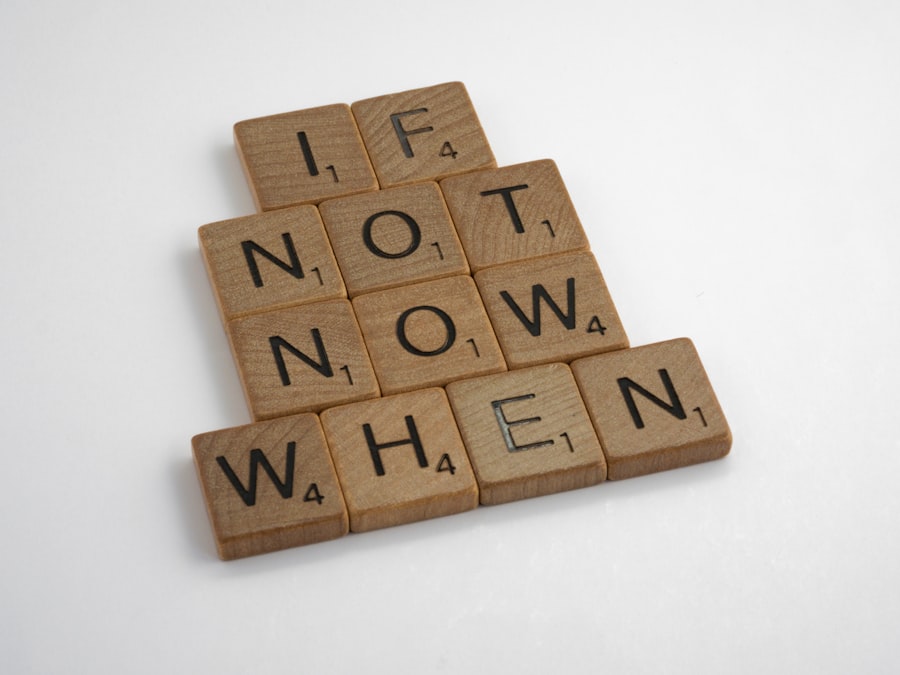
The effectiveness of this approach hinges on the careful design of your motor memory triggers. They must be specific, deliberate, and consistently applied. This is not about haphazardly deciding to do something; it’s about creating a predictable pathway from intent to action.
The Power of the Physical Environment
Your physical workspace can be a powerful ally or an insidious saboteur. Design your environment to cue productive behavior. For example, if you need to work on a specific project, have all the necessary materials laid out and readily accessible. The act of physically interacting with these items can serve as a potent motor memory trigger. This is like setting the stage for a performance; the props themselves act as prompts.
Digitally Driven Triggers
In our increasingly digital world, your digital environment can also be a breeding ground for effective triggers. This could involve setting up specific desktop shortcuts, creating custom keyboard shortcuts, or even using bookmarklets that launch specific web pages or applications. The visual or auditory feedback of these digital actions can reinforce the motor memory.
The Ritual of Commencement
A pre-task ritual can be incredibly effective. This could be as simple as taking a sip of water, stretching for thirty seconds, or listening to a specific song. The consistency of this ritual, performed immediately before you intend to start work, links the ritual itself to the act of beginning. Over time, the ritual becomes a conditioned response that signals to your brain that it’s time to engage.
Implementing the “Smallest Viable Action” Principle
The concept of the “smallest viable action” is crucial when building motor memory for task initiation. Instead of aiming to complete a task in one go, focus on performing the absolute smallest, most manageable action that moves you closer to completion. This minimizes the perceived effort and bypasses your brain’s resistance.
The “Two-Minute Rule” as a Motor Cue
The popular “Two-Minute Rule” for habit formation can be repurposed here. If a task takes less than two minutes, do it immediately. However, the more relevant application is to use the “two-minute principle” for starting larger tasks. Commit to working on a task for just two minutes. The goal is not to achieve substantial progress, but to initiate the motor sequence. often, once you’ve started, the inertia is broken, and you’ll continue for longer.
The “Desk-to-Task” Transition
This phrase encapsulates the idea of creating a seamless transition from being at your desk to actively working. It could involve opening your computer, then opening the relevant software, then clicking on the specific file. Each of these is a distinct motor action. By chaining these actions together, you create a robust motor memory that makes starting almost automatic.
Overcoming the “Blank Page Syndrome” with Physical Acts
The fear of a blank page or an empty screen can be a significant procrastination trigger. Instead of staring at the void, engage in a preparatory physical action. This might be writing down a single keyword, sketching a quick diagram, or even just typing a placeholder sentence. These small, physical acts can break the spell of paralysis.
To effectively combat procrastination, understanding the role of motor memory can be incredibly beneficial. By engaging in repetitive tasks and creating a routine, you can train your brain to associate specific actions with productivity. This concept is further explored in an insightful article that delves into practical strategies for harnessing motor memory to enhance focus and efficiency. For more tips on this topic, you can check out the article on productive habits that can help you stay on track and overcome the urge to procrastinate.
Reinforcing Motor Memory Through Consistency and Reflection
| Metric | Description | Example/Value | How It Helps Beat Procrastination |
|---|---|---|---|
| Repetition Frequency | Number of times a task or action is repeated to build motor memory | 20-30 repetitions per session | Repetition strengthens motor memory, making task initiation automatic and reducing procrastination |
| Session Duration | Length of focused practice session for building motor memory | 15-30 minutes | Short, consistent sessions prevent fatigue and maintain motivation, helping to overcome procrastination |
| Consistency | Number of days per week the motor memory practice is performed | 5-7 days/week | Consistent practice solidifies motor memory, making task execution more automatic and less likely to be delayed |
| Task Chunking | Breaking down complex tasks into smaller motor memory-friendly actions | 3-5 smaller steps per task | Chunking reduces overwhelm and makes starting easier, reducing procrastination triggers |
| Trigger Cues | Environmental or sensory cues that initiate motor memory recall | Visual cue (e.g., workspace setup), auditory cue (e.g., timer) | Triggers help automatically start the task, bypassing decision fatigue and procrastination |
| Automaticity Level | Degree to which a task is performed without conscious effort | High (80-90% automatic) | Higher automaticity means less mental resistance, reducing procrastination |
| Delay Reduction | Decrease in time taken to start a task due to motor memory use | From 10 minutes delay to under 1 minute | Faster task initiation reduces procrastination and increases productivity |
Mastering procrastination with motor memory is not a one-time fix. It requires consistent effort and a willingness to reflect on what works and what doesn’t. Like any form of learning, repetition and reinforcement are key.
The Habit Loop of Action
When you consistently pair your triggers with your desired actions, you are effectively building a habit loop. The cue (your designed trigger) leads to the routine (the motor action of starting the task), which eventually leads to the reward (the feeling of accomplishment or simply not being stressed by an undone task). Over time, this loop becomes deeply ingrained.
Tracking Your Successes (and Failures)
Keep a log or journal of your attempts. Note which triggers were effective, which resulted in resistance, and how long you actually worked after initiating. This provides valuable data for refinement. Did opening the specific folder lead to immediate engagement, or did you still get sidetracked? Understanding these nuances allows you to optimize your approach.
Adapting and Evolving Your Triggers
Your needs and tasks will change over time. Be prepared to adapt and evolve your motor memory triggers. What worked for you last year might not be as effective today. Regularly assess your system and make adjustments as needed. This is not about a rigid adherence to a once-devised plan, but an ongoing process of optimization.
The Long-Term Game of Behavioral Rewiring
Ultimately, mastering procrastination with motor memory is a long-term project of behavioral rewiring. You are not simply trying to trick yourself into working; you are fundamentally altering the neural pathways that govern your response to tasks. By building automatic, embodied responses, you diminish the cognitive load associated with starting, thus reducing the opportunities for procrastination to take root. It’s about building sturdy scaffolding around your productivity, making it less susceptible to the winds of delay.

WATCH NOW ▶️ STOP Calling Yourself Lazy (The Real Reason You Stall)
FAQs
What is motor memory and how does it relate to procrastination?
Motor memory is the brain’s ability to remember and perform physical tasks automatically through repetition. It relates to procrastination because by training motor memory to initiate productive actions, individuals can reduce the mental resistance that often leads to delaying tasks.
How can motor memory be used to overcome procrastination?
Motor memory can be used to overcome procrastination by creating consistent routines and habits. Repeatedly performing small, manageable steps of a task helps the brain associate these actions with ease and automaticity, making it easier to start and continue working without hesitation.
What are some practical steps to develop motor memory for productivity?
Practical steps include breaking tasks into simple, repeatable actions, practicing these actions regularly, setting specific times for task-related activities, and minimizing distractions. Over time, these repeated behaviors become automatic, reducing the effort needed to begin and maintain focus.
Does using motor memory require physical movement, or can it be applied to mental tasks?
While motor memory primarily involves physical movements, the concept can extend to mental tasks by establishing consistent mental routines and cues. For example, starting work with a specific ritual or environment can trigger automatic focus and reduce procrastination.
Are there any scientific studies supporting the use of motor memory to reduce procrastination?
Yes, research in neuroscience and psychology supports that habit formation and motor memory can improve task initiation and reduce procrastination. Studies show that repeated practice strengthens neural pathways, making actions more automatic and less mentally taxing, which helps in overcoming delays in task engagement.