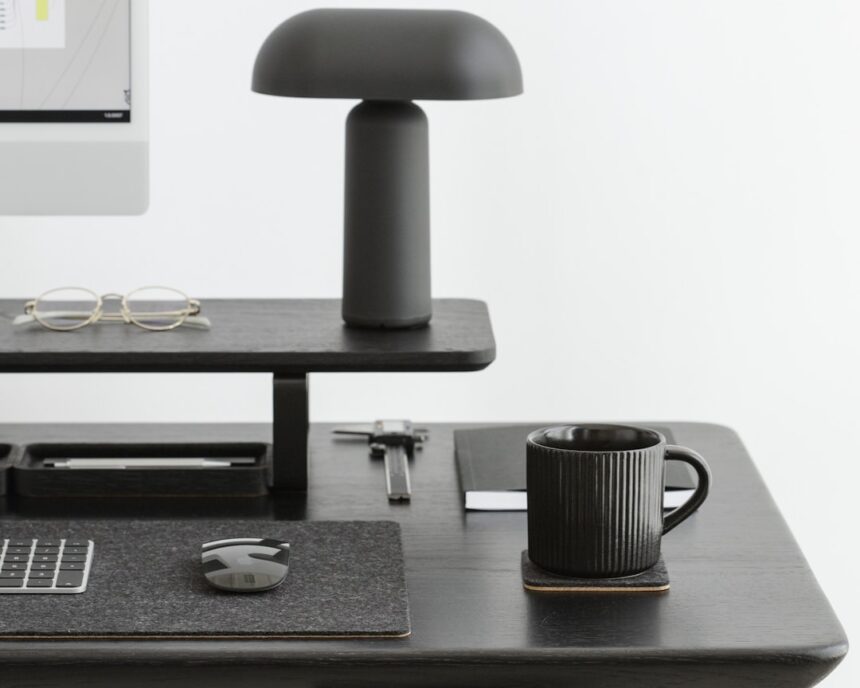
You’re seeking to push beyond the superficial, to engage in tasks that require sustained concentration and cognitive exertion. Deep work, as Cal Newport defines it, is more than just a buzzword; it’s the pathway to meaningful accomplishment and skill development. However, the effectiveness of your deep work sessions is often critically undermined by the very environment you inhabit: your desk. A cluttered, disorganized workspace is a breeding ground for distractions and mental friction, actively sabotaging your ability to enter and maintain that coveted state of flow. This article will guide you through practical, actionable strategies to transform your desk into a haven for focused productivity, maximizing your deep work potential.
Your workspace is not merely a surface for your possessions; it’s an extension of your cognitive processes. The physical arrangement and accessibility of your tools directly influence your mental clarity and capacity for sustained attention. A well-organized desk acts as a silent partner, reducing the cognitive load associated with locating items or navigating your environment, thereby freeing up valuable mental resources for the task at hand. Conversely, a chaotic desk demands constant, even if subconscious, attention, pulling your focus away from what truly matters.
The Psychology of Clutter
The impact of clutter extends beyond mere aesthetics. Research has consistently shown a correlation between clutter and increased stress hormones, a diminished ability to focus, and even a tendency to procrastinate. When your visual field is overwhelmed with disorganized objects, your brain is forced to process this extraneous information, even if you aren’t consciously aware of it. This creates a constant low-level distraction, making it significantly harder to achieve the deep, uninterrupted concentration necessary for profound work.
Identifying Your Deep Work Needs
Before you even begin to organize, you must first understand what your deep work requires. This isn’t about generic tidiness; it’s about creating an environment that specifically supports your most cognitively demanding tasks.
#### What constitutes “deep work” for you?
Are you primarily engaged in writing, coding, complex problem-solving, data analysis, or creative design? Each of these activities might have slightly different spatial and tool requirements. For instance, a writer might need ample space for notebooks and reference materials, while a programmer might prioritize screen real estate and quick access to charging ports.
#### What are your essential tools?
List the physical items you absolutely need during your typical deep work sessions. This could include your computer, external monitor, keyboard, mouse, notebooks, pens, headphones, a water bottle, and perhaps a few specific reference books or printed documents.
#### What are your common distractions?
Be honest about what pulls your attention away from your work. Is it a pile of mail, unread books, personal items, or even just a view of an unmade bed? Identifying these visual or tactile distractions is crucial for effective decluttering.
For those looking to enhance their desk organization to foster deep work focus, a great resource is the article available at Productive Patty. This article offers practical tips and strategies for decluttering your workspace, optimizing your environment, and creating a setup that minimizes distractions, ultimately helping you achieve greater productivity and concentration during your work sessions.
The Decluttering Protocol: Creating a Blank Canvas
The first and most critical step in optimizing your desk is to systematically remove anything that does not directly contribute to your deep work. This is not about temporary tidying; it’s about establishing a sustainable system for minimalist efficiency. Treat this process with the same rigor you would any important project.
The “Everything Off” Approach
No half-measures here. The most effective way to declutter is to remove everything from your desk surface and any immediately adjacent drawers or shelves you consider part of your workspace. This provides a literal blank canvas and ensures you are not simply rearranging clutter.
#### Empties all surfaces.
This includes the desktop itself, any shelves built into the desk, and within easy reach. Don’t forget the drawer interiors.
#### Categorize the removed items.
As you remove items, create distinct piles:
- Keep: Items essential for deep work that you will return to the desk.
- Relocate: Items that belong elsewhere in your home or office.
- Donate/Sell: Items in good condition that you no longer need.
- Discard/Recycle: Broken, unusable, or expired items.
Ruthless Evaluation of “Keep” Items
Once you have your “Keep” pile, examine each item with a critical eye. The question is not “Can I find a use for this?” but “Is this essential for my deep work, and will it be stored optimally to support focus?”
#### Is it currently in use or demonstrably needed in the immediate future?
If an item hasn’t been used in months and you cannot foresee a specific, imminent need for it in your deep work, it’s a candidate for relocation or donation. This applies to books, stationery, and even decorative items that may be more distracting than inspiring.
#### Does it serve a dual purpose without compromising its primary function?
Occasionally, an item might serve more than one useful function. A stylish lamp that also provides excellent task lighting, for example. However, avoid the temptation to keep things “just in case.”
#### Does it align with your deep work aesthetic and function?
If you have a preference for minimalist design or specific types of tools, let this guide your decisions. A neon-colored novelty pen might be amusing, but it could also be visually dissonant and distracting during a long coding session.
Strategic Placement: Ergonometric and Cognitive Flow
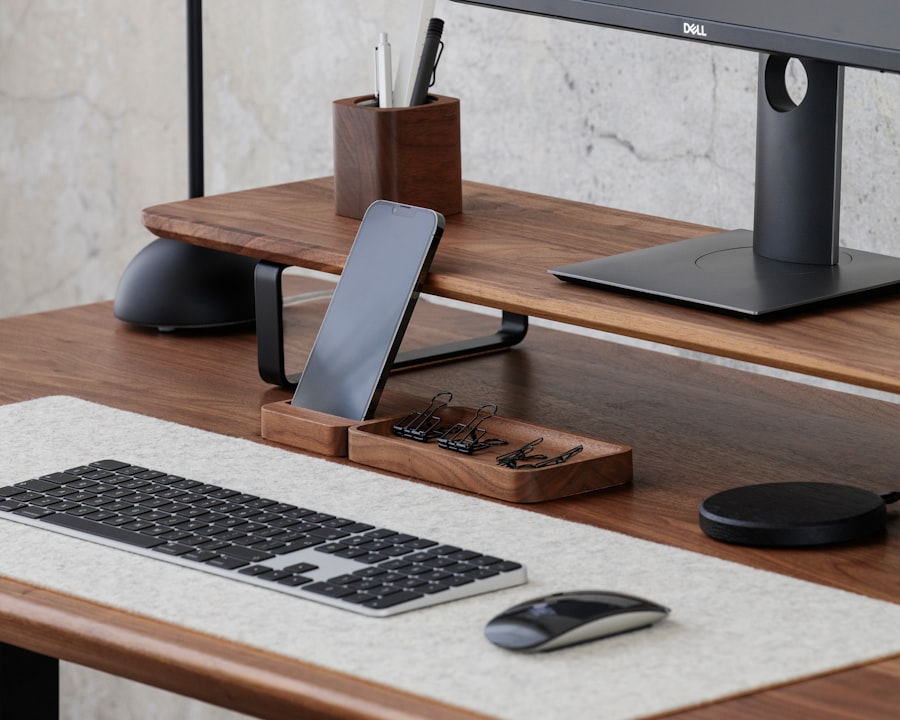
With your desk cleared and your essential items identified, the next step is to strategically place them in a way that minimizes friction and maximizes cognitive flow. This involves considering both physical ergonomics and the psychology of accessibility.
The “Primary Zone” Concept
Think of your desk surface in terms of zones. Your primary zone is the area directly in front of you, within easy reach of your dominant hand. This is where the items you use most frequently during deep work should reside.
#### Computer and peripherals.
Your monitor, keyboard, and mouse should form the core of this primary zone. Ensure they are positioned ergonomically to prevent strain and promote comfort during extended sessions. Your keyboard should be at a height that allows your forearms to be parallel to the floor, and your monitor should be at eye level.
#### Most frequently accessed writing tools.
If you frequently use pens and notebooks, keep a small, designated holder or tray for them within this primary zone. Avoid spreading them out across your entire desk.
#### Essential reference materials.
If you regularly consult a few key physical documents or books during your deep work, place them in a way that they are easily visible and accessible without requiring significant searching.
The “Secondary Zone” for Less Frequent Items
Items you use less often during deep work, but still need readily available, belong in your secondary zone. This typically includes the areas to the sides of your primary zone, or the immediate top drawers of your desk.
#### Secondary writing instruments and stationery.
Extra pens, staplers, or a small notepad that isn’t your primary work journal can reside here.
#### Charging cables and power banks.
These are often needed but not constantly in use. Having them neatly organized in a secondary zone ensures they are there when required without cluttering your main workspace.
#### Personal items that aid focus.
This could be a small, unobtrusive plant, a framed photo, or a stress ball. Ensure these items are calming and not inherently distracting.
The “Tertiary Zone” for Storage and Infrequent Access
Anything that doesn’t fit into the primary or secondary zones should be stored away, ideally within your desk drawers, on shelves, or in cabinets. The goal is to keep your desk surface as clear as possible.
#### Bulk stationery supplies.
Extra reams of paper, spare ink cartridges, or packs of pens belong here.
#### Reference books not actively being used.
If you have a library of books that you consult periodically, store them neatly on a shelf or in a designated book organizer.
#### Archived documents.
Any papers or files that you need to keep for legal or organizational reasons but don’t actively refer to during deep work should be filed away.
Harnessing Technology: Digital Organization for a Physical Space
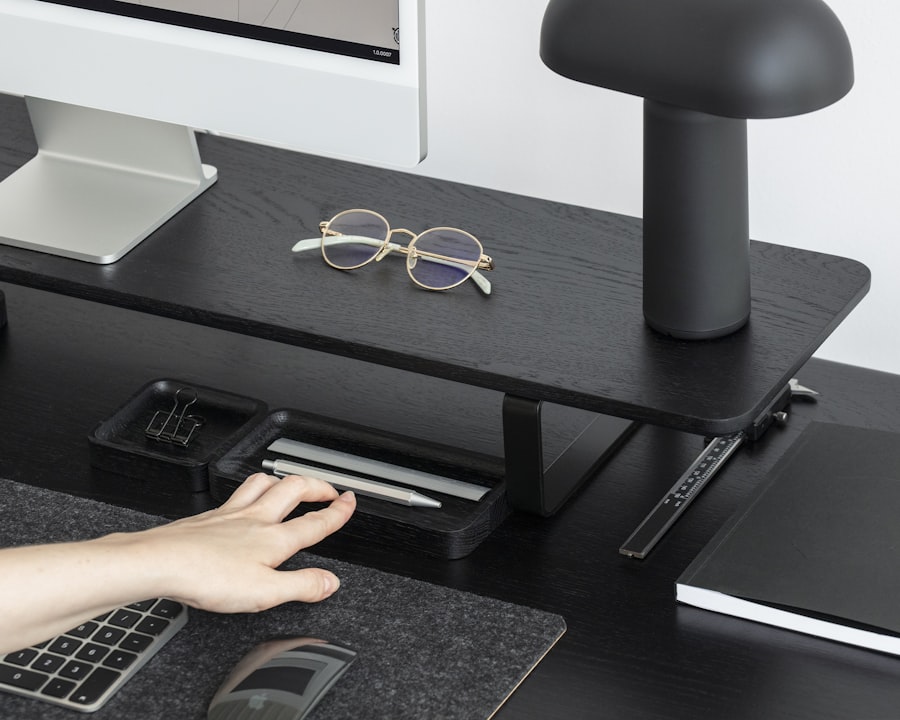
While this article focuses on physical desk organization, it’s impossible to ignore the symbiotic relationship between your physical and digital environments. A cluttered digital desktop can be just as detrimental to deep work as a messy physical one.
Desktop Minimalism and File Management
Your computer’s desktop should function much like your physical desk: a clear space for immediate action, not long-term storage.
#### Limit desktop icons.
Aim to have only a few essential shortcuts on your desktop. Everything else should be organized within your file system.
#### Develop a consistent file naming convention.
This allows you to quickly locate documents by searching or browsing. Be specific and include dates where relevant.
#### Utilize cloud storage and sync services effectively.
Organize your cloud storage folders with the same discipline you apply to your physical filing system.
Digital Tools for Physical Organization
Consider how digital tools can support your physical organization efforts.
#### Note-taking apps.
Instead of scattering physical notes, utilize apps like Evernote, OneNote, or Notion to consolidate your thoughts and references digitally. This can reduce the need for physical paper clutter.
#### Task management software.
Tools like Todoist, Asana, or Trello can help you track your deep work projects and associated tasks, reducing the mental overhead of remembering what to do next.
#### Digital whiteboards.
For visual thinkers, digital whiteboard apps can provide a dynamic canvas for brainstorming and planning without the physical constraints of a whiteboard.
For anyone looking to enhance their deep work focus, effective desk organization is crucial. A well-organized workspace can significantly reduce distractions and promote a more productive mindset. If you’re interested in exploring this topic further, you might find this insightful article on desk organization helpful. It offers practical tips and strategies to create an environment that fosters concentration and creativity. Check it out here for more ideas on optimizing your workspace.
Maintenance and Rituals: Sustaining a Deep Work Environment
| Desk Organization Metrics | Measurements |
|---|---|
| Number of items on desk | 10 |
| Clutter level | Low |
| Distractions present | None |
| Accessibility of essential items | High |
Organization is not a one-time event; it’s an ongoing practice. Implementing consistent routines will ensure your desk remains a conducive environment for deep work over the long term.
The Daily “Reset”
Dedicate a few minutes at the end of each workday to reset your desk. This proactive measure prevents minor clutter from escalating into unmanageable disarray.
#### Put away stray items.
Return any items that have migrated from their designated zones back to their proper places.
#### Clear away any newly generated waste.
Dispose of any trash, wrappers, or unwanted papers.
#### Wipe down surfaces.
A clean surface can contribute to a cleaner mind.
The Weekly “Deep Clean”
Once a week, ideally at the end of the week or on a designated “admin” day, conduct a more thorough decluttering and organization session.
#### Review and file paperwork.
Process any accumulated mail, invoices, or important documents.
#### Clean electronics.
Wipe down your keyboard, mouse, and monitor with appropriate cleaning supplies.
#### Re-evaluate your system.
As your work habits or needs evolve, your organization system may need to adapt. Take this time to make minor adjustments to your zones and storage solutions.
Cultivating Mindful Awareness
Beyond structured routines, developing a sense of mindful awareness around your workspace is crucial. Pay attention to how your desk makes you feel and whether it’s supporting or hindering your focus.
#### Regularly ask yourself: “Does this item serve my deep work?”
This simple question, revisited periodically, helps prevent the gradual reintroduction of non-essential items.
#### Notice and address micro-distractions.
If you find yourself constantly reaching for or rearranging an item, consider if it truly belongs on your desk.
#### Be disciplined about impulse acquisitions.
Resist the urge to bring new items to your desk simply because they are novel or appealing. Ensure they pass the “essential for deep work” test first.
By implementing these decluttering protocols, strategic placement techniques, and establishing consistent maintenance rituals, you are not just organizing your desk; you are actively engineering your environment to cultivate sustained focus and unlock your deepest work potential. Treat your desk as the instrumental tool it is, and you will reap the rewards of enhanced productivity and meaningful accomplishment.
FAQs
What is deep work?
Deep work is a concept introduced by Cal Newport in his book of the same name, referring to the ability to focus without distraction on a cognitively demanding task. It’s a state of intense concentration that allows you to produce high-quality work and achieve better results.
Why is desk organization important for deep work focus?
A well-organized desk can help minimize distractions and create a conducive environment for deep work. Clutter and disorganization can lead to mental clutter and hinder your ability to focus on important tasks.
What are some tips for organizing a desk for deep work focus?
Some tips for organizing a desk for deep work focus include decluttering regularly, using storage solutions such as trays and drawers, keeping only essential items on the desk, and creating a designated space for deep work activities.
How can desk organization improve productivity during deep work?
An organized desk can help improve productivity during deep work by reducing the time spent searching for items, minimizing distractions, and creating a clear and focused mindset for tackling challenging tasks.
What are some tools or products that can help with desk organization for deep work focus?
Tools and products that can help with desk organization for deep work focus include desk organizers, cable management solutions, storage containers, file organizers, and ergonomic accessories such as monitor stands and keyboard trays.