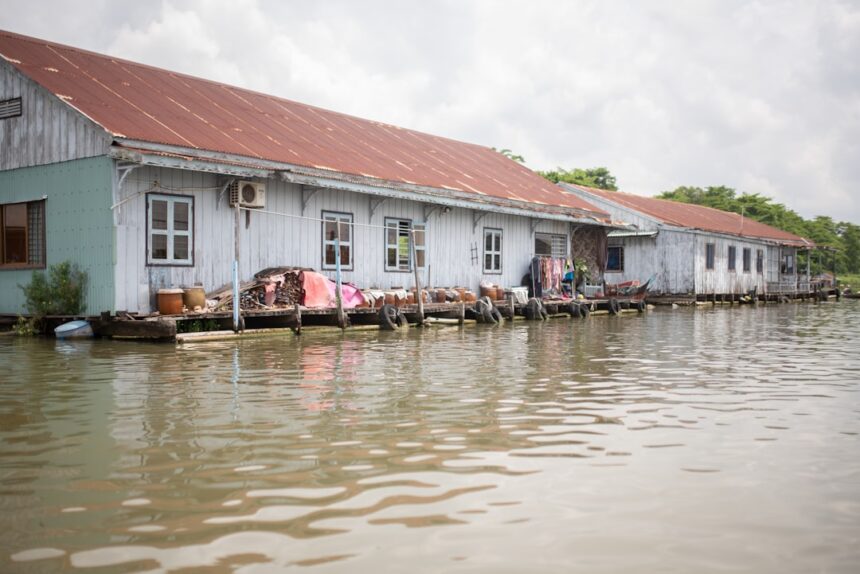
Disaster management is a critical aspect of public safety and community resilience, yet it often operates under significant budget constraints. These financial limitations can hinder the ability of agencies and organizations to prepare for, respond to, and recover from disasters effectively. Understanding the importance of these budget constraints is essential for stakeholders involved in disaster management.
Moreover, budget constraints can create a ripple effect that affects not only immediate disaster response but also long-term recovery efforts. When funds are scarce, prioritizing spending becomes crucial.
Agencies must make difficult decisions about where to allocate resources, often leading to compromises that can jeopardize the safety and well-being of affected populations. Recognizing the significance of these constraints allows for more strategic planning and resource allocation, ultimately enhancing the effectiveness of disaster management initiatives.
Key Takeaways
- Effective disaster management requires strategic allocation of limited budgets to prioritize essential services and resources.
- Partnerships, collaborations, and innovative technologies can enhance support and maximize budget efficiency.
- Training and capacity building are crucial for managing resources effectively and improving disaster response.
- Continuous monitoring, evaluation, and advocacy help ensure adequate funding and improve budget utilization.
- Developing contingency plans and focusing on resilience promote sustainability in disaster management practices.
Identifying Key Areas for Allocation of Limited Resources
In the face of budget constraints, identifying key areas for resource allocation becomes paramount. Stakeholders must conduct thorough assessments to determine which aspects of disaster management require immediate attention and funding. This process often involves analyzing past disaster responses, evaluating community vulnerabilities, and understanding the specific needs of various populations.
By pinpointing critical areas such as emergency response teams, communication systems, and public education campaigns, agencies can ensure that their limited resources are directed toward the most impactful initiatives. Additionally, it is essential to consider the diverse needs of different communities when allocating resources. Urban areas may require different strategies compared to rural regions, and vulnerable populations such as the elderly or disabled may need specialized support.
By tailoring resource allocation to address these unique challenges, disaster management agencies can maximize their effectiveness and ensure that all community members are adequately protected during emergencies.
Prioritizing Essential Services and Resources

Once key areas for resource allocation have been identified, the next step is prioritizing essential services and resources. This process involves determining which services are critical for effective disaster management and which can be deferred or scaled back in times of financial strain. Essential services often include emergency medical care, search and rescue operations, and communication systems that keep the public informed during crises.
By prioritizing these services, agencies can ensure that they are prepared to respond swiftly and effectively when disasters strike. Furthermore, prioritization should also extend to resource procurement and training. Investing in high-quality equipment and training for personnel can yield significant long-term benefits, even if it requires a larger upfront investment.
For instance, equipping first responders with advanced technology can enhance their ability to assess situations quickly and make informed decisions during emergencies. By focusing on essential services and resources, disaster management agencies can build a solid foundation for effective response and recovery efforts.
Leveraging Partnerships and Collaborations for Additional Support
In an era of limited budgets, leveraging partnerships and collaborations can provide much-needed support for disaster management initiatives. By forming alliances with local businesses, non-profit organizations, and community groups, agencies can tap into additional resources and expertise that may not be available within their own budgets. These partnerships can take various forms, from financial contributions to in-kind donations of goods and services that enhance disaster preparedness efforts.
Moreover, collaborations can foster a sense of community ownership over disaster management initiatives. When local stakeholders are involved in planning and executing disaster response strategies, they are more likely to be invested in their success. This collective approach not only maximizes available resources but also strengthens community resilience by building networks of support that can be activated during emergencies.
Implementing Cost-effective Strategies for Disaster Preparedness and Response
| Metric | Description | Typical Value / Range | Impact on Disaster Management |
|---|---|---|---|
| Annual Budget Allocation | Funds allocated yearly for disaster management activities | 0.5% – 2% of total government budget | Determines scope and scale of preparedness and response |
| Percentage of Budget Spent on Preparedness | Portion of budget dedicated to training, drills, and infrastructure | 20% – 40% | Higher spending improves readiness and reduces disaster impact |
| Emergency Response Fund Availability | Reserve funds available for immediate disaster response | 5% – 15% of total disaster management budget | Critical for rapid deployment of resources during emergencies |
| Funding Gap | Difference between required and available budget | 10% – 50% of required budget | Limits ability to implement comprehensive disaster plans |
| Cost Overruns | Excess spending beyond initial budget estimates | 5% – 20% | Can reduce funds available for other disaster management activities |
| Investment in Technology | Budget portion for early warning systems and data analytics | 10% – 25% | Enhances prediction and monitoring capabilities |
| Community Engagement Funding | Funds allocated for public awareness and community training | 5% – 15% | Improves local resilience and response effectiveness |
Implementing cost-effective strategies is essential for maximizing the impact of limited disaster management budgets. Agencies must explore innovative approaches that deliver results without incurring excessive costs. For example, utilizing volunteer networks for training exercises or community drills can significantly reduce expenses while enhancing preparedness levels within the community.
Engaging volunteers not only provides valuable manpower but also fosters a culture of readiness among residents. Additionally, agencies can adopt practices such as shared services or regional collaborations to pool resources and reduce duplication of efforts. By working together with neighboring jurisdictions, agencies can share equipment, training programs, and even personnel during times of crisis.
This collaborative approach not only stretches limited budgets further but also enhances overall regional preparedness by ensuring that resources are available where they are needed most.
Utilizing Technology and Innovation to Maximize Budget Efficiency
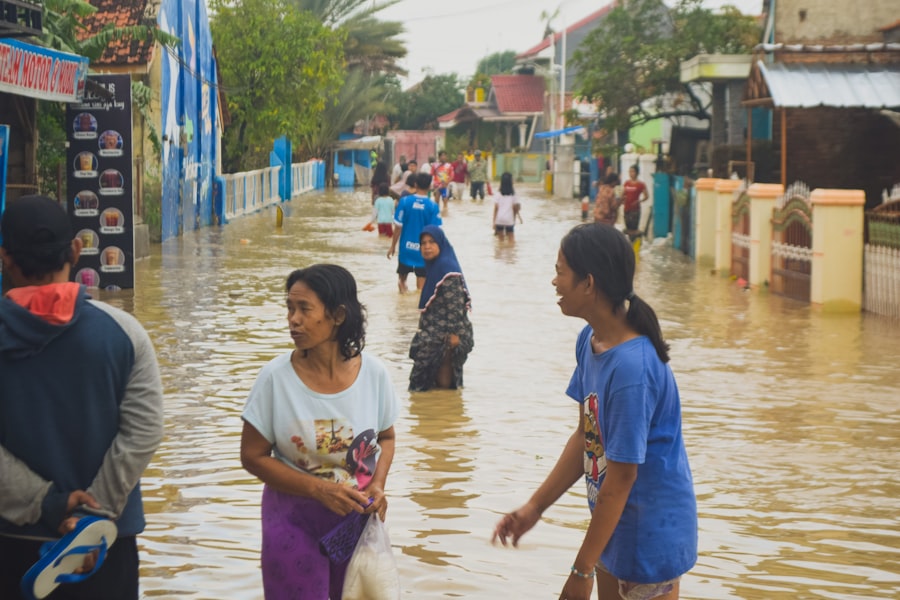
The integration of technology and innovation into disaster management practices offers significant opportunities for maximizing budget efficiency. Advanced technologies such as geographic information systems (GIS), drones, and mobile applications can enhance situational awareness during disasters while reducing operational costs. For instance, GIS can provide real-time data on affected areas, allowing agencies to allocate resources more effectively based on current needs.
Moreover, technology can facilitate better communication between agencies and the public during emergencies. Social media platforms and mobile alerts can disseminate critical information quickly and efficiently, ensuring that communities remain informed about safety measures and available resources. By embracing technological advancements, disaster management agencies can improve their operational efficiency while making the most of their limited budgets.
Training and Capacity Building for Effective Resource Management
Training and capacity building are vital components of effective resource management in disaster management contexts. Investing in the development of personnel skills ensures that agencies are equipped to handle emergencies efficiently, even when operating under budget constraints. Regular training sessions not only enhance individual competencies but also foster teamwork and collaboration among staff members.
Furthermore, capacity building extends beyond formal training programs; it includes creating a culture of continuous learning within organizations. Encouraging staff to share knowledge and experiences from past disasters can lead to improved practices and innovative solutions for future challenges.
Monitoring and Evaluation of Budget Utilization for Continuous Improvement
Monitoring and evaluation play a crucial role in ensuring that disaster management budgets are utilized effectively. By establishing clear metrics for success and regularly assessing performance against these benchmarks, agencies can identify areas where resources may be underutilized or misallocated. This ongoing evaluation process allows for timely adjustments to be made, ensuring that funds are directed toward initiatives that yield the greatest impact.
Additionally, fostering a culture of accountability within organizations encourages transparency in budget utilization. When staff members understand the importance of monitoring expenditures and outcomes, they are more likely to take ownership of their roles in resource management. This commitment to continuous improvement not only enhances operational efficiency but also builds trust among stakeholders who rely on effective disaster management practices.
Communicating and Advocating for Adequate Disaster Management Funding
Effective communication is essential for advocating for adequate funding in disaster management efforts. Agencies must articulate the importance of their work to stakeholders at all levels, from local governments to community members. By sharing success stories and data-driven evidence demonstrating the impact of well-funded disaster management initiatives, agencies can build a compelling case for increased financial support.
Moreover, engaging with policymakers and community leaders is crucial for securing funding commitments. Establishing relationships with decision-makers allows agencies to advocate for their needs more effectively while also highlighting the potential consequences of underfunding disaster management efforts. By fostering open lines of communication with stakeholders, agencies can create a supportive environment that prioritizes adequate funding for disaster preparedness and response.
Developing Contingency Plans for Budget Shortfalls
In an unpredictable financial landscape, developing contingency plans for budget shortfalls is essential for disaster management agencies. These plans should outline alternative strategies for maintaining essential services in the event of funding cuts or unexpected expenses. By anticipating potential challenges and preparing proactive responses, agencies can minimize disruptions to their operations during crises.
Contingency plans may include identifying alternative funding sources such as grants or donations from private organizations or community fundraising efforts. Additionally, agencies should consider prioritizing essential services that must be maintained even in times of financial strain while identifying areas where temporary reductions may be feasible without compromising overall effectiveness. By having contingency plans in place, disaster management agencies can navigate budget shortfalls more effectively while continuing to serve their communities.
Building Resilience and Sustainability in Disaster Management Practices
Ultimately, building resilience and sustainability in disaster management practices is crucial for long-term success in the face of budget constraints. Agencies must adopt strategies that not only address immediate needs but also promote ongoing preparedness within communities. This includes fostering partnerships with local organizations that focus on resilience-building initiatives such as community education programs or infrastructure improvements.
Sustainability also involves considering environmental impacts when planning disaster management strategies. By integrating sustainable practices into preparedness efforts—such as utilizing renewable energy sources or promoting green infrastructure—agencies can reduce costs while enhancing their overall effectiveness during emergencies. By prioritizing resilience and sustainability in their approaches to disaster management, agencies can ensure that they are well-equipped to face future challenges despite ongoing budget constraints.
In the context of disaster management, budget constraints can significantly impact the effectiveness of response and recovery efforts. A related article that delves into the challenges faced by organizations in managing limited resources during disasters can be found at this link. This article provides insights into strategies that can be employed to optimize disaster response despite financial limitations.
FAQs
What are disaster management budget constraints?
Disaster management budget constraints refer to the limitations and restrictions on the financial resources allocated for planning, preparing, responding to, and recovering from disasters. These constraints can affect the effectiveness and efficiency of disaster management efforts.
Why do budget constraints occur in disaster management?
Budget constraints in disaster management often occur due to limited government funding, competing priorities, economic downturns, and insufficient allocation of resources. Additionally, unexpected disasters can strain existing budgets, making it difficult to cover all necessary expenses.
How do budget constraints impact disaster preparedness?
Budget constraints can limit the ability to invest in early warning systems, training, infrastructure improvements, and community education. This can reduce overall preparedness and increase vulnerability to disasters.
What are the consequences of insufficient disaster management funding?
Insufficient funding can lead to delayed response times, inadequate relief supplies, poor recovery efforts, and increased loss of life and property. It can also hinder long-term resilience and risk reduction initiatives.
How can governments address disaster management budget constraints?
Governments can address budget constraints by prioritizing disaster risk reduction, seeking international aid and partnerships, implementing cost-effective strategies, and improving financial planning and resource allocation.
Are there alternative funding sources for disaster management?
Yes, alternative funding sources include international grants, private sector partnerships, community fundraising, insurance schemes, and disaster risk financing mechanisms such as catastrophe bonds.
What role does technology play in managing budget constraints?
Technology can help optimize resource use by improving data collection, risk assessment, communication, and coordination. This can lead to more efficient disaster management within limited budgets.
Can budget constraints affect disaster recovery efforts?
Yes, limited budgets can slow down recovery processes, reduce the quality of rebuilding efforts, and prolong the return to normalcy for affected communities.
Is it possible to have effective disaster management with budget constraints?
While challenging, effective disaster management is possible with budget constraints by focusing on risk reduction, community involvement, strategic planning, and leveraging partnerships to maximize available resources.