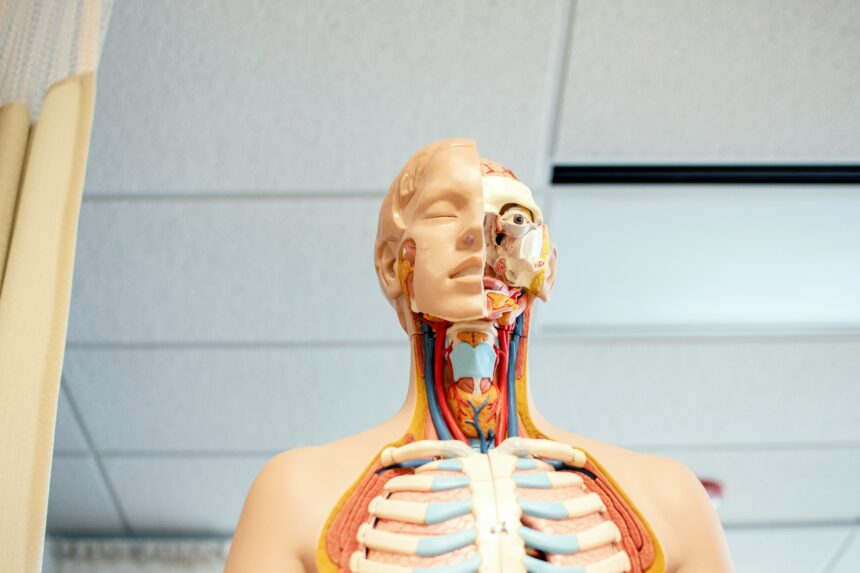
You are facing a complex challenge, one that intertwines the intricate workings of your nervous system with the sometimes murky terrain of moral failure. It’s a path that can feel isolating and deeply unsettling, but understanding its contours is the first step toward navigation. This isn’t about assigning blame, but about recognizing the interplay of biological predispositions, environmental influences, and the choices you make.
Your nervous system is the command center, the intricate network that dictates everything from your simplest reflexes to your most profound thoughts and emotions. When there are systemic issues at play, it means that this fundamental operating system is not functioning optimally. These are not necessarily flaws in your character, but rather inherent challenges in the biological machinery that underpins your experience of the world.
Neurological Dispositions and Predispositions
You might have been born with certain neurological patterns that make you more susceptible to specific mental health conditions or behavioral tendencies. This is not a sentence to a predetermined fate, but it means you might have to work harder to maintain equilibrium or manage certain impulses.
Genetic Influences
Consider the genetic inheritance you carry. Your parents and ancestors have passed down a blueprint, and within that blueprint can lie predispositions to conditions like anxiety, depression, addiction, or personality disorders. It’s crucial to acknowledge that these are biological inheritances, not moral failings. You did not choose these predispositions, but you can learn to manage their impact.
Brain Structure and Chemistry
The physical structure and chemical balance of your brain play a significant role. Variations in neurotransmitter levels, the size or connectivity of certain brain regions, or the efficiency of neural pathways can all contribute to how you perceive, process, and react to stimuli. These are objective biological factors that can influence your behavior.
Environmental Triggers and Their Impact
Even with predispositions, your environment acts as a crucial catalyst and modulator. Stressors, traumas, and chronic adverse conditions can significantly impact the developing or existing nervous system, exacerbating any inherent vulnerabilities.
Early Life Experiences
The formative years are particularly critical. Adverse Childhood Experiences (ACEs) – such as abuse, neglect, or household dysfunction – can leave lasting imprints on your nervous system, altering stress response systems, emotional regulation capacities, and attachment patterns. These early experiences can shape how your nervous system engages with the world, potentially leading to difficulties later in life.
Chronic Stress and Trauma
Ongoing exposure to high levels of stress or traumatic events can lead to dysregulation of the hypothalamic-pituitary-adrenal (HPA) axis, which is central to your stress response. This can manifest as heightened anxiety, difficulty with emotional processing, and even changes in brain structure over time. The chronic activation of your fight-or-flight response can profoundly affect your ability to make rational decisions and control impulses.
Lifestyle Factors
Your daily habits are not trivial; they form the continuous input to your nervous system. Poor sleep patterns, inadequate nutrition, lack of physical activity, and substance use can all contribute to or worsen systemic nervous system issues. These are often controllable aspects of your life that can have a profound impact on your overall neurological health.
In exploring the complex interplay between systemic nervous system issues and moral failure, one can gain valuable insights from the article found at this link. The article delves into how neurological conditions can influence behavior and decision-making, challenging the notion of moral culpability in individuals facing such health challenges. By examining case studies and expert opinions, it highlights the importance of understanding the biological underpinnings of behavior, rather than solely attributing actions to moral failings.
The Labyrinth of Moral Failure: When Biology Meets Choice
Moral failure occurs when your actions or inactions transgress accepted ethical standards or personal values. The complexity arises when these failures intersect with underlying nervous system issues. It becomes a nuanced interplay between biological imperatives, learned behaviors, and the erosion of your moral compass.
The Erosion of Executive Functions
Executive functions are the high-level cognitive skills that enable you to plan, organize, manage time, regulate emotions, and inhibit impulses. Systemic nervous system issues can directly impair these functions, making it harder to make sound moral judgments and act in accordance with them.
Impulsivity and Decision-Making
When your nervous system struggles with impulse control, you may find yourself acting on immediate desires without fully considering the consequences. This can lead to choices that you later regret, particularly in situations that require forethought and self-restraint. This isn’t a sign of a fundamentally bad person, but a struggle with a core cognitive process.
Cognitive Distortions and Rationalization
Under stress or due to neurological imbalances, your thinking can become distorted. You might develop patterns of rationalization that justify ethically questionable behavior, minimizing its impact or shifting blame. This cognitive defense mechanism can be a powerful impediment to self-awareness and moral accountability.
Emotional Dysregulation and Behavioral Outbursts
If your nervous system is predisposed to intense emotional responses or struggles with regulation, you might experience sudden outbursts of anger, frustration, or despair. These uncontrolled emotional episodes can lead to actions that harm yourself or others, blurring the lines between an inherent struggle and a conscious moral lapse.
The Impact on Relationships and Social Functioning
Moral failures often have significant repercussions on your relationships and your sense of belonging within a community. The damage caused by these actions can be profound, impacting trust and social connection.
Betrayal of Trust
When your actions breach the trust others place in you, it creates a rift that can be difficult to mend. Whether it’s through dishonesty, unreliability, or harmful behavior, the erosion of trust can lead to isolation and a sense of being ostracized.
Social Isolation and Withdrawal
As a consequence of your actions or the fear of repeating them, you might find yourself withdrawing from social interactions. This self-imposed isolation can exacerbate existing nervous system issues by removing crucial sources of support and external perspective.
Impact on Family and Loved Ones
The ripple effect of your moral failures can extend deeply into your family and close relationships. Loved ones may experience hurt, disappointment, and prolonged periods of concern, adding another layer of complexity to your situation.
Seeking Clarity: Self-Reflection and Diagnosis
The first step towards navigating this complex terrain is to gain a clearer understanding of yourself. This involves honest self-assessment and, crucially, seeking professional guidance.
Honest Self-Assessment
Take an unflinching look at your behaviors, your thought patterns, and the recurring themes in your life. Without judgment, identify instances where your actions have fallen short of your own or societal ethical standards.
Identifying Patterns of Behavior
Are there specific situations or triggers that consistently lead to problematic choices? Recognizing these patterns is vital for developing strategies to interrupt them. This might involve looking at your responses to stress, your interpersonal dynamics, or your engagement with certain substances or activities.
Examining Underlying Motivations
Delve into the reasons behind your actions. Are they driven by a desire for short-term gratification, a fear of inadequacy, or a misguided attempt to cope with emotional pain? Understanding the motivations, however uncomfortable, is key to addressing the root causes.
The Role of Professional Diagnosis
Self-assessment is a starting point, but it’s often insufficient for fully understanding complex nervous system issues. Professional diagnosis from qualified healthcare providers is essential.
Neurological and Psychological Evaluations
Seeking evaluations from neurologists, psychiatrists, or psychologists can provide objective data about your nervous system function. These professionals can identify conditions such as ADHD, anxiety disorders, mood disorders, or other neurological impairments that may be contributing to your difficulties.
Medical History and Genetic Counseling
Your medical history, including family history of mental health conditions, can be invaluable. Genetic counseling may also offer insights into heritable predispositions that could be influencing your current challenges.
Charting a Course: Developing Strategies for Change

Once you have a clearer understanding of the interplay between your nervous system and your moral compass, you can begin to develop strategies for positive change. This is an ongoing process, requiring patience and perseverance.
Medical and Therapeutic Interventions
Addressing systemic nervous system issues often requires targeted interventions. These can provide the biological and psychological support necessary for improved self-control and ethical decision-making.
Medication Management
For certain neurological conditions, prescribed medications can help regulate brain chemistry and improve impulse control, mood stability, and cognitive function. This is not a cure, but a tool to facilitate other therapeutic efforts.
Psychotherapy and Counseling
Various forms of psychotherapy, such as Cognitive Behavioral Therapy (CBT), Dialectical Behavior Therapy (DBT), or psychodynamic therapy, can equip you with coping mechanisms, emotional regulation skills, and strategies for challenging distorted thinking patterns. These therapies provide a safe space to explore past traumas and develop healthier ways of interacting with the world.
Neurological Rehabilitation Techniques
In some cases, neurofeedback or other neurological rehabilitation techniques may be beneficial in helping to retrain neural pathways and improve brain function. These can be particularly helpful for individuals who have experienced trauma or have specific cognitive deficits.
Cultivating Ethical Awareness and Responsibility
Beyond managing biological factors, you must actively cultivate a strong ethical framework and a deep sense of personal responsibility. This involves conscious effort and commitment.
Strengthening Your Moral Compass
Regularly examine your values and beliefs. Engage in ethical reasoning and develop a robust understanding of what constitutes right and wrong, not just based on external rules but on an internalized moral code.
Practicing Mindfulness and Self-Awareness
Mindfulness practices can help you become more aware of your thoughts, feelings, and impulses in the moment, allowing you to make more deliberate choices rather than reacting impulsively. This heightened self-awareness is crucial for recognizing when you might be veering off course.
Developing Healthy Coping Mechanisms
Replace maladaptive coping strategies with healthier ones. This might involve exercise, creative pursuits, spending time in nature, or engaging in supportive social connections. Finding constructive outlets for stress and difficult emotions is paramount.
Recent discussions have emerged around the complex relationship between systemic nervous system issues and perceptions of moral failure, highlighting how physical health can influence behavior and decision-making. For a deeper understanding of this connection, you might find the article on the topic insightful, as it explores how neurological conditions can impact moral judgments and social interactions. This perspective challenges the notion that moral failings are purely a matter of choice, suggesting instead that underlying health issues may play a significant role. To read more about this intriguing subject, visit this article.
Rebuilding and Moving Forward: The Path to Redemption and Growth
| Systemic Nervous System Issues | Moral Failure |
|---|---|
| Neurological disorders | Ethical misconduct |
| Brain injuries | Unethical behavior |
| Neuropathic pain | Violation of moral principles |
| Multiple sclerosis | Failure to uphold moral values |
The journey of navigating systemic nervous system issues and moral failure is not about erasing the past, but about learning from it and building a more ethical and fulfilling future. It is a process of continuous growth and self-discovery.
Embracing Accountability Without Self-Condemnation
True accountability involves acknowledging your role in your actions, understanding their impact, and taking steps to make amends. However, it’s essential to distinguish between accountability and relentless self-condemnation.
Making Amends and Restoring Trust
Wherever possible, take steps to apologize sincerely, make reparations, and demonstrate through consistent behavior that you are committed to change. Rebuilding trust is a long and arduous process that requires patience and a genuine commitment to your word.
Forgiveness as a Component of Healing
This includes forgiving yourself. Holding onto self-recrimination can be a significant barrier to progress. Self-forgiveness is not about condoning past behavior, but about acknowledging your humanity and your capacity for growth.
Building a Resilient Future
The foundation you lay now will determine your resilience in the face of future challenges. This involves a sustained commitment to your well-being and your ethical development.
Continuous Learning and Growth
View your journey as an ongoing process of learning and refinement. Stay open to new information, adapt your strategies as needed, and remain committed to your personal and ethical growth.
Nurturing Supportive Relationships
Surround yourself with individuals who support your efforts and hold you accountable in a constructive way. A strong support network can be an invaluable asset in navigating difficult times and celebrating successes.
Living with Purpose and Integrity
Ultimately, the most profound way to navigate these challenges is to commit to living a life of purpose and integrity. When your actions are aligned with your values and contribute positively to the world, you build a strong foundation of self-respect and genuine well-being. This is a challenging path, but one that offers the possibility of profound personal transformation and a life lived with greater meaning and ethical clarity.
FAQs
What are systemic nervous system issues?
Systemic nervous system issues refer to conditions that affect the entire nervous system, including the brain, spinal cord, and nerves throughout the body. These conditions can include neurological disorders, autoimmune diseases, and genetic disorders that impact the functioning of the nervous system.
What are examples of systemic nervous system issues?
Examples of systemic nervous system issues include multiple sclerosis, Parkinson’s disease, Alzheimer’s disease, amyotrophic lateral sclerosis (ALS), and autoimmune disorders such as Guillain-Barre syndrome and lupus. These conditions can have a wide range of symptoms and severity, impacting motor function, cognition, and sensory processing.
Is systemic nervous system issues the result of moral failure?
No, systemic nervous system issues are not the result of moral failure. These conditions are often complex and multifactorial, involving genetic, environmental, and immunological factors. They are not caused by personal choices or moral shortcomings.
How are systemic nervous system issues diagnosed and treated?
Systemic nervous system issues are diagnosed through a combination of medical history, physical examination, and diagnostic tests such as MRI, CT scans, and blood tests. Treatment varies depending on the specific condition but may include medication, physical therapy, occupational therapy, and in some cases, surgical intervention.
What is the impact of systemic nervous system issues on individuals and society?
Systemic nervous system issues can have a significant impact on individuals, affecting their quality of life, independence, and ability to participate in daily activities. These conditions also place a substantial burden on healthcare systems and society as a whole, requiring ongoing support and resources for affected individuals and their families.