
Your brain, a marvel of biological engineering, operates on a finely tuned schedule. Within its intricate network, a master clock orchestrates a symphony of physiological processes, influencing everything from your sleep-wake cycle to your ability to concentrate. This internal timekeeper, governed by circadian rhythms, is fundamental to your daily functioning. Understanding the neuroscience of these circadian signals and their impact on your focus can empower you to optimize your cognitive performance and overall well-being.
At the core of your brain’s timekeeping lies a tiny but crucial region known as the suprachiasmatic nucleus (SCN). This pair of cell clusters, nestled in the hypothalamus just above the optic chiasm where the optic nerves cross, serves as your body’s primary biological clock. Think of the SCN as the conductor of an orchestra, receiving cues from the environment and directing the tempo of various bodily functions.
How Light Informs the SCN
Your SCN is intimately connected to the external world, primarily through light. Specialized photoreceptor cells in your retina, distinct from those responsible for vision (called intrinsically photosensitive retinal ganglion cells), contain a photopigment called melanopsin. These cells are particularly sensitive to blue light and send direct signals to the SCN via the retinohypothalamic tract. This input is akin to the conductor receiving a score, providing the essential information to set the rhythm.
The Role of Melanopsin
Melanopsin’s unique properties allow it to signal the presence and intensity of light, even in the absence of conscious visual perception. This means that even on a cloudy day, or with your eyes closed, light can still influence your internal clock. The SCN interprets the strength and duration of light exposure to synchronize your internal biological rhythm with the 24-hour day-night cycle.
Light as a Zeitgeber
Light acts as a powerful zeitgeber, a German word meaning “time giver.” It is the most potent external cue that helps to entrain (synchronize) your circadian rhythms. When light levels change, the SCN adjusts the output of its numerous molecular “clocks” throughout your body, ensuring that your physiological processes are aligned with the external environment. Without these light cues, your internal clock would drift, leading to desynchronization and various health issues.
The Molecular Machinery of Circadian Rhythms
While the SCN is the master controller, the actual ticking of the biological clock at a cellular level is driven by a complex molecular feedback loop involving a set of specific genes and proteins. These are often referred to as “clock genes.”
Clock Genes and Their Proteins
At the heart of this molecular clock are genes like Period (PER), Cryptochrome (CRY), BMAL1 (Brain and Muscle ARNT-Like 1), and CLOCK (Circadian Locomotor Output Cycles Kaput). In a simplified cycle, BMAL1 and CLOCK proteins bind together and activate the transcription of PER and CRY genes. The PER and CRY proteins then accumulate in the cytoplasm and eventually move into the nucleus, where they inhibit the activity of BMAL1 and CLOCK. As the levels of PER and CRY proteins decrease, the inhibition is lifted, allowing BMAL1 and CLOCK to become active again, restarting the cycle. This approximately 24-hour oscillation is the fundamental mechanism underlying circadian rhythms. It’s like a tiny in-house clockwork mechanism operating within each cell, powered by intricate gene expression.
The 24-Hour Oscillation
This genetic feedback loop generates a near-24-hour rhythm. However, without external cues, this inherent rhythm can be slightly shorter or longer than precisely 24 hours. This is why consistent exposure to light at the appropriate times is crucial for keeping your internal clock accurately synchronized with the solar day.
Recent research in the neuroscience of circadian signals has shed light on how our internal biological clocks influence focus and cognitive performance throughout the day. A related article that delves into this fascinating topic can be found at Productive Patty, where the author explores the intricate relationship between circadian rhythms and productivity, offering insights into how aligning our tasks with our natural biological cycles can enhance focus and overall efficiency. This connection underscores the importance of understanding our body’s signals to optimize our daily routines.
Circadian Signals and Your Sleep-Wake Cycle
One of the most prominent manifestations of your circadian rhythm is your sleep-wake cycle. Your internal clock dictates when you feel sleepy and when you feel alert, a process that deeply influences your daily functioning.
Melatonin Production as a Key Indicator
A key hormone regulated by your SCN is melatonin. Often referred to as the “sleep hormone,” melatonin production dramatically increases in the evening as light levels decrease, signaling to your body that it’s time to wind down. Conversely, melatonin levels drop in the morning with the onset of light, promoting wakefulness.
The Role of Darkness
Darkness is the primary trigger for melatonin release. Your SCN, sensing the absence of light, sends signals to the pineal gland, a small endocrine gland in your brain, to start producing and releasing melatonin. This gradual rise in melatonin is what helps you feel drowsy and prepare for sleep. Your internal clock is essentially sending out a “lights out” signal.
The Impact of Light Exposure at Night
Artificial light, especially blue light emitted from electronic devices, can disrupt this natural process by suppressing melatonin production. This can make it harder to fall asleep and negatively impact sleep quality. It’s like the conductor mistakenly receiving a signal for a midday performance during a quiet evening concert.
The Homeostatic Drive for Sleep
In addition to the circadian drive for sleep, there’s also a homeostatic drive. This refers to the build-up of sleep pressure throughout the day as you remain awake. The longer you are awake, the stronger your desire to sleep becomes.
Adenosine Accumulation
One of the main chemicals thought to contribute to this homeostatic sleep drive is adenosine. Adenosine is a byproduct of cellular energy metabolism. As your brain cells work throughout the day, adenosine accumulates in the extracellular space. Higher levels of adenosine bind to specific receptors in your brain, leading to increased sleepiness. Caffeine, in fact, works by blocking these adenosine receptors, making you feel less tired.
The Interaction Between Circadian and Homeostatic Drives
The circadian and homeostatic drives for sleep interact in a complex manner. Your circadian rhythm promotes wakefulness during the day and sleepiness at night, while the homeostatic drive for sleep intensifies throughout the period of wakefulness. This interplay ensures that you feel alert for most of the day and experience a strong desire to sleep when it’s biologically appropriate. Think of it as two engines working together: one for maintaining alertness during daylight hours and the other for building up the need for rest over time.
Circadian Rhythms and Cognitive Focus
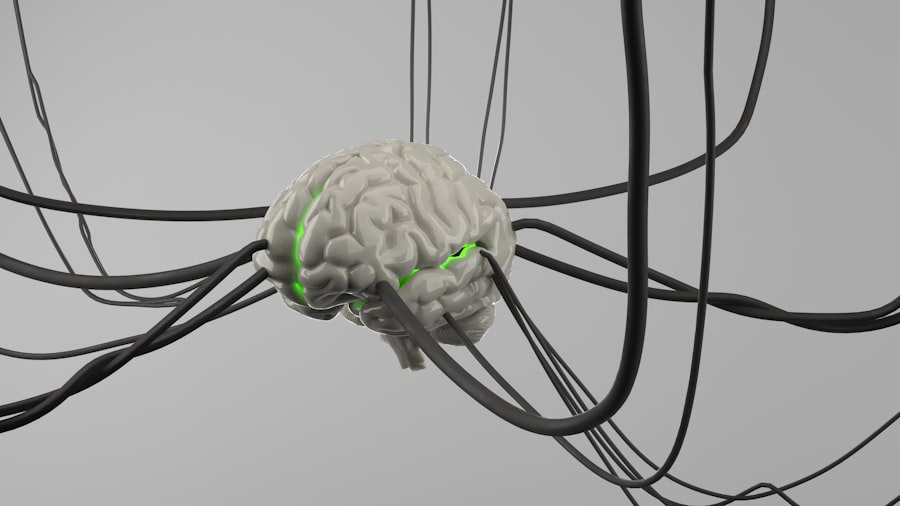
Your brain’s internal clock isn’t just about sleep; it has a profound impact on your cognitive abilities, particularly your capacity for focus and attention. Your SCN influences the release of neurotransmitters and hormones that modulate alertness, executive functions, and learning.
Fluctuations in Alertness Throughout the Day
You’ve likely experienced periods during the day when you feel more mentally sharp and capable of sustained concentration than at other times. These fluctuations are largely governed by your circadian rhythm. Typically, you experience peaks in alertness in the morning and again in the late afternoon or early evening, with a dip in the early afternoon.
Morning Peaks in Performance
For many individuals, morning hours represent a peak in cognitive performance. This is often attributed to the morning surge in alertness hormones and the completion of restorative sleep. Your brain is at its freshest, much like a well-oiled machine starting its day.
The Midday Dip
The well-known “post-lunch dip” or midday slump is a common phenomenon that can be explained by circadian influences. This period of decreased alertness can make it challenging to maintain focus and can be exacerbated by heavy meals that can further induce drowsiness. It’s a temporary lull in your brain’s efficiency.
Afternoon and Evening Performance
While some experience a decline after lunch, many individuals find their cognitive performance improving again in the late afternoon and early evening, before the circadian drive for sleep begins to dominate. This second peak can be a productive time for tasks requiring sustained attention.
Neurochemical Influences on Focus
Your circadian clock influences the release of various neurotransmitters and neuromodulators that are critical for attention and focus. These chemical messengers are like tiny signals that tell your neurons when to fire and how strongly.
Dopamine and Alertness
Dopamine, a neurotransmitter associated with reward, motivation, and alertness, plays a significant role in regulating attention. Dopamine levels tend to fluctuate with your circadian rhythm, contributing to periods of enhanced focus. Higher dopamine activity can facilitate sustained attention and cognitive control.
Norepinephrine and Vigilance
Norepinephrine (also known as noradrenaline) is another crucial neurotransmitter involved in vigilance, arousal, and the “fight-or-flight” response. Its release is also influenced by circadian signals, helping to keep you alert and responsive to your environment. It acts like an internal alarm system, ensuring you’re ready to engage.
Acetylcholine and Learning
Acetylcholine is a neurotransmitter vital for learning, memory, and attention. Circadian influences on acetylcholine release can impact your ability to encode new information and maintain focus during learning tasks.
Circadian Disruption and Impaired Focus
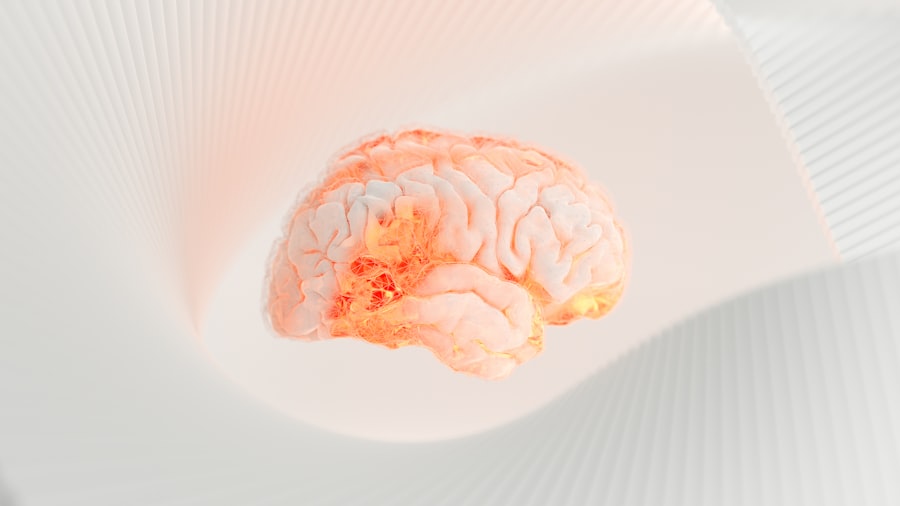
When your internal clock is out of sync with the external environment, a phenomenon known as circadian disruption occurs. This desynchronization can have significant negative consequences for your cognitive functions, particularly your ability to focus.
Shift Work and Jet Lag
Shift work, where your work schedule deviates from the natural day-night cycle, and jet lag, experienced when traveling across multiple time zones, are classic examples of circadian disruption. Your internal clock becomes misaligned with the external cues, leading to a cascade of problems.
Consequences of Shift Work
Individuals working irregular shifts often experience chronic sleep deprivation, reduced alertness during work hours, and difficulty adapting to their work schedule. This can lead to a decline in cognitive performance, including impaired focus, reduced reaction time, and an increased risk of errors. It’s like trying to run a race with your shoelaces tied together.
The Impact of Jet Lag
Jet lag is a temporary but disruptive form of circadian misalignment. As you travel through different time zones, your SCN struggles to adjust to the new light-dark cycle. This can result in fatigue, sleep disturbances, cognitive impairment, and difficulty concentrating until your internal clock eventually re-entrains.
Chronic Sleep Deprivation and Focus Deficits
Beyond acute disruptions, chronic insufficient sleep has a profound detrimental effect on your focus. When you consistently get less sleep than your body needs, the homeostatic drive for sleep becomes overwhelming, and your circadian rhythm’s ability to promote alertness is compromised.
Reduced Attention Span
One of the most immediate effects of sleep deprivation is a reduced attention span. You may find yourself easily distracted, struggling to complete tasks that require sustained concentration, and making more careless mistakes. Your brain’s ability to filter out irrelevant information diminishes.
Impaired Executive Functions
Executive functions, the set of cognitive skills that include planning, problem-solving, impulse control, and working memory, are particularly vulnerable to sleep deprivation. These complex cognitive processes rely heavily on optimal brain function, which is severely hampered by a lack of sleep. This means making poor decisions and struggling with self-regulation.
Recent research in the neuroscience of circadian signals has unveiled fascinating insights into how our internal biological clocks influence focus and cognitive performance throughout the day. A related article discusses the intricate relationship between these circadian rhythms and our ability to concentrate effectively. For those interested in exploring this topic further, you can read more about it in this informative piece found here. Understanding these connections can help optimize our daily routines and enhance productivity.
Optimizing Circadian Rhythms for Enhanced Focus
| Metric | Description | Typical Value/Range | Relevance to Circadian Signals and Focus |
|---|---|---|---|
| Melatonin Levels (pg/mL) | Concentration of melatonin hormone in blood plasma | 10-80 (night), | Indicator of circadian phase; high levels promote sleep and influence cognitive alertness |
| Cortisol Levels (µg/dL) | Concentration of cortisol hormone in blood plasma | 5-23 (morning peak), 1-8 (evening low) | Regulates arousal and stress response; peaks in morning to enhance focus and alertness |
| Core Body Temperature (°C) | Internal body temperature reflecting circadian rhythm | 36.1 – 37.2 | Lowest during early morning; correlates with alertness and cognitive performance |
| EEG Alpha Power (µV²) | Alpha wave activity measured by EEG during wakefulness | 20-60 µV² (varies by individual and time of day) | Associated with relaxed wakefulness; modulated by circadian signals affecting focus |
| Reaction Time (ms) | Time taken to respond to a stimulus | 150-300 ms (varies with time of day) | Improves during circadian peak alertness periods; used to assess focus and cognitive function |
| Sleep Onset Latency (minutes) | Time taken to fall asleep | 10-20 minutes (normal range) | Influenced by circadian signals; shorter latency indicates higher sleep pressure and lower focus |
| SCN Neuronal Firing Rate (Hz) | Activity rate of suprachiasmatic nucleus neurons | 5-15 Hz (day), 1-5 Hz (night) | Master circadian clock; firing rate modulates downstream focus-related brain regions |
Fortunately, you can take proactive steps to support and optimize your circadian rhythms, thereby enhancing your cognitive focus and overall well-being. These strategies leverage your understanding of how your brain’s internal clock operates.
The Importance of Light Exposure
Strategic use of light is a powerful tool for regulating your circadian rhythm. Manipulating your light exposure can help to synchronize your internal clock and promote wakefulness or sleepiness at desired times.
Morning Light Exposure
Exposing yourself to bright light shortly after waking up is crucial for signaling to your SCN that the day has begun. This helps to suppress melatonin production and promote alertness. Even a short walk outdoors can be beneficial. It’s akin to ringing the morning bell to start the day’s activities.
Limiting Evening Light Exposure
Conversely, minimizing exposure to bright light, especially blue light, in the hours before bedtime can facilitate melatonin production and prepare your body for sleep. Dimming lights, avoiding screens, or using blue-light filtering glasses can be helpful. This allows the conductor to signal the time for rest without overstimulating the orchestra.
Establishing a Consistent Sleep Schedule
Consistency is key when it comes to sleep. Adhering to a regular sleep-wake schedule, even on weekends, helps to strengthen and stabilize your circadian rhythm. This provides a predictable rhythm for your internal clock.
Regular Bedtime and Wake-Up Time
Aim to go to bed and wake up around the same time each day, within a narrow window. This consistency acts as a strong zeitgeber, reinforcing your natural sleep-wake cycle. It’s like setting your watch to the correct time daily to ensure accuracy.
The Impact of Sleep Debt
While occasional deviations from your schedule are manageable, consistently accumulating “sleep debt” can disrupt your circadian rhythm and negatively impact your focus. Prioritizing sufficient sleep is paramount. Chronic sleep deprivation is like trying to build a sturdy house on a shaky foundation; it will inevitably lead to problems.
Lifestyle Factors Supporting Circadian Health
Beyond light and sleep schedules, various lifestyle factors can either support or disrupt your circadian rhythms, impacting your focus.
Regular Exercise
Engaging in regular physical activity, particularly in the morning or afternoon, can help to promote healthy circadian rhythms and improve sleep quality. However, avoid intense exercise close to bedtime, as it can be stimulating and interfere with sleep. Exercise acts like a brisk walk that energies your body and mind.
Diet and Meal Timing
The timing of your meals can also influence your circadian rhythms. Eating meals at consistent times each day can help to synchronize your internal clock. Avoid large, heavy meals close to bedtime, as they can interfere with sleep. Your digestive system also has its own circadian rhythm.
Stress Management
Chronic stress can disrupt hormonal balance and negatively impact circadian regulation. Implementing stress-management techniques, such as mindfulness, meditation, or yoga, can contribute to better circadian health and, consequently, improved focus. Stress is like a disruptive force throwing off the conductor’s timing.
By understanding the intricate interplay between your brain’s internal clock, circadian signals, and your ability to focus, you can implement strategies that work in harmony with your natural biological rhythms. This knowledge empowers you to optimize your cognitive performance, enhance your daily productivity, and ultimately, live a more balanced and focused life.
WATCH NOW ▶️ STOP Your Mental Drain: The 24-Hour Decision Reset
FAQs
What are circadian signals in neuroscience?
Circadian signals refer to the biological processes that follow a roughly 24-hour cycle, regulated by the brain’s internal clock, primarily located in the suprachiasmatic nucleus (SCN) of the hypothalamus. These signals influence various physiological and behavioral functions, including sleep-wake cycles, hormone release, and cognitive performance.
How do circadian rhythms affect focus and attention?
Circadian rhythms regulate the timing of alertness and cognitive function throughout the day. Typically, focus and attention peak during certain periods aligned with the body’s internal clock, often in the mid-morning and early evening, and decline during low points, such as late at night or early afternoon, affecting productivity and mental performance.
What role does the suprachiasmatic nucleus (SCN) play in circadian regulation?
The SCN acts as the master circadian pacemaker in the brain, synchronizing peripheral clocks in various tissues. It receives light information from the retina and adjusts the body’s internal clock accordingly, thereby coordinating daily rhythms in physiology and behavior, including sleep patterns and cognitive functions like focus.
Can disruptions in circadian signals impact mental health and cognitive abilities?
Yes, disruptions in circadian rhythms, such as those caused by shift work, jet lag, or irregular sleep patterns, can impair cognitive functions including attention, memory, and executive function. Chronic circadian misalignment is also linked to increased risks of mood disorders, such as depression and anxiety.
Are there ways to optimize focus by aligning with circadian rhythms?
Optimizing focus can be achieved by aligning tasks with natural circadian peaks in alertness, maintaining consistent sleep schedules, exposure to natural light during the day, and minimizing light exposure at night. These practices help reinforce circadian signals, enhancing cognitive performance and sustained attention.