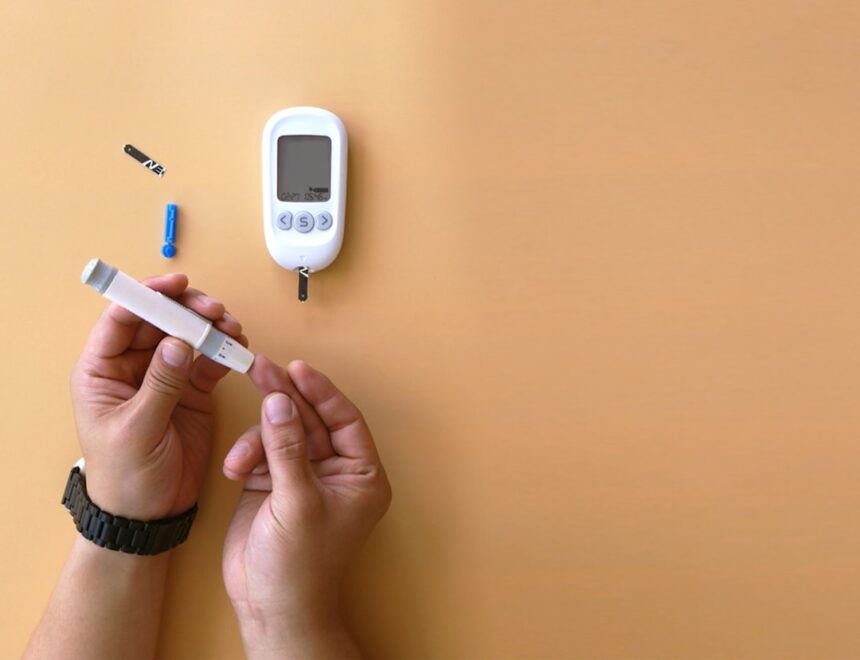
You operate at a high level. Your days are structured, your goals ambitious, and your performance demands the best. In this relentless pursuit of achievement, you might overlook a fundamental element crucial to sustaining your peak performance: your blood sugar levels. Far from a minor inconvenience, erratic blood sugar can sabotage your focus, drain your energy, and ultimately impede your progress. This isn’t about chasing an abstract ideal; it’s about optimizing the fuel your brain and body consume to meet your exacting standards.
You rely on your cognitive abilities, your sustained energy, and your resilience to navigate the challenges you set for yourself. Your blood sugar, primarily glucose, is the direct energy source for your brain and muscles. When this system functions smoothly, you experience clarity, stable energy, and consistent mood. When it falters, the effects can be pronounced and detrimental to your high-achieving lifestyle.
The Glucose-Insulin Dance
Imagine your bloodstream as a highway, and glucose as the vehicles. Insulin, produced by your pancreas, acts as the traffic controller. After you consume carbohydrates, they are broken down into glucose, which enters your bloodstream. Insulin then signals your cells to absorb this glucose for energy, or to store it for later use.
- Basal Insulin: This is the steady, background release of insulin your body needs to manage glucose between meals and overnight. It’s the constant hum of your internal regulatory system.
- Bolus Insulin: This is the surge of insulin released in response to a meal, particularly those containing carbohydrates, to effectively shuttle glucose into your cells.
A well-orchestrated dance between glucose and insulin ensures that your energy supply is readily available and appropriately managed. When this dance becomes discordant, problems arise.
The Pitfalls of Peaks and Crashes
For high achievers, the allure of quick energy fixes – sugary snacks, refined carbohydrates – can be strong. These foods cause rapid spikes in blood glucose, followed by an equally rapid drop.
- Blood Sugar Spikes: While a temporary surge in energy might seem beneficial, these spikes trigger a significant insulin release. This can lead to a subsequent “crash,” leaving you feeling fatigued, irritable, and experiencing brain fog. This is the antithesis of peak performance.
- Blood Sugar Crashes (Hypoglycemia): A rapid drop in blood sugar, often following a spike, results in a lack of readily available glucose for your brain. Symptoms can include shakiness, dizziness, confusion, and an inability to concentrate. These are not conditions conducive to complex problem-solving or critical decision-making.
- Insulin Resistance: Chronic, repeated glucose spikes can desensitize your cells to insulin’s signals. Your pancreas then has to work harder, producing more insulin to achieve the same effect. Over time, this can lead to insulin resistance, a precursor to more serious metabolic issues.
For high achievers looking to optimize their performance, effective blood sugar management is crucial. A related article that delves into strategies for maintaining stable blood sugar levels while juggling a busy lifestyle can be found at Productive Patty. This resource offers practical tips and insights that can help individuals enhance their focus and energy, ensuring they stay at the top of their game.
Fueling Your Focus: Macronutrient Mastery
The composition of your diet is not merely about sustenance; it’s about providing the optimal fuel for your high-demand lifestyle. Understanding how carbohydrates, proteins, and fats influence your blood sugar is paramount.
The Nuance of Carbohydrates
Not all carbohydrates are created equal. Your approach to carbohydrate consumption can significantly impact your energy stability and cognitive function.
- Complex Carbohydrates: These are your allies. Found in whole grains, legumes, and non-starchy vegetables, they are digested slowly, leading to a gradual release of glucose into your bloodstream. This provides sustained energy and avoids the dramatic peaks and crashes.
- Whole Grains: Think oats, quinoa, brown rice, and whole wheat bread. These options offer fiber, which further slows digestion and promotes satiety.
- Legumes: Lentils, beans, and chickpeas are excellent sources of complex carbohydrates, protein, and fiber.
- Non-Starchy Vegetables: Leafy greens, broccoli, peppers, and cucumbers are packed with nutrients and fiber and have a minimal impact on blood sugar.
- Simple Carbohydrates: These are the ones to approach with caution. Refined sugars and starches, found in white bread, pastries, sugary drinks, and processed snacks, are rapidly digested, leading to swift glucose spikes. While they offer a quick energy burst, it is fleeting and often followed by a deficit.
- Sugary Beverages: Sodas, juices, and sweetened coffees are particularly problematic due to their high sugar content and lack of fiber, leading to rapid absorption and significant glucose excursions.
- Refined Grains: White bread, white pasta, and many breakfast cereals are stripped of their fiber and nutrients, behaving much like simple sugars.
- Glycemic Index (GI) and Glycemic Load (GL): These metrics can be helpful tools. The GI ranks foods based on how quickly they raise blood sugar. The GL considers both the GI and the amount of carbohydrates in a serving. Opting for foods with a lower GI and GL generally supports more stable blood sugar.
The Protein Powerhouse
Protein plays a crucial role in satiety and does not directly impact blood sugar levels in the same way carbohydrates do. Its inclusion in your meals can help slow the absorption of carbohydrates and contribute to a more balanced response.
- Lean Protein Sources: Chicken breast, turkey, fish, lean beef, eggs, and plant-based options like tofu and tempeh are excellent choices.
- Integrating Protein Throughout the Day: Ensure you include a source of protein with each meal and snack. This can help prevent sharp drops in energy and reduce cravings for quick sugar fixes.
The Fat Factor
Healthy fats are essential for overall health and contribute to satiety, further aiding in blood sugar management by slowing digestion.
- Unsaturated Fats: Found in avocados, nuts, seeds, and olive oil, these fats are beneficial for heart health and can help stabilize blood sugar.
- Omega-3 Fatty Acids: Abundant in fatty fish (salmon, mackerel), flaxseeds, and chia seeds, these have anti-inflammatory properties and can contribute to metabolic health.
- Strategic Fat Inclusion: Incorporating healthy fats into your meals can enhance satiety and improve nutrient absorption, making your meals more metabolically friendly.
Timing is Everything: Strategic Meal and Snack Approaches
The frequency and timing of your food intake can have a profound impact on your blood sugar stability. For high achievers, a structured eating pattern can translate directly into sustained focus and energy.
The Case for Consistent Eating
The notion of “grazing” on small amounts of food throughout the day can be counterproductive if those snacks are high in refined carbohydrates. A more effective approach involves regular, balanced meals.
- Balanced Meals: Aim to include a source of complex carbohydrates, lean protein, and healthy fats in each meal. This synergy creates a more gradual and sustained release of glucose.
- Breakfast: Start your day with a substantial, balanced breakfast to set the tone. Think scrambled eggs with avocado and whole-wheat toast, or oatmeal topped with berries and nuts.
- Lunch: A salad with grilled chicken and olive oil dressing, or a lentil soup with a side of whole-grain bread, provides sustained energy.
- Dinner: Baked salmon with roasted vegetables and quinoa offers a nutrient-dense and blood-sugar-friendly option.
- Avoiding Extended Fasting Between Meals: While intermittent fasting can be beneficial for some, prolonged periods without food can lead to significant drops in blood sugar, impacting cognitive function.
- The Importance of Not Skipping Meals: Sacrificing meals to gain time can backfire. You might find yourself ravenous later, leading to overeating and less controlled food choices.
Smart Snacking Strategies
When hunger strikes between meals, your snack choices are critical. Opting for blood-sugar-friendly options can bridge the gap without causing disruptive fluctuations.
- Protein and Fiber Pairing: Combine protein sources with fibrous foods. Examples include:
- An apple with a tablespoon of almond butter.
- A handful of almonds with a few berries.
- Greek yogurt with chia seeds.
- Vegetable sticks (carrots, celery) with hummus.
- Portion Control: Even healthy snacks should be consumed in moderation. Mindless snacking can lead to excess calorie intake and impact your overall nutritional balance.
- Listening to Your Body: Differentiate between true hunger and cravings driven by boredom or stress. Eating when genuinely hungry helps maintain better blood sugar control.
The Mind-Body Connection: Stress, Sleep, and Exercise
Your high-achieving lifestyle often involves significant stress, demanding work schedules, and potentially compromised sleep. These factors, along with physical activity, are inextricably linked to your blood sugar regulation.
Stress Management: A Direct Link to Blood Sugar
Chronic stress has a direct and often negative impact on your blood sugar levels. Your body releases cortisol and adrenaline in response to stress, hormones that can elevate glucose.
- Cortisol’s Role: This stress hormone can increase glucose production by your liver and reduce insulin sensitivity, leading to higher blood sugar.
- Adrenaline’s Impact: Adrenaline, part of the “fight or flight” response, can also cause a temporary surge in blood glucose as your body mobilizes energy stores.
- Developing Stress Resilience: Incorporate stress-reducing techniques into your routine:
- Mindfulness and Meditation: Even a few minutes daily can help calm your nervous system.
- Deep Breathing Exercises: These can be done anywhere, anytime, to quickly reduce acute stress.
- Time in Nature: Spending time outdoors has been shown to lower stress hormones.
- Delegation and Boundary Setting: As a high achiever, learning to delegate tasks and set boundaries is crucial for managing your workload and reducing stress.
Sleep: The Unsung Hero of Blood Sugar Control
Adequate, quality sleep is not a luxury; it’s a physiological necessity that profoundly influences blood sugar regulation.
- Sleep Deprivation and Insulin Sensitivity: Insufficient sleep impairs insulin sensitivity, meaning your cells become less responsive to insulin. This can lead to elevated blood sugar levels.
- Hormonal Imbalances: Lack of sleep can disrupt the balance of hormones that regulate appetite, such as ghrelin (which stimulates hunger) and leptin (which signals fullness), potentially leading to increased cravings for high-sugar, high-calorie foods.
- Prioritizing Sleep Hygiene:
- Consistent Sleep Schedule: Aim to go to bed and wake up around the same time, even on weekends.
- Optimizing Your Sleep Environment: Ensure your bedroom is dark, quiet, and cool.
- Limiting Screen Time Before Bed: The blue light emitted from electronic devices can interfere with melatonin production, a hormone that regulates sleep.
- Avoiding Caffeine and Alcohol Before Bed: These substances can disrupt sleep patterns.
Exercise: A Double-Edged Sword for Blood Sugar
Physical activity is a powerful tool for improving insulin sensitivity and managing blood sugar, but it requires a strategic approach.
- Benefits of Regular Exercise: Exercise helps your muscles use glucose for energy, thereby lowering blood sugar levels. It also improves insulin sensitivity over time.
- Aerobic Exercise: Activities like running, swimming, cycling, and brisk walking are excellent for cardiovascular health and blood sugar management.
- Strength Training: Building muscle mass increases your body’s ability to store and utilize glucose, contributing to better metabolic control.
- Intensity and Timing Considerations:
- Moderate-Intensity Exercise: Generally has a positive and sustained impact on blood sugar.
- High-Intensity Interval Training (HIIT): Can be very effective but might cause temporary blood sugar fluctuations. Monitor your response carefully.
- Exercise After Meals: Performing moderate exercise after a meal can be particularly effective in mitigating post-meal blood sugar spikes.
- Hydration During Exercise: Staying adequately hydrated is crucial, especially during prolonged or intense physical activity, as dehydration can impact blood sugar.
For high achievers, maintaining optimal blood sugar levels is crucial for sustained energy and focus throughout the day. A related article that delves into effective strategies for blood sugar management can be found at this link. By implementing these techniques, individuals can enhance their productivity and overall well-being, ensuring they remain at the top of their game.
Monitoring and Adjustment: Empowering Your Progress
| Metrics | Target Range |
|---|---|
| Fasting Blood Sugar | 70-130 mg/dL |
| Postprandial Blood Sugar (2 hours after meal) | Less than 180 mg/dL |
| HbA1c (3-month average) | Less than 7% |
| Insulin Sensitivity | High |
Optimizing your blood sugar is an ongoing process, not a one-time fix. It requires awareness, diligent monitoring, and a willingness to adjust your strategies based on your body’s responses.
Self-Monitoring: Your Personal Data
Understanding how your body responds to different foods, activities, and stressors is key to effective management.
- Blood Glucose Meters: For individuals with diagnosed diabetes or those at high risk, regular monitoring with a blood glucose meter provides direct insight into your blood sugar levels at various times of the day.
- Continuous Glucose Monitors (CGMs): These devices offer real-time data, providing a more comprehensive picture of glucose trends throughout the day and night. They can be invaluable for identifying patterns and understanding the impact of specific choices.
- Symptom Tracking: Beyond objective measurements, pay attention to how you feel. Note periods of fatigue, irritability, or brain fog and correlate them with your food intake, sleep, and stress levels.
Interpreting Your Data
Collecting data is only half the battle. The real power lies in understanding what it means for you.
- Identifying Triggers: Are there specific foods that consistently lead to uncomfortable spikes or crashes? Are certain types of meetings or deadlines associated with elevated stress hormones and subsequent blood sugar changes?
- Recognizing Patterns: Look for recurring themes in your data. Do you consistently experience a dip in energy mid-afternoon? Understanding the cause allows for proactive intervention.
- The Impact of Combinations: Blood sugar responses are rarely due to a single factor. Consider how food combinations, stress levels, and sleep quality interact to influence your glucose.
Iterative Optimization: The High-Achiever’s Approach
The principles of high achievement – goal setting, measurement, and iterative improvement – apply equally well to optimizing your blood sugar.
- Set Realistic Goals: Instead of aiming for drastic changes overnight, focus on small, sustainable adjustments. Perhaps start by incorporating one blood-sugar-friendly breakfast daily or aiming for an extra hour of sleep per night.
- Experiment and Observe: Be willing to try different approaches and observe their effects. What works for one individual may not work for another. Your own body is the ultimate laboratory.
- Seek Professional Guidance: If you have underlying health conditions or are struggling to manage your blood sugar effectively, consult with a registered dietitian, a certified diabetes educator, or your physician. They can provide personalized advice and support.
- Patience and Persistence: Optimizing your blood sugar is a journey. There will be days when you deviate from your plan. The key is to learn from those instances and return to your strategy with persistence. Your commitment to excellence can be a powerful motivator in maintaining consistency with your health goals.
By understanding the intricate relationship between your lifestyle and your blood sugar, and by adopting a strategic, data-informed approach, you can optimize your body’s most fundamental fuel source. This optimization is not about dogma or restriction; it’s about empowering your cognitive clarity, sustaining your energy, and ultimately, enhancing your capacity to achieve at the highest level. Your ambition deserves a consistently well-fueled engine.
FAQs
What is blood sugar management?
Blood sugar management refers to the process of regulating the levels of glucose in the bloodstream to maintain a healthy balance. This is important for overall health and well-being, as well as for preventing conditions such as diabetes.
Why is blood sugar management important for high achievers?
High achievers often lead busy and demanding lifestyles, which can lead to stress, irregular eating habits, and lack of physical activity. These factors can impact blood sugar levels, making it important for high achievers to actively manage their blood sugar to maintain optimal performance and overall health.
What are some strategies for managing blood sugar levels?
Strategies for managing blood sugar levels include eating a balanced diet with a focus on whole foods, regular physical activity, monitoring carbohydrate intake, managing stress levels, and getting enough sleep. It’s also important to work with a healthcare professional to develop a personalized plan.
What are the potential risks of unmanaged blood sugar levels for high achievers?
Unmanaged blood sugar levels can lead to a range of health issues, including fatigue, difficulty concentrating, mood swings, and an increased risk of developing type 2 diabetes. High achievers may also experience a negative impact on their productivity and performance.
How can high achievers incorporate blood sugar management into their busy lifestyles?
High achievers can incorporate blood sugar management into their busy lifestyles by prioritizing healthy eating habits, scheduling regular physical activity, practicing stress-reducing techniques such as mindfulness or meditation, and seeking support from healthcare professionals or nutritionists. It’s important to make blood sugar management a priority for long-term health and success.