You find yourself staring at a blank screen, the cursor blinking mockingly, a silent testament to your inability to concentrate. Tasks that once felt manageable now loom like insurmountable mountains. The digital noise of notifications, the constant hum of responsibilities, and perhaps even underlying personal stresses have created a landscape where focused attention is an ever-elusive commodity. You might attribute this to a lack of willpower, poor time management, or simply a bad day. However, the root of your struggles with focus often lies deeper, in the intricate workings of your nervous system.
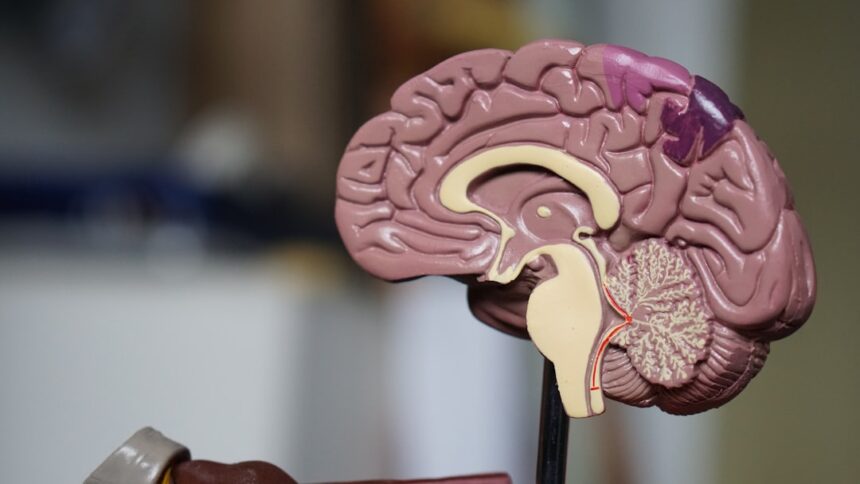
Your nervous system, a complex network of nerves and cells, is the command center for everything you do, think, and feel. When it’s perpetually in a state of high alert, a chronic stress response, it becomes incredibly difficult to engage the parts of your brain responsible for sustained attention, problem-solving, and productive output. Prioritizing nervous system safety isn’t about grand, unattainable gestures; it’s about implementing practical, conscious strategies to bring your internal state back into a more balanced and regulated condition, thereby creating the fertile ground for improved focus.
Your ability to concentrate is fundamentally linked to your nervous system’s current state of activation. Imagine a dial that controls your level of arousal. Too low, and you’re drowsy and disengaged. Too high, and you’re anxious, scattered, and overwhelmed. The sweet spot for focus lies in a moderated, steady state of activation. When your nervous system is dysregulated, however, it gets stuck in either of these extremes, or oscillates wildly between them, making it nearly impossible to hold your attention on a single task.
The Autonomic Nervous System: Your Internal Compass
At the core of your nervous system’s impact on focus is the autonomic nervous system (ANS). This involuntary system governs essential bodily functions, including your heart rate, breathing, digestion, and stress response. It has two primary branches that constantly work in opposition yet in relation to each other: the sympathetic nervous system (SNS) and the parasympathetic nervous system (PNS).
The Sympathetic Nervous System: The “Fight or Flight” Response
When your brain perceives a threat, whether it’s a genuine danger or the digital ping of an urgent email demanding immediate attention, your SNS kicks into gear. This is the “fight or flight” response. Your heart rate accelerates, your breathing becomes shallow and rapid, your muscles tense, and your body floods with adrenaline and cortisol. While essential for survival in acute situations, chronic activation of the SNS leaves you in a state of perpetual hyperarousal. This constant state of readiness makes it difficult to relax, quiet your mind, and direct your attention toward tasks that require calm, deliberate thought. Instead, your mind races, jumping from one perceived threat or distraction to the next.
The Parasympathetic Nervous System: The “Rest and Digest” State
The PNS, conversely, is responsible for calming your body down, promoting recovery, and conserving energy. This is the “rest and digest” state. It slows your heart rate, deepens your breathing, aids digestion, and fosters a sense of relaxation and well-being. A well-functioning PNS is crucial for focus, as it allows your brain to downshift from a state of alarm to one of receptivity and deep thinking. When you’re in a regulated PNS state, you can access the prefrontal cortex, the brain region responsible for executive functions like planning, decision-making, and sustained attention.
The Impact of Chronic Stress on Your Brain
When your nervous system is consistently stimulated by stressors, the SNS dominates, pushing the PNS into the background. This chronic activation has tangible effects on your brain’s structure and function, directly impeding your ability to focus.
Cortisol and Brain Fog
Prolonged exposure to cortisol, the primary stress hormone, can impair cognitive function. Specifically, high cortisol levels can lead to what’s often described as “brain fog.” This manifests as difficulty concentrating, problems with memory recall, and a general feeling of mental sluggishness. Your brain, under constant duress, prioritizes survival over higher-level cognitive tasks.
Reduced Neuroplasticity
Chronic stress can also negatively impact neuroplasticity, the brain’s remarkable ability to form new neural connections and change its structure. This means that your brain’s capacity to learn, adapt, and therefore improve focus can be diminished. When your brain is constantly in reactive mode, it’s less likely to engage in the kind of learning and consolidation required for effective concentration.
The connection between nervous system safety and focus is a crucial area of study, as understanding how our body’s stress responses affect our ability to concentrate can lead to improved productivity and mental well-being. For a deeper exploration of this topic, you can read a related article on the importance of creating a safe environment for the nervous system to enhance focus and productivity. Check it out here: Productive Patty.
Cultivating a Regulated Nervous System: Practical Strategies
Recognizing the link between your nervous system and your focus is the first step. The subsequent, and most crucial, step is actively implementing strategies to promote nervous system regulation. This isn’t about eliminating all stress, which is an unrealistic goal; it’s about developing a toolkit to manage your body’s response to it.
Grounding Techniques for Immediate Calm
When you feel your focus slipping due to rising anxiety or overwhelm, grounding techniques can be incredibly effective in bringing you back to the present moment and signaling safety to your nervous system. These techniques redirect your attention away from racing thoughts and toward sensory input from your environment, helping to interrupt the stress response.
The 5-4-3-2-1 Method
This is a simple yet powerful technique. You deliberately identify:
- 5 things you can see.
- 4 things you can touch.
- 3 things you can hear.
- 2 things you can smell.
- 1 thing you can taste.
By engaging your senses, you anchor yourself in the physical world, which can effectively pull you out of a spiraling anxious state and allow your nervous system to begin to settle.
Mindful Breathing Exercises
Conscious breathing is a direct pathway to activating the PNS. When you’re stressed, your breathing is shallow and rapid. By intentionally slowing down and deepening your breath, you send a signal to your brain that the immediate danger has passed, allowing your nervous system to downregulate.
Diaphragmatic Breathing
This involves breathing deeply into your belly, rather than just your chest. Place one hand on your abdomen and the other on your chest. As you inhale, feel your abdomen rise; as you exhale, feel it fall. Try to make your exhalations slightly longer than your inhalations. This simple practice can significantly reduce physiological signs of stress and promote a sense of calm.
Box Breathing
This technique involves inhaling for a count of four, holding for a count of four, exhaling for a count of four, and holding again for a count of four. Repeating these cycles for a few minutes can help to regulate your heart rate and create a feeling of steadiness.
Creating a Supportive Environment for Focus
Your physical and digital environments play a significant role in how your nervous system perceives safety and whether it can settle into a focused state. Clutter, noise, and constant digital interruptions are all subtle signals of threat that can keep your SNS in overdrive.
Decluttering Your Workspace
A visually chaotic environment can translate into mental chaos. Take time to organize your physical workspace. Removing unnecessary items, creating designated spaces for essentials, and ensuring good lighting can contribute to a sense of order and reduce sensory overload, thereby making it easier for your nervous system to relax and focus.
Minimizing Digital Distractions
Your devices are often the primary source of constant stimulation. Be deliberate about managing your digital environment to create pockets of calm.
Scheduled “Deep Work” Blocks
Dedicate specific times for focused work where you eliminate all non-essential notifications. This might involve turning off email alerts, silencing your phone, or using website blockers. This intentional separation allows your nervous system to engage in sustained effort without constant interruption.
Notification Management Strategies
Beyond disabling them entirely, consider specific notification settings. Can you categorize incoming alerts? Can you set specific times for checking emails or social media? The goal is to regain control over the influx of information, rather than being constantly reactive to it.
Understanding the intricate relationship between nervous system safety and focus is essential for enhancing productivity and well-being. A recent article explores how a well-regulated nervous system can significantly improve our ability to concentrate and remain engaged in tasks. This connection highlights the importance of creating a safe and supportive environment for our nervous system, which in turn fosters better focus and mental clarity. For more insights on this topic, you can read the article here: nervous system safety and focus.
Prioritizing Sleep and Rest
Adequate and quality sleep is not a luxury; it’s a fundamental requirement for a well-regulated nervous system and optimal cognitive function, including focus. During sleep, your brain consolidates memories, clears out metabolic waste, and restores itself. Insufficient or disrupted sleep leaves your nervous system in a heightened state of arousal, making focus a Herculean task.
Establishing a Consistent Sleep Schedule
Going to bed and waking up around the same time each day, even on weekends, helps to regulate your body’s natural circadian rhythm. This consistency signals to your nervous system that it can rely on predictable periods of rest, promoting deeper and more restorative sleep.
Creating a Relaxing Bedtime Routine
Your transition into sleep should be a cue for your nervous system to wind down. This might involve dimming the lights, avoiding screens for at least an hour before bed, engaging in light reading, taking a warm bath, or practicing gentle stretching. These activities signal to your body that it’s time to prepare for rest, rather than remaining in a state of alert.
Incorporating Movement and Physical Well-being
Your body and mind are intrinsically linked. Physical activity has a profound impact on nervous system regulation and, by extension, your ability to focus. When you’re sedentary for long periods, especially in a stressed state, your body can accumulate physical tension, which further contributes to mental fogginess.
Regular Physical Activity
Engaging in regular aerobic exercise can significantly reduce stress hormones like cortisol and increase the production of endorphins, which have mood-boosting and calming effects. Even a brisk walk can make a difference in your ability to settle your nervous system and improve your focus.
Incorporating Mind-Body Practices
Practices like yoga, Tai Chi, and even gentle stretching combine movement with breathwork and mindfulness. These activities are specifically designed to bring awareness to your body, release physical tension, and activate the parasympathetic nervous system, fostering a state of calm and improving your capacity for sustained attention.
Recognizing and Addressing Internal Barriers

Beyond external influences, your internal landscape – your thoughts, beliefs, and emotional responses – can also create significant barriers to nervous system safety and, consequently, focus. Learning to identify and manage these internal contributors is a vital part of the process.
The Role of Self-Compassion in Focus
You might be your own harshest critic when it comes to your struggles with focus. This internal judgment can create a feedback loop of anxiety and self-doubt, further exacerbating your difficulties. Practicing self-compassion involves extending kindness and understanding to yourself, especially during challenging times.
Challenging Self-Critical Thoughts
When you notice yourself thinking “I’m so unfocused, I’ll never get this done,” pause and question those thoughts. Are they entirely accurate? Are they helpful? Replace them with more balanced and compassionate affirmations, such as “I’m having trouble focusing right now, but I can take a short break and try again.”
Accepting Imperfection
The pursuit of perfect, unwavering focus is often counterproductive. Recognize that your attention will naturally ebb and flow. Accepting this variability rather than fighting against it can reduce frustration and make it easier to gently guide your attention back to the task at hand.
Mindful Awareness of Emotional Triggers
Certain emotions or thought patterns can act as powerful triggers for your nervous system, immediately tipping you into a state of dysregulation. Learning to recognize these triggers is key to developing effective coping mechanisms.
Identifying Stressors and Emotional Hotspots
Keep a journal for a week or two, noting when you feel your focus faltering. What were you thinking about? What was happening around you? What emotions were you experiencing? Over time, you’ll likely identify recurring patterns that signal your nervous system is becoming dysregulated.
Developing Emotional Regulation Skills
Once you identify your triggers, you can begin to develop strategies for managing your emotional responses. This might involve using the grounding techniques mentioned earlier, engaging in problem-solving when appropriate, or simply allowing yourself to feel an emotion without letting it overwhelm you.
Integrating Nervous System Safety into Your Daily Routine

Prioritizing nervous system safety and improving focus isn’t a one-time fix; it’s an ongoing practice that requires conscious integration into your daily life. Think of it as building new habits that support your internal equilibrium.
Scheduling “Regulation Breaks”
Just as you schedule meetings or work blocks, schedule dedicated time for activities that help regulate your nervous system. These are not the same as “productivity breaks” where you might scroll through social media. These are intentional pauses for activities that actively calm and restore you.
Micro-Breaks for Resetting
Even one or two minutes of deep breathing, a short walk, or a few moments of simply observing your surroundings can be enough to interrupt a stress cycle and bring you back to a more regulated state. Sprinkle these throughout your day.
Longer Restorative Sessions
Dedicate longer periods, perhaps 15-30 minutes, for activities like meditation, journaling, gentle stretching, or listening to calming music. These more significant breaks allow for deeper nervous system recalibration.
Realigning Your Relationship with Productivity
The modern emphasis on constant output can be a significant driver of nervous system dysregulation. Shifting your perspective on productivity to include periods of rest and regulation is essential for sustainable focus.
Redefining “Productivity”
Consider productivity not just as output, but as the ability to sustain effective effort over time. This inherently requires periods of rest and recovery. A nervous system that is constantly running on fumes cannot be truly productive in the long run.
Embracing “Downtime” as Productive
View periods of rest, relaxation, and mindful disengagement not as time wasted, but as crucial investments in your ability to focus and perform effectively when you are engaged in tasks. This reframing can alleviate guilt and encourage you to prioritize these restorative activities.
Continuous Learning and Adaptation
Your nervous system is a dynamic entity. What works for you today may need to be adjusted tomorrow. Commit to a process of ongoing observation, self-awareness, and adaptation.
Regular Self-Assessment
Periodically check in with yourself. How are you feeling? Is your focus improving? Are the strategies you’re using still effective? Be honest with yourself and be willing to adjust your approach as needed.
Experimentation with New Techniques
The landscape of nervous system regulation is vast. Be open to trying new techniques and approaches. What resonates with one person may not resonate with another. Discover what works best for you through experimentation and mindful observation.
By consciously prioritizing your nervous system’s safety, you are not only setting yourself up for better focus, but you are also cultivating a greater sense of well-being and resilience. It’s a foundational shift that empowers you to navigate the demands of your life with greater clarity, calm, and sustained attention.
FAQs
What is the nervous system’s role in safety and focus?
The nervous system plays a crucial role in both safety and focus. It is responsible for processing sensory information, initiating motor responses, and regulating bodily functions. It helps us stay alert to potential dangers and maintain focus on tasks.
How does the nervous system contribute to safety?
The nervous system helps to detect and respond to potential threats in the environment. It coordinates the body’s fight-or-flight response, allowing us to react quickly to dangerous situations. Additionally, the nervous system regulates vital functions such as heart rate and breathing to ensure our safety.
What impact does the nervous system have on focus?
The nervous system plays a key role in maintaining focus and attention. It processes sensory input and directs our cognitive resources toward relevant stimuli. Additionally, the nervous system regulates arousal levels, which can impact our ability to concentrate and stay focused.
How can the nervous system be affected by stress and anxiety?
Stress and anxiety can have a significant impact on the nervous system. Chronic stress can lead to dysregulation of the stress response, affecting the functioning of the nervous system. This can result in heightened arousal, difficulty focusing, and increased susceptibility to distractions.
What are some strategies for promoting nervous system safety and focus?
Practicing stress-reducing techniques such as mindfulness, deep breathing, and exercise can help regulate the nervous system and promote a sense of safety. Additionally, creating a supportive and calming environment, maintaining a healthy lifestyle, and seeking professional help when needed can all contribute to nervous system safety and focus.