You believe in perfection. You meticulously plan every detail, every step. This drive, the pursuit of an flawless outcome, can be both a powerful engine and a formidable obstacle. If you find yourself caught in this cycle, struggling with the relentless pursuit of impossible standards, you might be on a journey of perfectionism recovery. This journey is complex, often involving introspection and retraining ingrained thought patterns. Within this process, you might discover that the environment you inhabit, specifically the quality of your floors, can play a surprisingly significant role in your progress.
Your living space is not merely a backdrop to your life; it is a participant. It influences your mood, your perception, and your ability to engage in restorative activities. You spend a significant portion of your time within its walls, and its character can subtly, yet powerfully, shape your mental state. For someone striving for perfectionism recovery, this influence is amplified. Your environment can act as a constant whisper, either reinforcing old habits or offering gentle invitations to a new way of being.
The Inertia of Imperfection: How a Substandard Environment Reinforces Perfectionistic Tendencies
If your living space is characterized by a constant state of disarray or the presence of worn, damaged, or aesthetically unappealing elements, it can inadvertently feed your perfectionistic impulses. You perceive these imperfections as irritants, as stains on the canvas of your home. This can trigger a familiar urge: to fix, to adjust, to make everything just so. In the context of recovery, this translates to a renewed focus on external fixes rather than internal shifts. You become sidetracked by the manageable imperfections of your surroundings, momentarily distracting you from the more intricate work of addressing your internal landscape.
The Visual Noise of Disrepair
Imagine your home as a computer operating system. When the system is cluttered with unnecessary files and errors, it slows down, becomes prone to glitches, and demands constant attention for maintenance. Similarly, a home filled with the visual noise of chipped paint, scuffed floors, or mismatched decor can create a constant, low-level hum of dissatisfaction for you. This visual noise can be a persistent reminder of things that are “not right,” fueling your innate desire to correct.
The Sensory Discomfort of Substandard Surfaces
Your floors are a primary point of contact with your physical world. The texture, the sound, and the visual aspect of your flooring system directly impact your sensory experience. If your floors are uneven, squeaky, or visually unappealing, they can create a subtle but persistent sense of unease. You might find yourself subconsciously avoiding certain areas, or feeling a vague discomfort that you can’t quite pinpoint. This discomfort can then be misattributed to other aspects of your life or internal state, perpetuating a cycle of seeking external remedies.
The Anchoring Effect: Creating a Stable Physical Base for Mental Stability
Conversely, a high-quality, well-maintained environment can provide a sense of stability and order that can be incredibly grounding for you. When your physical surroundings are harmonious and aesthetically pleasing, they can act as an anchor, holding you steady amidst the often turbulent waters of perfectionism recovery. This is not about creating an environment that is perfect, but one that feels right, that supports your efforts rather than undermining them.
The Predictability of Order
High-quality floors, by their very nature, often embody a certain level of precision and good craftsmanship. They present a smooth, consistent surface, free from the visual distractions of damage or disarray. This predictable order in your environment can translate into a subtle, yet profound, feeling of calm. It’s like having a well-organized desk; when the physical space is contained and orderly, it allows your mind to be more at ease.
The Invitation to Presence
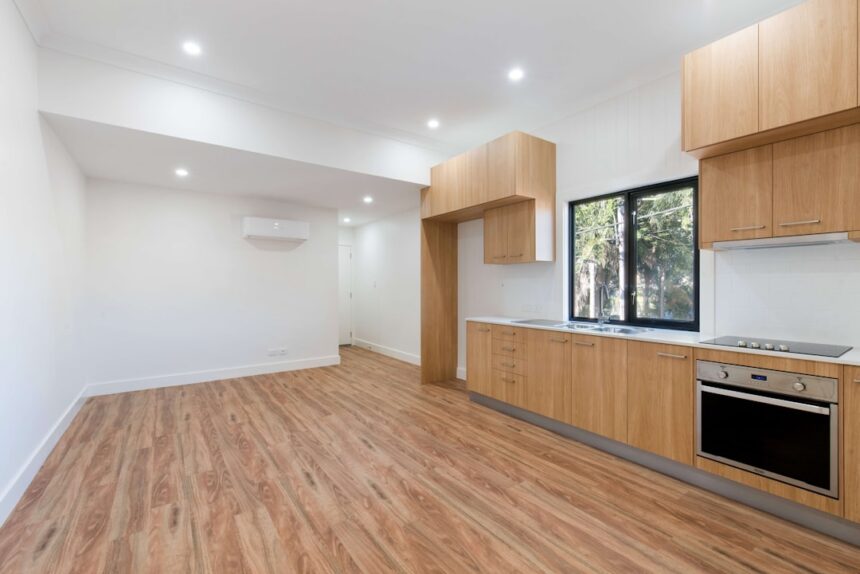
A beautiful and well-maintained floor can invite you to be more present in your home. Instead of focusing on what needs to be fixed, you can appreciate the sensory experience. The quiet elegance of a polished wood floor, the comforting softness of a high-quality carpet, or the smooth durability of well-laid tile can all contribute to a feeling of settledness. This encourages you to inhabit your space more fully, to relax and engage in activities that nurture your well-being, rather than constantly scanning for perceived flaws.
For those on a journey of perfectionism recovery, creating a nurturing environment is essential, and one often overlooked aspect is the quality of the floors in your space. A related article that delves into how the right flooring can contribute to a more calming and productive atmosphere is available at Productive Patty. This resource offers insights into selecting flooring that not only enhances aesthetic appeal but also supports mental well-being, making it a valuable read for anyone looking to foster a more balanced lifestyle.
Disentangling the Thread: How Quality Floors Disrupt Perfectionistic Loops
Perfectionistic tendencies often manifest as a series of self-defeating loops. You set an impossibly high standard, you fall short, you criticize yourself, and then you try even harder, often with renewed rigidity. Quality floors can act as a surprisingly effective disruptor of these loops, offering alternative narratives and sensory experiences.
The Microscopic Magnification of Flaws: A Perfectionist’s Pitfall
For you, the pursuit of perfection can lead to an almost microscopic examination of your surroundings. You might notice every speck of dust, every tiny scratch, every minor inconsistency. This hyper-focus on flaws, when applied to your environment, can become a mental rehearsal for your internal critiques. The external becomes an amplified reflection of your internal state.
The Endless Quest for “Perfect” Cleanliness
If your floors are easily scuffed, stained, or prone to showing every particle, your perfectionism might latch onto them as a constant battleground. You might spend an inordinate amount of time cleaning, or experience anxiety over minor imperfections. This diverts your energy from the core work of overcoming perfectionism and instead channels it into the never-ending, and ultimately futile, pursuit of absolute environmental purity.
The Triggering Effect of Visible Wear and Tear
For the perfectionist, visible wear and tear on a floor can be a potent trigger. It represents something that is no longer “new,” something that has been “used” and thus, in your mind, diminished. This can lead to feelings of dissatisfaction with your home and, by extension, a sense of dissatisfaction with your life, reinforcing the belief that things should always be in pristine condition.
The Quiet Strength of Durability and Resilience
High-quality floors are designed to withstand the rigors of daily life. They possess an inherent strength and resilience that can offer a powerful counter-narrative to your perfectionistic anxieties. When you look at a floor that is meant to last, one that can absorb the inevitable bumps and scrapes of life without significant detriment, you are presented with a tangible example of enduring quality rather than ephemeral flawlessness.
The Acceptance of Imperfection Through Resilience
Durable flooring can teach you the value of resilience. It doesn’t aim for untouchable perfection, but for a sustained, functional beauty that can absorb the wear and tear of everyday living. This can subtly encourage you to adopt a similar mindset towards yourself. You begin to understand that minor blemishes or imperfections do not negate your inherent worth or beauty, much like a slight scuff on a high-quality floor doesn’t render it worthless.
The Shift from Correction to Celebration
When your floors are resilient and aesthetically pleasing, they shift from being a source of anxiety to a source of quiet pride and enjoyment. You are less inclined to constantly scrutinize them for flaws and more likely to appreciate their presence and their contribution to your home’s atmosphere. This is a crucial shift in your focus, moving from a stance of perpetual correction to one of gentle appreciation.
The Sensory Symphony: Quality Floors as a Tool for Mindfulness and Self-Compassion

Mindfulness is the practice of bringing your attention to the present moment, non-judgmentally. Self-compassion involves treating yourself with the same kindness and understanding you would offer a dear friend. Both are vital tools in perfectionism recovery, and quality floors can inadvertently facilitate their practice.
The Glitch in the System: When Every Moment Feels Like a Test
For you, every moment can feel like a test, an opportunity to either succeed flawlessly or fail. This creates a constant internal pressure, making it difficult to simply “be.” Your environment, or aspects of it, can inadvertently amplify this feeling of being under constant scrutiny.
The Overwhelming Nature of a Chaotic Environment
A home that feels chaotic or unkempt can mirror the internal chaos that perfectionism often breeds. The visual and sensory input can become overwhelming, making it nearly impossible to find a quiet space for introspection or to practice mindfulness. You are constantly bombarded with reminders of what is ostensibly “wrong.”
The Struggle for Quietude
If your floors creak excessively, are noisy underfoot, or are prone to other auditory distractions, they can actively disrupt your attempts to find quietude. This makes it harder to engage in activities that promote a calm mind, like meditation or reading, which are essential for self-awareness and emotional regulation.
The Harmony of Sensory Welcome: Flooring as a Gateway to Calm
Quality floors can contribute to a harmonious sensory experience that invites mindfulness and fosters self-compassion. Their subtle cues can guide you towards a more peaceful and accepting state of mind.
The Grounding Effect of Tactile Quality
The texture of your flooring, whether it’s the smooth coolness of polished stone, the warmth of natural wood, or the plush comfort of high-pile carpet, offers a direct tactile experience. Engaging with this tactile quality can be a simple yet powerful form of grounding. When you consciously feel the floor beneath your feet, you are bringing your attention to the present moment, creating a tangible connection to your physical reality. This is a fundamental building block of mindfulness.
The Visual Calm of Understated Elegance
Aesthetically pleasing floors, characterized by clean lines, harmonious colors, and a sense of understated elegance, can create a visual calm within your home. This visual calm can extend to your internal state. Instead of being bombarded by visual clutter, you are met with a soothing visual landscape. This allows your mind to relax, to let go of the need to constantly analyze and correct, and to simply be. This sense of peace is a fertile ground for self-compassion to bloom.
Repercussions of Neglect: The Hidden Costs of Substandard Flooring in Recovery
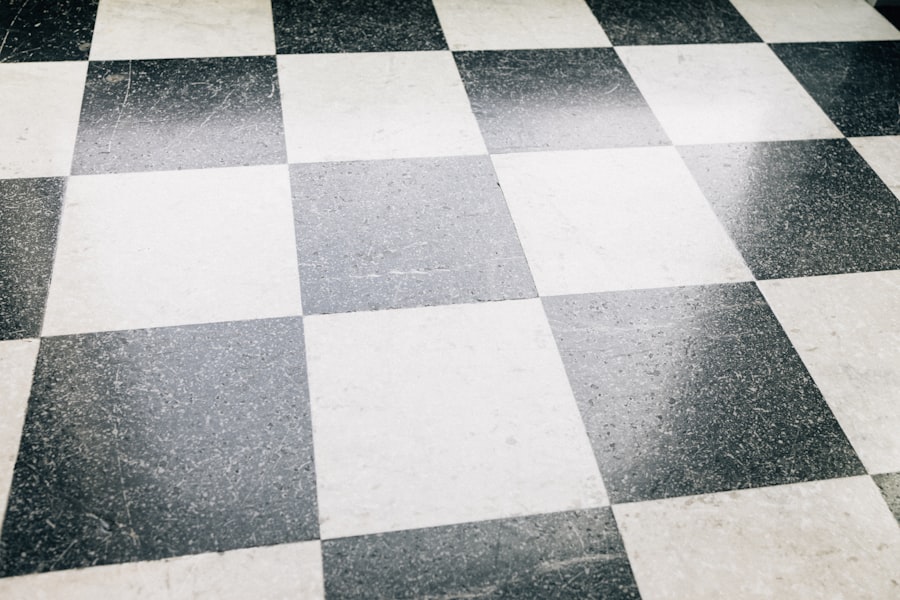
While you might be tempted to overlook your flooring in the grand scheme of perfectionism recovery, its condition can have tangible, negative repercussions on your progress. Ignoring the quality of your floors is like trying to build a sturdy house on a crumbling foundation; it’s an unstable basis for your efforts.
The Indirect Erosion of Well-being
When your floors are in poor condition, they can indirectly erode your well-being in several ways, creating a subtle but persistent drain on your mental and emotional resources.
The Constant Veto Power of Discomfort
Substandard floors can exert a constant “veto power” over your daily activities. You might avoid certain rooms because the floor is uncomfortable to walk on, or you might hesitate to host guests because you are embarrassed by the condition of your flooring. This limits your engagement with your space and with others, which can be isolating and counterproductive to recovery.
The Amplification of Frustration
Dealing with the practical issues of poor flooring – tripping hazards, difficulty cleaning, or aesthetic dissatisfaction – can add another layer of frustration to your life. For someone already prone to frustration due to perfectionistic pressures, this can be the proverbial straw that breaks the camel’s back, leading to heightened reactivity and a setback in your recovery efforts.
The Investment in a Stable Present and Future
Choosing quality flooring is not merely an aesthetic upgrade; it is an investment in the stability and quality of your present environment and, by extension, your mental well-being. It’s a proactive step that supports your recovery.
The Creation of a Sanctuary, Not a Battleground
By investing in quality flooring, you transform your home from a potential battleground of perceived imperfections into a sanctuary of calm and comfort. This shift in perception is crucial. When your home feels like a safe haven, you are more likely to engage in restorative practices and to approach your recovery with a sense of peace.
The Long-Term Ripple Effect of Environmental Support
The benefits of quality flooring extend far beyond immediate aesthetics. Durable, well-maintained floors can contribute to a more peaceful and stable living environment for years to come. This long-term stability provides a consistent backdrop for your ongoing recovery, acting as a gentle, unwavering support system.
For those on a journey of perfectionism recovery, creating a nurturing environment can be incredibly beneficial, and one often overlooked aspect is the quality of the floors in your space. A well-chosen floor can enhance the overall atmosphere, promoting a sense of calm and stability. If you’re interested in exploring how to create a more supportive environment, you might find this article on quality floors particularly insightful. It discusses various flooring options that can contribute to a more peaceful and productive home. You can read more about it here.
The Architect of Your Experience: How Conscious Choices About Flooring Empower Your Recovery
| Metric | Description | Recommended Quality Floor | Impact on Perfectionism Recovery |
|---|---|---|---|
| Self-Compassion Level | Degree of kindness towards oneself during setbacks | Moderate to High | Encourages acceptance and reduces harsh self-criticism |
| Task Completion Rate | Percentage of tasks completed without excessive revision | 70% or higher | Promotes progress over perfection, reducing procrastination |
| Flexibility in Standards | Ability to adjust expectations based on context | Moderate | Helps balance quality with realistic goals |
| Emotional Resilience | Capacity to recover from perceived failures | High | Supports persistence and reduces fear of mistakes |
| Time Spent on Tasks | Average time allocated per task relative to importance | Balanced (Avoid over-investment) | Prevents burnout and encourages efficient work habits |
Ultimately, you are the architect of your own experience, both internally and externally. The choices you make, even seemingly small ones like selecting your flooring, have a profound impact on your journey. By consciously choosing quality, you are actively participating in your own healing process.
The Subconscious Whispers of Your Surroundings
Your subconscious mind is constantly absorbing information from your environment. The quality of your floors sends subconscious messages that can either reinforce your perfectionistic tendencies or offer a gentler, more accepting narrative.
The Silent Endorsement of Mediocrity (or Excellence)
If your floors are worn, damaged, or of poor quality, they can subtly endorse a sense of complacency or a lack of care. Conversely, when you choose well-crafted, durable, and aesthetically pleasing flooring, you are sending a subconscious message of value and self-worth. You are implicitly saying that your environment, and by extension, you yourself, deserve a high standard of quality.
The Invitation to Relaxation and Ease
High-quality floors often convey a sense of comfort and ease. They invite you to relax, to put your feet up, and to simply enjoy your space. This sense of ease is a vital antidote to the constant tension that perfectionism often creates. It provides a welcome counterpoint to the internal pressure you may feel.
The Proactive Step Towards a More Harmonious Self
Choosing quality flooring is a proactive step towards creating a more harmonious self. It’s a tangible manifestation of your commitment to healing and to cultivating a more supportive and nurturing environment for your mental well-being.
The Tangible Symbol of Self-Care
When you invest in quality flooring, you are making a tangible investment in your own comfort and well-being. This act of self-care, even if it originates from a practical decision, can have profound psychological benefits. It signals to yourself that you are worthy of a beautiful, comfortable, and supportive living space.
The Foundation for Flourishing
Just as a strong foundation is essential for a building to stand tall and endure, quality flooring can serve as a foundational element for your personal flourishing. It creates a stable, beautiful, and comfortable base from which you can continue to grow, heal, and thrive. Your recovery is not just about internal shifts; it’s also about creating an external environment that actively supports those shifts. By paying attention to the quality of your floors, you are not just decorating your home; you are building a better foundation for your recovery.
FAQs
What types of flooring are best suited for individuals recovering from perfectionism?
Quality floors that offer durability, easy maintenance, and a clean appearance are ideal. Options like hardwood, laminate, and luxury vinyl provide smooth, consistent surfaces that can help create a calming environment conducive to recovery.
How can quality flooring contribute to the recovery process from perfectionism?
Quality flooring can enhance a sense of order and cleanliness, reducing stress and anxiety often associated with perfectionism. A well-maintained floor can promote a peaceful atmosphere, encouraging mindfulness and relaxation.
Are there specific flooring materials that help reduce stress for perfectionism recovery?
Yes, natural materials such as bamboo or cork flooring are known for their warm, soft textures and sound-absorbing qualities, which can create a soothing environment. These materials can help reduce sensory overload and promote mental well-being.
What maintenance practices are recommended to keep floors in optimal condition during recovery?
Regular cleaning with gentle, non-toxic products, prompt attention to spills or damage, and periodic professional maintenance can keep floors looking their best. Consistent care supports a tidy environment, which is beneficial for individuals working on perfectionism recovery.
Can the choice of flooring impact the overall mental health of someone recovering from perfectionism?
Yes, the right flooring can positively influence mental health by providing a stable, aesthetically pleasing foundation that supports a calm and organized living space. This can help reduce obsessive tendencies and promote a balanced mindset during recovery.