
The landscape of your professional life, once a well-defined terrain, can be dramatically reshaped by setbacks. A layoff, a failed venture, a reassignment to a role that diminishes your impact – these are seismic events that not only disrupt your career trajectory but also dismantle elements of your identity. You find yourself standing amidst the rubble of what was, grappling with the disorientation of what now is. This article provides a comprehensive guide to understanding and rebuilding your professional identity after experiencing such adversities.
Professional identity is not merely a collection of job titles or a list of accomplishments on a resume. It is a deeply ingrained framework comprising your skills, values, passions, and the narrative you construct around your work. When setbacks occur, this framework can be severely compromised, leading to a sense of loss and uncertainty.
The Psychological Impact of Professional Setbacks
Your initial reaction to a setback is often a cascade of negative emotions. You may experience anger, sadness, fear, and a profound sense of injustice. Psychologically, setbacks can trigger a reevaluation of your self-worth. If your identity was heavily intertwined with a specific role or achievement, its loss can feel like a personal amputation.
- Grief and Loss: You are grieving not only the loss of a job or opportunity but also the loss of a future you had envisioned and the camaraderie of colleagues. This grief process is analogous to mourning any significant loss in your life.
- Self-Doubt and Imposter Syndrome: Even if you were highly competent in your previous role, setbacks can sow seeds of doubt. You may question your abilities, your judgment, and your suitability for future endeavors. This can manifest as imposter syndrome, where you feel like a fraud despite evidence to the contrary.
- Shame and Embarrassment: Societal pressures often equate professional success with personal value. Consequently, you might experience shame or embarrassment, fearing judgment from others or internalizing the setback as a personal failing.
Deconstructing Your Professional Self
To rebuild, you must first understand what has been eroded. Consider your professional identity as a mosaic, each tessera representing a skill, a value, a passion, or a relationship. A setback can shatter parts of this mosaic, leaving gaps and disconnections.
- Skill-Based Identity: Were you defined by a particular technical expertise or a specific leadership capability? The loss of an environment where these skills were valued can make you feel directionless.
- Role-Based Identity: Did your identity strongly derive from being “the CEO,” “the head of marketing,” or “the lead engineer”? When that role is stripped away, you may struggle to define yourself without it.
- Organizational Identity: For many, a significant part of their professional identity is tied to the company they work for. The culture, the mission, and the collective purpose become interwoven with your sense of self. Severing this tie can leave a void.
Building a resilient identity after professional failure is crucial for personal growth and future success. An insightful article that explores this topic in depth can be found at Productive Patty. This resource offers practical strategies and inspiring stories that can help individuals navigate the challenges of setbacks and emerge stronger, fostering a mindset that embraces resilience and adaptability in the face of adversity.
Acknowledging and Processing the Experience
Before you can construct a new professional identity, you must genuinely acknowledge and process the impact of your recent experiences. This is not a passive process but an active engagement with your emotions and a critical assessment of the situation.
Allowing for Grief and Reflection
Resist the urge to immediately jump back into the fray. Just as a physical wound requires time to heal, so too does the psychological impact of a professional setback. Grant yourself permission to grieve.
- Journaling: Document your thoughts and feelings without judgment. This can be a cathartic exercise, helping you to externalize and understand your emotional landscape.
- Seeking Support: Connect with trusted friends, family, or mentors. Sharing your experience can alleviate feelings of isolation and provide different perspectives. Consider professional therapy if you find yourself struggling with persistent negative emotions or an inability to cope.
- Mindfulness and Meditation: Practices like mindfulness can help you observe your thoughts and emotions without becoming overwhelmed by them. This cultivates a sense of inner calm amidst external turmoil.
Deconstructing the Narrative of Failure
Often, setbacks are immediately framed as “failures.” You must challenge this narrative. A setback is an event, a circumstance, not a definitive judgment of your worth or capabilities.
- Objective Analysis: Examine the events leading to the setback as objectively as possible. What factors were within your control? What factors were external? Distinguish between genuine missteps and circumstances beyond your influence.
- Learning Opportunities: Every setback, however painful, contains valuable lessons. What did you learn about your industry, your organization, your roles, or – most importantly – yourself? Frame these lessons as assets, not liabilities. This reframing is akin to a sculptor observing a flawed block of marble, understanding that the flaws can inform a new, more resilient creation.
- Separating Self from Outcome: Your identity is distinct from the outcome of a particular professional endeavor. A project’s failure does not mean you are a failure. This distinction is crucial for maintaining self-esteem.
Re-evaluating Your Core Values and Passions
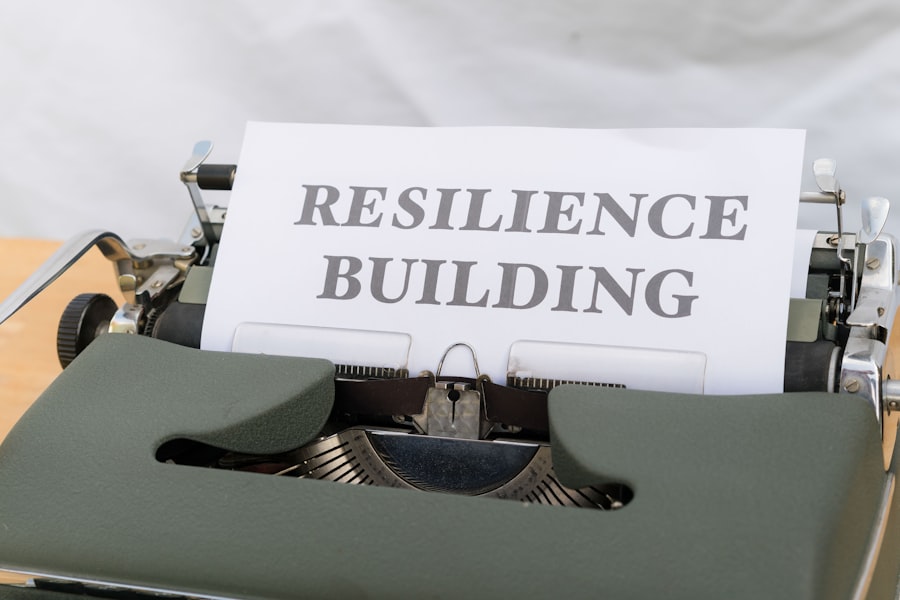
The crucible of a professional setback offers a unique opportunity for introspection. It forces you to peel back the layers of societal expectations and external pressures to rediscover what truly drives you.
Identifying Unmet Needs and Desires
Often, people pursue careers that are misaligned with their intrinsic values or neglect their deeper passions. A setback can illuminate these discrepancies.
- What Truly Energizes You?: Beyond the paycheck or the prestige, what aspects of work genuinely excite and engage you? Consider past projects, volunteer experiences, or even hobbies where you felt a profound sense of purpose.
- What are Your Non-Negotiables?: What are the fundamental principles (e.g., integrity, autonomy, collaboration, social impact) that you refuse to compromise on in a professional context? These values form the bedrock of your authentic professional identity.
- The “Why” Beyond the “What”: Instead of focusing solely on what you do, delve into the “why” behind your contributions. Understanding your deeper motivations can guide you toward more fulfilling paths.
Exploring New Avenues and Possibilities
With a clearer understanding of your values and passions, you are better equipped to explore new professional avenues that align more closely with your authentic self. The setback, once a wall, can become a doorway to unexplored territories.
- Skill Audit and Transferability: Beyond your primary professional skills, what other aptitudes have you developed? Consider soft skills like communication, problem-solving, and adaptability. How can these be applied in different industries or roles?
- Networking with Intent: Rather than simply seeking job leads, engage in conversations with individuals in diverse fields. Ask about their work, their challenges, and their own career paths. This exploratory networking can broaden your understanding of the professional landscape.
- Upskilling and Reskilling: If your current skill set is no longer in demand or you wish to transition into a new area, invest in learning new skills. Online courses, certifications, workshops, or even academic programs can provide the necessary tools for reinvention.
Constructing a New Narrative

Your professional identity is fundamentally a story you tell yourself and others about who you are, what you do, and why it matters. After a setback, your old narrative may no longer serve you. You must become the author of a new, more resilient, and authentic story.
Crafting Your Re-entry Story
When interviewing or networking, resist the urge to gloss over your setback or cast yourself as a victim. Instead, craft a narrative that demonstrates resilience, learning, and growth.
- Acknowledge and Explain: Briefly and factually explain the circumstances of the setback. Avoid excessive detail or emotional language.
- Focus on the Lessons Learned: Emphasize what you gained from the experience. How did it make you stronger, more adaptable, or more insightful? This demonstrates self-awareness and a growth mindset.
- Future-Oriented Perspective: Pivot quickly to your excitement for future opportunities and how your newfound insights will contribute to your success in a new role.
Developing a Growth Mindset
A growth mindset, as distinct from a fixed mindset, allows you to view challenges and setbacks as opportunities for development rather than insurmountable obstacles. This perspective is vital for rebuilding your identity.
- Embrace Imperfection: Understand that setbacks are a natural part of any career journey. They do not diminish your potential but rather refine it.
- Focus on Effort and Process: Celebrate your efforts and the learning process, not just the ultimate outcome. This builds resilience and self-compassion.
- Seek Feedback, Not Validation: Actively solicit constructive criticism to identify areas for improvement. View feedback as a gift that helps you refine your skills and approach.
Building a resilient identity after professional failure is essential for personal growth and future success. Many individuals struggle to regain their confidence and redefine their self-worth following setbacks in their careers. A related article that offers valuable insights on this topic can be found at Productive Patty, where the importance of embracing failure as a stepping stone to resilience is discussed. By learning to view challenges as opportunities for development, one can cultivate a stronger sense of self and emerge more empowered in their professional journey.
Embracing Adaptability and Continual Evolution
| Metric | Description | Measurement Method | Typical Range | Importance Level |
|---|---|---|---|---|
| Self-Esteem Recovery Rate | Speed at which self-esteem returns to baseline after failure | Self-report scales (e.g., Rosenberg Self-Esteem Scale) over time | 2-6 weeks | High |
| Growth Mindset Adoption | Degree to which individual embraces learning from failure | Mindset questionnaires (e.g., Dweck’s Mindset Scale) | Moderate to High | High |
| Social Support Utilization | Frequency and quality of seeking support from peers and mentors | Self-report logs and social network analysis | Weekly to bi-weekly interactions | Medium |
| Resilience Score | Overall psychological resilience level | Validated scales (e.g., Connor-Davidson Resilience Scale) | 30-40 (out of 50) | High |
| Re-engagement Time | Time taken to pursue new professional goals after failure | Self-report and activity tracking | 1-3 months | Medium |
| Emotional Regulation Ability | Capacity to manage negative emotions post-failure | Psychological assessments and self-report | Moderate to High | High |
| Identity Clarity | Degree of clear self-concept after failure | Identity clarity scales and interviews | Increasing over time | High |
The modern professional landscape is characterized by constant change. Your identity, therefore, cannot be a static monument but rather a dynamic, adaptable entity that evolves with your experiences and the shifting demands of the world.
Recognizing Identity as a Fluid Concept
Your professional identity is not a final destination but an ongoing journey. What defines you professionally today may not be the same five or ten years from now, and that is a strength, not a weakness.
- Diversify Your Identity Portfolio: Avoid putting all your “identity eggs” in one professional basket. Cultivate multiple facets of your identity – as a professional, a family member, a community volunteer, a hobbyist – so that a disruption in one area does not dismantle your entire sense of self.
- Embrace Experimentation: Be open to trying new roles, industries, or even starting small side projects. These experiments can provide valuable insights into what aligns with your evolving self. Your personal identity is a garden; tending to it requires planting new seeds and sometimes pruning old branches.
- Regular Self-Audits: Periodically reflect on your career trajectory, your work satisfaction, and your personal growth. Are you still aligned with your values? Are you continuing to learn and evolve?
Building Resilience for Future Challenges
Rebuilding your identity after a setback is not just about recovering from the past; it is about fortifying yourself for the future. You are constructing a new, more robust psychological framework.
- Acknowledge Your Strength: Recognize the inherent strength and courage it takes to navigate a professional setback and embark on a path of reinvention. This self-awareness builds confidence.
- Develop a Support Network: Cultivate a strong network of professional and personal relationships that can offer encouragement, advice, and practical assistance during challenging times.
- Maintain a Long-Term Perspective: Remember that setbacks are often temporary detours, not permanent roadblocks. Maintain a broader vision of your career and life goals, understanding that the current moment is just one chapter in a much longer story.
By systematically addressing the erosion of your identity, processing your experiences, re-evaluating your core values, constructing a new narrative, and embracing adaptability, you transform a period of professional adversity into a catalyst for profound personal and professional growth. You emerge not merely recovered, but reinvented – stronger, more self-aware, and better equipped to navigate the ever-evolving currents of your professional life.

STOP The Identity Lie Killing Your Focus
FAQs
What does it mean to build a resilient identity after professional failure?
Building a resilient identity after professional failure involves developing the mental and emotional strength to recover from setbacks, learn from mistakes, and maintain a positive sense of self-worth despite challenges in one’s career.
Why is resilience important after experiencing professional failure?
Resilience is important because it helps individuals cope with disappointment, adapt to change, and continue pursuing their goals without being defined or limited by past failures.
What are some effective strategies to build resilience after a career setback?
Effective strategies include reflecting on the experience to identify lessons learned, seeking support from mentors or peers, setting realistic goals for improvement, maintaining a growth mindset, and practicing self-compassion.
How can professional failure impact one’s identity?
Professional failure can challenge an individual’s self-esteem and confidence, potentially leading to feelings of inadequacy or self-doubt. However, it can also serve as an opportunity for personal growth and redefining one’s professional identity.
Can building a resilient identity improve future career success?
Yes, building a resilient identity can improve future career success by enabling individuals to handle obstacles more effectively, stay motivated, and continuously develop their skills and professional relationships.