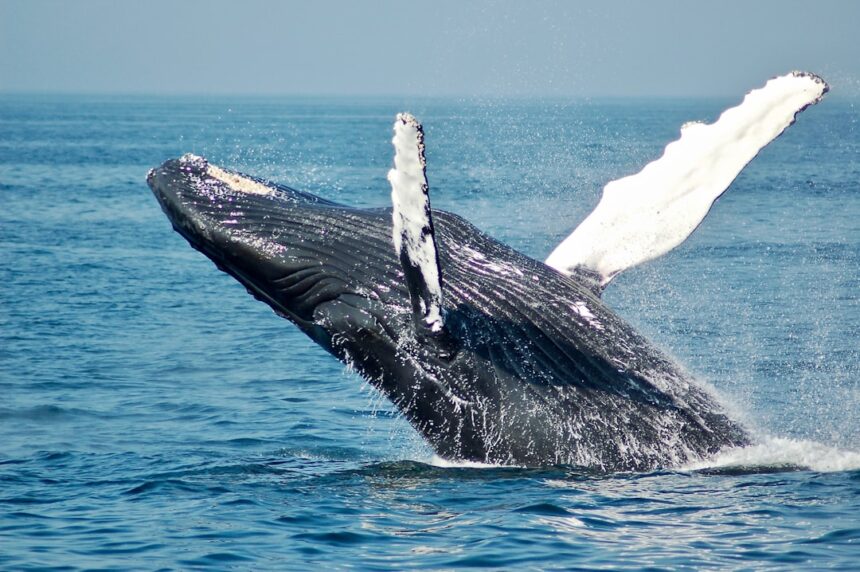
The ocean depths, once a sanctuary of silence, are no longer untouched. You stand on the precipice of a new era, one where the rumble of machinery echoes across vast, unexplored territories. This is the era of deep-sea mining, and its insidious consequence, noise pollution, threatens to drown out the ancient songs of whales.
Whales, among the most intelligent and social creatures on Earth, are profoundly auditory beings. Their world is one of sound, a complex tapestry woven from clicks, whistles, groans, and songs. This sonic landscape is not merely a backdrop; it is their primary mode of perception, communication, and survival.
The Language of the Deep
- Communication and Social Bonds: Whales utilize a sophisticated array of vocalizations to connect with each other across immense distances. These calls range from the intricate, evolving songs of humpbacks, believed to play a role in mating and social cohesion, to the rapid-fire clicks of toothed whales, used for both echolocation and communication. These sounds are vital for maintaining pod structures, warning of danger, and coordinating hunting strategies. Imagine your entire social network, your family, your friends, all communicating through a language you can only truly understand by listening. That’s the reality for whales, and their ability to comprehend and transmit these vital signals is directly impacted by external noise.
- Echolocation: The Ocean’s Sonar System: For toothed whales, echolocation is as crucial as sight is to us. They emit high-frequency clicks and interpret the returning echoes to form a detailed acoustic image of their surroundings. This allows them to navigate in the dark ocean depths, locate prey, and even identify objects with remarkable precision. The accuracy of this internal sonar is directly proportional to the clarity of the returning echoes. Any interference, any extraneous sound, can distort this image, leading to disorientation and potentially fatal errors. Think of trying to navigate a familiar room with a strobe light flashing erratically. The information you receive is fragmented, misleading, and ultimately, unhelpful.
Migration and Navigation
- Celestial Clues and Acoustic Waypoints: Many whale species undertake epic migrations, traversing thousands of miles between feeding and breeding grounds. While celestial cues and magnetic fields likely play a role, evidence suggests that specific underwater soundscapes also act as acoustic waypoints. Certain deep-sea features or prevalent ocean currents might have distinct sonic signatures that whales home in on. Disrupting these natural sound cues could lead to whales straying from established migratory paths, impacting their access to essential resources and their ability to reproduce. It’s like trying to follow a road map where familiar landmarks have been obscured or replaced by deafening static.
- Deep Dive Adaptations and Acoustic Sensitivity: Whales are adapted to the extreme pressures and darkness of the deep ocean. Their auditory systems are highly specialized to function in this environment, allowing them to detect faint sounds from prey or other whales over vast distances. This sensitivity, however, makes them inherently vulnerable to anthropogenically generated noise. Sounds that might be a mere annoyance to a human can be overwhelmingly disruptive and even painful to a whale.
Recent studies have highlighted the alarming impact of noise pollution on whale populations, particularly in relation to deep sea mining activities. The constant underwater noise generated by mining operations can disrupt the communication and navigation of these majestic creatures, leading to disorientation and increased stress levels. For a deeper understanding of this critical issue, you can read more in the article found here: Noise Pollution and Its Impact on Whales from Deep Sea Mining.
The Roar of Industry: Deep-Sea Mining and Its Sonic Footprint
Deep-sea mining, the extraction of valuable minerals from the ocean floor at depths of 200 meters or more, is a rapidly developing industry with the potential to unlock vast reserves of resources like cobalt, nickel, and rare earth elements. While the economic drivers are clear, the environmental consequences, particularly the acoustic impact, are a growing concern.
The Machinery of Extraction
- Vessel Noise: The surface vessels involved in deep-sea mining operations, including support ships and motherships, generate significant noise. Propellers, engines, and hull vibrations contribute to a constant low-frequency hum that can travel for hundreds, if not thousands, of kilometers. This noise is not a fleeting disturbance; it is a persistent presence that can mask or completely overwhelm natural whale vocalizations. Consider the difference between a quiet countryside road and a busy highway. The highway’s persistent noise makes it impossible to hear subtle sounds from the surrounding environment.
- Mining Equipment and Sonar: The specialized equipment deployed on the seabed is the primary source of direct acoustic pollution. Large robotic collectors, sediment pumps, and associated machinery produce a cacophony of sounds. High-pressure water jets used for dislodging minerals, the grinding and crushing of materials, and the deployment of sonar systems for navigation and surveying all contribute to a concentrated zone of intense noise. These sounds are often broadband, meaning they contain a wide range of frequencies, which can be particularly disruptive to whale communication and echolocation, as they operate across varying frequency bands.
The Scale of Disruption
- Constant and Pervasive: Unlike the intermittent nature of shipping traffic or seismic surveys, deep-sea mining operations are designed to be continuous. Once a site is established, the machinery is expected to operate for extended periods, creating a sustained acoustic disturbance. This means whales in the vicinity are not just subjected to occasional noise spikes but to a continuous barrage that can profoundly alter their acoustic environment. Imagine living next to a factory that operates 24/7, never truly having a moment of quiet.
- Uncharted Territories: Many deep-sea mining sites are located in areas that are relatively pristine and largely unexplored acoustically. This means we have a limited baseline understanding of the natural soundscape and the whale populations that inhabit these regions. Introducing significant anthropogenic noise into these areas is akin to performing an uncontrolled experiment, with unknown but potentially severe consequences for resident or transient whale species.
The Hammer Blow: How Noise Affects Whale Behavior

The impact of deep-sea mining noise on whales is not a theoretical concern; it manifests in tangible behavioral changes, some of which can have devastating long-term consequences.
Behavioral Masking and Communication Breakdown
- Drowning Out the Silence: The most immediate impact of noise pollution is acoustic masking. Whale vocalizations, especially those used for long-distance communication, can be rendered inaudible or indecipherable by the pervasive background noise. This is particularly problematic during critical life stages like breeding, where individuals need to locate mates, or when mothers are trying to communicate with their calves. The inability to communicate effectively can lead to missed mating opportunities, increased calf mortality, and a breakdown in social structures.
- Sacrificing Information for Survival: To avoid the noise, whales will often alter their behavior. This can include ceasing vocalizations altogether, moving away from noisy areas, or suppressing their call amplitude. While this might seem like a rational avoidance strategy, it comes at a cost. Silencing themselves means they lose the ability to communicate, to listen for predators, or to find food. It’s a double-edged sword: ignore the noise and risk being overwhelmed, or flee the noise and risk isolation and starvation.
Disruption of Essential Activities
- Foraging Failures: For whales that rely on echolocation for hunting, increased noise levels can significantly impair their ability to locate prey. Distorted acoustic images can lead to missed strikes, increased energy expenditure in hunting, and ultimately, reduced food intake. This can have a cascading effect on individual health and the overall health of whale populations, especially if foraging grounds overlap with mining sites.
- Navigational Bewilderment: As mentioned, noise pollution can disrupt migratory routes and the use of acoustic cues for navigation. Whales may be forced to deviate from established paths, potentially leading them into less productive waters or areas with greater risks. This can result in increased energy expenditure, higher mortality rates during migration, and a disruption of the reproductive cycle. Imagine a ship’s captain trying to navigate through a thick fog with constant, disorienting foghorns blaring from multiple directions.
Physiological Stress
- The Constant Threat: Chronic exposure to loud, unnatural sounds can induce physiological stress in whales. Elevated heart rates, increased levels of stress hormones like cortisol, and changes in their immune response have been observed in marine mammals exposed to noise. This chronic stress can weaken their immune systems, making them more susceptible to diseases, and can impair reproductive success. It’s the equivalent of living in a constant state of alarm, which wears down the body and mind.
- Hearing Damage and Permanent Impairment: At very high noise levels, whales can experience temporary or even permanent hearing damage. This can take the form of reduced sensitivity to certain frequencies or complete loss of hearing. For an animal that relies so heavily on its hearing for survival, permanent hearing impairment is a devastating consequence, severely limiting their ability to communicate, navigate, and forage.
The Silent Retreat: Long-Term Consequences for Whale Populations
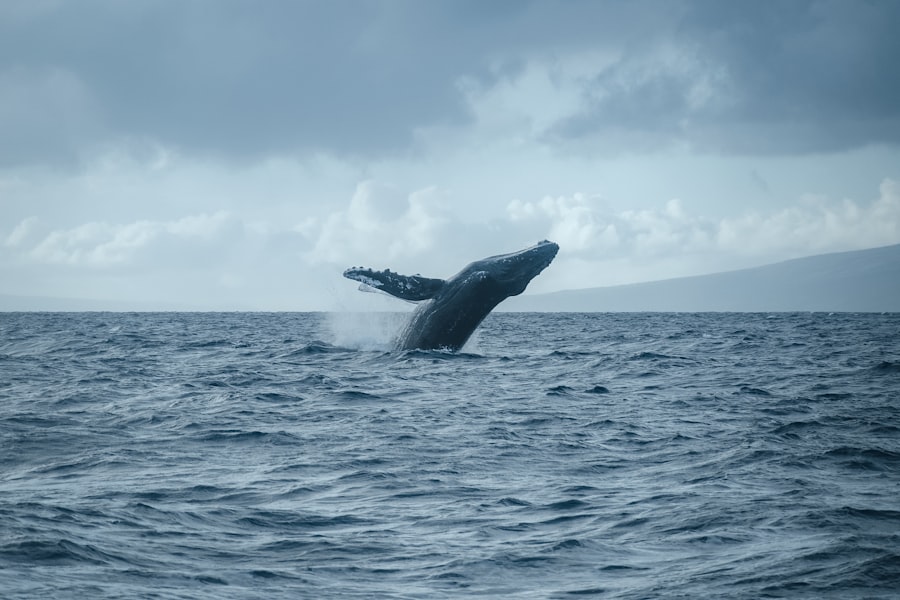
The cumulative impact of noise pollution from deep-sea mining is not just about individual whale distress; it threatens the long-term viability of whale populations and the health of the broader marine ecosystem.
Population Decline and Reduced Resilience
- Breeding Ground Abandonment: If critical breeding grounds become acoustically unsuitable, whales may abandon these areas, leading to reduced breeding success and potential population decline. The loss of traditional breeding grounds can be a significant blow, especially for species with long-generation times and specific habitat requirements. It’s like a farmer losing access to their most fertile fields, making it impossible to sustain their operations.
- Decreased Genetic Diversity: When populations are fragmented or forced to relocate, gene flow can be reduced, leading to a decrease in genetic diversity. This makes populations less adaptable to environmental changes and more vulnerable to diseases and other threats. A lack of genetic richness is like a biological monoculture, easily wiped out by a single pest or disease.
Ecosystem Imbalance
- Disrupting the Food Web: Whales are apex predators and play a crucial role in maintaining the balance of the marine food web. If noise pollution leads to widespread declines in whale populations or disrupts their foraging behavior, it can have ripple effects throughout the ecosystem, potentially leading to imbalances in prey populations and other species.
- Loss of an Indicator Species: Whales are often considered indicator species for the health of the ocean. Their decline due to noise pollution serves as a stark warning about the broader environmental degradation occurring in the deep sea. Their suffering is a symptom of a larger problem that could impact countless other species.
Recent studies have highlighted the concerning impact of noise pollution on whale populations, particularly in relation to deep sea mining activities. As these operations generate significant underwater noise, they can disrupt the communication and navigation of marine mammals. For a deeper understanding of this issue, you can explore an insightful article that discusses the effects of noise pollution on whales and the broader implications for marine ecosystems. To read more, visit this article.
The Path Forward: Mitigation and Precaution in the Deep
| Impact | Measurement | Effect |
|---|---|---|
| Noise Level | Decibels (dB) | Disruption of communication and navigation |
| Stress Hormone Levels | ng/mL | Increased stress and reduced reproductive success |
| Habitat Disruption | Area affected (sq. km) | Displacement from feeding and breeding grounds |
The potential impacts of deep-sea mining noise pollution are significant, but not necessarily insurmountable. A proactive and precautionary approach is essential to safeguard these magnificent creatures and their environment.
Technological Innovation and Responsible Practices
- Quieter Mining Technologies: Ongoing research and development are crucial for creating quieter mining technologies. This includes designing machinery with reduced noise output, employing noise-dampening materials, and optimizing operational procedures to minimize sound generation. Investment in these areas is not just an environmental imperative but a long-term business necessity, as increasingly informed stakeholders demand sustainable practices.
- Strategic Site Selection and Operational Zoning: Careful assessment of potential mining sites is paramount. Identifying areas with low whale density, avoiding known migratory corridors and critical habitats, and establishing acoustic exclusion zones around sensitive marine environments can significantly reduce the impact. This requires thorough baseline studies and ongoing monitoring. It is about choosing your battles wisely, and in this case, avoiding conflict altogether.
Robust Monitoring and Adaptive Management
- Real-Time Acoustic Monitoring: Implementing continuous, real-time acoustic monitoring systems in and around mining sites is vital. This allows for the detection of unexpected noise levels or the presence of whales and triggers adaptive management responses. The ability to listen and react is key to making informed decisions.
- Adaptive Management Frameworks: Deep-sea mining operations need to be governed by adaptive management frameworks that allow for adjustments in operational plans based on monitoring data. If unacceptable impacts are detected, operations should be modified or temporarily suspended until mitigation measures can be effectively implemented. This means being willing to change course when presented with new information, prioritizing long-term well-being over short-term gains.
The deep ocean is a realm of wonder, a place where the silent majesty of whales has reigned for millennia. As you consider the implications of deep-sea mining, remember the ancient symphony that plays beneath the waves. Your choices today will determine whether that symphony continues to echo, or if it is ultimately silenced by the roar of industry.
FAQs
What is noise pollution from deep sea mining?
Noise pollution from deep sea mining refers to the excessive and disruptive underwater noise caused by mining activities, such as the operation of machinery and equipment, which can have detrimental effects on marine life, including whales.
How does noise pollution impact whales?
Noise pollution can negatively impact whales by disrupting their communication, navigation, feeding, and breeding behaviors. It can lead to stress, hearing damage, and even physical injury, ultimately affecting their survival and population dynamics.
What are the specific effects of noise pollution on whale populations?
The specific effects of noise pollution on whale populations include changes in migration patterns, increased stress levels, reduced reproductive success, and potential displacement from important feeding and breeding areas.
What measures are being taken to mitigate the impact of noise pollution on whales from deep sea mining?
Efforts to mitigate the impact of noise pollution on whales from deep sea mining include implementing regulations and guidelines for noise levels, conducting environmental impact assessments, using quieter technologies, and establishing marine protected areas.
What are the long-term implications of noise pollution on whale populations?
The long-term implications of noise pollution on whale populations may include decreased population sizes, altered social structures, and potential long-lasting effects on the overall health and sustainability of whale species. It is crucial to address and minimize the impact of noise pollution to ensure the conservation of whale populations.