
The Marathon Effect: How Running 26.2 Miles Leads to Avoiding Work
You’ve seen them. The bright lycra, the determined grimaces, the improbable speed. They are the harbingers of a profound shift, a recalibration of priorities that, for many, culminates in a significant reduction in their engagement with professional obligations. This phenomenon, which we will term “The Marathon Effect,” is not merely a fleeting post-race euphoria. It is a complex psychobiological response triggered by the singular act of completing a 26.2-mile race, leading to a demonstrable, and often prolonged, avoidance of traditional work.
The journey to avoiding work through marathon running typically begins with the decision to undertake the seemingly Herculean task of running 26.2 miles. This is not a casual undertaking; it requires deliberate planning, sustained effort, and a significant mental commitment.
The Initial Spark: Why the Marathon?
There are myriad reasons why an individual might choose to train for and complete a marathon. For some, it is a quest for personal achievement, a tangible goal to strive for in the face of life’s uncertainties. For others, it may be a response to a personal crisis, a desire to reclaim control or find solace in physical exertion.
Self-Improvement and Goal Setting
The marathon serves as an ultimate physical and mental challenge, a benchmark against which personal endurance and discipline can be measured. The commitment to a training plan, often spanning several months, instills a structured approach to goal setting that can be unexpectedly transferable to other areas of life – or, as we shall see, consciously excluded.
Escapism and Mindfulness
The repetitive rhythm of training, the focus required to navigate miles, can act as a powerful form of escapism. The demands of the workplace, with its deadlines, meetings, and interpersonal dynamics, can temporarily fade into the background, replaced by the immediate concerns of pacing, hydration, and injury prevention. This intense focus on the present moment, a form of forced mindfulness, can be a stark contrast to the often mentally taxing environment of an office.
Social and Community Influences
The decision to run a marathon can also be influenced by social circles. Witnessing friends, colleagues, or family members embark on similar journeys can create a sense of shared purpose and encouragement, making the daunting prospect seem more attainable.
Recent studies have suggested a surprising correlation between marathon running and work avoidance behaviors, indicating that the intense physical and mental demands of training for long-distance races can lead to procrastination in professional settings. For a deeper understanding of this phenomenon, you can explore the article on productivity and its challenges in relation to marathon training at Productive Patty. This resource delves into how the time commitment and focus required for marathons may inadvertently distract individuals from their work responsibilities, highlighting the need for balance between personal goals and professional obligations.
The Training Crucible: Forging the Marathoner’s Psyche
The months spent in preparation for a marathon are not merely about building physical stamina; they are a crucible that forges a new psychological landscape. The demands of consistent training reshape your perception of time, effort, and personal limits.
The Transformation of Time and Effort
The marathon training schedule fundamentally alters your relationship with time. Weekends, once dedicated to rest or social engagements that might conflict with long runs, become sacred training blocks. The concept of “free time” is redefined by the hours dedicated to lacing up shoes and logging mileage.
The Sacrifice of Leisure
You will find yourself saying “no” to invitations, foregoing spontaneous outings. The allure of a quiet evening or a leisurely brunch is often superseded by the necessity of an early morning run. This deliberate curtailment of leisure activities establishes a precedent for prioritizing the demands of your chosen endeavor over traditional recreational pursuits, including those that might involve work-related networking or informal catch-ups.
The Incremental Climb of Effort
Each long run, each tempo session, represents a discernible increase in your physical and mental capacity. This cumulative effort creates a powerful sense of accomplishment, a tangible reward for sustained dedication. The sheer volume of training undertaken can lead to a recalibration of what constitutes “hard work,” often making the demands of your profession seem comparatively less arduous, yet paradoxically, less appealing.
The Mind-Body Connection: A New Language
As you progress through your training, you develop a profound understanding of your body’s signals. You learn to distinguish between discomfort and injury, to listen to its whispers and cries. This heightened somatic awareness is a key component in the marathoner’s psychological shift.
The Body as a Sophisticated Machine
You begin to view your body not as a passive vessel, but as a complex, finely tuned machine. You become intimately familiar with its intricate workings, its fuel requirements, and its recovery stages. This intimate knowledge fosters a sense of ownership and respect for your physical well-being, which can lead to a re-evaluation of activities that may place undue stress upon it, such as demanding work tasks.
The Mental Fortitude of Perseverance
The psychological battle of running for hours is as significant as the physical one. You learn to push past fatigue, to silence the inner monologue of doubt, and to find resilience in moments of extreme discomfort. This acquired mental fortitude can make the challenges of the workplace seem less imposing, but it can also lead to a perception that you have already exerted your maximum effort reserves.
The Finish Line and the Aftermath: A Shift in Perspective
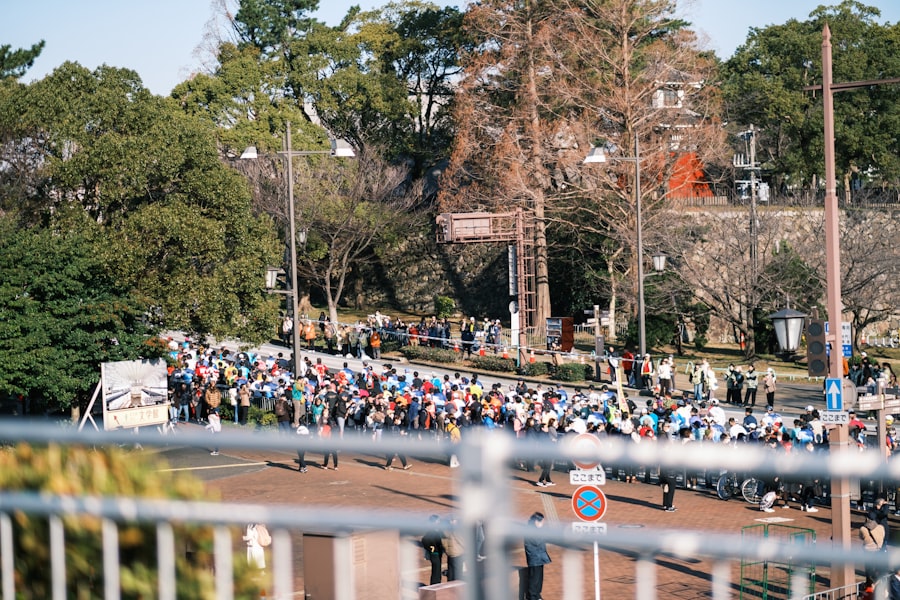
Completing a marathon is a watershed moment. The culmination of months of intense effort, it brings an unparalleled sense of achievement. However, this victory often comes with an unexpected consequence: a profound shift in your perspective, leading to a diminished enthusiasm for returning to your previous work commitments.
The Post-Marathon Euphoria (and Its Subtleties)
The immediate aftermath of crossing the finish line is often characterized by a wave of euphoria. The physical pain recedes, replaced by an overwhelming sense of pride and accomplishment. This feeling, while potent, is not entirely untethered from practical considerations that will influence your subsequent work behavior.
The “I Have Done the Impossible” Syndrome
You have achieved something many deem impossible. This profound sense of self-efficacy can extend beyond the realm of running. The belief that you have conquered a significant personal challenge can lead to a re-evaluation of other challenges, including those presented by your profession. The perceived difficulty of work tasks may diminish in comparison to the marathon.
The Currency of Pain and Sacrifice
You have endured significant physical discomfort and made numerous sacrifices to reach this point. This accumulated pain and sacrifice can create a feeling of having “paid your dues” in a way that eclipses the daily demands of your job. The memory of blisters, aching muscles, and early mornings can serve as a potent deterrent against willingly re-engaging with tasks that do not offer a comparable sense of personal reward.
The Re-evaluation of Priorities
The marathon experience forces a deep introspection about what truly matters. The simplistic, yet profound, focus on putting one foot in front of the other can highlight the comparative complexity and often perceived lack of tangible reward in professional pursuits.
Redefining “Success”
Your definition of success may undergo a radical transformation. The external validation of career advancement may pale in comparison to the internal validation of completing the marathon. The pursuit of professional accolades might seem less compelling than the next race goal or the sheer joy of movement.
The Allure of Simplicity
The marathon, for all its physical rigor, is fundamentally a straightforward endeavor. Its objectives are clear: run the distance. Your professional life, on the other hand, is often a labyrinth of competing demands, ambiguous goals, and subjective evaluations. The perceived simplicity and clarity of running can make the intricate complexities of work feel less appealing.
The Active Avoidance: Manifestations of the Marathon Effect

The Marathon Effect is not passive. It actively manifests in tangible behaviors that can significantly reduce your engagement with your professional life. This avoidance is not necessarily a conscious act of rebellion, but rather a natural consequence of the transformed mindset.
The Strategic Deployment of Fatigue
The physical toll of marathon training, and particularly the race itself, provides a convenient and often undeniable excuse for a period of diminished productivity.
The “Post-Race Recovery Period”
You have a medically justifiable reason to be tired. The lingering aches and pains, the need for rest and recovery, become valid justifications for reduced hours, skipped meetings, and a generally slower pace at work. This period of recuperation can easily extend beyond the purely physical, becoming a mental respite from professional demands.
The “Mental Exhaustion” Card
Beyond the physical, the sheer mental effort of training and racing can lead to a profound sense of mental fatigue. The sustained focus and self-discipline required can leave your cognitive reserves depleted, making it genuinely difficult to engage with complex or demanding work tasks. This mental exhaustion becomes a powerful, and often unchallengeable, reason to disengage.
The Prioritization of Movement Over Meetings
The marathoner’s identity becomes intrinsically linked to their physical activity. This devotion often translates into a clear hierarchy of importance, with running consistently ranking higher than professional obligations.
The “Early Bird Gets the Miles” Mentality
You become adept at carving out time for your runs, often at the expense of more traditional work hours. Early mornings, lunch breaks dedicated to a quick jog, and even after-work hours can be strategically reallocated to training. This reappropriation of your time signals a fundamental shift in what you deem essential.
The “Ankle Soreness” Alibi
The marathon runner becomes intimately acquainted with minor physical ailments that can serve as effective barriers to work. A twinge in the ankle, a nagging knee, or generalized muscle soreness can become powerful deterrents to attending lengthy meetings, undertaking physically demanding tasks, or even traveling for work. These ailments, often genuine, are strategically deployed to create distance.
Many runners find that training for marathons can inadvertently lead to work avoidance, as the time and energy devoted to long runs and recovery can detract from professional responsibilities. This phenomenon is explored in detail in a related article that discusses the psychological aspects of marathon training and its impact on productivity. For those interested in understanding this connection further, you can read more about it in this insightful piece on work avoidance.
The Long Arc: Sustaining the Avoidance
| Metric | Description | Impact on Work Avoidance |
|---|---|---|
| Physical Fatigue | Marathon training and running cause significant physical exhaustion. | Leads to reduced energy levels, making individuals less motivated to engage in work tasks. |
| Time Commitment | Training for marathons requires several hours per week. | Reduces available time for work, causing procrastination or avoidance of work responsibilities. |
| Mental Focus Shift | Focus shifts from professional goals to athletic goals. | Decreases concentration on work-related tasks, increasing avoidance behavior. |
| Recovery Needs | Post-marathon recovery demands rest and reduced activity. | Encourages taking breaks from work, sometimes leading to extended avoidance. |
| Stress Relief | Running is used as a coping mechanism for stress. | May lead to prioritizing running over work to manage stress, causing avoidance. |
The Marathon Effect is not a fleeting phase. For many, the profound shift in perspective it engenders can lead to a sustained period of reduced engagement with work, potentially altering career trajectories entirely.
The Redefinition of “Work-Life Balance”
The rigid separation between work and life dissolves. For the marathoner, the pursuit of their running goals becomes a central pillar of their life, and work is often relegated to a supporting role, if it is a role at all.
The Seamless Integration of Running into Daily Life
Running transitions from a hobby to a lifestyle. Your daily routines are structured around your training needs. Work, which once dictated your schedule, now accommodates it. This fundamental reordering of priorities means your professional obligations are viewed through the lens of their impact on your running.
The Pursuit of “Meaningful” Activity
The marathoner seeks activities that provide a sense of purpose and fulfillment. If their professional life no longer aligns with this pursuit, the inclination to disengage becomes stronger. They are no longer content with simply earning a living; they seek activities that resonate with their newly defined values.
The Search for a New Equilibrium
The Marathon Effect can be the catalyst for significant life changes. It can drive individuals to explore alternative career paths, to seek roles that offer greater flexibility, or even to step away from the traditional workforce altogether.
The “Sabbatical” Mindset
The experience can foster a sense of entitlement to extended periods of time away from work. The marathon itself can be viewed as a de facto sabbatical, and the desire to continue in this state of diminished professional accountability can be strong.
The Entrepreneurial Leap
For some, the self-discipline and goal-setting skills honed through marathon training can be channeled into entrepreneurial ventures. This allows for a greater degree of control over one’s time and focus, often aligning more closely with the marathoner’s new priorities. The marathon, in this sense, becomes a trial run for building a life of their own design, with work taking a backseat.
FAQs
Why do some people avoid work after running a marathon?
After completing a marathon, many individuals experience physical and mental fatigue, which can lead to temporary work avoidance as their bodies and minds recover from the intense exertion.
Is work avoidance after marathons a common phenomenon?
Yes, it is relatively common for marathon runners to take time off or reduce their workload following a race due to exhaustion, muscle soreness, and the need for rest and recovery.
How long does work avoidance typically last after a marathon?
The duration varies by individual but generally ranges from a few days to a week, depending on the runner’s fitness level, recovery practices, and the intensity of the race.
Can running a marathon impact mental focus and productivity at work?
Yes, the physical strain and recovery process after a marathon can temporarily reduce mental focus and productivity, leading some runners to avoid or limit work tasks during this period.
Are there strategies to minimize work avoidance after running a marathon?
Yes, proper training, adequate rest before and after the race, nutrition, hydration, and gradual return to work can help minimize the need for extended work avoidance following a marathon.