The deep sea, a vast and largely unexplored frontier, holds tantalizing mineral deposits that have caught the attention of companies like The Metals Company (TMC). You’ve likely heard whispers of this venture, a bold proposition to extract resources from the ocean floor. But this endeavor is far from a simple mining operation; it’s a complex and deeply divisive issue, shrouded in controversy. As you delve into the world of deep-sea mining, you’ll encounter a spectrum of opinions, ranging from staunch advocacy to fierce opposition, all centered around the potential impacts of TMC’s ambitions. This article aims to dissect the heart of this controversy, presenting the arguments and concerns that surround the prospect of venturing into the abyss for minerals.
The allure of the deep sea isn’t born from a sudden whim. TMC, and others like them, are driven by a perceived need and an immense opportunity. The rationale behind deep-sea mining hinges on the idea that significant quantities of valuable metals are concentrated in polymetallic nodules found on the ocean floor, particularly in regions like the Clarion-Clipperton Zone (CCZ) in the Pacific Ocean.
The “Green Transition” Imperative
One of the most frequently cited justifications for deep-sea mining is its purported role in facilitating the global transition to renewable energy technologies. You’ll hear that electric vehicles, wind turbines, and solar panels all require vast amounts of critical minerals, including nickel, cobalt, and copper, which are essential for batteries and other components.
Battery Needs and Future Demand
Current land-based mining operations, while significant, are facing increasing scrutiny. As global demand for these minerals escalates, concerns about the environmental and social impacts of terrestrial extraction intensify. TMC, and its proponents, argue that deep-sea mining offers a potential solution, providing access to mineral reserves that could otherwise be difficult or impossible to obtain through conventional means. They point to projected deficits in the supply of these metals and position deep-sea mining as a necessary component in meeting future energy demands.
Reliance on Terrestrial Mining Challenges
Furthermore, you’ll find arguments highlighting the geopolitical complexities and ethical considerations associated with sourcing these minerals from certain countries. Reliance on a limited number of suppliers can create vulnerabilities in supply chains. Deep-sea mining, from this perspective, could offer a more diversified and potentially more stable source of these crucial elements, thereby reducing dependence on existing terrestrial mining hubs.
The Geological Riches: Polymetallic Nodules
The primary target for TMC’s operations are polymetallic nodules, which are potato-sized concretions that have formed over millions of years on the abyssal plains. These nodules are rich in manganese, nickel, copper, and cobalt – metals that are highly sought after.
Composition and Abundance
Scientific expeditions have mapped significant deposits of these nodules in areas like the CCZ. The sheer scale of these deposits has led to estimations of vast, untapped mineral wealth. TMC’s exploration and sampling efforts have focused on identifying areas with high concentrations of these nodules, indicating their potential for economic viability.
Resource Potential vs. Environmental Cost
The debate here often boils down to a stark comparison: the potential economic and resource gains versus the potential environmental costs. You’ll find that proponents emphasize the mineral composition and the potential to unlock these resources efficiently, while critics question the long-term sustainability and the true cost of extraction.
The ongoing controversy surrounding The Metals Company’s deep sea mining operations has sparked significant debate about the environmental implications of such activities. A related article that delves into the broader impacts of deep sea mining can be found at Productive Patty, where experts discuss the potential risks to marine ecosystems and the necessity for stricter regulations in the industry. This article provides valuable insights into the challenges faced by companies like The Metals Company as they navigate the complex intersection of resource extraction and environmental stewardship.
The Environmental Shadow: Concerns and Criticisms
While the promise of mineral wealth is compelling, it is overshadowed by substantial environmental concerns. The deep sea, unlike terrestrial environments, is characterized by slow processes, unique ecosystems, and a lack of detailed understanding. This inherent fragility makes any large-scale disturbance a cause for serious apprehension.
Ecosystem Disruption and Habitat Destruction
The very act of collecting polymetallic nodules involves scraping the ocean floor. This process, you’ll learn, is inherently destructive to the habitat where these nodules form. The abyssal plains are not barren wastelands; they are home to a diverse array of organisms, many of which are endemic and have evolved in a stable, low-energy environment.
Direct Impact of Nodules Collection
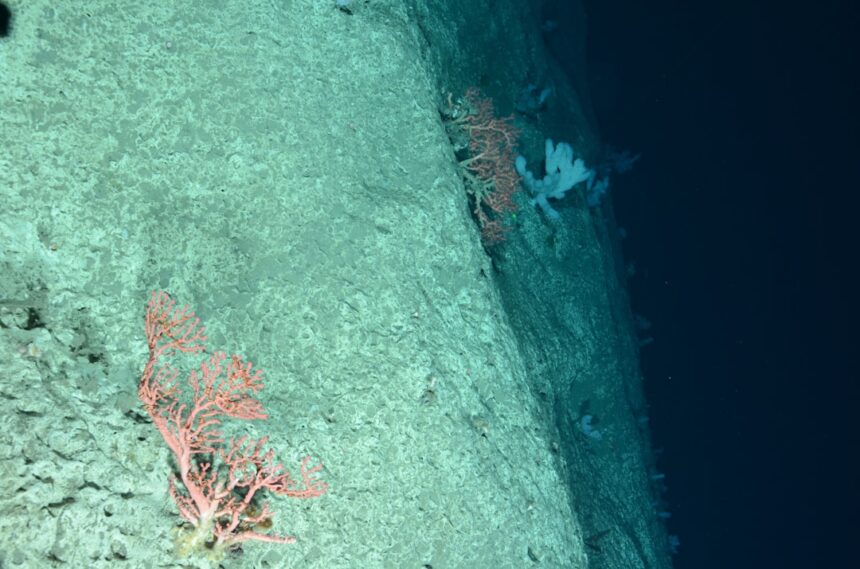
The physical removal of nodules, along with the sediment surrounding them, directly destroys the seafloor habitat. Organisms that live on, in, or around the nodules, such as sponges, corals, and various invertebrates, will be directly impacted. You’ll encounter scientific studies highlighting the unique biodiversity found in these areas, many of which are still being discovered. The scale of the proposed mining operations, covering potentially vast areas, raises fears of widespread habitat destruction and the irreversible loss of unique deep-sea life forms.
Sediment Plumes and Their Spread
Beyond the immediate impact of nodule collection, there’s the issue of sediment plumes. When nodules are collected and brought to the surface, sediment is disturbed and can be released back into the water column. These plumes can drift for significant distances, potentially smothering organisms and impacting water quality far from the actual mining sites. You’ll find that understanding the behavior and impact of these plumes is a critical area of scientific research and concern. The long-term effects of suspended sediment on deep-sea food webs are largely unknown, adding another layer of uncertainty to the environmental assessment.
Biodiversity Loss and Extinction Risk
The deep sea is a realm of extreme conditions, and the organisms that inhabit it are often highly specialized. This specialization also means they can be very vulnerable to change. The potential for biodiversity loss and even extinction is a central tenet of the opposition to deep-sea mining.
Unique and Undiscovered Species
Many species found in the deep sea are yet to be formally described by science. They have evolved over millennia in isolation, developing unique adaptations to their environment. Imagine discovering entirely new forms of life, only to potentially obliterate them before they are even understood. This is the sobering reality that many environmentalists and scientists fear. TMC’s operations could, inadvertently or not, lead to the extinction of species that are vital to the functioning of deep-sea ecosystems.
Slow Recovery Rates and Resilience
The deep sea is characterized by incredibly slow ecological processes. Growth rates of organisms are slow, reproductive cycles can be long, and recovery from disturbances can take centuries, if not millennia. This means that any damage inflicted by mining activities could have long-lasting, if not permanent, consequences. You’ll find that the resilience of these ecosystems to human intervention is a significant question mark, with many arguing that they are simply not equipped to withstand the scale and intensity of proposed mining operations.
Noise, Light, and Chemical Pollution
Beyond the direct physical disturbance, deep-sea mining operations introduce other forms of pollution that can disrupt the sensitive deep-sea environment.
Operational Noise and Marine Life
Mining vessels and subsea machinery will generate significant noise. The deep sea is not an acoustically silent place, with sounds playing a crucial role in communication, navigation, and predator detection for many marine animals. Excessive and unfamiliar noise pollution can interfere with these vital functions, leading to stress, displacement, and impaired survival for marine life. You’ll encounter studies on the impact of anthropogenic noise on marine mammals and other deep-sea creatures, underscoring the potential for widespread disruption.
Artificial Light and Bioluminescent Organisms
Deep-sea organisms have evolved in complete darkness, with many relying on bioluminescence for communication, hunting, and defense. The introduction of artificial light from mining operations can interfere with these delicate biological processes. You’ll find that disruption of natural light cycles and the constant presence of artificial light could disorient species, alter their behavior, and disrupt predator-prey relationships.
Potential Chemical Contaminants
While TMC aims for mineral extraction, there’s also the potential for accidental spills or the release of chemicals associated with the mining processes. These could introduce contaminants into the water column, with unknown but potentially harmful effects on deep-sea organisms.
The Regulatory Labyrinth: Governing the Abyss

The prospect of deep-sea mining raises fundamental questions about governance. Under current international law, the deep seabed beyond national jurisdiction is considered the “common heritage of mankind,” managed by the International Seabed Authority (ISA). However, the framework for deep-sea mining is still under development, leading to uncertainty and debate.
The Role of the International Seabed Authority (ISA)
The ISA is tasked with regulating exploration and exploitation of mineral resources in the international seabed area. This includes developing mining codes, issuing exploration and exploitation contracts, and ensuring the protection of the marine environment. You’ll find that the ISA’s role is central to the entire deep-sea mining debate, as it holds the power to grant licenses and set the environmental standards for any future mining activities.
Progress and Delays in Developing Mining Codes
Despite years of work, a fully comprehensive and agreed-upon mining code for exploitation has yet to be finalized. This delay is partly due to the complexity of the issues involved and the diverse interests of member states. Critics argue that the ISA is moving too slowly, while proponents worry that excessive caution will stifle innovation. You’ll see that the ISA’s ongoing deliberations are closely watched by all stakeholders.
Balancing Economic Interests and Environmental Protection
The ISA faces the daunting task of balancing the potential economic benefits of deep-sea mining with the imperative of protecting the marine environment. You’ll discover that this balancing act is at the heart of the controversy. Different nations and stakeholders have vastly different perspectives on where that balance should lie, leading to protracted negotiations and disagreements.
National Jurisdictions and Deep-Sea Exploration
While the ISA governs international waters, individual nations also have jurisdiction over their own exclusive economic zones (EEZs). Some countries, like the United States and Papua New Guinea, have issued exploration licenses for deep-sea mining within their EEZs.
Sovereign Rights and Resource Management
In their EEZs, nations have sovereign rights over mineral resources. This allows them to pursue deep-sea exploration and potential exploitation independently, albeit with environmental regulations in place. You’ll find that the actions of these nations can set precedents and influence the broader international debate.
Divergent National Approaches
Different nations are taking varying approaches to deep-sea mining. Some are embracing exploration with the hope of future exploitation, while others are adopting more cautious or even moratorium positions. This divergence adds another layer of complexity to the global regulatory landscape.
The Metals Company’s Bid: A Case Study in Controversy

The Metals Company (TMC) is at the forefront of this deep-sea mining discussion, making its ambitious plans a focal point for the controversy. You’ll find that much of the current debate is directly tied to TMC’s specific operations, exploration areas, and stated intentions.
TMC’s Exploration and Development Plans
TMC has acquired rights to explore significant areas of the seabed, primarily in the CCZ. They have been developing technology and conducting surveys to assess the feasibility and commercial viability of extracting polymetallic nodules.
Nodules Collection Technology
The company is investing heavily in specialized machinery designed to collect nodules from the ocean floor. You’ll encounter descriptions of these technologies, which often involve a riser system to bring the nodules to a surface vessel for processing. The effectiveness and environmental impact of these proprietary technologies are subjects of intense scrutiny.
Processing and Refining Strategies
Once collected, the nodules need to be processed to extract the valuable metals. TMC is also developing strategies for the onshore processing of these nodules, aiming to integrate them into existing metal supply chains. The environmental footprint of these onshore operations is also a relevant consideration.
Criticisms and Opposition to TMC’s Operations
TMC’s ambitious plans have drawn significant criticism from a wide range of stakeholders, including environmental organizations, scientists, and even some governments.
Calls for a Moratorium
You will find numerous calls for a moratorium on deep-sea mining, with many arguing that the environmental risks are too great and the science is not yet sufficient to proceed. These calls often specifically target companies like TMC, urging them to halt their development and exploration activities pending further scientific understanding and robust regulation.
Scientific Concerns and Data Gaps
Scientists have repeatedly raised concerns about the lack of comprehensive data on deep-sea ecosystems and the potential long-term impacts of mining. Many argue that TMC’s environmental impact assessments are insufficient and that critical knowledge gaps remain. You’ll see scientific papers and statements that highlight the uncertainties surrounding sediment plumes, biodiversity loss, and ecosystem recovery.
Industry Scrutiny and Due Diligence
Beyond environmental concerns, there have been questions raised about the financial viability and corporate governance of companies like TMC. You’ll encounter reports and analyses that scrutinize their business models and their preparedness for the formidable challenges of deep-sea mining.
The ongoing controversy surrounding The Metals Company’s deep sea mining operations has sparked significant debate about the environmental implications of such activities. Many environmentalists argue that the potential damage to marine ecosystems could be irreversible, raising concerns about biodiversity loss. For a deeper understanding of the various perspectives on this issue, you can read a related article that explores the complexities of deep sea mining and its impact on ocean health. This article provides valuable insights into the arguments for and against these operations, making it a worthwhile read for anyone interested in the topic. You can find it here: related article.
The Path Forward: Uncertainty and the Future of Our Oceans
| Aspect | Details |
|---|---|
| Company Name | The Metals Company |
| Controversy | Deep sea mining impact on marine ecosystems |
| Concerns | Environmental damage, biodiversity loss, and potential harm to deep sea habitats |
| Opposition | Environmental groups, scientists, and some governments |
| Regulation | Debate over the need for stricter regulations and international oversight |
The controversy surrounding The Metals Company and deep-sea mining is far from settled. The path forward is fraught with uncertainty, and the decisions made today will have long-lasting implications for the health of our planet’s largest ecosystem.
The Debate Over Precautionary Principle
A central theme in the debate is the application of the precautionary principle. This principle suggests that if an action or policy has a suspected risk of causing harm to the public or to the environment, in the absence of scientific consensus that the action or policy is not harmful, the burden of proof that it is not harmful falls on those taking the action.
Applying the Principle to Deep-Sea Mining
Many environmental advocates and scientists argue that the precautionary principle demands a halt to deep-sea mining until its environmental impacts are thoroughly understood and mitigate. You’ll find that the application, or lack thereof, of this principle is a significant point of contention.
Proponents’ View on Innovation and Risk
Conversely, proponents argue that a rigid adherence to the precautionary principle could stifle innovation and prevent the development of technologies and resource access that may be crucial for future sustainability. They may argue that controlled experimentation and phased development are more appropriate.
The Role of Public Opinion and Corporate Responsibility
Public awareness and engagement are increasingly playing a role in shaping the discourse around deep-sea mining. As more information becomes available, you’ll see a growing segment of the public expressing concern about the potential impacts on the deep ocean.
Demands for Transparency and Accountability
There are increasing demands for transparency and accountability from companies like TMC and from the regulatory bodies overseeing deep-sea mining. You’ll find calls for independent scientific review, public consultations, and robust monitoring mechanisms.
Navigating Future Exploration and Exploitation
The future of deep-sea mining hinges on complex scientific, economic, and ethical considerations. Whether TMC, or any other company, will ultimately succeed in their deep-sea mining endeavors remains to be seen. The decisions made by international bodies, national governments, and the companies themselves will shape the fate of this largely unexplored frontier and its invaluable, yet fragile, inhabitants. You will undoubtedly continue to hear about this issue as efforts to unlock the deep-sea’s mineral wealth progress, or are halted, in the years to come.
FAQs
What is deep sea mining?
Deep sea mining is the process of retrieving mineral deposits from the ocean floor. This can involve extracting metals such as copper, nickel, cobalt, and rare earth elements from deep sea hydrothermal vents, polymetallic nodules, and cobalt-rich ferromanganese crusts.
What is The Metals Company?
The Metals Company, formerly known as DeepGreen Metals, is a Canadian company that aims to develop a responsible and traceable source of battery metals from polymetallic nodules found on the ocean floor. The company has been at the center of controversy due to its deep sea mining activities.
What is the controversy surrounding deep sea mining?
The controversy surrounding deep sea mining revolves around concerns about the potential environmental impact on deep sea ecosystems. Critics argue that deep sea mining could lead to habitat destruction, species extinction, and disruption of important ecological processes in the deep sea.
What are the potential benefits of deep sea mining?
Proponents of deep sea mining argue that it could provide a new source of critical metals for renewable energy technologies, such as electric vehicle batteries and wind turbines. They also suggest that deep sea mining could reduce the environmental impact of traditional land-based mining.
What are the current regulations and international agreements regarding deep sea mining?
As of now, there are no specific international regulations governing deep sea mining. However, the International Seabed Authority (ISA) has been working on developing a regulatory framework for deep sea mining activities in international waters. Some countries have also implemented their own regulations regarding deep sea mining within their exclusive economic zones.