
The human brain is a marvel of biological engineering, capable of complex thought, intricate problem-solving, and profound emotional experiences. However, this sophisticated organ is also vulnerable to the pervasive influence of stress, a ubiquitous byproduct of modern life. When stress becomes chronic, it can hijack your cognitive functions, diminishing your ability to focus, make decisions, and even recall information. Understanding the neuroscience behind stress relief and focus can equip you with powerful tools to reclaim your mental clarity and enhance your productivity. This article will delve into the intricate workings of your brain, exploring how stress impacts its structure and function, and then illuminate evidence-based strategies you can employ to cultivate a calmer, more focused mind.
When you perceive a threat, whether it’s a looming deadline or a genuine danger, your brain’s ancient alarm system, the amygdala, springs into action. This almond-shaped structure, a key player in processing emotions, releases a cascade of stress hormones, primarily cortisol and adrenaline. Think of the amygdala as your brain’s smoke detector; it’s designed to alert you to potential danger, but in today’s world, it can become oversensitive, triggering alarms even when no fire is present.
The Sympathetic Nervous System: Your Body’s Fight-or-Flight Accelerator
The release of adrenaline from your adrenal glands floods your system, preparing you for immediate action. Your heart rate accelerates, blood pressure rises, and your muscles tense. This is the sympathetic nervous system (SNS) kicking into high gear, preparing you to either confront the perceived threat (“fight”) or escape from it (“flight”). While this response is vital for survival in acute situations, chronic activation of the SNS, due to persistent stressors, can lead to a state of constant hypervigilance. Your body is essentially stuck in a perpetual state of emergency, which has downstream effects on your cognitive abilities.
The Prefrontal Cortex: The Executive Control Center Under Duress
Your prefrontal cortex (PFC), located at the front of your brain, is the seat of executive functions. This includes critical processes like planning, decision-making, working memory, impulse control, and attention. When stress hormones like cortisol surge, they can impair the function of the PFC. Imagine your PFC as the conductor of an orchestra; when the stress horns blare too loudly, the conductor loses their ability to elegantly guide the various sections, leading to a cacophony of missteps and disarray. This impairment manifests as difficulty concentrating, indecisiveness, and an inability to filter out distractions. You might find yourself easily overwhelmed, struggling to prioritize tasks, and making impulsive choices.
Hippocampus: The Memory Maker Under Attack
The hippocampus, a seahorse-shaped structure deep within your brain, is crucial for forming new memories and retrieving existing ones. Chronic exposure to high levels of cortisol can actually damage and even shrink the hippocampus. This neurotoxic effect directly impacts your ability to learn and remember. When your hippocampus is compromised, it’s like trying to store vital information in a leaky sieve; essential details slip through, leaving you with gaps in your recall and a reduced capacity for learning new material. This can contribute to feelings of forgetfulness and a general sense of mental fog.
In exploring the fascinating intersection of neuroscience and stress relief, a particularly insightful article can be found at Productive Patty. This resource delves into the mechanisms by which mindfulness and focused attention can significantly reduce stress levels, enhancing overall cognitive function and emotional well-being. By understanding how our brain responds to stress and the techniques that can foster a more relaxed state, readers can discover effective strategies to improve their focus and productivity in daily life.
The Focused Mind: Cultivating Neural Pathways for Clarity
While stress can be detrimental, your brain is inherently adaptable. Through conscious effort and the implementation of targeted strategies, you can foster neural pathways that promote focus and resilience against stress. Cultivating a focused mind isn’t about eliminating challenges, but about developing the capacity to navigate them with greater executive control and emotional regulation.
Mindfulness and Meditation: Taming the Wandering Mind
Mindfulness, the practice of paying attention to the present moment without judgment, and meditation, a more formal practice of focused attention, are powerful tools for stress relief and enhancing focus. These practices have been shown to alter brain structure and function in beneficial ways. Regular mindfulness practitioners often exhibit increased grey matter density in areas of the brain associated with self-awareness, compassion, and introspection, such as the insula and the anterior cingulate cortex.
The Wandering Mind Syndrome: Understanding Default Mode Network Activity
Your brain has an internal network called the Default Mode Network (DMN), which is most active when you are not focused on a specific task, such as when your mind is wandering. While some DMN activity is normal, excessive rumination and self-referential thinking, often fueled by stress, can lead to a feedback loop of negative thoughts and anxiety. Think of the DMN as an idle engine that, if left unchecked, can overheat and cause problems.
Training the Attention Muscle: How Meditation Rewires Neural Circuits
Meditation, particularly focused-attention meditation (e.g., concentrating on your breath), trains your brain to stay on task. When your mind inevitably wanders, the practice involves gently bringing your attention back to your anchor. This repeated act of redirection strengthens the neural connections between the PFC and other brain regions, enhancing your ability to control attention and resist distractions. Over time, this can lead to a quieter DMN and a more robust ability to sustain focus. Studies using fMRI have shown that meditators exhibit reduced DMN activity and increased activation in brain regions associated with attentional control.
Cultivating Present Moment Awareness: Cortisol Reduction and Emotional Regulation
Beyond attention training, mindfulness also fosters emotional regulation. By observing your thoughts and feelings without immediately reacting to them, you create a space between stimulus and response. This ability to observe emotional responses from a detached perspective can significantly reduce the physiological impact of stress, including cortisol levels. You learn to recognize stress responses as temporary states, rather than overwhelming realities, allowing you to approach challenges with more equanimity.
Physical Activity: A Neurochemical Cocktail for Stress Relief and Cognitive Boost
Engaging in regular physical activity is not just beneficial for your body; it’s a potent prescription for your brain. Exercise triggers the release of a host of neurochemicals that can combat stress and enhance cognitive function.
The Endorphin Rush: Nature’s Mood Elevator
When you exercise, your body releases endorphins, often referred to as “feel-good” hormones. These natural painkillers and mood elevators not only alleviate physical discomfort but also contribute to a sense of euphoria and well-being, effectively counteracting the negative emotional states associated with stress. This is like a natural antidepressant and anxiolytic rolled into one.
Brain-Derived Neurotrophic Factor (BDNF): Fueling Neural Growth and Resilience
Perhaps more significantly for cognitive function, exercise stimulates the production of Brain-Derived Neurotrophic Factor (BDNF). BDNF is a protein that acts as fertilizer for your brain, promoting the growth, survival, and plasticity of neurons. It plays a critical role in the formation of new synapses (connections between neurons) and the strengthening of existing ones, particularly in areas like the hippocampus and the PFC. Think of BDNF as a construction crew for your brain, building new pathways and reinforcing old ones, making it more resilient and efficient. This increased neural connectivity supports learning, memory, and overall cognitive flexibility.
Improved Blood Flow and Oxygenation: Nourishing the Brain
Physical activity also increases blood flow and oxygenation to the brain. This enhanced delivery of essential nutrients and oxygen fuels brain cells, optimizing their performance. When your brain is well-nourished, it’s better equipped to handle the demands of complex tasks and to recover from stressful experiences.
Sleep: The Brain’s Essential Recharge and Restoration Cycle

Sleep is not a passive state of inactivity; it is an active and vital period of consolidation, repair, and restoration for your brain. Chronic sleep deprivation wreaks havoc on your cognitive abilities and significantly amplifies the effects of stress.
Sleep Stages: A Choreographed Symphony of Neural Activity
Your sleep cycle is divided into distinct stages, each characterized by unique patterns of brain activity. REM (Rapid Eye Movement) sleep, for instance, is crucial for emotional processing and memory consolidation, while deep sleep (slow-wave sleep) is vital for physical restoration and the clearing of metabolic waste products. Disruptions to this intricate cycle, whether due to stress, lifestyle factors, or sleep disorders, can have profound consequences.
Memory Consolidation: Weaving the Threads of Experience
During sleep, your brain actively processes and consolidates information acquired during wakefulness. Memories are transferred from short-term storage in the hippocampus to more stable, long-term storage in the neocortex. This process is particularly active during REM sleep. Without adequate sleep, this essential memory-making machinery falters, making it harder to learn and recall information. Imagine your brain as a librarian meticulously cataloging and shelving books; insufficient sleep means the librarian is unable to complete this vital task, leaving your information disordered and inaccessible.
Emotional Regulation and Stress Hormone Balance: The Nightly Reset
Sleep plays a critical role in regulating your emotions and balancing stress hormones. Sleep deprivation has been linked to increased reactivity of the amygdala, making you more prone to negative emotions and less able to regulate your responses to stressors. Furthermore, insufficient sleep can disrupt the natural ebb and flow of cortisol, leading to elevated levels throughout the day, which further perpetuates the stress cycle. A good night’s sleep acts as a nightly reset button, recalibrating your emotional thermostat and restoring hormonal equilibrium.
Clearing the Brain: The Glymphatic System’s Cleanup Crew
Emerging research has highlighted the importance of the glymphatic system, which functions primarily during sleep. This system acts like a waste disposal service for your brain, clearing out metabolic byproducts and toxins that accumulate during waking hours. When sleep is insufficient, these waste products can build up, potentially contributing to cognitive decline and impaired brain function.
Diet and Nutrition: Fueling Your Brain for Optimal Performance
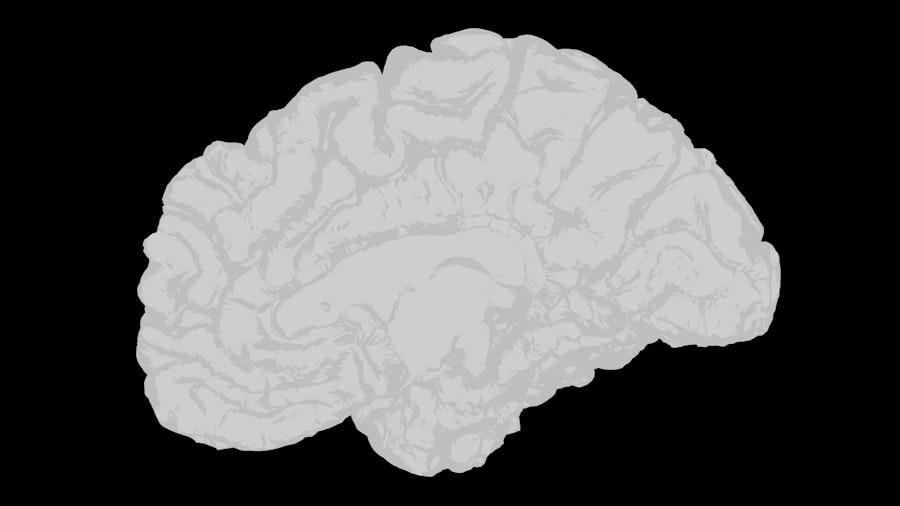
The foods you consume directly influence your brain’s chemistry and its ability to function effectively, particularly in managing stress and maintaining focus. Think of your brain as a high-performance engine; it requires premium fuel to run at its best.
Omega-3 Fatty Acids: The Brain’s Building Blocks
Omega-3 fatty acids, particularly DHA and EPA, are essential components of brain cell membranes. They play a crucial role in neurotransmitter function, reducing inflammation, and promoting neuronal plasticity. Diets rich in fatty fish, flaxseeds, and walnuts can provide these vital nutrients, supporting overall brain health and enhancing cognitive function. These fatty acids are like the high-grade lubricants that keep your brain’s intricate machinery running smoothly.
Antioxidants: Protecting Against Oxidative Stress
Stress, particularly chronic stress, can lead to increased oxidative stress in the brain, a process that damages cells and impairs function. Antioxidant-rich foods, such as berries, dark leafy greens, and colorful vegetables, help to neutralize free radicals and protect brain cells from damage. These antioxidants act as your brain’s personal bodyguards, shielding it from harmful invaders.
The Gut-Brain Connection: A Two-Way Communication Highway
The gut microbiome, the vast community of bacteria residing in your digestive tract, has a profound impact on your brain health and stress levels. The gut and brain are in constant communication, influencing each other’s function. A healthy gut microbiome, fostered by a diet rich in fiber and fermented foods, can positively influence mood, reduce inflammation, and improve cognitive function. Conversely, an imbalanced microbiome can contribute to increased anxiety and impaired focus. This connection is like an intricate pneumatic tube system, where the health of one end directly affects the efficiency of the other.
Limiting Processed Foods and Sugar: Avoiding Cognitive Sabotage
Highly processed foods, sugary drinks, and excessive refined carbohydrates can lead to blood sugar spikes and crashes, which can impair focus, increase irritability, and exacerbate stress responses. These “junk foods” are like throwing sand into your brain’s finely tuned gears, causing friction and suboptimal performance. Opting for whole, unprocessed foods provides a steadier supply of energy for your brain, promoting sustained focus and emotional stability.
Recent studies in the neuroscience of stress relief and focus have highlighted various techniques that can enhance mental clarity and reduce anxiety. One such approach involves mindfulness meditation, which has been shown to alter brain activity in ways that promote relaxation and concentration. For those interested in exploring more about this topic, you can find valuable insights in an article on Productive Patty, where the connection between stress management and improved cognitive function is discussed in detail. By incorporating these practices into daily routines, individuals can experience significant benefits in their overall well-being and productivity.
Stress Management Techniques: Proactive Strategies for a Focused Life
| Metric | Description | Typical Range/Value | Relevance to Stress Relief and Focus |
|---|---|---|---|
| Cortisol Levels | Hormone released in response to stress | Normal: 6-23 mcg/dL (morning) | High cortisol impairs focus; reduction indicates stress relief |
| Heart Rate Variability (HRV) | Variation in time between heartbeats | Higher HRV: 50-100 ms (healthy adults) | Higher HRV correlates with better stress resilience and focus |
| Prefrontal Cortex Activity | Brain region involved in attention and executive function | Measured via fMRI or EEG (increased activation) | Increased activity linked to improved focus and stress regulation |
| Alpha Brainwave Power | EEG frequency band (8-12 Hz) associated with relaxation | Increased alpha power during relaxed focus states | Higher alpha power indicates reduced stress and enhanced focus |
| Gamma Brainwave Power | EEG frequency band (30-100 Hz) linked to cognitive processing | Elevated gamma power during intense focus | Higher gamma power correlates with improved attention and memory |
| Salivary Alpha-Amylase | Enzyme marker of sympathetic nervous system activity | Lower levels indicate reduced stress response | Decreased levels suggest effective stress relief |
| Brain-Derived Neurotrophic Factor (BDNF) | Protein supporting neuron growth and plasticity | Increased levels after stress reduction interventions | Higher BDNF linked to improved cognitive function and mood |
Beyond the foundational pillars of sleep, diet, and exercise, there are a variety of actionable techniques you can implement to proactively manage stress and cultivate a more focused mind. These are not quick fixes, but rather ongoing practices that, when consistently applied, can fundamentally alter your brain’s response to stressors.
Cognitive Behavioral Therapy (CBT): Reshaping Your Thought Patterns
Cognitive Behavioral Therapy (CBT) is a psychotherapeutic approach that helps you identify and challenge negative or unhelpful thought patterns and behaviors. By understanding how your thoughts influence your emotions and actions, you can learn to reframe stressful situations and develop more adaptive coping mechanisms. CBT equips you with a mental toolkit to dismantle irrational fears and to build more resilient belief systems.
Identifying Cognitive Distortions: Spotting the Thought Traps
CBT teaches you to recognize cognitive distortions, which are common errors in thinking that can amplify stress and hinder focus. Examples include all-or-nothing thinking, catastrophizing, and overgeneralization. Learning to identify these “thought traps” is the first step to disarming them.
Behavioral Activation: Taking Action to Foster Positive Change
Behavioral activation, a component of CBT, encourages you to engage in activities that are meaningful or enjoyable, even when you don’t feel motivated. This proactive engagement can counteract feelings of helplessness and apathy often associated with stress, helping to re-establish a sense of control and purpose.
Time Management and Prioritization: Taming the Chaos
Feeling overwhelmed by tasks and commitments is a significant source of stress and a major impediment to focus. Implementing effective time management strategies can transform this chaos into order. Techniques like task batching, the Pomodoro Technique, and creating detailed to-do lists can provide structure and a sense of accomplishment, reducing feelings of being swamped.
The Pomodoro Technique: Focused Work Bursts
The Pomodoro Technique involves working in focused intervals (typically 25 minutes) separated by short breaks. This structured approach helps maintain concentration and prevents burnout by providing regular opportunities for mental rest and rejuvenation. It’s like setting short, achievable sprints in a marathon, preventing you from becoming exhausted too early.
Setting Boundaries: Protecting Your Mental Energy
Learning to say “no” and setting clear boundaries in your personal and professional life is essential for protecting your mental energy and preventing burnout. Overcommitting yourself leaves you perpetually depleted, making it impossible to focus on what truly matters. Boundaries are like the sturdy fences around your mental garden, protecting your valuable resources from being trampled.
Deep Breathing Exercises: Calming the Nervous System on Demand
When stress signals the alarm, your physiological response kicks in. Deep breathing exercises are a simple yet powerful way to activate your parasympathetic nervous system, the body’s natural relaxation response. By intentionally slowing and deepening your breath, you send a signal to your brain that you are safe, which can help to quell the fight-or-flight response and restore a sense of calm. This is like a direct internal dial to calm your system down.
By understanding the intricate ways stress affects your brain and by actively employing these evidence-based strategies, you can significantly improve your ability to focus, make sound decisions, and navigate the challenges of life with greater resilience and clarity. This journey of cultivating a focused mind is an ongoing process, but the rewards – enhanced productivity, improved well-being, and a profound sense of control – are immeasurable.
FAQs
What is the neuroscience behind stress relief?
The neuroscience of stress relief involves understanding how the brain processes stress and activates mechanisms to reduce it. Key brain areas include the amygdala, which detects stress, and the prefrontal cortex, which helps regulate emotional responses. Neurotransmitters like serotonin and GABA play roles in calming the nervous system, while practices such as mindfulness and deep breathing can alter brain activity to promote relaxation.
How does stress affect brain function and focus?
Stress triggers the release of cortisol and adrenaline, which can impair the functioning of the prefrontal cortex, the brain region responsible for attention, decision-making, and focus. Chronic stress may lead to reduced cognitive performance, memory problems, and difficulty concentrating, as it disrupts neural circuits involved in executive function.
What brain mechanisms improve focus during stress relief techniques?
Stress relief techniques like meditation and controlled breathing enhance focus by increasing activity in the prefrontal cortex and reducing amygdala hyperactivity. These practices promote neuroplasticity, improve connectivity between brain regions, and increase levels of neurotransmitters such as dopamine, which supports attention and motivation.
Can regular stress relief practices change the brain structurally?
Yes, regular stress relief practices can lead to structural changes in the brain. Studies show that mindfulness meditation and similar techniques can increase gray matter density in areas related to attention, emotional regulation, and self-awareness, such as the hippocampus and prefrontal cortex, thereby enhancing resilience to stress.
What role do neurotransmitters play in managing stress and focus?
Neurotransmitters like serotonin, dopamine, and GABA are crucial in managing stress and focus. Serotonin helps regulate mood and anxiety, dopamine supports motivation and attention, and GABA acts as an inhibitory neurotransmitter that calms neural activity. Balancing these chemicals through lifestyle, diet, and stress relief techniques can improve mental clarity and reduce stress.