
Visibility anxiety is a common psychological phenomenon characterized by the fear of being observed or evaluated by others. This form of anxiety can manifest in diverse contexts, including public speaking engagements and social interactions, potentially causing significant disruption to normal functioning. Individuals experiencing visibility anxiety may develop avoidance behaviors toward situations perceived as exposing or threatening, which can create a self-reinforcing pattern of social withdrawal and heightened anxiety.
Recognizing and understanding the mechanisms of visibility anxiety is essential for identifying its causal factors and developing appropriate management strategies. The fear of visibility can create substantial barriers to personal development and career advancement. The anticipation of scrutiny may result in decision paralysis, preventing individuals from pursuing valuable opportunities and realizing their capabilities.
Examining the fundamental causes of this anxiety—including evolutionary fear responses, societal influences, and learned behaviors—provides a framework for understanding its complexity. This comprehensive approach enables the development of effective techniques for managing visibility anxiety and rebuilding self-assurance.
Key Takeaways
- Visibility anxiety stems from deep evolutionary and social conditioning related to fear of being seen or judged.
- Fear triggers physiological responses that can impair cognitive functioning and decision-making.
- Exposure therapy and coping strategies can effectively reduce visibility anxiety over time.
- Media, technology, and cultural factors significantly shape and sometimes exacerbate visibility anxiety.
- Professional help is important for managing severe visibility anxiety and improving overall well-being.
The Evolutionary Basis of Fear
Fear is an innate response that has evolved over millennia as a survival mechanism. Your ancestors faced numerous threats in their environments, from predators to hostile groups, and their ability to recognize and react to danger was crucial for survival. This evolutionary basis for fear is deeply embedded in your psyche, influencing how you respond to perceived threats today.
Visibility anxiety can be seen as a modern manifestation of this primal instinct, where the fear of judgment or rejection feels akin to a life-or-death situation. In social contexts, being ostracized or rejected can have significant consequences for your well-being. Historically, humans are social creatures who thrive in groups; being excluded from the community could lead to vulnerability and danger.
Thus, your brain is wired to respond to social threats with heightened sensitivity. This evolutionary perspective helps explain why visibility anxiety can feel so overwhelming; it taps into deep-seated fears that have been passed down through generations. You can learn more about imposter syndrome through this insightful video.
The Role of Social Conditioning in Fear
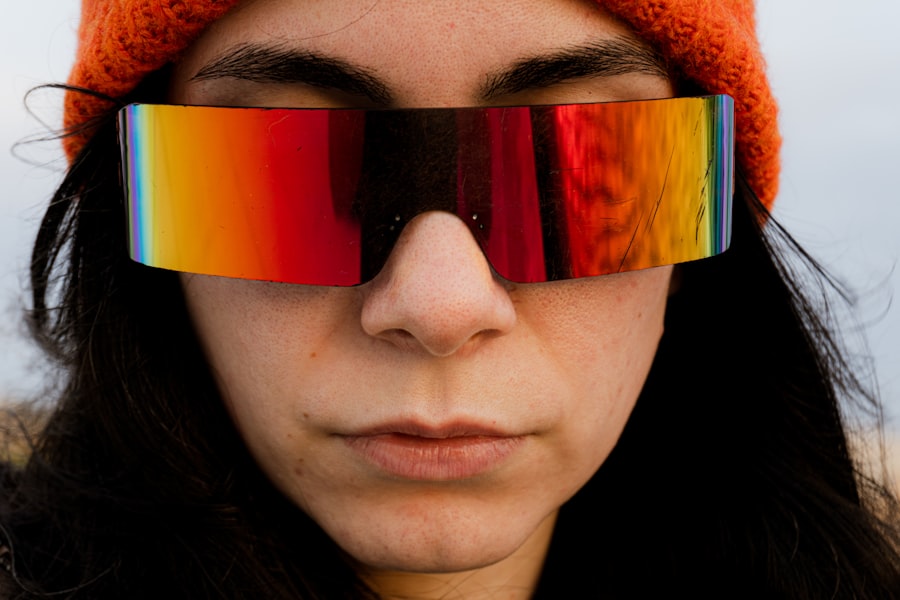
Social conditioning plays a pivotal role in shaping your perceptions of visibility and judgment. From a young age, you are exposed to societal norms and expectations that dictate how you should behave in public settings. These messages can come from family, peers, media, and cultural narratives that emphasize the importance of appearance and social acceptance.
As you internalize these beliefs, they can contribute to feelings of inadequacy and anxiety when faced with situations that require visibility. You may find yourself constantly comparing your worth to others based on superficial criteria, such as looks or social status. This comparison can exacerbate your visibility anxiety, making you feel as though you are always under scrutiny.
The pressure to conform to societal standards can create a cycle of self-doubt and fear, leading you to avoid situations where you might be judged. Recognizing the impact of social conditioning on your anxiety is the first step toward breaking free from these constraints and embracing your authentic self.
Understanding the Physiology of Fear
To fully grasp visibility anxiety, it is essential to understand the physiological responses associated with fear. When you perceive a threat—whether real or imagined—your body activates the fight-or-flight response. This response triggers a cascade of physiological changes: your heart rate increases, adrenaline surges through your system, and your muscles tense in preparation for action.
These reactions are designed to help you respond quickly to danger but can become overwhelming when faced with social situations. In the context of visibility anxiety, these physiological responses can manifest in various ways. You might experience sweating, trembling, or even gastrointestinal distress when anticipating a situation where you feel exposed.
Understanding these bodily reactions can help you recognize that they are natural responses to fear rather than indicators of personal failure. By acknowledging the physiological aspects of your anxiety, you can begin to develop strategies for managing these responses effectively.
The Impact of Fear on Cognitive Functioning
| Metric | Description | Typical Measurement | Relevance to Fear of Visibility |
|---|---|---|---|
| Social Anxiety Scale Score | Measures the level of anxiety experienced in social situations | 0-80 (higher scores indicate greater anxiety) | High scores often correlate with fear of being seen or judged |
| Self-Consciousness Scale | Assesses the degree of self-awareness and concern about self-presentation | 0-100 (higher scores indicate greater self-consciousness) | Elevated self-consciousness is linked to fear of visibility |
| Public Speaking Anxiety Level | Measures fear and avoidance of public speaking situations | Scale from 1 (no fear) to 10 (extreme fear) | Often used as an indicator of fear of visibility in performance contexts |
| Eye Contact Avoidance Rate | Percentage of time avoiding eye contact during social interaction | 0-100% | Higher avoidance rates suggest discomfort with visibility and attention |
| Physiological Arousal (Heart Rate Increase) | Increase in heart rate when exposed to social visibility situations | Measured in beats per minute (bpm) increase from baseline | Elevated arousal indicates fear or stress related to being visible |
Fear does not only affect your body; it also significantly impacts your cognitive functioning. When you are in a heightened state of fear or anxiety, your brain’s ability to think clearly and make rational decisions diminishes. You may find it challenging to concentrate or articulate your thoughts during social interactions, which can further exacerbate your feelings of inadequacy.
This cognitive impairment can create a vicious cycle where fear leads to poor performance, reinforcing your anxiety about visibility. Moreover, fear can distort your perception of reality. You might overestimate the likelihood of negative outcomes or misinterpret social cues, leading to increased self-doubt and avoidance behavior.
Understanding how fear affects your cognitive processes is crucial for developing effective coping strategies. By recognizing these patterns, you can work on reframing your thoughts and challenging irrational beliefs that contribute to your visibility anxiety.
Coping Mechanisms for Visibility Anxiety

Finding effective coping mechanisms is essential for managing visibility anxiety and reclaiming control over your life. One approach is mindfulness meditation, which encourages you to focus on the present moment without judgment. By practicing mindfulness, you can learn to observe your thoughts and feelings without becoming overwhelmed by them.
This practice can help reduce anxiety by fostering a sense of calm and acceptance. Another effective strategy is cognitive-behavioral therapy (CBT), which focuses on identifying and challenging negative thought patterns associated with visibility anxiety. Through CBT, you can learn to reframe your thoughts and develop healthier perspectives on social situations.
Additionally, engaging in gradual exposure to feared situations can help desensitize you to the anxiety associated with visibility. By taking small steps toward facing your fears, you can build confidence and resilience over time.
The Connection Between Fear and Power Dynamics
Visibility anxiety is often intertwined with power dynamics in social interactions. You may feel vulnerable when placed in situations where others hold perceived power over you—such as authority figures or larger groups—leading to heightened anxiety about being judged or rejected. This dynamic can create an imbalance that exacerbates feelings of inadequacy and fear.
Understanding these power dynamics is crucial for addressing visibility anxiety effectively. By recognizing that everyone experiences vulnerability at times, you can begin to shift your perspective on social interactions. Empowering yourself through knowledge and self-awareness can help mitigate the impact of these dynamics on your anxiety levels.
Overcoming Visibility Anxiety Through Exposure Therapy
Exposure therapy is a powerful tool for overcoming visibility anxiety by gradually exposing yourself to feared situations in a controlled manner. This therapeutic approach allows you to confront your fears step by step, helping you build confidence and resilience over time.
The key to successful exposure therapy is consistency and patience.
This process helps rewire your brain’s response to fear, allowing you to approach social situations with greater ease and confidence.
By committing to this journey of gradual exposure, you can reclaim your sense of agency and reduce the grip that visibility anxiety has on your life.
The Influence of Media and Technology on Fear
In today’s digital age, media and technology play a significant role in shaping perceptions of visibility and judgment. Social media platforms often amplify feelings of inadequacy by presenting curated versions of reality that emphasize perfectionism and comparison. You may find yourself scrolling through feeds filled with seemingly flawless lives, leading to increased visibility anxiety as you measure yourself against these unrealistic standards.
Moreover, the constant connectivity provided by technology can create an environment where scrutiny feels omnipresent. The fear of being judged online can spill over into real-life interactions, making it challenging for you to feel comfortable in social settings. Recognizing the influence of media and technology on your perceptions is essential for mitigating their impact on your visibility anxiety.
Cultural and Societal Factors in Visibility Anxiety
Cultural and societal factors also play a significant role in shaping visibility anxiety. Different cultures have varying expectations regarding social behavior, appearance, and communication styles. You may find that cultural norms influence how comfortable you feel in public settings or how much pressure you feel to conform to specific standards.
Additionally, societal issues such as discrimination or stigma can exacerbate feelings of visibility anxiety for marginalized groups. Understanding these cultural dynamics is crucial for addressing visibility anxiety holistically. By acknowledging the broader societal context in which your fears exist, you can begin to challenge harmful narratives and embrace a more inclusive perspective on visibility.
Seeking Professional Help for Managing Visibility Anxiety
If visibility anxiety significantly impacts your daily life, seeking professional help may be beneficial. Mental health professionals can provide valuable support through therapy modalities tailored to address anxiety disorders. They can help you explore the underlying causes of your fears while equipping you with effective coping strategies.
Therapists often employ evidence-based approaches such as cognitive-behavioral therapy (CBT) or exposure therapy to help individuals manage their visibility anxiety effectively. Additionally, support groups can provide a sense of community and understanding as you navigate your experiences with others who share similar struggles. Remember that seeking help is a sign of strength; taking this step can lead you toward greater self-acceptance and empowerment in overcoming visibility anxiety.
In conclusion, visibility anxiety is a complex interplay of evolutionary instincts, social conditioning, physiological responses, cognitive functioning, power dynamics, media influences, cultural factors, and personal experiences. By understanding these elements and implementing effective coping strategies—such as mindfulness practices, exposure therapy, and seeking professional support—you can take meaningful steps toward overcoming this pervasive fear and embracing a more confident version of yourself.
The fear of visibility can significantly impact an individual’s personal and professional life, often leading to anxiety and avoidance behaviors. For a deeper understanding of this psychological phenomenon, you can explore the article on the topic at