
In today’s fast-paced digital world, notifications have become an integral part of your daily life. Every ping, buzz, or vibration from your device serves as a reminder of the constant stream of information vying for your attention. You may find yourself reaching for your phone at the slightest sound, often without even realizing it.
This habitual response can create a cycle of distraction that pulls you away from the present moment, making it difficult to focus on tasks or engage in meaningful conversations. Understanding this habit is the first step toward regaining control over your attention and time. The notification habit is not merely a byproduct of technology; it is a learned behavior reinforced by the design of apps and devices.
Developers understand that each notification is a potential engagement opportunity, prompting you to check your phone and interact with their content. This creates a feedback loop where you feel compelled to respond to every alert, leading to an overwhelming sense of urgency and anxiety. By recognizing how these notifications manipulate your attention, you can begin to take steps to break free from their hold.
Key Takeaways
- Understanding the Notification Habit:
- Notifications are a habitual behavior that can have a significant impact on mental health.
- The constant influx of notifications can lead to increased stress and anxiety.
- The Impact of Notifications on Mental Health:
- Excessive notifications can contribute to feelings of overwhelm and distraction.
- Mental health can be negatively affected by the constant need to check and respond to notifications.
- Identifying Trigger Points for Notifications:
- Recognizing the specific triggers that prompt the need to check notifications is crucial in breaking the habit.
- Understanding the underlying reasons for feeling the need to constantly check notifications can help in setting boundaries.
- Setting Boundaries with Notifications:
- Establishing clear boundaries with notifications can help in managing their impact on mental health.
- Setting specific times for checking and responding to notifications can help in creating a healthier relationship with technology.
- Creating a Notification-Free Environment:
- Creating an environment that is free from constant notifications can contribute to a sense of calm and focus.
- Minimizing distractions from notifications can lead to improved mental well-being and productivity.
The Impact of Notifications on Mental Health
The incessant barrage of notifications can have profound effects on your mental health. Research has shown that frequent interruptions can lead to increased stress levels, anxiety, and even feelings of inadequacy. When you are constantly bombarded with alerts, it can create a sense of urgency that makes it difficult to relax or enjoy downtime.
You may find yourself feeling overwhelmed by the pressure to respond immediately, which can lead to burnout over time. Moreover, the impact of notifications extends beyond mere distraction; they can also affect your self-esteem and social interactions. You might compare your online presence to others, feeling inadequate if you don’t receive as many likes or comments.
By understanding the mental health implications of notifications, you can take proactive steps to mitigate their effects and prioritize your well-being.
Identifying Trigger Points for Notifications
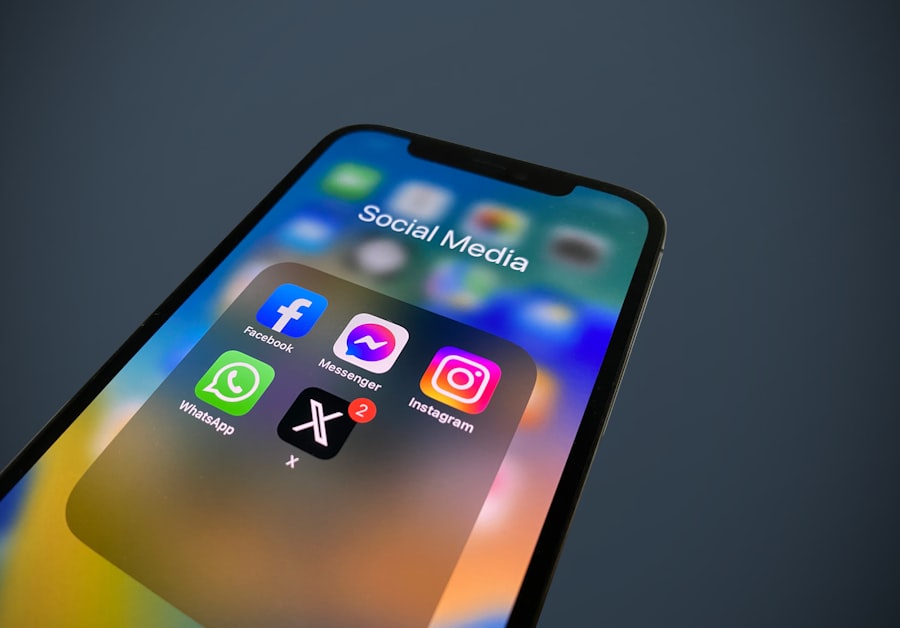
To effectively manage your notification habits, it’s essential to identify your trigger points. These are specific situations or emotions that prompt you to check your device for updates. For instance, you might notice that you reach for your phone when you feel bored, anxious, or even when you’re waiting in line.
By recognizing these triggers, you can develop strategies to address them without resorting to your device. Take some time to reflect on your daily routines and pinpoint moments when you instinctively check for notifications. Are there particular times of day when you feel more compelled to engage with your phone?
Perhaps it’s during meetings, while watching TV, or even during meals. By becoming aware of these patterns, you can create a plan to reduce unnecessary distractions and cultivate healthier habits that promote mindfulness and presence.
Setting Boundaries with Notifications
| Notification Type | Frequency | Impact |
|---|---|---|
| Emails | Every hour | High |
| Text Messages | Immediate | Medium |
| App Notifications | Customized | Low |
Once you’ve identified your triggers, the next step is to set clear boundaries around notifications. This involves determining which alerts are truly necessary and which ones can be silenced or turned off altogether. You might start by categorizing notifications into essential and non-essential groups.
For example, work-related messages may be crucial during business hours, while social media updates can often wait until later. Establishing boundaries also means being intentional about when and how you engage with notifications. You could designate specific times during the day to check your messages rather than allowing them to interrupt your focus at any moment.
By creating these boundaries, you empower yourself to take control of your attention and prioritize what truly matters in your life.
Creating a Notification-Free Environment
Creating a notification-free environment is a powerful way to reclaim your focus and enhance your overall well-being. Start by decluttering your digital space; this might involve uninstalling apps that contribute to unnecessary distractions or disabling notifications for non-essential services.
In addition to digital decluttering, think about your physical environment as well. Designate specific areas in your home where devices are not allowed, such as the dining table or bedroom. This practice encourages more meaningful interactions with those around you and promotes healthier sleep habits by reducing screen time before bed.
By intentionally crafting spaces that support a notification-free lifestyle, you create an atmosphere conducive to mindfulness and presence.
Utilizing Do Not Disturb and Silent Modes
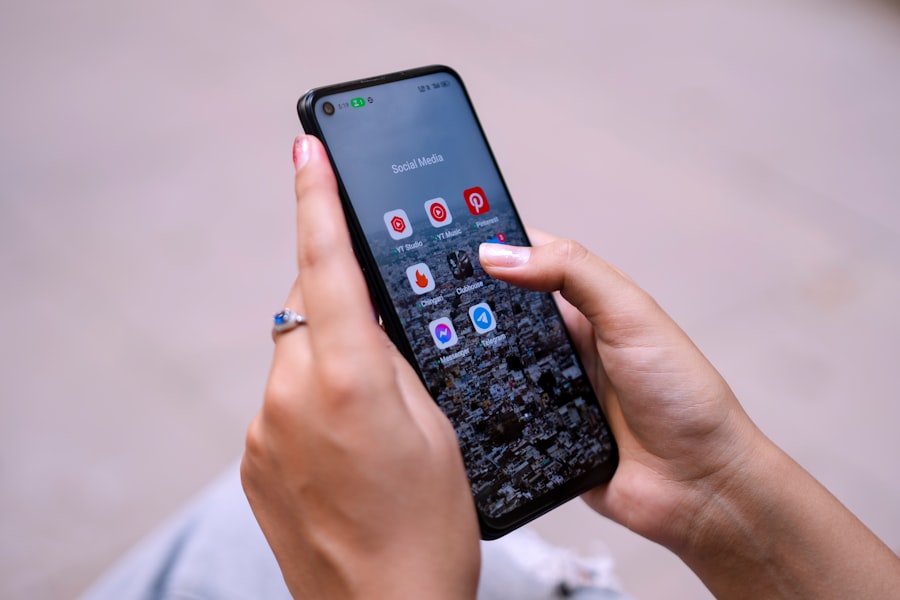
Most smartphones come equipped with features like Do Not Disturb and silent modes that can help you manage notifications more effectively. By utilizing these settings, you can silence alerts during specific times or activities, allowing you to focus on what’s in front of you without constant interruptions. For instance, activating Do Not Disturb during work hours can help you maintain concentration on tasks without the temptation to check every incoming message.
You might also consider customizing these settings based on your needs. For example, allowing calls from certain contacts while silencing others can ensure that you remain reachable for emergencies while minimizing distractions from less urgent communications. By taking advantage of these features, you empower yourself to create a more peaceful digital experience that aligns with your priorities.
Establishing Notification-Free Time Blocks
Establishing notification-free time blocks is an effective strategy for enhancing productivity and fostering deeper connections with those around you. Designate specific periods throughout your day when you will completely disconnect from notifications—this could be during work hours, family meals, or even while engaging in hobbies. By committing to these time blocks, you create a structured approach that allows for uninterrupted focus and engagement.
During these designated times, consider putting your phone in another room or turning it off entirely. This physical separation reinforces the commitment to being present in the moment and reduces the temptation to check for updates. As you practice this habit regularly, you may find that it becomes easier to concentrate on tasks and enjoy quality time with loved ones without the constant pull of digital distractions.
Practicing Mindfulness and Presence
Practicing mindfulness is an essential component of breaking free from the notification habit. Mindfulness involves being fully present in the moment and aware of your thoughts and feelings without judgment. By incorporating mindfulness techniques into your daily routine, you can cultivate a greater sense of awareness regarding how notifications impact your life.
Consider integrating mindfulness practices such as meditation or deep breathing exercises into your day. These practices can help ground you in the present moment and reduce feelings of anxiety associated with constant notifications. Additionally, try engaging in activities that promote mindfulness—such as yoga or nature walks—where you can immerse yourself in the experience without distractions from your device.
As you develop a stronger connection to the present moment, you may find it easier to resist the urge to check notifications impulsively.
Finding Alternative Ways to Stay Connected
In a world dominated by digital communication, finding alternative ways to stay connected can help reduce reliance on notifications while fostering deeper relationships. Consider reaching out to friends and family through face-to-face interactions or phone calls instead of relying solely on text messages or social media updates. These personal connections often provide a more fulfilling experience than quick digital exchanges.
You might also explore group activities or community events that encourage social interaction without the interference of devices. Joining clubs or participating in local gatherings allows you to engage with others meaningfully while minimizing distractions from notifications. By prioritizing these alternative forms of connection, you can strengthen relationships and create lasting memories without the constant pull of digital alerts.
The Importance of Self-Care in Breaking the Notification Habit
Self-care plays a crucial role in breaking the notification habit and fostering a healthier relationship with technology. Taking time for yourself allows you to recharge mentally and emotionally, making it easier to resist the urge to check notifications constantly. Prioritize activities that bring you joy and relaxation—whether it’s reading a book, practicing a hobby, or spending time in nature.
Additionally, consider incorporating regular digital detoxes into your routine—periods where you intentionally disconnect from all devices for a set amount of time. This practice not only helps reduce reliance on notifications but also allows for self-reflection and personal growth. By prioritizing self-care, you create a foundation for healthier habits that support a balanced lifestyle free from the overwhelming influence of constant alerts.
Maintaining a Notification-Free Lifestyle
Maintaining a notification-free lifestyle requires ongoing commitment and self-awareness. As technology continues to evolve, new apps and platforms will emerge that may tempt you back into old habits. To stay on track, regularly assess your relationship with notifications and make adjustments as needed.
This might involve revisiting your boundaries or re-evaluating which notifications are essential for your life. Additionally, surround yourself with supportive individuals who share similar goals regarding technology use. Engaging in conversations about digital wellness can reinforce your commitment and provide motivation when challenges arise.
By fostering a community focused on mindful technology use, you create an environment conducive to maintaining a notification-free lifestyle long-term. In conclusion, breaking free from the notification habit is not just about silencing alerts; it’s about reclaiming control over your attention and prioritizing what truly matters in life. By understanding the impact of notifications on mental health, setting boundaries, creating supportive environments, and practicing mindfulness, you can cultivate a more balanced relationship with technology that enhances rather than detracts from your overall well-being.
If you’re finding it challenging to stop constantly checking your notifications, you’re not alone. Many people struggle with the urge to stay connected, which can significantly impact productivity and mental well-being. A related article that might offer some valuable insights is available on Productive Patty’s website. This article delves into practical strategies to help you manage your notification habits effectively. You can read more about these techniques by visiting Productive Patty. By implementing some of these strategies, you can regain control over your time and focus on what truly matters.
📅 Dopamine Is The Productivity Scam You Fell For (The Ultimate Focus Reset)
FAQs
What are notifications?
Notifications are alerts or messages that appear on your device to inform you about new information, updates, or activities related to apps, emails, messages, or other sources.
Why is it important to stop checking notifications?
Constantly checking notifications can lead to distractions, decreased productivity, and increased stress. It can also disrupt your focus and attention on important tasks.
How can I stop checking notifications?
You can stop checking notifications by turning off non-essential notifications, setting specific times to check and respond to notifications, using do not disturb mode, and practicing mindfulness and self-discipline.
What are the benefits of reducing notification checking?
Reducing notification checking can lead to improved focus, increased productivity, reduced stress, better time management, and enhanced overall well-being.
How can I manage notifications effectively?
You can manage notifications effectively by prioritizing important notifications, customizing notification settings for each app, using notification management apps, and setting boundaries for when to check notifications.