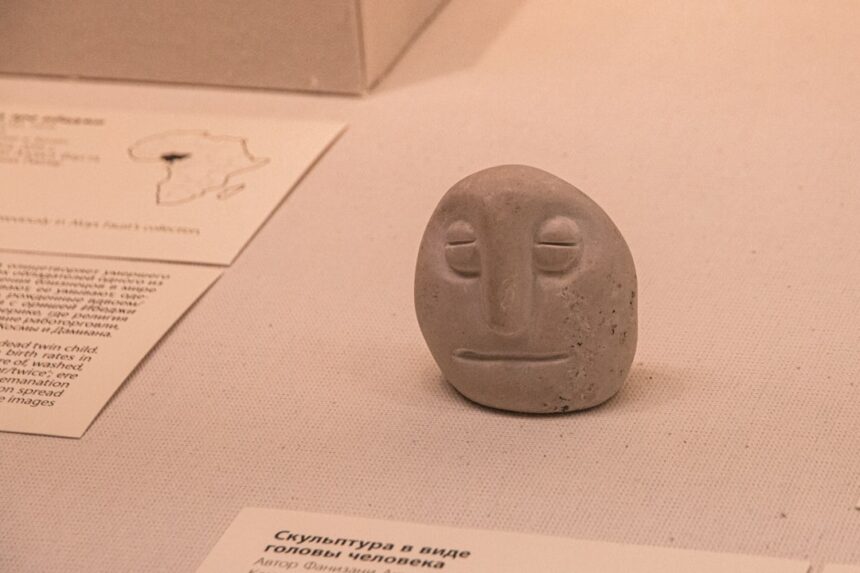
In archaeology and museum studies, artifact interpretation extends beyond physical examination to encompass cultural, historical, and social contexts of creation and use. Identity bias presents a significant challenge in this field, as interpreters’ personal backgrounds, beliefs, and experiences can influence their analysis, potentially resulting in skewed or incomplete narratives about the past. Identity bias affects both artifact analysis and public presentation.
For example, an archaeologist’s cultural background might influence their assessment of an artifact’s importance, creating interpretations that reflect their own experiences rather than the object’s original context. This can lead to historical misrepresentations that shape public understanding inaccurately. Recognizing identity bias is essential for developing a more critical approach to artifact interpretation, ultimately fostering more accurate and inclusive historical narratives.
Key Takeaways
- Identity bias significantly influences how artifacts are interpreted, often shaping historical narratives.
- Cultural context and unconscious biases play critical roles in the analysis of artifacts.
- Incorporating diverse perspectives helps to reduce identity bias and enrich artifact interpretation.
- Ethical considerations and awareness of power dynamics are essential in addressing identity bias.
- Practical tools and strategies can mitigate identity bias, promoting more inclusive and accurate understandings.
The Role of Cultural Context in Artifact Analysis
Cultural context plays a pivotal role in how artifacts are understood and interpreted. Each artifact is a product of its time and place, imbued with meanings that reflect the values, beliefs, and practices of the culture from which it originates. When you analyze an artifact, it is essential to consider the broader cultural landscape in which it was created.
This includes understanding the social structures, religious beliefs, and economic conditions that influenced its production and use. By situating artifacts within their cultural contexts, you can gain deeper insights into their significance and avoid oversimplified interpretations. Moreover, cultural context helps to illuminate the relationships between different artifacts and the societies that produced them.
For example, examining a pottery shard alongside other household items can reveal insights into daily life, trade practices, and social hierarchies within a community. As you engage with artifacts, consider how their meanings may shift when viewed through different cultural lenses. This approach not only enriches your understanding but also fosters a more holistic view of history that honors the complexities of human experience.
Uncovering Unconscious Bias in Artifact Interpretation
Unconscious bias is an insidious force that can subtly influence your interpretations without your awareness. It often stems from societal norms and personal experiences that shape your perceptions and judgments. In artifact interpretation, this bias can lead to assumptions about the significance or function of an object based on preconceived notions rather than evidence.
For instance, if you approach an artifact with a specific cultural lens, you may overlook alternative interpretations that could provide a more comprehensive understanding. To uncover unconscious bias in your work, it is essential to engage in self-reflection and critical analysis. Consider your own background and how it may influence your interpretations.
Are there certain narratives or perspectives that you tend to favor? By acknowledging these biases, you can actively work to counteract them in your analysis. Additionally, seeking feedback from colleagues or engaging with diverse perspectives can help illuminate blind spots in your understanding, ultimately leading to more nuanced interpretations.
The Impact of Identity Bias on Historical Narratives
Identity bias has far-reaching implications for the historical narratives constructed around artifacts. When interpretations are shaped by personal biases, they can perpetuate stereotypes or reinforce dominant narratives that marginalize certain groups. For example, if an artifact associated with a particular culture is interpreted solely through the lens of Western values, it may lead to a skewed understanding that overlooks the richness and complexity of that culture’s history.
As you engage with artifacts, consider how your interpretations might contribute to broader historical narratives and whether they serve to empower or silence marginalized voices. Furthermore, identity bias can influence which artifacts are prioritized for study and display. If certain groups are underrepresented in the field of archaeology or museum curation, their stories may be overlooked or misrepresented.
This not only affects academic discourse but also shapes public understanding of history. By recognizing the impact of identity bias on historical narratives, you can strive to create more equitable representations that honor diverse perspectives and experiences.
Strategies for Recognizing and Addressing Identity Bias in Artifact Interpretation
| Metric | Description | Example | Recommended Approach |
|---|---|---|---|
| Self-awareness Level | Degree to which an individual recognizes their thoughts as separate from their identity | Noticing “I am having the thought that I am not good enough” instead of “I am not good enough” | Practice mindfulness and reflective journaling |
| Emotional Reactivity | Intensity of emotional response to judgments about self | Feeling intense shame when making a mistake | Use cognitive distancing techniques to observe emotions without attachment |
| Judgment Frequency | How often identity judgments occur in daily thoughts | Frequent thoughts like “I am lazy” or “I am smart” | Increase awareness through meditation and thought tracking |
| Use of Language | How often language conflates actions with identity | Statements like “I am a failure” vs. “I failed at this task” | Reframe language to separate behavior from self |
| Ability to Reframe | Skill in shifting from identity-based judgments to behavior-based observations | Changing “I am bad” to “I made a mistake” | Practice cognitive restructuring exercises |
To effectively recognize and address identity bias in artifact interpretation, you can employ several strategies that promote critical thinking and inclusivity. First, cultivating awareness of your own biases is essential. Engage in self-reflection to identify how your background may influence your interpretations.
Consider keeping a reflective journal where you document your thoughts and feelings about specific artifacts and their meanings. Another effective strategy is to actively seek out diverse perspectives when analyzing artifacts. Collaborating with colleagues from different cultural backgrounds or areas of expertise can provide valuable insights that challenge your assumptions.
Additionally, engaging with community members who have connections to the artifacts being studied can enrich your understanding and help ensure that their voices are included in the narrative.
Case Studies: Examples of Identity Bias in Artifact Interpretation
Examining case studies can provide concrete examples of how identity bias has influenced artifact interpretation throughout history. One notable instance is the interpretation of Native American artifacts by non-Indigenous archaeologists. Often, these interpretations have been shaped by Western frameworks that fail to account for Indigenous knowledge systems and cultural practices.
As a result, many artifacts have been misrepresented or stripped of their original meanings. Another example can be found in the analysis of ancient Egyptian artifacts by Western scholars during the colonial period. Many interpretations were influenced by Eurocentric views that prioritized certain aspects of Egyptian culture while neglecting others.
This has led to a skewed understanding of ancient Egyptian society that often overlooks its complexity and diversity. By studying these case examples, you can gain insights into how identity bias has historically shaped artifact interpretation and consider how similar biases may still exist today.
The Importance of Diverse Perspectives in Artifact Analysis
Incorporating diverse perspectives into artifact analysis is crucial for fostering a more comprehensive understanding of history. When you engage with individuals from various cultural backgrounds or disciplines, you open yourself up to new interpretations and insights that may challenge your preconceived notions. This collaborative approach not only enriches your analysis but also promotes inclusivity within the field.
Moreover, diverse perspectives can help to counteract identity bias by providing alternative narratives that reflect the complexities of human experience. For instance, involving community members in the interpretation process can ensure that their voices are heard and their stories are represented accurately. By valuing diverse perspectives, you contribute to a more equitable understanding of artifacts and their significance within broader historical contexts.
Ethical Considerations in Artifact Interpretation
Ethical considerations play a vital role in artifact interpretation, particularly when it comes to issues of representation and ownership. As you analyze artifacts, it is essential to consider who has the right to tell their stories and how those stories are presented. Engaging with communities connected to the artifacts being studied is not only respectful but also necessary for ensuring accurate representation.
Additionally, ethical considerations extend to issues of provenance and cultural heritage. When interpreting artifacts from marginalized communities or cultures that have been historically oppressed, it is crucial to approach these narratives with sensitivity and care. By prioritizing ethical practices in your work, you contribute to a more responsible and inclusive approach to artifact interpretation.
The Intersection of Identity Bias and Power Dynamics in Artifact Analysis
Identity bias does not exist in a vacuum; it intersects with power dynamics that shape who gets to interpret artifacts and whose narratives are prioritized. In many cases, those in positions of power—such as academic institutions or museums—may inadvertently perpetuate biases that marginalize certain voices while elevating others. As you navigate this landscape, it is essential to recognize how power dynamics influence artifact analysis and strive for greater equity within the field.
By critically examining these power dynamics, you can work towards creating more inclusive spaces for artifact interpretation. This may involve advocating for underrepresented voices within academic discourse or challenging institutional practices that reinforce existing biases. Ultimately, addressing the intersection of identity bias and power dynamics is crucial for fostering a more equitable understanding of history.
Tools for Mitigating Identity Bias in Artifact Interpretation
To mitigate identity bias in artifact interpretation effectively, several tools and methodologies can be employed.
By analyzing the language used in scholarly articles or museum displays, you can identify potential biases and work towards more inclusive representations.
Another valuable tool is participatory research methods that involve community engagement throughout the interpretation process. By collaborating with individuals who have direct connections to the artifacts being studied, you can ensure that their perspectives are included and valued. This approach not only enriches your analysis but also fosters trust between researchers and communities.
Moving Towards a More Inclusive and Accurate Understanding of Artifacts
As you reflect on the complexities surrounding identity bias in artifact interpretation, it becomes clear that striving for inclusivity is essential for achieving a more accurate understanding of history. By recognizing your own biases, engaging with diverse perspectives, and prioritizing ethical considerations, you can contribute to a more equitable narrative that honors the richness of human experience. Moving forward, it is crucial to remain vigilant about the impact of identity bias on artifact analysis while actively seeking ways to address it within your work.
By fostering collaboration among scholars, communities, and institutions, you can help create a more inclusive environment where all voices are heard and valued. Ultimately, this commitment to inclusivity will lead to a deeper appreciation for the artifacts we study and the stories they tell about our shared past.
In exploring the nuances of separating artifact from identity judgment, it’s essential to consider the insights provided in the article on Productive Patty. This resource delves into the importance of distinguishing between the value of an object and the personal identity of its creator, which can significantly enhance our understanding of creativity and self-worth. For more information, you can read the article [here](https://www.productivepatty.com/).
WATCH THIS! 🧠 Why You Quit at 80% (The Neuroscience of the Breaking Point)
FAQs
What is an artifact in the context of identity judgment?
An artifact refers to any external object, behavior, or characteristic that is mistakenly used to define or judge a person’s identity. It is often a superficial or incidental feature rather than an intrinsic part of who the person truly is.
Why is it important to separate artifact from identity judgment?
Separating artifact from identity judgment is important to avoid misjudging or stereotyping individuals based on external or superficial traits. It helps in understanding a person’s true identity beyond appearances or assumptions.
How can one identify if a judgment is based on an artifact?
A judgment is likely based on an artifact if it relies on external factors such as clothing, accent, social media presence, or other surface-level attributes rather than the person’s values, beliefs, or experiences.
What are common examples of artifacts that lead to identity misjudgment?
Common artifacts include cultural dress, language or accent, social media profiles, physical appearance, or even hobbies. These can sometimes lead to incorrect assumptions about a person’s background, personality, or values.
What strategies can help in separating artifact from true identity?
Strategies include practicing active listening, asking open-ended questions, avoiding snap judgments, seeking to understand context, and being aware of personal biases that may influence perception.
Can separating artifact from identity judgment improve interpersonal relationships?
Yes, by focusing on a person’s true identity rather than superficial traits, individuals can build more authentic and respectful relationships based on mutual understanding and empathy.
Is separating artifact from identity judgment relevant in professional settings?
Absolutely. In professional environments, avoiding judgments based on artifacts can promote diversity, equity, and inclusion, leading to better teamwork and a more respectful workplace culture.
How does cultural awareness play a role in separating artifact from identity judgment?
Cultural awareness helps individuals recognize that certain artifacts may have different meanings in different cultures, reducing the likelihood of misinterpretation and fostering more accurate understanding of identity.
Are there psychological benefits to separating artifact from identity judgment?
Yes, it can reduce prejudice and stereotyping, promote empathy, and contribute to healthier self-esteem for both the person being judged and the person making the judgment.
Can technology or social media affect the separation of artifact from identity judgment?
Yes, social media often highlights artifacts such as curated images or posts, which can lead to misjudgments. Being critical and mindful of online representations helps in distinguishing between artifact and true identity.