
You find yourself standing at a precipice, the stark, unyielding landscape of “all or nothing” stretching out before you. It’s a familiar territory, one you’ve navigated countless times, driven by an internal compass that seems to point only towards extremes. Success is a dazzling, all-consuming inferno, and failure is a desolate, frozen wasteland. There is no in-between, no gradual ascent, no gentle descent. This is the all-or-nothing mindset, and it’s holding you captive.
The Tyranny of Extremes
You recognize the subtle, insidious ways this mindset infiltrates your life. It dictates your goals, your efforts, and your self-perception. When you set out to achieve something, it’s with an all-or-nothing fervor. If the initial surge of motivation doesn’t translate into immediate, overwhelming victory, you’re prone to abandon the endeavor entirely. The fear of not being good enough, of falling short of an imagined perfect outcome, paralyzes you. You might spend hours meticulously planning a project, only to scrap it because you can’t guarantee its perfection from the outset. This isn’t efficiency; it’s a self-sabotaging dance with the devil of idealism.
The Illusion of Control
The all-or-nothing mindset often stems from a deep-seated desire for control. You believe that by demanding absolute success, you can somehow command the universe to bend to your will. If things don’t unfold precisely as you envision, you interpret it as a complete loss, a testament to your inherent inadequacy. This perspective is flawed; life is inherently unpredictable. Embracing it means relinquishing the impossible burden of dictating every variable. True control lies not in forcing outcomes, but in your response to them.
You might wonder where this rigid way of thinking originates. It’s rarely an intentional choice, but rather a deeply ingrained pattern developed over time. Examining these roots is the first crucial step in dismantling it.
Childhood Influences
Consider your upbringing. Were you raised in an environment where perfection was emphasized, and mistakes were met with significant criticism or disappointment? Perhaps you witnessed parents or authority figures who operated with a similar all-or-nothing approach. If achievement was lauded exclusively and any deviation from the ideal was met with withdrawal of affection or approval, you learned that anything less than perfect was effectively a failure. This can breed a deep-seated fear of imperfection, leading you to avoid challenges where you might stumble.
Societal Pressures
You live in a culture that often glorifies extraordinary achievements. Social media, news headlines, and popular narratives frequently highlight individuals who have reached the pinnacle of success in a dramatic fashion. This constant barrage of exceptionalism can create an unrealistic benchmark, making your own efforts feel insignificant unless they reach similar stratospheric heights. You internalize the idea that “good enough” is simply not good enough.
Past Experiences of Setback
Think about times you have experienced significant setbacks. If a failure, even a minor one, was perceived as catastrophic, you may have developed a protective mechanism: avoid the possibility of failure altogether by refusing to engage in anything that isn’t guaranteed to be flawless. This can lead to a life of missed opportunities, where the potential for even moderate success remains unrealized due to the fear of utter defeat.
If you’re looking to break free from the all-or-nothing mindset, you might find valuable insights in the article available at Productive Patty. This resource offers practical strategies and tips to help you cultivate a more balanced perspective, encouraging you to embrace progress over perfection. By exploring the concepts presented in this article, you can learn how to shift your thinking and develop healthier habits that promote long-term success.
The Detrimental Impact on Your Life
The all-or-nothing mindset is not merely an annoying quirk; it actively hinders your progress and well-being. Recognizing these negative consequences can be a powerful motivator for change.
Career Stagnation
In your professional life, this mindset can be a significant impediment. You might avoid applying for promotions because you don’t feel you meet every single requirement, or you might abandon ambitious projects due to the fear of not executing them perfectly. The pursuit of incremental progress and learning from mistakes is sacrificed for the sake of avoiding potential imperfection. This can leave you feeling stuck, watching others who are willing to take calculated risks and learn on the go surpass you.
Strained Relationships
Your personal relationships can also suffer. You might approach disagreements with an “I’m right, you’re wrong” mentality, unwilling to find compromise or understand differing perspectives. If a relationship doesn’t meet your idealized vision of perfection, you might be tempted to walk away rather than work through the inevitable challenges. This can lead to a revolving door of connections, lacking the depth and resilience that comes from navigating imperfections together.
Diminished Well-being
The constant pressure to be perfect and the accompanying fear of failure create a breeding ground for anxiety and self-doubt. You are likely to experience chronic stress, as you are perpetually operating under the assumption that any slip-up will have dire consequences. This can manifest as burnout, low self-esteem, and a general sense of dissatisfaction with your life, even when objectively successful.
Practical Strategies for Cultivating Balance
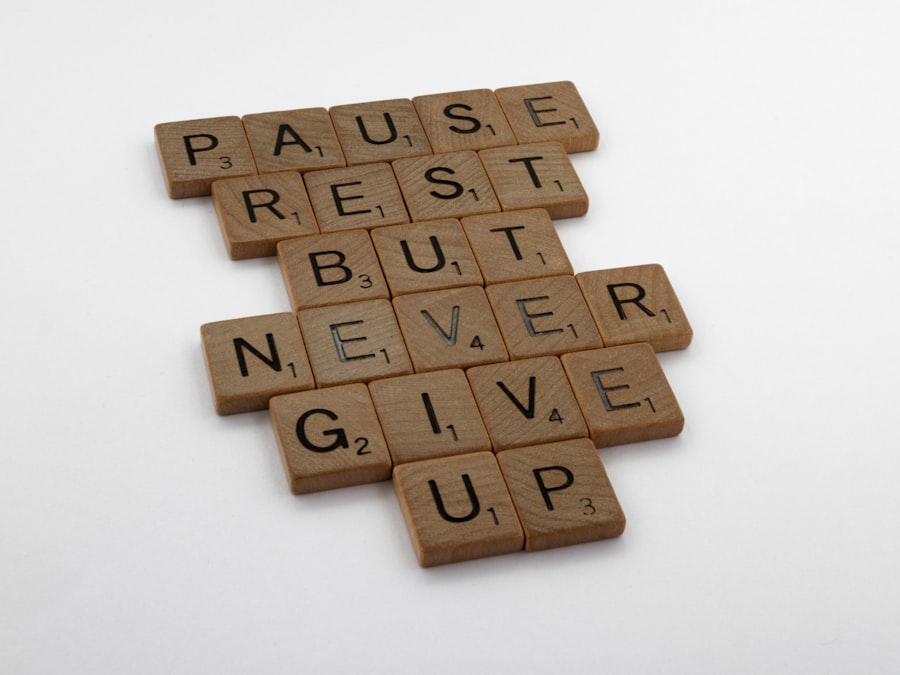
Breaking free from the all-or-nothing mindset requires conscious effort and the implementation of practical strategies. It’s about retraining your internal dialogue and adjusting your approach to challenges.
Embrace the “Good Enough”
Begin by intentionally practicing the concept of “good enough.” This doesn’t mean settling for mediocrity, but rather acknowledging that an outcome doesn’t need to be absolutely perfect to be valuable. When working on a task, set a realistic criterion for completion and be satisfied with meeting it, rather than endlessly tweaking for an unattainable ideal. Celebrate the completion of tasks, regardless of whether they were executed with flawless precision.
Focus on Progress, Not Just Outcomes
Shift your focus from the ultimate outcome to the process of progress. Break down large goals into smaller, manageable steps. Acknowledge and appreciate each step you complete. This creates a sense of momentum and demonstrates that even “small” achievements contribute to the larger picture. You are building something, brick by brick, and each brick laid is a success in itself.
Reframe “Failure” as “Learning”
This is perhaps the most critical shift. When you encounter setbacks, consciously reframe them as opportunities for learning and growth. Instead of viewing a failed attempt as proof of your inadequacy, ask yourself: “What can I learn from this experience? What would I do differently next time?” This transforms potential sources of shame into valuable lessons that will serve you in future endeavors.
Practice Self-Compassion
Treat yourself with the same kindness and understanding you would offer a friend. When you make mistakes or fall short of your expectations, avoid harsh self-criticism. Acknowledge that you are human, and imperfections are an inherent part of the human experience. Gentle self-correction is far more effective than punitive self-judgment.
Applying These Strategies in Various Aspects of Your Life

These strategies are not theoretical concepts; they are actionable tools that you can integrate into your daily life.
In Your Work or Studies
When faced with a challenging project, avoid feeling overwhelmed by the enormity of it. Instead, break it down into smaller tasks. For instance, if you’re writing a report, focus on completing the outline first, then drafting a section, then editing that section. Celebrate the completion of each smaller task. If you make a mistake in your work, don’t dwell on it. Correct it, learn from it, and move on. Acknowledging that an imperfect draft is better than no draft at all is a crucial step.
In Your Health and Fitness Journey
If you’re aiming to improve your fitness, don’t fall into the trap of thinking you need to go to the gym every single day for two hours or follow an extremely restrictive diet. Start with achievable goals: a 30-minute walk a few times a week, or incorporating more vegetables into your meals. If you miss a workout or have an indulgent meal, don’t abandon your efforts entirely. Get back on track with your next planned activity. Consistency over perfection is the key.
In Your Creative Pursuits
If you’re an artist, writer, or musician, resist the urge to only share your work when it’s “perfect.” Embrace the process of creation, which often involves experimentation and less-than-ideal iterations. Share your drafts, your sketches, your practice sessions. The feedback you receive can be invaluable for improvement, and the act of creating itself is a reward. Understand that mastery is a journey, not an immediate destination.
In Your Relationships
When navigating disagreements with loved ones, strive for understanding rather than absolute victory. Listen actively to their perspective, even if you don’t agree with it. Be willing to find common ground and compromise. Recognize that relationships are complex and require ongoing effort, grace, and a willingness to overlook minor imperfections in each other. Acknowledging that no relationship is perfect and that navigating challenges is part of its strength is vital.
If you’re struggling with the all or nothing mindset, you might find it helpful to explore strategies that promote a more balanced approach to life. One insightful resource is an article on Productive Patty, which offers practical tips on overcoming this limiting perspective. By understanding the nuances of your thoughts and behaviors, you can learn to embrace a more flexible mindset. For further guidance, check out the article on Productive Patty to discover effective techniques that can help you break free from rigid thinking patterns.
The Ongoing Journey of Breaking Free
| Steps to Escape the All or Nothing Mindset | Benefits |
|---|---|
| Recognize the mindset | Reduced stress and anxiety |
| Practice self-compassion | Improved mental well-being |
| Set realistic goals | Increased motivation and satisfaction |
| Celebrate small victories | Boosted self-esteem and confidence |
| Embrace flexibility | Enhanced adaptability and resilience |
Breaking free from the all-or-nothing mindset isn’t a one-time event; it’s an ongoing process. There will be times when the old patterns resurface, especially during periods of stress or uncertainty. This is normal. The key is to recognize these moments and gently guide yourself back towards a more balanced perspective.
Continued Practice and Patience
Be patient with yourself. Unlearning deeply ingrained habits takes time and consistent effort. Celebrate small victories along the way, and don’t get discouraged by occasional slips. The more you consciously practice these new approaches, the more natural they will become.
Seeking Support
Don’t hesitate to seek support from friends, family, or a therapist. Talking about your struggles and receiving encouragement from others can be incredibly beneficial. A professional can provide valuable tools and coping mechanisms to help you navigate this transition.
Embracing Imperfect Perfection
Ultimately, the goal isn’t to become complacent, but to develop a more realistic and sustainable approach to life. It’s about embracing the beauty of imperfection, the value of incremental progress, and the resilience that comes from learning and adapting. You can achieve your goals, build meaningful connections, and live a more fulfilling life, not by demanding absolute perfection, but by embracing the process, learning from every step, and choosing progress over paralysis. You are capable of transcending the limitations of extremes and cultivating a more balanced, robust, and ultimately more rewarding existence.
FAQs
What is the all or nothing mindset?
The all or nothing mindset is a cognitive distortion where individuals see things in black and white, with no middle ground. It often leads to perfectionism, fear of failure, and difficulty in finding balance.
What are the consequences of the all or nothing mindset?
The all or nothing mindset can lead to increased stress, anxiety, and burnout. It can also hinder personal growth, as individuals may avoid trying new things for fear of not being perfect at them.
How can one escape the all or nothing mindset?
To escape the all or nothing mindset, individuals can practice self-compassion, challenge their perfectionistic thoughts, and strive for progress rather than perfection. It’s also helpful to set realistic goals and celebrate small victories.
What are some strategies for overcoming the all or nothing mindset?
Some strategies for overcoming the all or nothing mindset include practicing mindfulness, reframing negative thoughts, seeking support from others, and focusing on the process rather than the outcome.
Why is it important to escape the all or nothing mindset?
Escaping the all or nothing mindset is important for mental and emotional well-being. It allows individuals to experience more balance, resilience, and self-compassion, leading to a healthier and more fulfilling life.