The prefrontal cortex is located in the anterior portion of the frontal lobe and serves as the brain’s executive control center. This region is responsible for numerous higher cognitive functions essential for daily functioning, including decision-making, problem-solving, and the regulation of social behavior. The prefrontal cortex continuously evaluates situations, analyzes options, and predicts potential outcomes during everyday activities.
Its development extends into early adulthood, explaining the observable improvements in decision-making capabilities that occur with maturation. The prefrontal cortex also plays a critical role in future planning and goal-setting processes. It enables abstract thinking and consequence evaluation, which are fundamental components of informed decision-making.
This brain region facilitates the integration of past experiences with future projections, allowing for comprehensive information processing. Knowledge of prefrontal cortex function provides insight into mechanisms of self-regulation and decision-making processes, which can be applied to enhance cognitive performance.
Key Takeaways
- The prefrontal cortex is crucial for self-control, influencing decision making and emotional regulation.
- Strengthening the prefrontal cortex through mindfulness and targeted strategies enhances self-control abilities.
- Effective self-control supports goal setting and is key to achieving long-term success.
- Overcoming obstacles to self-control involves understanding its connection to emotions and practicing consistent regulation techniques.
- Mastering self-control yields significant benefits, including improved decision making, emotional balance, and personal achievement.
The role of the prefrontal cortex in self-control
Self-control is a vital skill that enables you to manage impulses and delay gratification. The prefrontal cortex plays a central role in this process by regulating your thoughts and behaviors. When faced with temptations or distractions, it is your prefrontal cortex that helps you resist immediate rewards in favor of more significant long-term benefits.
This ability to exercise self-control is not just about saying “no” to short-term pleasures; it involves a complex interplay of cognitive processes that allow you to prioritize your goals and values. In moments of temptation, your prefrontal cortex acts as a brake on impulsive behavior. It evaluates the potential consequences of your actions and helps you make choices aligned with your long-term objectives.
For instance, when you’re tempted to indulge in unhealthy snacks while on a diet, it’s your prefrontal cortex that reminds you of your health goals and encourages you to opt for a healthier choice instead. By understanding the role of this brain region in self-control, you can better appreciate the importance of nurturing its functions to enhance your overall decision-making capabilities. You can learn more about
Strengthening the regulation of your prefrontal cortex is essential for enhancing self-control and improving decision-making skills.
Activities such as puzzles, memory games, and strategic thinking tasks can stimulate the prefrontal cortex and promote its development.
Engaging in these activities regularly can help sharpen your cognitive abilities and improve your capacity for self-regulation. Additionally, mindfulness practices can significantly enhance the functioning of your prefrontal cortex. By incorporating mindfulness meditation into your daily routine, you can cultivate greater awareness of your thoughts and emotions.
This heightened awareness allows you to recognize impulsive urges as they arise, giving you the opportunity to respond thoughtfully rather than reactively. Over time, this practice can lead to improved self-control and a more balanced approach to decision-making.
The impact of self-control on decision making
Self-control has a profound impact on your decision-making processes. When you possess strong self-control, you are better equipped to evaluate options critically and make choices that align with your long-term goals. This ability to resist immediate gratification allows you to prioritize what truly matters in your life, whether it’s pursuing a career path, maintaining healthy relationships, or achieving personal growth.
Conversely, a lack of self-control can lead to impulsive decisions that may have negative consequences. Consider how self-control influences various aspects of your life. In financial matters, for instance, exercising self-control can help you resist the temptation to overspend on unnecessary items, allowing you to save for future investments or emergencies.
In relationships, strong self-control enables you to communicate effectively and manage conflicts without resorting to reactive behaviors. By recognizing the impact of self-control on decision-making, you can take proactive steps to enhance this skill and improve the quality of your choices.
Strategies for improving self-control
| Metric | Description | Typical Range/Value | Measurement Method | Relevance to Prefrontal Cortex Regulation |
|---|---|---|---|---|
| Functional Connectivity | Degree of synchronized activity between the prefrontal cortex and other brain regions | Correlation coefficient: 0.3 – 0.8 | fMRI (Functional Magnetic Resonance Imaging) | Indicates how well the prefrontal cortex regulates cognitive and emotional processes |
| Glutamate Concentration | Level of glutamate neurotransmitter in the prefrontal cortex | 1.5 – 3.5 mM (millimolar) | Magnetic Resonance Spectroscopy (MRS) | Reflects excitatory neurotransmission involved in regulation and executive function |
| Gray Matter Volume | Volume of gray matter in the prefrontal cortex | ~15 – 25 cm³ (varies by age and sex) | MRI Structural Imaging | Associated with cognitive control and regulatory capacity |
| Neural Activation Level | Level of activation during regulatory tasks | Percent signal change: 0.5% – 3% | fMRI BOLD signal during tasks | Measures engagement of prefrontal cortex in regulation |
| Inhibitory Control Performance | Behavioral measure of regulation ability | Stop-signal reaction time: 200 – 300 ms | Stop-signal task (behavioral test) | Reflects prefrontal cortex’s role in impulse control |
| Resting-State EEG Alpha Power | Alpha wave power in prefrontal cortex at rest | 8 – 12 Hz, power varies by individual | Electroencephalography (EEG) | Linked to inhibitory control and regulation capacity |
Improving self-control requires intentional effort and the implementation of effective strategies. One powerful approach is setting clear goals and breaking them down into manageable steps. When you have specific objectives in mind, it becomes easier to stay focused and resist distractions that may derail your progress.
By creating a roadmap for achieving your goals, you can maintain motivation and reinforce your commitment to self-discipline. Another effective strategy is to create an environment that supports self-control. This may involve removing temptations from your surroundings or establishing routines that promote healthy habits.
For example, if you’re trying to eat healthier, keeping nutritious snacks readily available while minimizing junk food in your home can make it easier to make better choices. Additionally, surrounding yourself with supportive individuals who share similar goals can provide encouragement and accountability as you work on strengthening your self-control.
The connection between self-control and emotional regulation
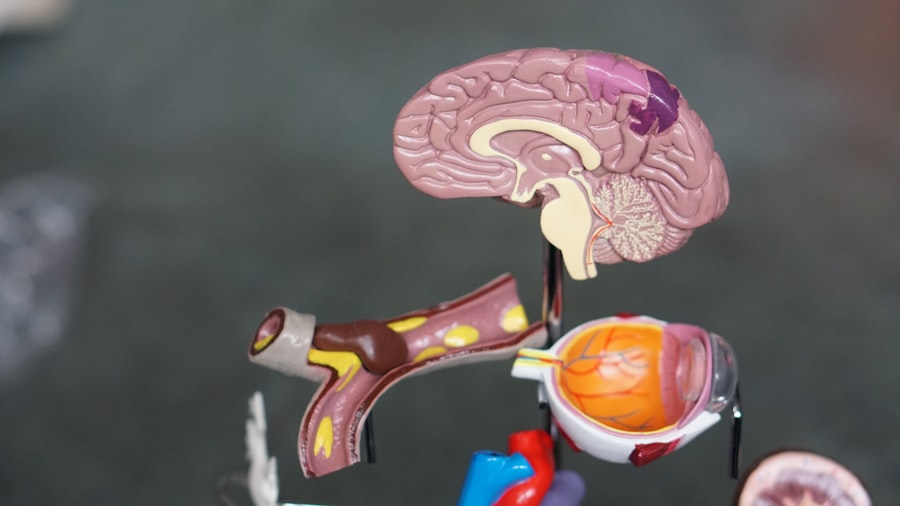
Self-control is closely intertwined with emotional regulation, as both skills rely on the functioning of the prefrontal cortex. When you experience strong emotions—such as anger, anxiety, or sadness—your ability to exercise self-control may be compromised. In these moments, it becomes challenging to think clearly and make rational decisions.
However, by developing emotional regulation skills, you can enhance your capacity for self-control. Practicing techniques such as deep breathing, journaling, or engaging in physical activity can help you manage intense emotions more effectively. By learning to recognize and process your feelings without becoming overwhelmed by them, you create space for thoughtful decision-making.
This connection between emotional regulation and self-control underscores the importance of addressing both aspects in order to achieve a balanced and fulfilling life.
The link between self-control and goal setting
Goal setting is an essential component of personal development, and it is closely linked to self-control. When you set clear and achievable goals, you provide yourself with a framework for making decisions that align with your aspirations. Self-control becomes crucial in this process because it allows you to stay committed to your goals even when faced with distractions or setbacks.
To maximize the effectiveness of goal setting in relation to self-control, consider employing the SMART criteria—Specific, Measurable, Achievable, Relevant, and Time-bound. By crafting goals that meet these criteria, you create a roadmap that enhances your focus and motivation. As you work towards these goals, exercising self-control will enable you to navigate challenges with resilience and determination.
The importance of mindfulness in self-control
Mindfulness plays a vital role in enhancing self-control by fostering greater awareness of your thoughts and emotions. When you practice mindfulness, you cultivate the ability to observe your impulses without judgment or immediate reaction. This heightened awareness allows you to pause before acting on urges, giving you the opportunity to make more deliberate choices.
Incorporating mindfulness techniques into your daily routine can significantly improve your self-control over time. Simple practices such as mindful breathing or body scans can help ground you in the present moment and reduce impulsive reactions. As you become more attuned to your internal experiences, you’ll find it easier to navigate temptations and make decisions that align with your values.
The role of self-control in achieving long-term success
Self-control is often regarded as a cornerstone of long-term success across various domains of life. Whether you’re pursuing academic achievements, career advancements, or personal growth, the ability to exercise self-discipline plays a crucial role in reaching your objectives. Individuals who demonstrate strong self-control are more likely to stay focused on their goals and persist through challenges.
Consider how self-control influences different aspects of success. In academics, students who practice self-discipline are more likely to complete assignments on time and study effectively for exams. In professional settings, employees who exhibit self-control are better equipped to manage their time efficiently and maintain productivity even in the face of distractions.
By recognizing the significance of self-control in achieving long-term success, you can prioritize its development as a key component of your personal growth journey.
Overcoming common obstacles to self-control
While developing self-control is essential for personal growth, it’s important to acknowledge that obstacles may arise along the way. Common challenges include environmental triggers, stressors, and negative thought patterns that can undermine your efforts. Recognizing these obstacles is the first step toward overcoming them.
To address environmental triggers, consider modifying your surroundings to minimize temptations. For instance, if you’re trying to reduce screen time, create designated tech-free zones in your home where distractions are limited. Additionally, managing stress through healthy coping mechanisms—such as exercise or relaxation techniques—can help prevent emotional overwhelm that may lead to impulsive decisions.
By proactively addressing these common obstacles, you’ll be better equipped to strengthen your self-control over time.
The benefits of mastering self-control
Mastering self-control offers a multitude of benefits that extend beyond immediate gratification resistance; it enhances various aspects of your life and contributes to overall well-being. Improved self-control leads to better decision-making skills, allowing you to navigate challenges with confidence and clarity. As you cultivate this skill, you’ll find yourself making choices that align with your values and long-term aspirations.
Furthermore, mastering self-control fosters resilience in the face of adversity. When challenges arise—whether personal or professional—you’ll be better equipped to respond thoughtfully rather than react impulsively. This resilience not only enhances your ability to cope with stress but also contributes to stronger relationships and improved emotional well-being.
Ultimately, investing time and effort into mastering self-control can lead to a more fulfilling and successful life journey.
Research on the regulation of the prefrontal cortex has revealed its critical role in decision-making and emotional regulation. For a deeper understanding of how this brain region influences our daily productivity and mental health, you can explore the article on Productive Patty, which discusses various strategies to enhance cognitive function and optimize brain performance.
WATCH THIS! 🧠 THE NEUROPLASTICITY TRAP: Why Your Brain Sabotages Success (The 60-Second Fix)
FAQs
What is the prefrontal cortex?
The prefrontal cortex is the front part of the brain’s frontal lobes, located just behind the forehead. It is involved in complex cognitive behaviors such as decision-making, planning, social behavior, and regulating emotions.
What does prefrontal cortex regulation mean?
Prefrontal cortex regulation refers to the brain’s ability to control and manage thoughts, emotions, and behaviors through the functions of the prefrontal cortex. This regulation helps in maintaining focus, controlling impulses, and making reasoned decisions.
Why is prefrontal cortex regulation important?
Effective regulation by the prefrontal cortex is crucial for adaptive behavior, emotional control, problem-solving, and social interactions. It helps individuals respond appropriately to different situations and manage stress.
How does the prefrontal cortex regulate emotions?
The prefrontal cortex regulates emotions by interacting with other brain regions, such as the amygdala, to modulate emotional responses. It helps in assessing situations, inhibiting inappropriate reactions, and promoting thoughtful responses.
Can prefrontal cortex regulation be improved?
Yes, prefrontal cortex regulation can be enhanced through practices such as mindfulness meditation, cognitive-behavioral therapy, regular physical exercise, adequate sleep, and engaging in challenging cognitive tasks.
What happens if the prefrontal cortex is damaged?
Damage to the prefrontal cortex can result in difficulties with decision-making, impulse control, emotional regulation, and social behavior. It may lead to problems such as increased risk-taking, mood disorders, and impaired judgment.
How is prefrontal cortex regulation studied?
Researchers study prefrontal cortex regulation using neuroimaging techniques like fMRI and PET scans, behavioral assessments, and neuropsychological tests to understand its role in cognition and emotion.
What role does the prefrontal cortex play in mental health?
The prefrontal cortex plays a key role in mental health by regulating emotions and behaviors. Dysregulation in this area is associated with conditions such as depression, anxiety, ADHD, and schizophrenia.