You’ve dedicated yourself to optimizing your performance, whether that’s in the gym, on the field, in the boardroom, or pursuing any endeavor that demands peak physical and mental output. You meticulously track your workouts, dial in your nutrition, prioritize sleep, and manage your stress levels. Yet, you might be overlooking a crucial, foundational element: your nervous system. This intricate network, responsible for controlling everything from muscle contractions to cognitive function, is the ultimate conductor of your performance orchestra. If it’s out of tune, even the most precise individual notes will falter. This article explores the profound importance of regular nervous system check-ins and provides a framework for how you can implement them to unlock your true potential.
Your nervous system is not merely a collection of wires; it’s a dynamic, responsive system that dictates your ability to execute, adapt, and recover. It’s the bridge between your intentions and your actions.
The Central Nervous System: Your Command Center
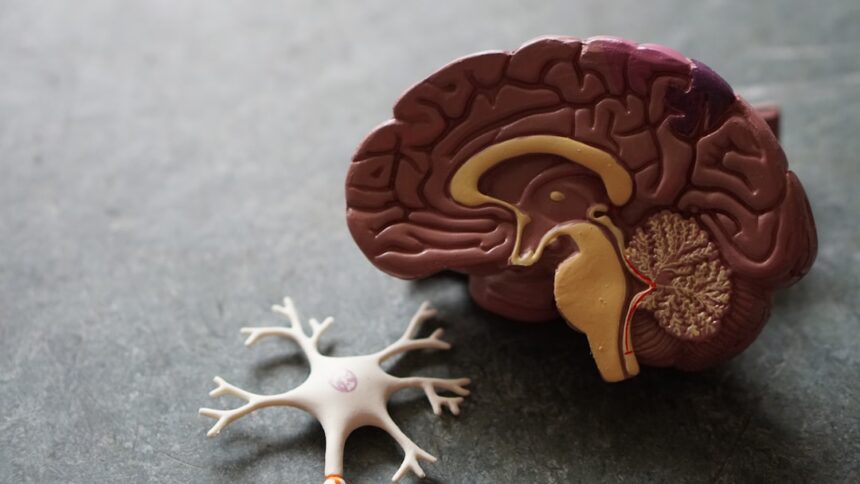
At the heart of it all lies your central nervous system (CNS), comprising the brain and spinal cord. Think of it as the supercomputer that processes all incoming information and sends out commands.
The Brain: The Architect of Thought and Action
Your brain is where your strategy, your decision-making, your focus, and your creativity reside. Its ability to form new neural pathways (neuroplasticity) is fundamental to learning new skills and refining existing ones. When your brain is fatigued or overwhelmed, these processes suffer. Your reaction times slow, your judgment becomes clouded, and your ability to learn new movements or complex information diminishes.
The Spinal Cord: The Information Superhighway
The spinal cord acts as the primary conduit for signals traveling between your brain and the rest of your body. It also plays a role in reflex actions, allowing for rapid responses to stimuli without conscious thought. Any disruption or overload on this highway can lead to communication breakdowns, affecting motor control and sensory feedback.
The Peripheral Nervous System: Your Body’s Messengers
The peripheral nervous system (PNS) branches out from your spinal cord, extending to every muscle, organ, and sensory receptor in your body. It’s responsible for carrying signals that tell your muscles to contract and for relaying sensory information back to your brain.
Somatic Nervous System: Voluntary Control
This part of your PNS governs your voluntary movements. When you decide to lift a weight, swing a racket, or type an email, your somatic nervous system is hard at work. Its efficiency is directly tied to the clarity and strength of the signals it receives from and sends to your CNS.
Autonomic Nervous System: Unconscious Operation
The autonomic nervous system (ANS) operates largely without your conscious control, managing vital functions like heart rate, digestion, and respiration. It’s further divided into two opposing branches: the sympathetic and parasympathetic nervous systems.
The Sympathetic Nervous System: The “Fight-or-Flight” Response
This branch prepares your body for action, increasing heart rate, blood pressure, and adrenaline levels. While essential for acute stressors, chronic activation of the sympathetic nervous system can lead to burnout, impaired recovery, and a heightened state of alert that hinders performance.
The Parasympathetic Nervous System: The “Rest-and-Digest” System
This branch promotes relaxation and recovery. It slows heart rate, aids digestion, and conserves energy. A well-functioning parasympathetic system is crucial for rebuilding tissues, consolidating memories, and maintaining hormonal balance, all of which are foundational for sustained performance.
For those interested in optimizing their performance through a deeper understanding of the nervous system, a related article can be found at Productive Patty. This resource offers insights into how regular nervous system check-ins can enhance focus, reduce stress, and ultimately lead to improved productivity. By incorporating these practices into your routine, you can unlock your full potential and achieve your goals more effectively.
Recognizing the Signs of Nervous System Fatigue
Your nervous system, like any engine, can experience wear and tear. Ignoring the warning signs can lead to a more significant performance plateau or even injury. These signs are often subtle initially but become more pronounced with continued stress.
Cognitive Indicators of Overload
Your cognitive abilities are often the first to exhibit signs of nervous system fatigue. You might notice a decrease in your mental sharpness and an increase in cognitive errors.
Decreased Focus and Attention Span
You find yourself easily distracted, struggling to maintain concentration on tasks for extended periods. What once felt like effortless focus now requires significant mental effort. This can manifest as rereading paragraphs multiple times, missing crucial details in conversations, or struggling to complete simple tasks without interruption.
Impaired Decision-Making and Judgment
Your ability to make sound judgments can become compromised. You might find yourself making impulsive decisions, struggling with complex problem-solving, or experiencing “analysis paralysis” where you’re unable to commit to a course of action. This can have significant consequences in competitive environments where quick, effective decisions are paramount.
Reduced Learning Capacity and Memory Issues
Learning new skills or remembering information becomes more challenging. You might feel like you’re not absorbing information as effectively as before, or you might experience increased forgetfulness regarding recent events or instructions. This hinders skill acquisition and adaptation to new training protocols or strategic changes.
Physiological Manifestations of Stress
Beyond cognitive changes, your body will also signal its distress through various physiological responses. These are often indicators that your ANS is struggling to maintain balance.
Persistent Muscle Soreness and Tightness
While some soreness is expected after intense training, lingering, disproportionate tightness and soreness across multiple muscle groups can indicate your nervous system is not effectively signaling relaxation and repair. Your muscles may feel chronically “on edge.”
Sleep Disturbances and Quality Degradation
When your nervous system is dysregulated, especially a hyperactive sympathetic system, falling asleep or staying asleep can become a challenge. You might experience insomnia, frequent awakenings, or a general lack of restful, restorative sleep, leaving you feeling unrefreshed even after a full night’s rest.
Increased Perceived Exertion and Decreased Motivation
Tasks that were once manageable now feel significantly harder, requiring more effort to achieve the same outcome. This elevated perceived exertion, coupled with a diminished desire to engage in training or performance-related activities, is a strong indicator of nervous system fatigue. Your “drive” may feel depleted.
Autonomic Imbalances: Heart Rate Variability and Resting Heart Rate
Subtle shifts in your heart rate variability (HRV) and resting heart rate (RHR) can be powerful indicators of ANS function. A consistently low HRV or an elevated RHR can suggest your sympathetic system is chronically activated, hindering recovery.
Implementing Nervous System Check-Ins: A Practical Approach
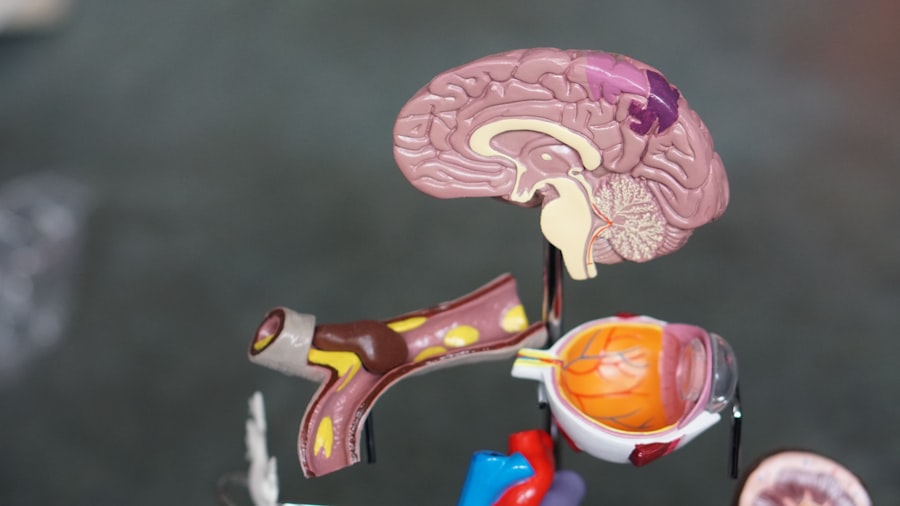
Integrating regular nervous system check-ins into your routine doesn’t require complex equipment or extensive knowledge. It’s about developing self-awareness and employing simple, effective assessment tools.
Self-Assessment Techniques You Can Use Daily
These methods are designed to be incorporated seamlessly into your daily preparation and recovery.
Subjective Feeling Scales: Your Internal Compass
Utilize simple rating scales to gauge your subjective experience.
Readiness to Perform Scale
Rate your overall feeling of readiness on a scale of 1-10. This encompasses physical energy, mental clarity, and emotional state. A consistently low score is a red flag.
Stress and Recovery Levels
Assign a number or descriptive word to your perceived stress and recovery. Are you feeling overwhelmed or refreshed?
Simple Physical Assessments
These provide objective, albeit basic, insights into your nervous system’s status.
Morning NVC (Neuromuscular Volitional Control) Test
Before you even get out of bed, assess your ability to contract and relax specific muscle groups on command. Can you feel the connection? Is there latency or a vague sensation? For example, try to “engage” your glutes, then immediately “relax” them. Note any difficulty or disconnect.
Balance and Proprioception Tests
Simple tests like standing on one leg with your eyes closed can reveal subtle changes in your balance and awareness of your body in space. Difficulty suggests potential proprioceptive impairments, which are reliant on nervous system function.
Breathing Pattern Analysis
Your breath is a direct gateway to your autonomic nervous system.
Diaphragmatic Breathing Assessment
Observe your breathing patterns when you are relaxed. Are you predominantly breathing from your chest or your diaphragm? A shallow, chest-dominant breathing pattern often indicates a dominance of the sympathetic nervous system. Consciously practicing diaphragmatic breathing can help shift the balance towards parasympathetic activation.
Utilizing Technology for Deeper Insights
While self-assessment is valuable, technology can offer more objective and nuanced data.
Heart Rate Variability (HRV) Monitoring
HRV measures the variation in time between heartbeats, reflecting the interplay between your sympathetic and parasympathetic nervous systems.
Daily HRV Readings
Utilize wearable devices or apps to track your HRV first thing in the morning. Trends in your HRV (e.g., a significant drop) can indicate increased stress, inadequate recovery, or impending illness before you feel physically unwell.
Understanding Your Baseline
Establish a personal baseline for your HRV during periods of optimal performance and recovery. Deviations from this baseline become more meaningful indicators.
Sleep Trackers and Analysis
Quality sleep is paramount for nervous system repair and function.
Sleep Stage Analysis
Track your sleep stages (light, deep, REM) and total sleep time. Difficulty entering or spending adequate time in deep and REM sleep can point to underlying nervous system dysregulation.
Sleep Quality Scores
Many trackers provide a sleep quality score. Consistently low scores, even with adequate hours in bed, warrant further investigation.
Integrating Nervous System Check-Ins into Your Performance Routine

The real value lies not just in identifying issues but in proactively addressing them.
Pre-Performance Activation and Readiness Assessment
Before crucial events or demanding training sessions, a brief check-in can ensure you’re primed for success.
Optimizing Neuromuscular Preparedness
Use light activation exercises that focus on mind-muscle connection.
Dynamic Warm-Up with Intent
Instead of going through the motions, consciously focus on the contraction and release of each muscle group as you perform your dynamic warm-up.
Proprioceptive Drills
Include exercises that challenge your balance and body awareness. For example, walking lunges with a thoracic rotation can engage multiple systems.
Mental State Evaluation
Assess your mental readiness to perform.
Goal Reaffirmation
Briefly reconnect with your goals for the session or competition. This can help focus your mental energy.
Visualization Techniques
Spend a few minutes visualizing successful execution of your planned actions. This primes your nervous system for optimal performance.
Post-Performance Recovery and Adaptation Strategies
Recovery is when the magic of adaptation happens. Your nervous system needs to be guided back to a balanced state.
Facilitating Parasympathetic Dominance
These techniques encourage your body to shift from the “fight-or-flight” state to “rest-and-digest.”
Coherent Breathing Exercises
Practice slow, deep breathing, aiming for an equal duration of inhale and exhale. This can directly calm the sympathetic nervous system.
Active Recovery and Light Movement
Gentle activities like walking or stretching can promote blood flow and aid in the removal of metabolic byproducts without further taxing your nervous system.
Identifying and Addressing Deficits
Use your check-in data to inform your recovery plan.
Targeted Mobility Work
If your check-ins reveal specific areas of tightness or restricted movement, focus your mobility work on those areas.
Nutritional Adjustments
Consider if your nutritional intake supports nervous system recovery. Are you adequately hydrated? Are you consuming sufficient micronutrients that play a role in neurotransmitter synthesis and nerve function?
For those interested in optimizing their performance, understanding the intricacies of the nervous system is essential. A recent article highlights various techniques for conducting a nervous system check that can significantly enhance your overall well-being and productivity. By exploring the methods discussed in this insightful piece, you can learn how to better manage stress and improve focus. To delve deeper into this topic, you can read the full article on the importance of a nervous system check for high performance at this link.
Creating a Personalized Nervous System Management Plan
| Metrics | Results |
|---|---|
| Heart Rate | 78 bpm |
| Blood Pressure | 120/80 mmHg |
| Respiration Rate | 14 breaths per minute |
| Temperature | 98.6°F (37°C) |
| Neurological Response | Normal |
Your nervous system is unique, and so should your approach to managing its performance.
Establishing Personal Baselines and Thresholds
Understanding what is “normal” for you is critical for identifying deviations.
Tracking Trends Over Time
Don’t fixate on a single day’s data. Look for patterns and trends in your subjective and objective assessments. A sustained dip in HRV or consistent difficulty with balance tests is more significant than an isolated anomaly.
Identifying Your Unique Stressors
Recognize what factors in your life most significantly impact your nervous system. This could be training volume, sleep deprivation, work deadlines, or interpersonal stressors.
Developing Proactive Strategies for Sustained Performance
Prevention is more effective than reaction.
Implementing Regular “De-Stressing” Protocols
Schedule dedicated time for activities that promote relaxation and parasympathetic activation, even when you’re not feeling overtly stressed. This could be meditation, yoga, spending time in nature, or engaging in enjoyable hobbies.
Periodization of Nervous System Load
Just as you periodize your training, consider periodizing the “load” on your nervous system. This might involve incorporating deload weeks or periods of lower cognitive demand to allow for deeper recovery.
Adjusting Your Training and Lifestyle Based on Feedback
Your check-ins should directly influence your decisions.
Modifying Training Intensity and Volume
If your nervous system check-ins consistently indicate fatigue, it’s a signal to back off the intensity or volume of your training. Pushing through can lead to overtraining and injury.
Prioritizing Sleep and Nutrition with Precision
If your sleep quality is consistently poor, or if your HRV suggests inadequate recovery, make sleep a non-negotiable priority and re-evaluate your nutrition to ensure it’s supporting your body’s repair processes.
Conclusion: The Nervous System as Your Performance Foundation
You strive for excellence, and in that pursuit, you’ve likely honed many aspects of your physical and mental conditioning. However, the nervous system is the bedrock upon which all other performance components are built. Neglecting its health and function is akin to building a skyscraper on unstable ground. By diligently performing nervous system check-ins, you gain invaluable insights into your body’s true state, allowing you to make informed decisions about training, recovery, and lifestyle. This proactive approach not only prevents burnout and injury but also unlocks a deeper, more sustainable level of performance, ensuring you can consistently operate at your peak, now and in the long term. Treat your nervous system with the attention it deserves, and you’ll discover a newfound capacity for resilience, adaptation, and enduring success.
FAQs
What is the nervous system check-in for high performance?
The nervous system check-in for high performance is a practice that involves assessing and regulating the body’s nervous system to optimize performance and well-being. It focuses on understanding and managing the body’s stress response to improve mental clarity, emotional regulation, and physical performance.
How does the nervous system check-in impact high performance?
The nervous system check-in can impact high performance by helping individuals to better manage stress, regulate emotions, and improve cognitive function. By understanding and regulating the body’s stress response, individuals can enhance their ability to focus, make decisions, and perform under pressure.
What are some techniques used in a nervous system check-in?
Techniques used in a nervous system check-in may include deep breathing exercises, mindfulness practices, progressive muscle relaxation, and biofeedback. These techniques are designed to help individuals become more aware of their physiological state and learn to regulate their nervous system’s response to stress.
Who can benefit from a nervous system check-in for high performance?
Athletes, performers, professionals, and individuals in high-stress environments can benefit from a nervous system check-in for high performance. By learning to regulate their nervous system’s response to stress, individuals can improve their ability to perform at their best and maintain overall well-being.
How often should a nervous system check-in be practiced?
The frequency of practicing a nervous system check-in can vary depending on individual needs and circumstances. Some individuals may benefit from daily check-ins, while others may find it helpful to practice during particularly stressful or high-performance periods. It’s important to find a routine that works best for each individual’s needs.