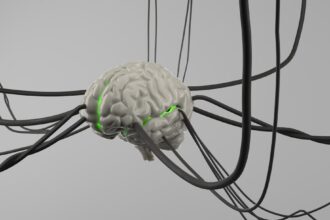
You’re feeling it. That heavy, persistent hum beneath the surface. Your thoughts feel sluggish, conversations require Herculean effort, and the mere prospect of another email sends a shiver of dread down your spine. This isn’t just a bad day; this is mental fatigue, a pervasive drain on your cognitive resources. The relentless glow of screens, the constant barrage of information, and the constant demands on your attention have worn you down. The good news? You can recover. And you can do it without diving back into the digital deluge. This is about reclaiming your mental bandwidth through deliberate, screen-free strategies.
Before you can effectively combat mental fatigue, you need to understand its roots. It’s not a sign of weakness, but a natural consequence of our modern, hyper-connected lives. Your brain is an organ, and like any other organ, it can be overused and overworked.
The Cognitive Load
Think of your brain like a computer with limited RAM. Every task you perform, every piece of information you process, consumes a portion of that RAM. Social media notifications, email alerts, constant multitasking – these all contribute to a significant increase in your cognitive load. When this load becomes too heavy, your brain struggles to keep up, leading to the feeling of being overwhelmed and mentally drained.
Information Overload and Decision Fatigue
We are bombarded with more information daily than any previous generation could have imagined. This constant influx requires your brain to filter, process, and prioritize, which is an energy-intensive process. Furthermore, the sheer volume of choices we face in a day, from what to eat for breakfast to which streaming service to watch, contributes to decision fatigue. Making countless small decisions depletes your mental energy, leaving you less equipped to handle more significant challenges.
The Impact of Constant Connectivity
The expectation of being constantly available and responsive is a major contributor to mental fatigue. The pressure to reply to emails immediately, to engage with social media trends, and to be “on” all the time creates a state of perpetual alert. This hyper-vigilance prevents your brain from entering states of true rest and recovery, exacerbating the feeling of exhaustion.
The Cycle of Fatigue and Reduced Productivity
When you’re mentally fatigued, your ability to focus, concentrate, and problem-solve diminishes. This often leads to a decline in productivity, which can, in turn, create more stress and pressure, further deepening the cycle of fatigue. You might find yourself taking longer to complete tasks, making more errors, and feeling increasingly frustrated with your own performance.
If you’re looking for effective ways to recover from mental fatigue without relying on screens, you might find the article on Productive Patty particularly helpful. This resource offers practical tips and strategies to rejuvenate your mind through activities such as mindfulness, physical exercise, and engaging in creative hobbies. By incorporating these techniques into your daily routine, you can enhance your mental clarity and overall well-being, allowing you to recharge and tackle your tasks with renewed energy.
Reclaiming Your Time: The Power of Unplugging
The most direct way to combat screen-induced mental fatigue is to reduce your screen time. This isn’t about demonizing technology, but about intentionally stepping away from its constant demands to allow your brain to recalibrate.
Setting Screen Time Boundaries
Just as you set boundaries in your personal and professional life, it’s crucial to set boundaries around your screen use. This means actively deciding when and how you will engage with screens.
Designated “No Screen” Zones
Identify specific areas in your home where screens are off-limits. Your bedroom is an obvious candidate, as screens before sleep can disrupt your natural sleep cycles. Consider making your dining table a screen-free zone as well, to encourage more present and engaged conversations during meals.
Scheduled Screen Breaks
Don’t wait until you’re completely depleted to take a break. Schedule short, intentional screen breaks throughout your day. Even five to ten minutes away from your devices can make a difference. Use this time to stretch, look out a window, or simply close your eyes.
The “Digital Sunset”
Implement a “digital sunset” in the hours leading up to bedtime. This involves powering down all electronic devices, including smartphones, tablets, and laptops, at a predetermined time each evening. This simple act can significantly improve the quality of your sleep, which is paramount for mental recovery.
The Illusion of Multitasking
While it may feel productive, constant multitasking is actually detrimental to cognitive function. Your brain isn’t truly doing multiple things at once; it’s rapidly switching between tasks, which is incredibly inefficient and mentally taxing.
Single-Tasking as a Practice
Deliberately practice single-tasking. When you’re engaged in an activity, commit to doing only that activity. If you’re reading, focus solely on the words on the page. If you’re listening to someone speak, give them your undivided attention. This trains your brain for focused attention, which is a key component of mental resilience.
Batching Similar Tasks
If you must engage with screens, try batching similar tasks together. For example, respond to all your emails during a designated hour, or do all your social media browsing at a specific time. This reduces the mental switching cost associated with jumping between different types of digital activities.
Nurturing Your Brain Through Nature

Stepping away from screens and into the natural world is a powerful antidote to mental fatigue. Nature has a restorative effect, helping to calm the nervous system and reduce stress.
The Restorative Effects of Green Spaces
Studies have consistently shown that spending time in nature can improve mood, reduce anxiety, and enhance cognitive function. This is often attributed to the concept of “biophilia,” our innate human connection to nature.
The Simple Act of Walking in Nature
You don’t need to embark on a multi-day wilderness trek. A simple walk in a local park, along a tree-lined street, or even in your backyard can be profoundly beneficial. Pay attention to the sights, sounds, and smells around you.
Mindful Observation of Nature
Engage in mindful observation of the natural world. Notice the intricate patterns on a leaf, the way sunlight filters through the trees, or the flight of a bird. This focused attention on the present moment can draw you out of your worried thoughts and into a state of calm.
Fresh Air and Natural Light
The benefits of fresh air and natural light extend beyond simply feeling good. Exposure to sunlight helps regulate your circadian rhythm, which is crucial for healthy sleep patterns. Fresh air can also invigorate your senses and improve your mood.
Opening Windows and Doors
Make a conscious effort to bring the outdoors in. Open windows and doors to allow fresh air to circulate throughout your home. Even on cooler days, a few minutes of fresh air can be revitalizing.
Harnessing Natural Light for Energy
Maximize your exposure to natural light during the day. Position your workspace near a window, and take short breaks to sit or stand in natural light, even if it’s just for a few minutes. This can help boost your energy levels and improve alertness.
Engaging Your Senses Beyond the Screen

Mental fatigue often arises from an overreliance on visual and auditory input from screens. Engaging your other senses can provide a much-needed break and re-ground you in the physical world.
The Tactile Experience of Physical Objects
The physical world offers a wealth of tactile experiences that are often absent from our digital lives. Engaging with objects through touch can be incredibly grounding and soothing.
Gardening and Houseplants
The act of gardening, whether it’s tending to a small herb garden or caring for houseplants, provides a direct connection to the earth and a satisfying tactile experience. The feel of soil, the texture of leaves, and the growth of plants can be deeply meditative.
Working with Your Hands
Explore hobbies that involve working with your hands. This could be knitting, pottery, woodworking, drawing, or any craft that requires manual dexterity. The focus and satisfaction derived from creating something tangible can be a powerful stress reliever.
The Comfort of Soft Textures
Surround yourself with soft, comforting textures. This could be a cozy blanket, a plush rug, or comfortable clothing made from natural fibers. The simple act of touching these textures can provide a sense of calm and security.
The Power of Scent and Sound (Organically)
Beyond the digital, there are countless organic scents and sounds that can positively impact your mental state.
Aromatherapy and Natural Scents
Certain essential oils, when used safely, can have a calming or uplifting effect. Consider diffusing lavender for relaxation, citrus scents for invigoration, or eucalyptus for clarity. Alternatively, simply enjoy the natural scents of flowers, herbs, or freshly baked bread.
Natural Soundscapes
Listen to the sounds of nature: the chirping of birds, the gentle rustling of leaves, the rhythm of rainfall. You can also create your own calming soundscapes by listening to instrumental music without lyrics, or the sounds of a crackling fireplace.
Recovering from mental fatigue can be a challenge, especially in our screen-dominated world. Engaging in activities that promote relaxation and mindfulness can be incredibly beneficial. For instance, taking a walk in nature, practicing deep breathing exercises, or even enjoying a good book can help rejuvenate your mind. If you’re looking for more tips on how to effectively recharge without relying on screens, you might find this article on mental wellness particularly useful. It offers practical strategies to help you regain your focus and energy.
Recharging Your Mind Through Movement and Stillness
| Technique | Description |
|---|---|
| Take a walk | Engage in a brisk walk outdoors to clear your mind and get some fresh air. |
| Practice deep breathing | Use deep breathing exercises to relax and reduce stress. |
| Engage in a hobby | Immerse yourself in a hobby or activity that you enjoy, such as painting, gardening, or playing a musical instrument. |
| Listen to music | Listen to calming music to help soothe your mind and reduce mental fatigue. |
| Take a power nap | Rest for a short period of time to recharge and rejuvenate your mind. |
Mental fatigue doesn’t mean you have to be completely inactive. In fact, the right kind of movement and intentional stillness can be powerful tools for recovery.
Gentle Physical Activity for Cognitive Boost
While intense exercise might feel daunting when you’re fatigued, gentle physical activity can actually boost your cognitive function and energy levels.
Yoga and Mindful Movement
Practices like yoga, Tai Chi, or Qigong offer a combination of gentle movement, breathwork, and mindfulness. These disciplines can help release physical tension, improve circulation, and promote mental clarity, all without the intensity of a high-impact workout.
Walking Meditations
Combine the benefits of walking with mindfulness. During your walk, focus on the sensation of your feet hitting the ground, the rhythm of your breath, and the environment around you. This is a way to be active while also cultivating inner calm.
Stretching and Mobility Exercises
Even simple stretching and mobility exercises can help alleviate the physical stiffness that often accompanies mental fatigue. Focus on releasing tension in your neck, shoulders, and back – areas that tend to hold stress.
The Profound Impact of Rest and Sleep
This might seem obvious, but the quality and quantity of your rest are foundational to recovering from mental fatigue. When you’re digitally exhausted, your ability to truly rest is compromised.
Prioritizing Sleep Hygiene
Establish a consistent sleep schedule, even on weekends. Create a relaxing bedtime routine that signals to your body that it’s time to wind down. This could include reading a physical book, taking a warm bath, or listening to calming music.
Napping Strategically
If you’re feeling severely fatigued, a short power nap (20-30 minutes) can be incredibly restorative. Avoid long naps that can interfere with your nighttime sleep.
The Art of Doing Nothing
Sometimes, the most productive thing you can do is to simply do nothing. Allow yourself periods of unstructured downtime where you’re not performing any tasks, responding to anyone, or even thinking about what you should be doing. This quiet space is essential for your brain to recover and consolidate information.
By consciously implementing these screen-free strategies, you can begin to shed the pervasive weight of mental fatigue and reclaim your cognitive vitality. It’s a journey of intentionality, a deliberate move away from the constant hum of the digital world and back towards the grounding, restorative power of your own inner and outer environment. Your brain will thank you for it.
FAQs
What is mental fatigue?
Mental fatigue is a state of feeling mentally exhausted, often resulting from prolonged periods of cognitive activity or stress.
What are the symptoms of mental fatigue?
Symptoms of mental fatigue may include difficulty concentrating, feeling irritable, experiencing memory problems, and having a lack of motivation.
How can one recover from mental fatigue without a screen?
To recover from mental fatigue without a screen, one can engage in activities such as taking a walk, practicing mindfulness or meditation, engaging in physical exercise, getting enough sleep, and spending time in nature.
Why is it important to recover from mental fatigue?
Recovering from mental fatigue is important as it can help improve cognitive function, mood, and overall well-being. Ignoring mental fatigue can lead to burnout and long-term negative effects on mental health.
What are some other ways to prevent mental fatigue?
In addition to recovering from mental fatigue, it is important to prevent it by practicing good time management, setting boundaries, taking regular breaks, and seeking support from friends, family, or mental health professionals.