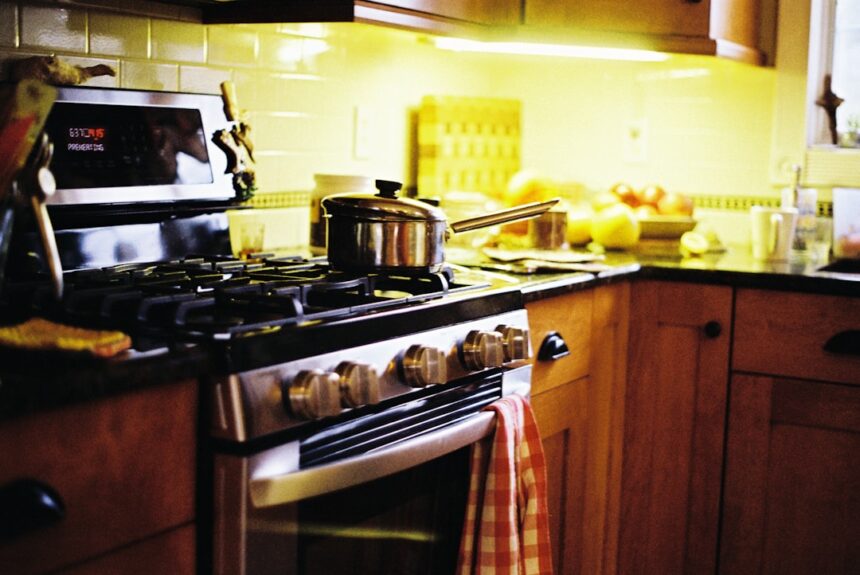
You’re standing in your kitchen. The air is thick with the scent of last night’s dinner, or perhaps the anticipation of tomorrow’s. You’re about to embark on a culinary endeavor, a simple meal, or a complex feast. But as you move, a familiar frustration arises. Something isn’t quite right. The workflow feels clunky, inefficient, even annoying. You’ve experienced it before, those little snags that impede your progress and dampen your enthusiasm. These are the friction points in your kitchen, and today, you’re going to address them.
The concept of a “smooth kitchen” isn’t about aesthetics, although a clean and organized space certainly helps. It’s about the underlying systems and habits that govern your movements, your decisions, and your actions within that space. It’s about optimizing the flow of tasks, from ingredient retrieval to cleanup, so that cooking feels less like a battle and more like a streamlined process. This isn’t about achieving some unattainable culinary nirvana, but about creating a functional, efficient, and ultimately more enjoyable environment for preparing food.
Before you can fix anything, you need to understand how you use your kitchen. It’s easy to fall into routines without questioning their effectiveness. Take a mental inventory, or better yet, a physical one. Observe yourself over a few days. What tasks do you perform most frequently? Where do delays or frustrations consistently occur? What seems to take longer than it should?
Identifying Recurring Obstacles
Think about the moments you groan internally. Is it the frantic search for a specific spice or utensil? Is it the awkward dance around overflowing countertops? Is it the multiple trips between the refrigerator and your cooking station? These recurring obstacles are your immediate friction points. Don’t dismiss them as minor annoyances; they are indicators of deeper inefficiencies.
The “Where is it?” Dilemma
This is a classic. You need the small whisk, but it’s buried under a pile of spatulas. You’re looking for the baking soda, but it’s in the back of the pantry, behind the flour. This wasted time spent searching can disrupt your momentum and lead to mistakes. It’s a direct consequence of poor organization.
Countertop Congestion
Are your countertops a perpetual battleground of ingredients, utensils, and appliances? This overcrowding isn’t just unsightly; it actively hinders your ability to chop, mix, and assemble. You’re constantly moving things to make space, interrupting your workflow.
Analyzing Task Sequences
Consider the typical sequence of your cooking tasks. Do you prepare all your ingredients before you start cooking, or do you chop as you go? Do you wash dishes as you cook, or do you let them accumulate? Understanding these sequences can reveal opportunities for streamlining. For example, setting up a “mise en place” station (all your ingredients prepped and measured) before you even turn on the stove can significantly reduce stress and errors during the cooking process.
Ingredient Gathering and Preparation
When you’re making a recipe, how do you get your ingredients to your workspace? Do you pull everything out at once, or do you make multiple trips from the pantry and refrigerator? Similarly, how do you handle prep work like chopping and measuring? Is it all done in one go, or interspersed with other tasks?
Cooking and Assembly Flow
Once the cooking begins, how do your actions flow? Are you constantly reaching for seasonings, flipping pans, and stirring? Or is there a rhythm to your movements, with necessary tools and ingredients within easy reach?
If you’re looking to enhance your kitchen efficiency by addressing common friction points, you might find valuable insights in this related article. It offers practical tips and strategies to streamline your cooking and organization processes, making your kitchen a more enjoyable space to work in. For more information, check out the article here: Productive Patty.
Optimizing Storage and Accessibility
Storage is perhaps the most significant area for addressing kitchen friction. If you can’t find what you need, when you need it, your entire cooking experience suffers. This isn’t about having more storage, but about having smarter storage.
Rethinking Cabinet and Drawer Layouts
Take a critical look at your cabinets and drawers. Are they organized based on what you use most often, or are they a chaotic jumble? Think about the principle of proximity: the things you use most frequently should be the easiest to access.
Zone-Based Organization
Consider creating “zones” within your kitchen. For example, you might have a baking zone, a prep zone, a cooking zone, and a cleanup zone. Store the relevant tools and ingredients within each zone. This reduces unnecessary movement throughout the kitchen. For instance, all your baking supplies – flour, sugar, extracts, measuring cups, and mixing bowls – should ideally be in or near your primary baking area.
Vertical Storage Solutions
Are you maximizing the vertical space in your cabinets and drawers? Lazy Susans, tiered shelves, drawer dividers, and wall-mounted racks can dramatically increase storage capacity and improve accessibility. These solutions prevent items from being lost at the bottom of deep cabinets.
Implementing Smart Drawer and Cabinet Inserts
Beyond simple organization, specific inserts can transform cluttered spaces into efficient ones. These are often small investments that yield significant returns in time and reduced frustration.
Drawer Dividers for Utensils and Gadgets
Clumsy utensil drawers are a common source of friction. Adjustable drawer dividers allow you to create custom compartments for spatulas, whisks, ladles, and smaller gadgets, keeping them neat and easy to find.
Tiered Shelves for Pots and Pans
Stacking pots and pans can be a workout, and accessing the one at the bottom is a hassle. Tiered shelves or pull-out racks allow you to store them vertically, making each pot and pan readily accessible.
Spice Racks and Organizers
A disorganized spice collection can make seasoning a recipe feel like a treasure hunt. Spice racks, whether wall-mounted, tiered shelf inserts, or drawer organizers, ensure that every spice has its place and is visible at a glance.
Streamlining Prep and Cooking Processes
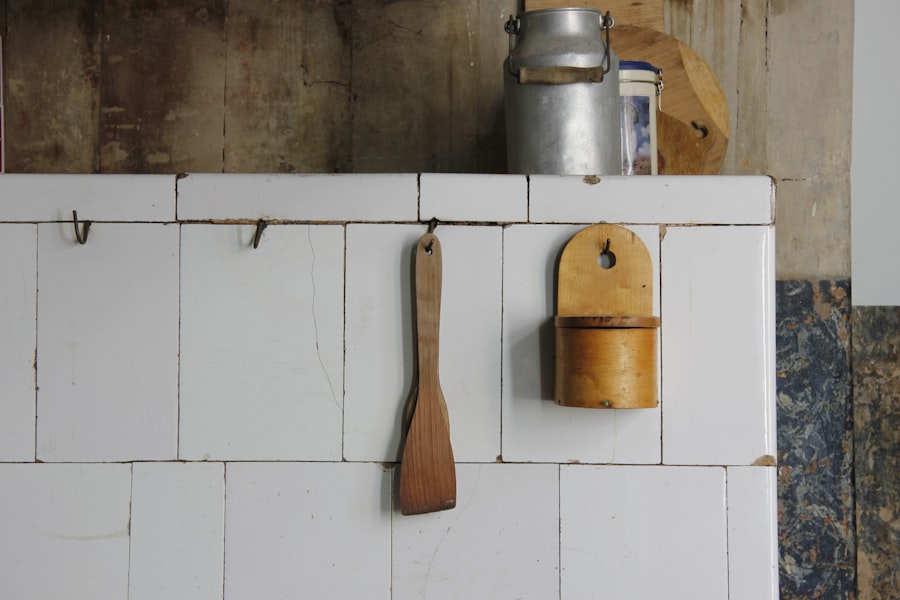
Once your storage is optimized, you can focus on improving the actual cooking process. This involves setting up your workspace efficiently and adopting habits that minimize wasted effort.
The Power of “Mise en Place”
This French culinary term translates to “everything in its place.” It’s a fundamental principle for efficient cooking. Before you even turn on the heat, have all your ingredients measured, chopped, peeled, and ready to go.
Dedicated Prep Zones
Designate a specific area of your countertop for your prep work. This could be near your sink and cutting boards. Have all your tools – knives, bowls, measuring cups – within immediate reach in this zone.
Pre-Portioning Ingredients
For recipes that require multiple small amounts of ingredients, pre-portioning them into small bowls or containers before you start cooking can save significant time and prevent errors. This is particularly useful for recipes with many spices or complex flavorings.
Efficient Tool and Appliance Placement
Think about the tools and appliances you use most often during the cooking phase. Where are they located? Are they within easy reach of your stovetop and primary prep area?
Stovetop Proximity
Spoons, spatulas, tongs, and frequently used spices should be within arm’s reach of your stovetop. A small caddy or a magnetic strip on the side of your refrigerator can be incredibly effective for this.
Appliance Accessibility
If you’re frequently using a stand mixer or a food processor for a particular recipe, consider where it’s stored. Is it easily accessible, or does it require moving other items?
Enhancing the Cleanup Routine

Cleanup is often the least appealing part of the cooking process, and friction here can lead to a backlog of dishes and a sense of defeat. A smoother cleanup routine makes the entire cooking experience more positive.
Pre-Cleaning Strategies
The best way to make cleanup easier is to do some of it during the cooking process. This prevents a monumental pile-up at the end.
Immediate Dishwashing or Soaking
As soon as you’ve finished with a bowl, utensil, or pan, either wash it immediately or at least rinse it and place it in the dishwasher. For stubborn residues, a quick soak can prevent extensive scrubbing later.
Wiping Down Surfaces as You Go
Keep a damp cloth or sponge handy and wipe down any spills or splatters as they occur. This prevents food from drying and becoming harder to remove.
Optimizing Dishwasher Loading and Unloading
The dishwasher itself can be a source of friction if not loaded and unloaded efficiently.
Strategic Loading Patterns
Understand how to load your dishwasher for maximum capacity and cleaning effectiveness. Place larger items at the back and sides, and smaller items in the silverware basket. Avoid overcrowding.
The “Clean Draw” System
Designate one drawer or cabinet as the “clean” draw, where all unloaded, clean dishes immediately go. This prevents clean dishes from lingering on the counter or in the sink, creating a clear path for dirty dishes.
If you’re looking to enhance your kitchen efficiency, addressing friction points is essential. A great resource for this is an article that provides practical tips on how to streamline your cooking process and make your kitchen more enjoyable to work in. You can find it here: how to fix friction points in the kitchen. By implementing these strategies, you can transform your culinary space into a more functional and inviting environment.
Cultivating Sustainable Habits
| Friction Point | Potential Solution |
|---|---|
| Lack of counter space | Install additional counter space or use portable kitchen islands |
| Cluttered cabinets | Organize and declutter cabinets, use storage containers |
| Inefficient layout | Consider kitchen remodeling to improve layout and workflow |
| Broken or malfunctioning appliances | Repair or replace faulty appliances |
| Poor lighting | Install brighter lighting fixtures or under-cabinet lighting |
Fixing friction points isn’t a one-time event. It’s about developing and maintaining habits that keep your kitchen running smoothly on a daily basis.
The Importance of Regular Tidying
A small amount of daily tidying can prevent larger messes from accumulating. This means putting things back where they belong immediately after use and clearing your countertops at the end of each cooking session.
Daily Kitchen Reset
Dedicate 5-10 minutes at the end of each day to reset your kitchen. This involves washing any remaining dishes, wiping down surfaces, and putting away stray items. This ensures you start the next day with a clean and organized space.
Weekly Deep Dive
Once a week, take a slightly longer look at your kitchen. This could involve a quick declutter of your pantry, a wipe-down of appliance fronts, or organizing your refrigerator. This proactive maintenance prevents small issues from becoming major problems.
Continuous Evaluation and Adaptation
Your needs and cooking habits may change over time. What works for you today might not work in six months. Be open to reassessing your kitchen setup and making adjustments as needed.
Post-Meal Reflection
After a particularly challenging meal or a smooth one, take a moment to reflect. What worked well? What could have been easier? Use these insights to make further refinements to your kitchen’s flow.
Seasonal Kitchen Reviews
Consider a more thorough review of your kitchen setup seasonally. As your cooking patterns change with the seasons (e.g., more baking in winter, grilling in summer), your organization and tool needs might shift as well.
By systematically identifying and addressing these friction points, you’re not just organizing your kitchen; you’re investing in a more efficient, less stressful, and ultimately more enjoyable way of preparing food. The goal is a kitchen that facilitates your culinary endeavors, rather than hindering them.
FAQs
What are common friction points in the kitchen?
Common friction points in the kitchen include cluttered countertops, disorganized cabinets, lack of storage space, inefficient layout, and malfunctioning appliances.
How can cluttered countertops be fixed?
Cluttered countertops can be fixed by decluttering and organizing items, using storage solutions such as shelves and hooks, and implementing a “one in, one out” rule for items that are frequently used.
What can be done to address disorganized cabinets?
Disorganized cabinets can be addressed by using storage containers, labeling items, and implementing a system for organizing and arranging items based on frequency of use.
How can lack of storage space be resolved?
Lack of storage space can be resolved by utilizing vertical space with shelves and racks, investing in multi-functional furniture, and decluttering to make room for essential items.
What are some ways to improve the efficiency of the kitchen layout?
Improving the efficiency of the kitchen layout can be done by rearranging appliances and work areas for better flow, creating designated zones for specific tasks, and investing in space-saving appliances and tools.