
You stand at the precipice of something significant. A promotion looms, a creative project hums with potential, a relationship blossoms with genuine connection. Yet, a familiar dread curls in your stomach, a subtle whisper of “what if it all falls apart?” Before you can even savor the anticipation, you find yourself enacting a series of actions, seemingly small at first, that steer you away from the very success you crave. This is the insidious dance of self-sabotage, a phenomenon deeply rooted in the intricate architecture of your brain. You’re not alone in this. Understanding the neuroscience behind why you undermine your own achievements is the first crucial step towards rewriting the script.
Your brain, a marvel of evolutionary engineering, is primarily geared towards survival. This fundamental programming, honed over millennia, often interprets novel or challenging situations as potential threats, even when your conscious mind recognizes the opportunities they represent. This primal circuitry, while vital for escaping a saber-toothed tiger, can become a significant impediment in the complexities of modern life.
The Hijacking Power of the Amygdala
Nestled deep within your temporal lobes, the amygdala serves as your brain’s alarm system. It’s the rapid-response unit, tasked with flagging potential dangers and initiating the fight-or-flight response. When faced with situations that challenge your comfort zone, trigger past negative experiences, or evoke feelings of vulnerability, your amygdala can go into overdrive.
When Past Trauma Resurfaces
If you’ve experienced trauma, your amygdala might be hypersensitive. It can interpret even mild stressors as existential threats, leading to an exaggerated fear response. This might manifest as acute anxiety, avoidance behaviors, or an irrational urge to retreat from situations that, objectively, are safe and potentially beneficial. You might feel an overwhelming sense of dread, disproportionate to the actual situation, as your brain attempts to protect you from perceived harm.
The Fear of the Unknown and Its Neurological Correlates
The unknown, by its very nature, lacks definitive data for your brain to process. This ambiguity can be interpreted as a potential threat. Your brain might start generating worst-case scenarios, fueled by the amygdala’s constant vigilance. Neurochemically, this can lead to an increase in cortisol, the stress hormone, and a heightened state of alert. Your focus narrows, your ability to consider positive outcomes diminishes, and the impulse to revert to the familiar, even if less desirable, becomes paramount.
The Prefrontal Cortex: The Executive Control Center Under Siege
Your prefrontal cortex (PFC), located at the front of your brain, is responsible for higher-level cognitive functions: planning, decision-making, impulse control, and rational thought. When the amygdala is activated, it can effectively “hijack” the PFC, suppressing its ability to exert rational control. This means that even when you logically understand the benefits of pursuing a goal, the emotional urgency generated by the amygdala can override your best intentions.
The Tug-of-War Between Emotion and Reason
Think of it as a constant tug-of-war between your limbic system (where the amygdala resides) and your PFC. The limbic system operates on a more immediate, emotional basis, prioritizing immediate safety and comfort. The PFC, on the other hand, engages in slower, more deliberate processing, considering long-term consequences. In self-sabotage, the limbic system often wins, pushing you towards impulsive actions that offer immediate relief from anxiety, even if they derail your long-term goals.
The Impact on Goal-Oriented Behavior
When your PFC is compromised by emotional distress, your ability to set and maintain long-term goals suffers. The neural pathways associated with delayed gratification are weakened. You might find yourself prioritizing immediate pleasures or the avoidance of discomfort over the sustained effort required for success. This can lead to procrastination, a lack of follow-through, and a general inability to align your actions with your aspirations.
Many individuals struggle with self-sabotage, often undermining their own success despite their best efforts. This phenomenon can be better understood through the lens of neuroscience, which explores how our brain’s wiring and past experiences influence our behavior. For a deeper dive into the reasons behind self-sabotage and strategies to overcome it, you can read a related article on this topic at Productive Patty. Understanding the neuroscience behind these patterns can empower you to break free from the cycle of self-defeat and achieve your goals.
The Role of Cognitive Biases: Rewiring Your Perception
Beyond primal survival instincts, your brain also employs mental shortcuts, known as cognitive biases, to process information efficiently. While these biases can be helpful in navigating everyday life, they can also be co-opted by self-sabotaging tendencies, distorting your perception of reality and reinforcing negative beliefs.
Confirmation Bias: Seeking Evidence for Your Doubts
Confirmation bias is the tendency to search for, interpret, favor, and recall information in a way that confirms your pre-existing beliefs. If you harbor a deep-seated belief that you are not good enough, your brain will actively seek out evidence to support this notion, while ignoring or downplaying any evidence to the contrary. This creates a self-perpetuating cycle of negativity.
The Undermining of Positive Feedback
When you receive praise or recognition, confirmation bias can lead you to dismiss it as flattery, luck, or a fluke. You might focus on a minor criticism or perceived flaw in your work, using it to validate your underlying belief in your inadequacy. This actively erodes the positive reinforcement that could otherwise fuel your confidence.
The Magnification of Mistakes
Conversely, any small error or setback is amplified and seen as irrefutable proof that you are destined to fail. Your brain will latch onto these instances, replaying them and attributing them to your fundamental shortcomings rather than viewing them as learning opportunities.
Imposter Syndrome: The Internal Deception
Imposter syndrome is a pervasive psychological pattern where individuals doubt their skills and accomplishments and have a persistent internalized fear of being exposed as a “fraud.” Neuroscientifically, this can be linked to a disconnect between your internal self-perception and external validation. Your brain struggles to reconcile the positive feedback you receive with your ingrained belief in your own deficiency.
The Brain’s Difficulty in Integrating External Validation
Your brain’s reward pathways might not be effectively activated by external praise when imposter syndrome is present. The signals of achievement are not fully processed or accepted. Instead, your brain might be more attuned to signals of potential error or exposure, leading to heightened anxiety and a desire to withdraw or overcompensate.
The Tendency to Over-Prepare and Overwork
To combat the fear of being “found out,” you might engage in excessive preparation or overwork. While this might seem like diligence, it can be a form of self-sabotage, stemming from the fear that your natural abilities are insufficient. This can lead to burnout and prevent you from experiencing genuine pride in your accomplishments.
The Neuroscience of Habits: The Power of Neural Pathways

Self-sabotage often manifests as ingrained behavioral patterns. These habits are not merely conscious choices; they are deeply etched neural pathways in your brain that become activated automatically, often without conscious thought. Understanding how habits form is crucial to dismantling those that undermine you.
The Basal Ganglia: The Habit Formation Hub
The basal ganglia, a group of subcortical nuclei, play a crucial role in habit formation and execution. They operate on a reward-based learning system. When a behavior is consistently reinforced, the basal ganglia strengthen the neural connections associated with that behavior, making it more automatic and less reliant on conscious PFC involvement.
The Reinforcement Loop of Avoidance
When you avoid a challenging situation that triggers anxiety, you experience immediate relief. This immediate relief acts as a powerful reinforcer for the basal ganglia. Over time, this creates a strong neural pathway for avoidance. The next time you encounter a similar situation, your brain, guided by the basal ganglia, will automatically trigger the avoidance behavior to seek that familiar sense of relief.
The Automatization of Destructive Behaviors
Behaviors like procrastination, perfectionism, or self-criticism can become automatic habits. Each time you engage in these behaviors and they lead to a temporary reduction in anxiety or a perceived benefit (even if negative in the long run), you further solidify these neural pathways. This makes it incredibly difficult to break free from these patterns through sheer willpower alone.
The Role of Dopamine in Habit Formation
Dopamine, a neurotransmitter associated with reward and motivation, plays a significant role in habit formation. When you engage in a behavior that leads to a perceived reward, dopamine is released, reinforcing the behavior. In self-sabotage, this can be a tricky loop. The fleeting relief from anxiety or the temporary comfort of a familiar destructive behavior can trigger dopamine release, making it a rewarding experience that the basal ganglia then seeks to repeat.
The Short-Term Reward vs. Long-Term Strategy
Your brain is wired to seek immediate rewards. If a self-sabotaging behavior offers a quick dopamine hit (e.g., the relief from finishing a task at the last minute, the validation from procrastinating and then succeeding despite it), it can override the long-term, often less immediately gratifying benefits of sustained effort and proactive planning.
The “Wanting” vs. “Liking” Distinction
Dopamine is more strongly associated with the “wanting” or craving aspect of rewards than the “liking” or satisfaction. This means that even if the ultimate outcome of a self-sabotaging behavior is not truly satisfying, the anticipation and the drive to engage in it can be powerfully driven by dopamine, creating a compelling urge to repeat the pattern.
The Gut-Brain Axis: The Unseen Influence
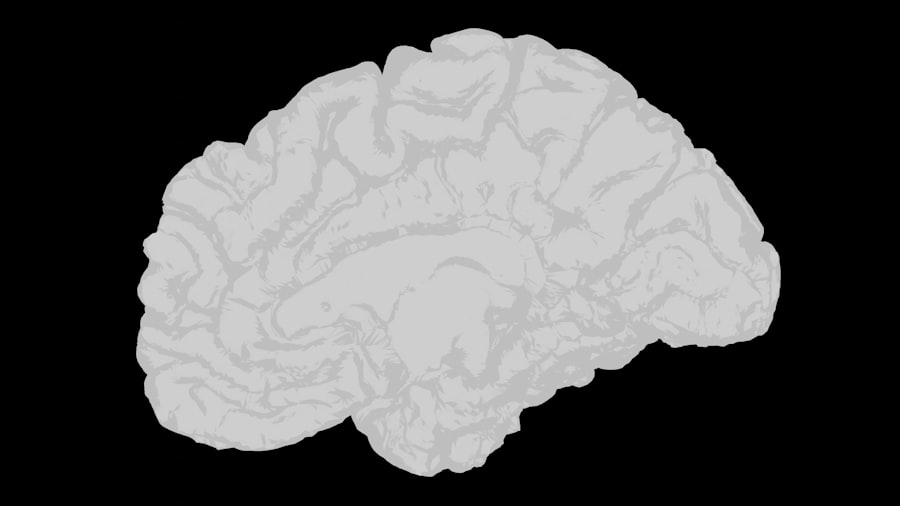
Increasingly, research is highlighting the intricate communication network between your gut and your brain, known as the gut-brain axis. The health and composition of your gut microbiome can significantly impact your mood, stress levels, and cognitive function, all of which can influence your propensity for self-sabotage.
The Gut Microbiome and Neurotransmitter Production
Your gut is home to trillions of microorganisms that produce a wide array of neurotransmitters, including serotonin and dopamine, which are crucial for mood regulation and motivation. An imbalanced gut microbiome, known as dysbiosis, can disrupt this delicate balance, leading to increased anxiety, depression, and reduced cognitive flexibility.
How Gut Dysbiosis Fuels Anxiety and Low Mood
When your gut microbiome is out of sync, it can trigger inflammatory responses in your body. These inflammatory signals can influence your brain’s neurochemistry, leading to increased feelings of anxiety, irritability, and a general sense of malaise. This heightened negative emotional state makes you more vulnerable to self-sabotaging behaviors as a coping mechanism.
The Impact on Motivation and Decision-Making
A disrupted gut-brain axis can also impair your motivation and decision-making abilities. You might experience brain fog, reduced energy levels, and a diminished capacity for rational thought. This makes it harder to engage in the sustained effort and strategic planning required to achieve your goals, and thus, more likely to succumb to procrastination or avoidance.
The Vagus Nerve: The Communication Highway
The vagus nerve is a major cranial nerve that acts as a direct communication pathway between your brain and your gut. Signals from the gut are transmitted to the brain via the vagus nerve, influencing everything from your heart rate to your emotional state.
Stress Signals from the Gut to the Brain
When your gut is inflamed or struggling, it can send stress signals to your brain via the vagus nerve. This can contribute to a chronic state of stress, which, as discussed earlier, activates your amygdala and compromises your prefrontal cortex, making you more susceptible to self-sabotage.
The Vagus Nerve’s Role in Emotional Regulation
A healthy vagus nerve tone is associated with better emotional regulation. When this tone is compromised, perhaps due to gut dysbiosis or chronic stress, you may find it harder to manage your emotions, leading to impulsive reactions and behaviors that undo your progress.
Many individuals struggle with self-sabotage, often undermining their own success without realizing it. This phenomenon can be better understood through the lens of neuroscience, which explores how our brain’s wiring and past experiences influence our behavior. For those interested in delving deeper into this topic, a related article discusses the intricate relationship between our mental patterns and the neuroscience behind self-sabotage. You can read more about it in this insightful piece on neuroscience and self-sabotage, which sheds light on why we sometimes stand in our own way.
Rewiring for Success: Leveraging Neuroscience for Change
| Neuroscience of Sabotaging Success | Explanation |
|---|---|
| Fear of Failure | Neurotransmitters like dopamine and serotonin can be affected, leading to anxiety and self-doubt. |
| Low Self-Esteem | Brain regions associated with self-worth may be underactive, leading to self-sabotaging behaviors. |
| Perfectionism | Overactive amygdala can lead to excessive self-criticism and fear of not meeting high standards. |
| Procrastination | Impaired prefrontal cortex function can lead to difficulty in initiating tasks and making decisions. |
Understanding the neurological underpinnings of self-sabotage is not about dwelling on deficits; it’s about empowering yourself with knowledge. By recognizing the biological and psychological mechanisms at play, you can begin to implement targeted strategies to rewire your brain for success.
Neuroplasticity: The Brain’s Capacity for Change
The exciting news is that your brain is not static. Neuroplasticity is your brain’s remarkable ability to reorganize itself by forming new neural connections throughout life. This means that you can actively change your thought patterns and behaviors.
Practicing Mindfulness and Self-Awareness
Mindfulness, the practice of paying attention to the present moment without judgment, is a powerful tool for engaging your prefrontal cortex and overriding amygdala-driven reactions. By becoming more aware of your thoughts, feelings, and bodily sensations, you can catch self-sabotaging impulses before they fully manifest.
The Role of Conscious Effort in Forming New Habits
Breaking old, self-sabotaging habits and forming new, constructive ones requires sustained, conscious effort. You need to deliberately engage your PFC to interrupt automatic responses and choose alternative behaviors. This is where consistent practice and intentionality become paramount.
Building Resilience and Emotional Regulation Skills
Developing resilience and effective emotional regulation skills are key to mitigating the impact of your brain’s survival instincts and cognitive biases.
Cognitive Reappraisal and Reframing
Cognitive reappraisal involves consciously changing the way you think about a situation. Instead of focusing on the potential negatives, you can train yourself to look for the lessons learned, the opportunities for growth, or the strengths you possess. This actively rewires your brain’s response to stress.
Developing Healthy Coping Mechanisms
Identifying and practicing healthy coping mechanisms for stress and anxiety is crucial. This could include exercise, spending time in nature, creative pursuits, or engaging in supportive social interactions. These activities can help regulate your nervous system and reduce the need to resort to self-sabotaging behaviors.
You have the capacity to understand and influence the intricate workings of your own brain. By acknowledging the deep-seated neurological and psychological forces that drive self-sabotage, you can begin to dismantle these patterns and cultivate a brain that supports, rather than hinders, your pursuit of success. The journey might be challenging, but with informed intention and persistent effort, you can learn to navigate your internal landscape and steer yourself towards your most desired outcomes.
FAQs
What is the neuroscience behind self-sabotage?
The neuroscience of self-sabotage involves the brain’s reward system and the role of dopamine. When we engage in self-sabotaging behaviors, it can be linked to a desire for immediate gratification and a lack of impulse control, which are influenced by the brain’s reward pathways.
How does stress impact self-sabotage?
Stress can trigger self-sabotaging behaviors by activating the brain’s amygdala, which is responsible for processing emotions such as fear and anxiety. This can lead to impulsive decision-making and a focus on short-term relief rather than long-term success.
What role does fear play in self-sabotage?
Fear can activate the brain’s threat response system, leading to a heightened state of arousal and a focus on avoiding potential negative outcomes. This can result in self-sabotaging behaviors as a way to protect oneself from perceived threats or failure.
Can self-sabotage be influenced by past experiences?
Yes, past experiences and learned behaviors can influence self-sabotage. The brain’s neural pathways can be shaped by previous experiences, leading to habitual patterns of self-sabotaging behaviors in response to certain triggers or stressors.
How can understanding the neuroscience of self-sabotage help in overcoming it?
Understanding the neuroscience of self-sabotage can help individuals recognize the underlying mechanisms driving their behaviors. By gaining insight into how the brain processes stress, fear, and reward, individuals can develop strategies to manage these factors and make more conscious, goal-oriented decisions.