You’re a crucial part of your team, and part of that cruciality involves understanding and effectively utilizing every piece of equipment at your disposal. Amongst the myriad of tools and machinery you interact with daily, the safety lever stands out as a fundamental element of operational integrity. It’s not just a lever; it’s a gatekeeper, a guardian, and your primary interface with a controlled shutdown sequence. Mastering its operation isn’t about showing off; it’s about ensuring a predictable, safe, and efficient environment for yourself and everyone around you. This guide is designed to equip you with the knowledge and understanding necessary to become proficient with the safety lever, transforming it from a mere component into a reliable ally.
Before you can master anything, you need to grasp its fundamental reason for existence. The safety lever, in its various forms, is designed to interrupt power or motion in a machine under specific circumstances. It’s a direct response mechanism to a perceived hazard or a deliberate action by the operator. Its activation triggers a series of events that aim to bring the equipment to a safe state, preventing injury, damage, or unintended operations.
The Core Function: Preventing Accidental Activation
At its heart, the safety lever is a failsafe. Think of it as a deliberate interruption mechanism, built into the design to prevent something from happening. This “something” could be the machine starting when it shouldn’t, continuing to run when it’s no longer safe, or executing a particular function that could lead to a dangerous situation.
Preventing Unintended Starts
Many machines are equipped with safety levers that, when in a specific position, prevent the primary activation controls from engaging. This is particularly common in situations where power might be restored unexpectedly or where an operator might be performing maintenance or adjustments. The safety lever acts as a physical barrier, ensuring that the machine cannot be powered on unless specifically authorized by the lever’s position.
Preventing Continuous Operation
In some cases, the safety lever is designed to disengage the machine’s operational cycle if it’s held in a certain position. This is often seen in hand-operated machinery where continuous operation requires constant pressure on the lever. Releasing the lever, even momentarily, stops the machine. This mechanism is specifically designed for scenarios where immediate cessation of operation is the primary safety concern.
Triggering Controlled Shutdowns
Beyond accidental activation, the safety lever is also your primary tool for initiating a controlled shutdown. This is a deliberate, operator-initiated action that brings the equipment to a halt in a predictable and safe manner. Understanding the difference between an emergency stop and a controlled shutdown is vital, and the safety lever often plays a role in both.
Emergency Situations
While some emergency stops are distinct, highly visible buttons, other systems integrate the safety lever into the emergency stop protocol. In such cases, activating the safety lever in a designated emergency position will initiate an immediate and complete shutdown of all powered components. This is the ultimate recourse when immediate hazard mitigation is required.
Planned Operations
Not every shutdown is an emergency. For routine maintenance, tool changes, or the end of a shift, a controlled shutdown is necessary. The safety lever, in its standard operational or neutral position, facilitates this process. Understanding how to engage and disengage the lever to commence and conclude a shutdown safely ensures that operations are not disrupted unnecessarily while still adhering to safety protocols.
When introducing the safety lever to your team, it’s essential to ensure everyone understands its importance and functionality. A helpful resource that provides insights on effectively communicating safety protocols is the article found at Productive Patty. This article offers practical tips on how to engage your team in discussions about safety measures, making it easier to foster a culture of safety within your workplace.
Types of Safety Levers and Their Mechanisms
The form a safety lever takes can vary significantly depending on the machine, its intended use, and the specific hazards it mitigates. Recognizing these variations is key to interpreting their function and reacting appropriately. While the overarching purpose remains the same – safety – the engineering behind achieving that purpose can differ.
Mechanical Interlocks
Many simpler safety levers act as mechanical interlocks. This means they physically prevent a certain action from occurring by blocking a pathway or disengaging a component.
Pin and Slot Mechanisms
You might encounter safety levers that engage with a pin and slot system. When the lever is in the safety position, a pin extends, preventing a moving part from engaging or a control from being actuated. Moving the lever disengages the pin, allowing the operation.
Rod and Linkage Systems
More complex mechanical interlocks involve rods and linkages. The safety lever’s movement is translated through a series of rods and levers to directly affect the operational mechanism, either by physically disconnecting a power source or blocking a moving assembly.
Electrical Switches and Sensors
As machinery becomes more sophisticated, safety levers often integrate with electrical systems. They can actuate switches, interrupt electrical circuits, or signal sensors that, in turn, control the machine’s operation.
Limit Switches
A common integration involves limit switches. When the safety lever is moved, it actuates a limit switch. This switch then sends a signal to the machine’s control system, which can either prevent startup, initiate a shutdown, or alter the machine’s operational mode.
Proximity Sensors
In some advanced systems, the safety lever might be a physical indicator that is sensed by proximity sensors. As you move the lever, the sensors detect its position and communicate with the control system, offering a contactless and potentially more robust method of safety interlock.
Pneumatic and Hydraulic Systems
For heavy machinery and industrial applications, safety levers can also interface with pneumatic or hydraulic systems, controlling the flow of air or fluid to actuate or de-actuate functions.
Valve Actuation
In these systems, the safety lever might directly operate a valve. Moving the lever to a certain position opens or closes a valve, either allowing pressurized fluid or air to power a function, or preventing it from doing so. This is a direct method of controlling the forces that drive the machine.
Pressure Release Mechanisms
The lever could also be integrated into a mechanism that releases pressure in a hydraulic or pneumatic line. This effectively deactivates the powered components of the machine, bringing it to a halt without relying solely on electrical systems.
Proper Operation Procedures
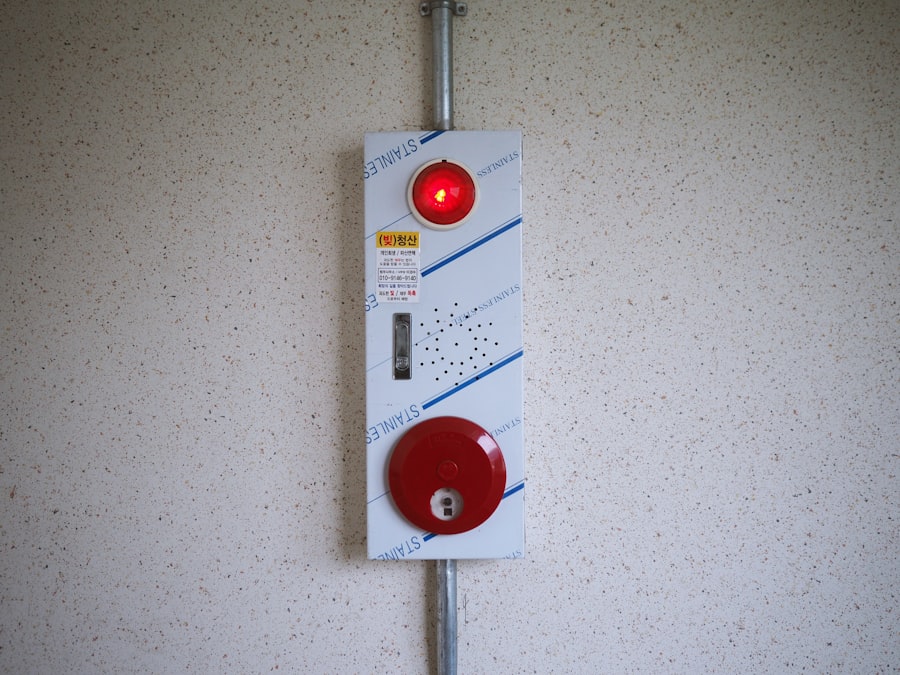
Knowing the mechanics is only one part of mastery. The true test lies in consistently applying correct operational procedures. This is where diligence and adherence to standards become paramount.
Pre-Operation Checks
Before you even engage the main controls, the safety lever needs to be assessed. This is a non-negotiable step in your workflow.
Visual Inspection
Always visually inspect the safety lever and its surrounding area. Ensure it’s clean, free from debris, and shows no signs of damage, bending, or wear. A physically compromised lever cannot be relied upon.
Functional Test (if applicable)
For systems that allow for it, perform a brief functional test of the safety lever. This might involve moving it to its safety position and confirming that the machine’s primary controls are indeed disabled. This confirms the mechanical or electrical interlock is functioning as intended. Repeat this for any other specified positions.
Engaging and Disengaging the Lever
The act of moving the safety lever itself needs to be done with intent and accuracy.
Deliberate Movements
Avoid jerky or hesitant movements. Engage the lever with firm, deliberate motions. This ensures that you are fully engaging its intended position and that any interlocking mechanisms are correctly activated or deactivated.
Understanding Positions
Familiarize yourself with all the labeled positions of the safety lever. Typically, you’ll find positions for ‘Off’, ‘On’, ‘Maintenance’, or specific operational modes. Misinterpreting these can lead to serious consequences.
Audible and Tactile Feedback
Pay attention to the feedback the lever provides. Does it click into place? Is there a satisfying engagement? This physical confirmation is often an indicator of correct operation. If the feedback is poor or absent, investigate further before proceeding.
Post-Operation and Maintenance Phases
The safety lever remains critical even after the main operational cycle concludes.
Securing the Machine
When shutting down, ensure the safety lever is moved to its designated ‘Off’ or ‘Safe’ position and secured if necessary. This prevents accidental startup by others and clearly indicates that the machine is not active.
During Maintenance and Cleaning
During any maintenance, cleaning, or setup procedures, the safety lever should be in its ‘Safe’ or ‘Lockout/Tagout’ position. This is your primary safeguard against unexpected machine movement. Always confirm that the appropriate lockout procedures are also followed in conjunction with the safety lever.
Troubleshooting Common Issues
Even with careful operation, things can go wrong. Knowing how to identify and address common safety lever issues can prevent downtime and ensure continued safety.
Lever Not Moving Smoothly
A safety lever that’s difficult to move is a red flag.
Obstructions
The most common cause is a physical obstruction. Check for dirt, debris, or foreign objects that might be jamming the lever’s path.
Binding Mechanisms
Internal mechanisms of the lever or its interlock system might be binding. This can be due to wear, lack of lubrication, or internal damage.
Seeking Assistance
If you cannot identify or resolve the obstruction, do not force the lever. Report the issue to your supervisor or maintenance team. Forcing it can cause further damage and compromise its safety function.
Safety Lever Not Engaging Safety Function
This is a critical failure point. If the lever moves, but the machine’s safety mechanism (e.g., preventing startup) doesn’t engage, you have a serious problem.
Electrical Faults
If the lever is linked to electrical switches, a faulty switch or wiring problem could be the cause. The lever moves, but the signal isn’t transmitted.
Mechanical Disconnect
In mechanically interlocked systems, a rod, linkage, or pin might have become dislodged or broken, meaning the lever’s movement is no longer physically connected to the safety function.
Immediate Reporting and Isolation
If you suspect the safety function is not engaging, do not operate the machine. Immediately report the malfunction and ensure the machine is clearly marked as out of service. Avoid attempting to bypass or repair this yourself unless you are specifically trained and authorized.
Accidental Activation and False Alarms
While less common, accidental activation or situations where the safety lever seemingly triggers a shutdown without a clear cause can occur.
Sensory Anomalies
In systems with sensors, external factors like strong magnetic fields or electrical interference could potentially trigger a false alarm.
Operator Error (unintentional)
Sometimes, a bump or snag on the lever during normal operation can cause it to move out of its intended position, leading to an unintended shutdown. Reviewing your movements and workspace can often identify these instances.
False Indications
Occasionally, the indicator lights or signals associated with the safety lever might provide a false indication of its status, even if the lever itself is correctly positioned.
System Diagnostics
For electronically controlled systems, running onboard diagnostics might help pinpoint the source of false alarms. If the issue persists, professional troubleshooting is required.
When discussing the importance of safety protocols in the workplace, it’s essential to ensure that your team understands how to properly use the safety lever. This not only enhances their safety but also promotes a culture of awareness and responsibility. For more insights on effective communication strategies, you might find this article helpful as it offers practical tips on engaging your team in safety discussions. You can read it here: Productive Patty.
Training and Continuous Improvement
| Step | Description |
|---|---|
| 1 | Introduce the safety lever as a crucial component of the safety system |
| 2 | Explain the purpose of the safety lever in preventing accidents and injuries |
| 3 | Demonstrate how to engage and disengage the safety lever properly |
| 4 | Emphasize the importance of always keeping the safety lever in the correct position |
| 5 | Provide opportunities for team members to practice using the safety lever |
Mastery is not a destination; it’s an ongoing process. Your understanding and proficiency with the safety lever will only grow through continuous learning and practice.
Regular Training Sessions
Your organization should provide regular training sessions on all safety equipment, including the safety lever. Do not treat these as mere formalities. Actively participate, ask questions, and engage with the material.
Refresher Courses
Even if you believe you know the safety lever inside and out, refresher courses are vital. They reinforce best practices, introduce any updates or changes to the equipment, and provide an opportunity to discuss new challenges or scenarios.
Scenario-Based Learning
Effective training often involves scenario-based learning. These simulations allow you to practice your response to various situations, from routine shutdowns to potential emergencies, under controlled conditions.
Sharing Knowledge and Experience
You are a valuable resource for your colleagues. Share your observations and experiences related to the safety lever.
Informing Supervisors of Anomalies
If you notice a recurring issue with a safety lever, or a particularly tricky aspect of its operation, bring it to the attention of your supervisor. This collective feedback can lead to proactive maintenance and improved safety protocols.
Peer-to-Peer Mentoring
If you are particularly adept with the safety lever, consider mentoring newer team members. Your practical experience can be invaluable in helping them develop confidence and competence.
Staying Updated on Safety Standards
Safety equipment and protocols evolve. It’s your responsibility to stay informed about any changes.
Company Safety Bulletins
Pay close attention to any safety bulletins or memos issued by your company concerning equipment operation and safety procedures.
Industry Best Practices
Be aware of industry best practices related to safety levers and machine safety in general. This knowledge allows you to contribute to a culture of continuous improvement within your team.
By diligently applying the principles outlined in this guide, you will not only master the operation of the safety lever but also contribute significantly to a safer and more efficient working environment for everyone. Remember, your role in maintaining operational integrity is critical, and proficiency with fundamental safety mechanisms like the safety lever is a cornerstone of that responsibility.
FAQs
What is the safety lever?
The safety lever is a mechanism on a firearm that is designed to prevent accidental discharge of the weapon. It is typically located near the trigger and can be engaged or disengaged to ensure the firearm does not fire unintentionally.
How does the safety lever work?
When the safety lever is engaged, it physically blocks the trigger or the firing mechanism of the firearm, preventing it from being fired. When disengaged, the safety lever allows the trigger or firing mechanism to function as normal.
Why is it important to explain the safety lever to your team?
It is important to explain the safety lever to your team to ensure that everyone handling the firearm understands how to properly engage and disengage the safety lever. This knowledge is crucial for preventing accidental discharge and ensuring the safe handling of the firearm.
What are the different types of safety levers?
There are several types of safety levers, including manual safety levers, grip safeties, and trigger safeties. Each type functions slightly differently but all serve the same purpose of preventing accidental discharge of the firearm.
How should the safety lever be demonstrated to a team?
When explaining the safety lever to your team, it is important to demonstrate how to engage and disengage the safety lever using a clear and unloaded firearm. Emphasize the importance of always checking the safety lever before handling a firearm and reinforce safe handling practices.